Miles Davis's leader album
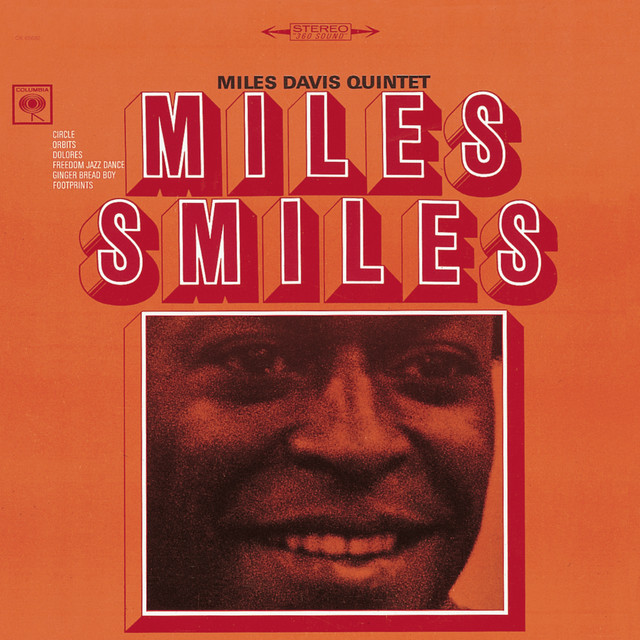
The Second Great Quintet of 1964–68. Each member had independent careers, but together they fundamentally reinvented how jazz treated time.
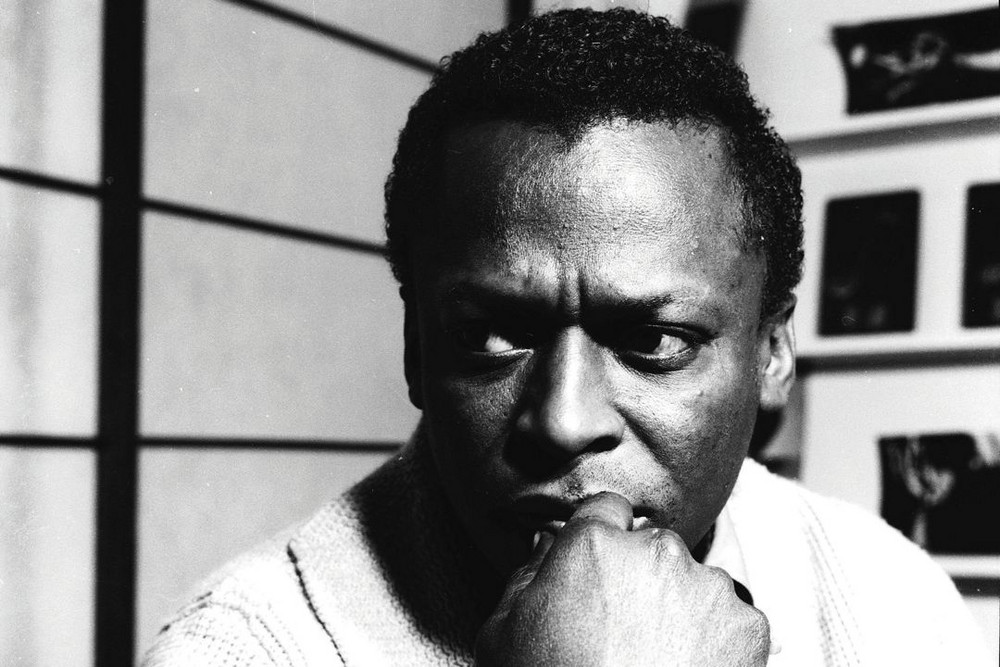
(1926–1991)
Alton, IL, United States
Miles Davis (1926–1991) — Trumpet, Synthesizer. Led 'Round About Midnight, Cookin' with the Miles Davis Quintet, Milestones. Worked with Wayne Shorter, Paul Chambers, Herbie Hancock.
He uses few notes. A single note changes the air in the room. The silences — what he doesn't play — are more eloquent than most players' busiest passages. He sounds like a different person in the 1950s versus the 1970s, but that sense of space never changes. It is the sound of Miles Davis.
Miles Davis's leader album
The Second Great Quintet of 1964–68. Each member had independent careers, but together they fundamentally reinvented how jazz treated time.
Miles Davis's leader album
Miles's 1969–70 studio experiments fused rock's rhythmic sensibility with jazz improvisation. Bitches Brew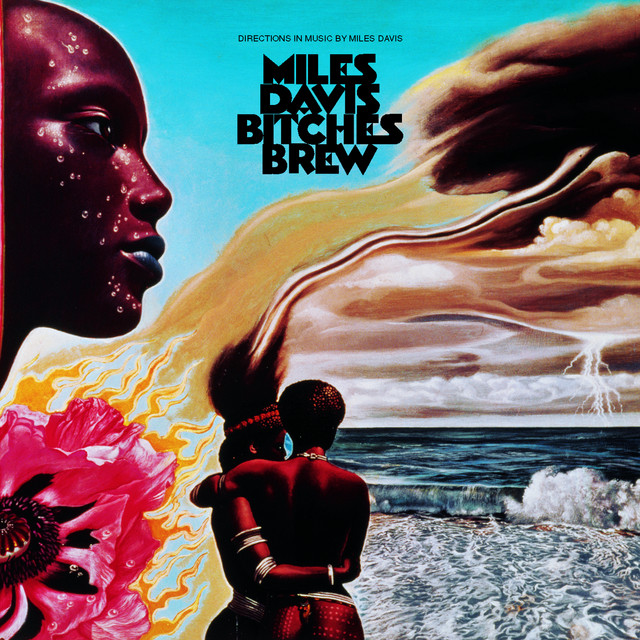
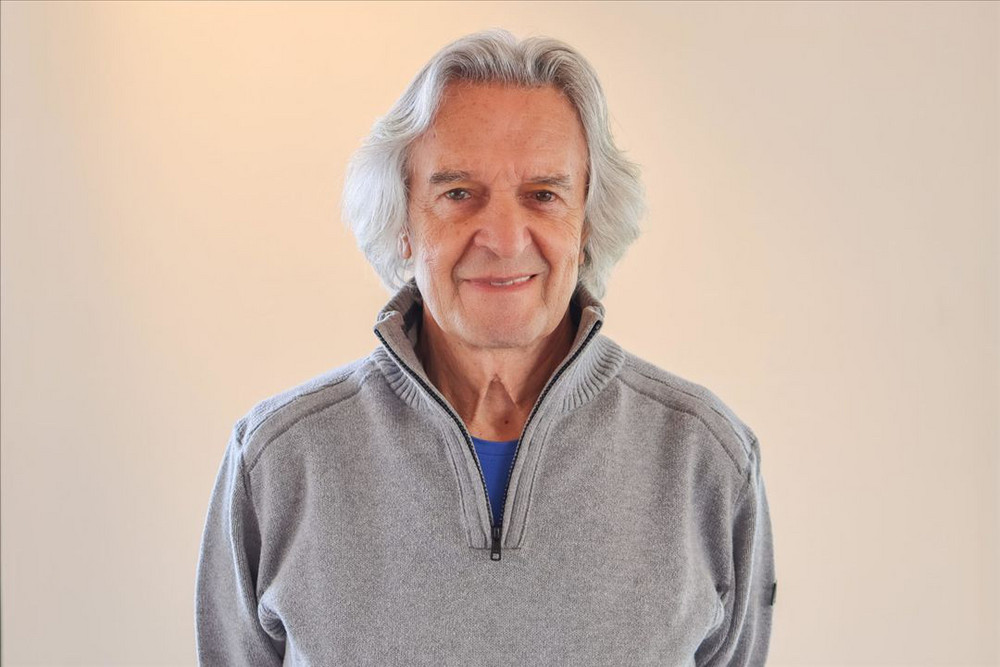
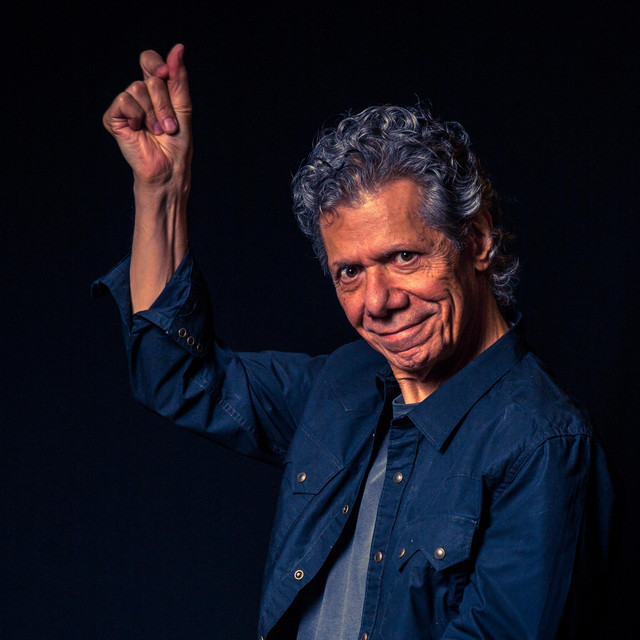
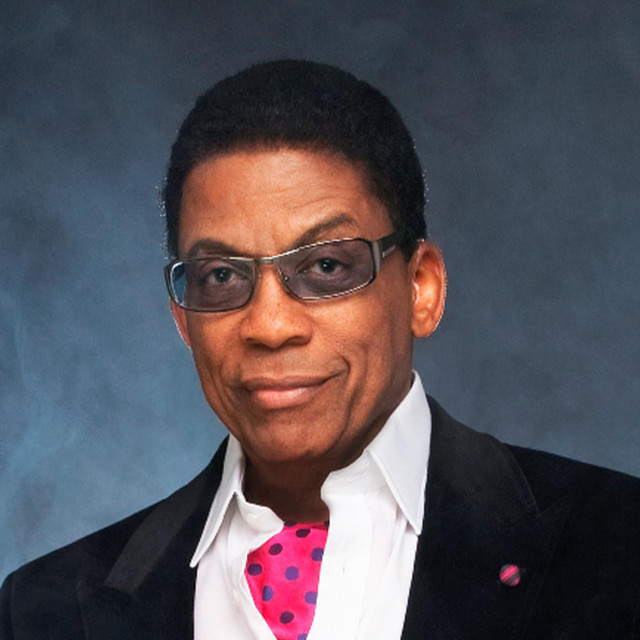
Miles Davis's leader album
In two marathon sessions in May and October 1956, Miles
 — Kind of Blue: The Making of the Miles Davis Masterpiece, Ashley Kahn, 2000
Miles Davis's leader album
Kind of Blue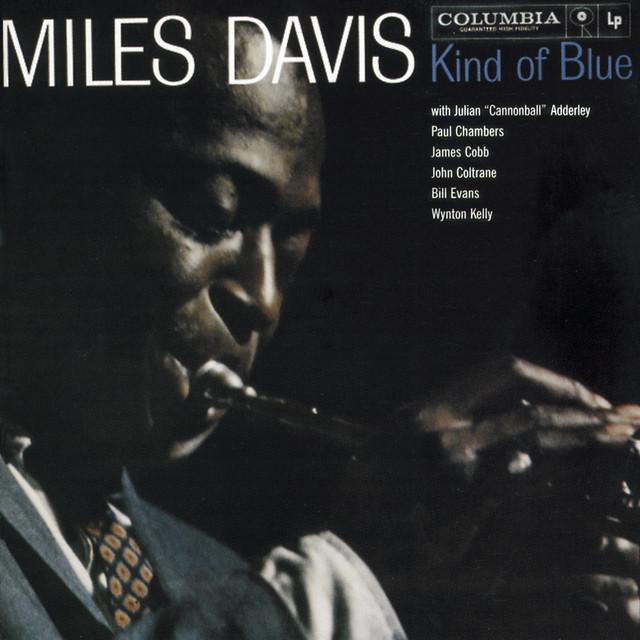
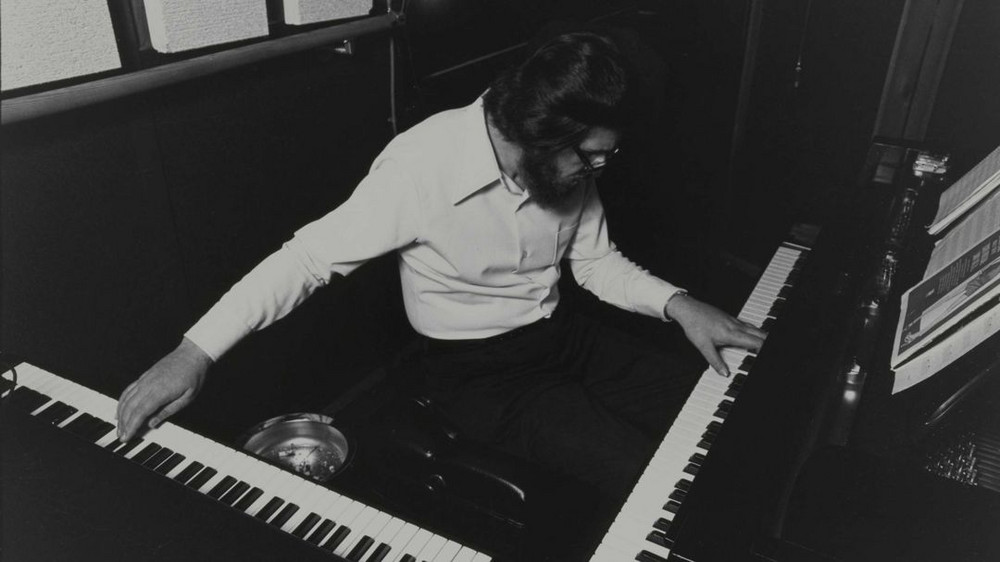
— Kind of Blue: The Making of the Miles Davis Masterpiece, Ashley Kahn, 2000
Miles Davis's albums
When the Heart Emerges Glistening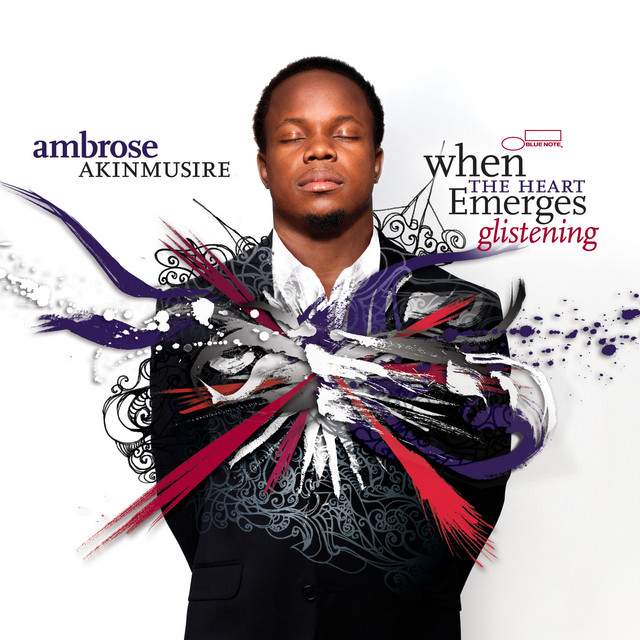
Miles Davis's videos
October 1967, Stockholm. One of the very few proper video documents of the Second Great Quintet. 'Agitation,' 'Footprints,' and ''Round Midnight' bleed into each other, and you can literally see how the four of them collectively own the time.
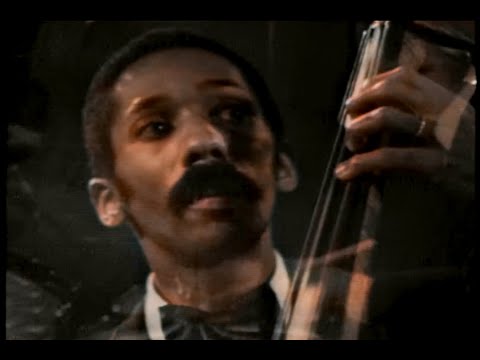 — Miles Davis Quintet — Stockholm 1967, 1967
Miles Davis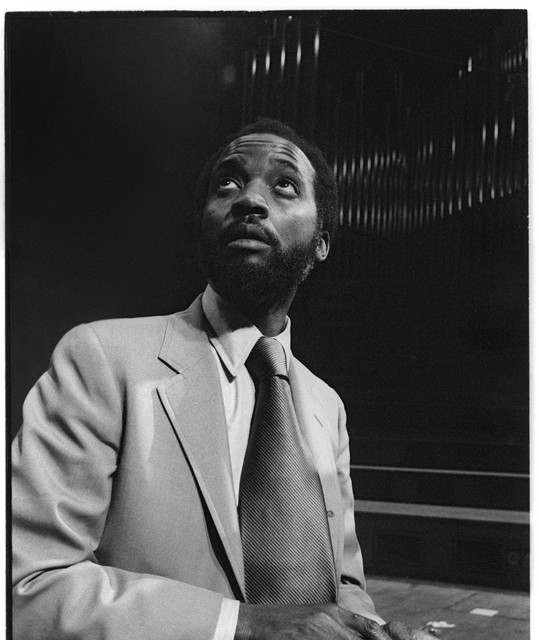
 — Miles: The Autobiography, Miles Davis, 1989
Tony Williams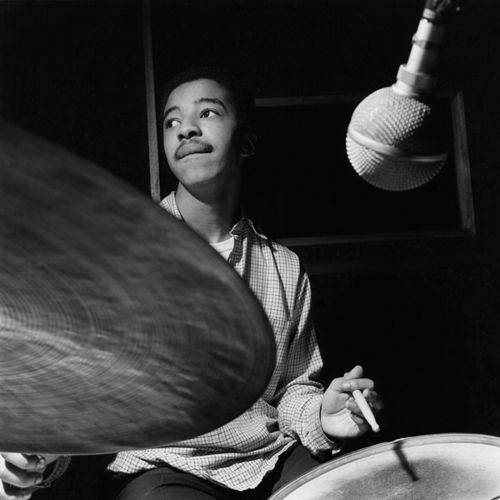
 — So What: The Life of Miles Davis, John Szwed, 2002
Miles Davis's leader album
Brazilian percussionist Airto Moreira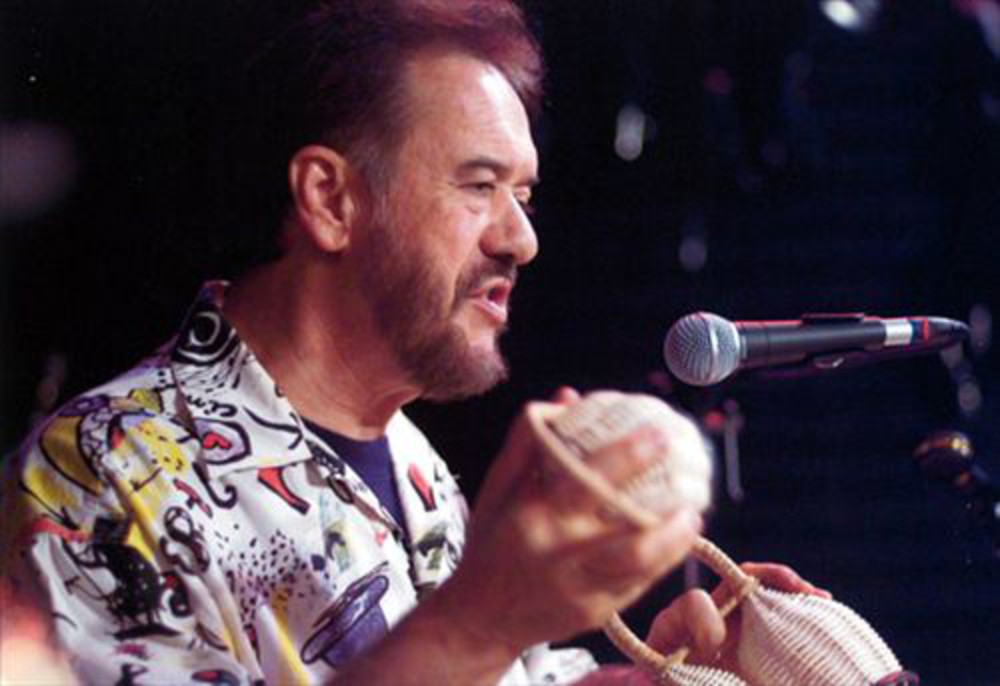
— Miles: The Autobiography, Miles Davis, 1989
Miles Davis's leader album
Miles Davis
— So What: The Life of Miles Davis, John Szwed, 2002
Miles Davis's leader album
Jimmy Cobb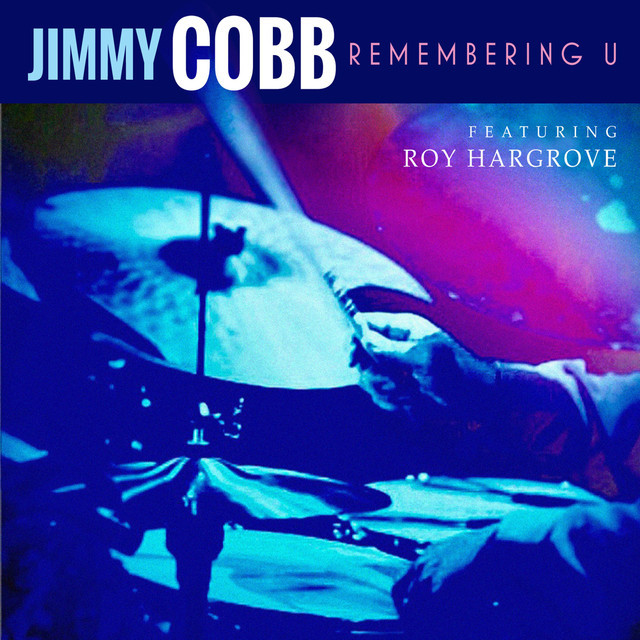
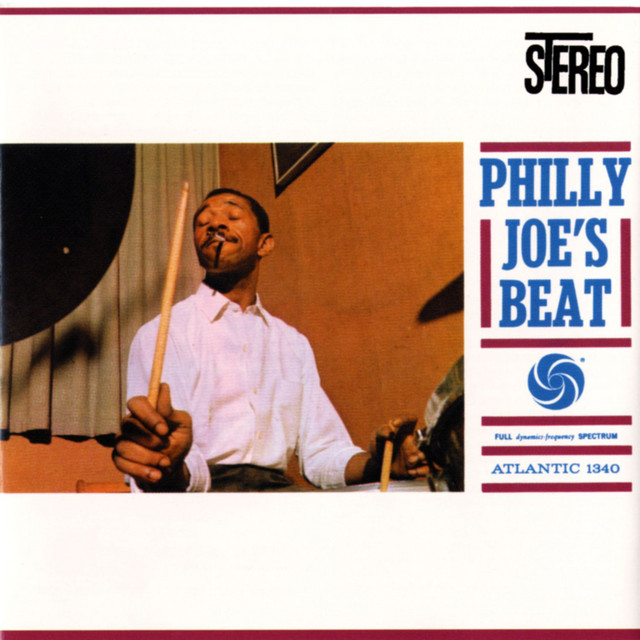
— Kind of Blue: The Making of the Miles Davis Masterpiece, Ashley Kahn, 2000
Marcus Miller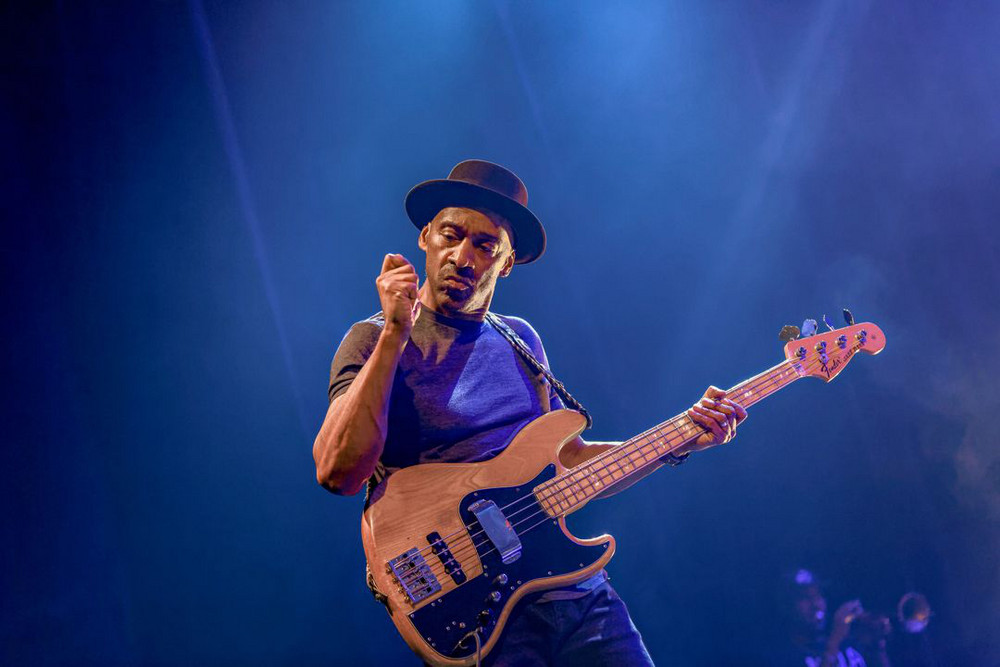
Miles Davis's leader album
Miles Davis
— Miles Davis Covers Michael Jackson's 'Human Nature' — Open Culture
sourcedMiles Davis said
'the archbishop of players'
Miles's description of Wayne in his autobiography. The creative compass of the Second Great Quintet.

About Miles Davis
'Miles taught me how to turn a mistake into an opportunity'
During his time with the Miles Davis Quintet (1963–68). Based on the well-known episode where Miles turned Herbie's 'wrong' chord into part of the music.

About Miles Davis
"Miles told us: there are no wrong notes. It's what you do with them next that matters."
Hancock recalled this lesson from the Second Great Quintet years in his memoir.
Miles Davis's leader album
From 1955–60, Coltrane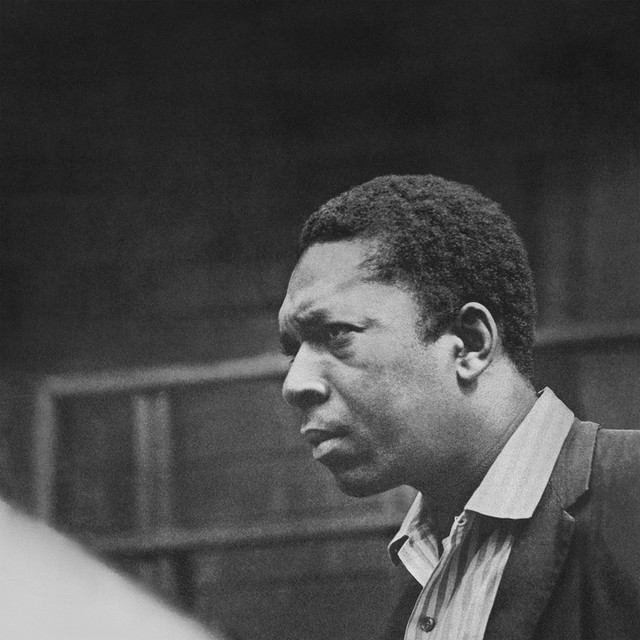
 — John Coltrane: His Life and Music, Lewis Porter, 1998
Miles Davis's videos
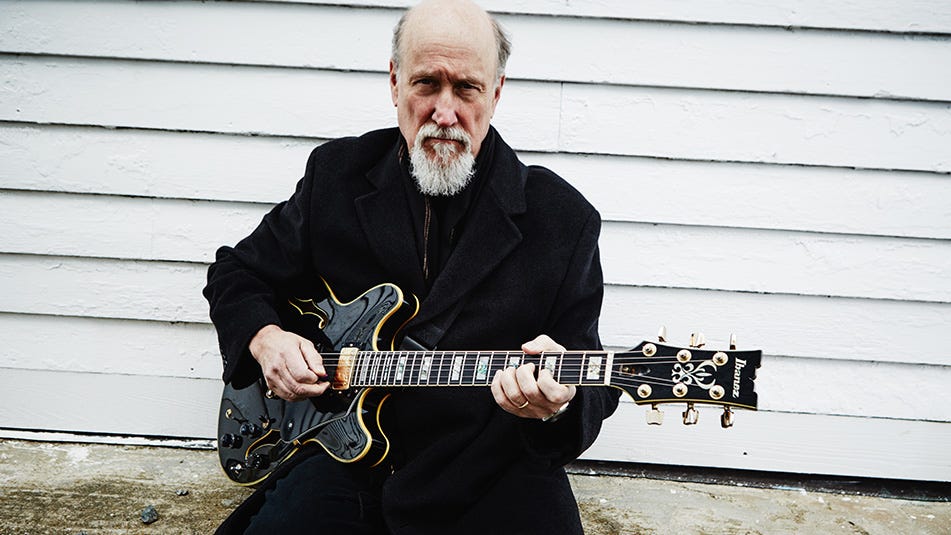
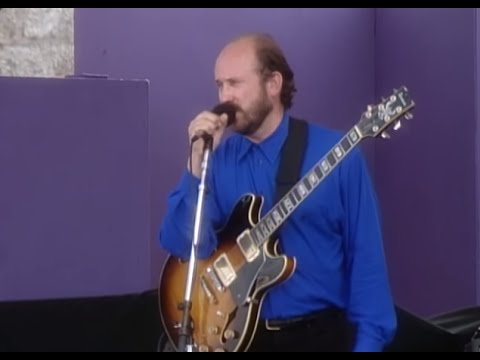
August 14, 1993, Newport Jazz Festival. Full concert by John Scofield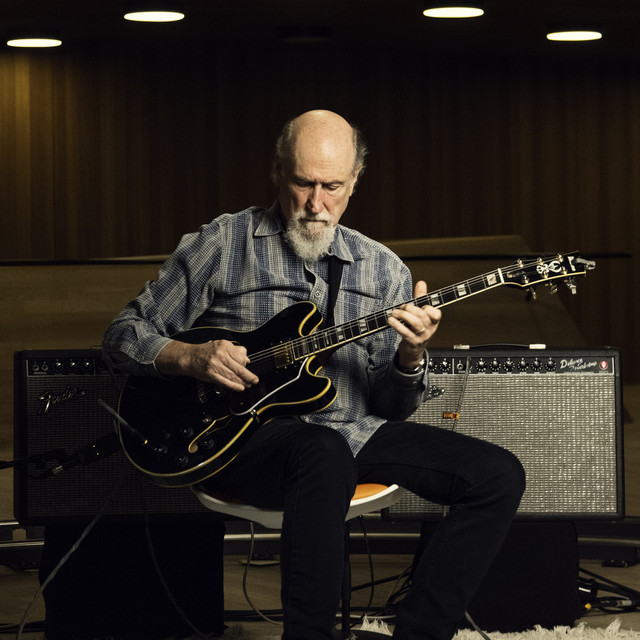
Miles Davis's videos
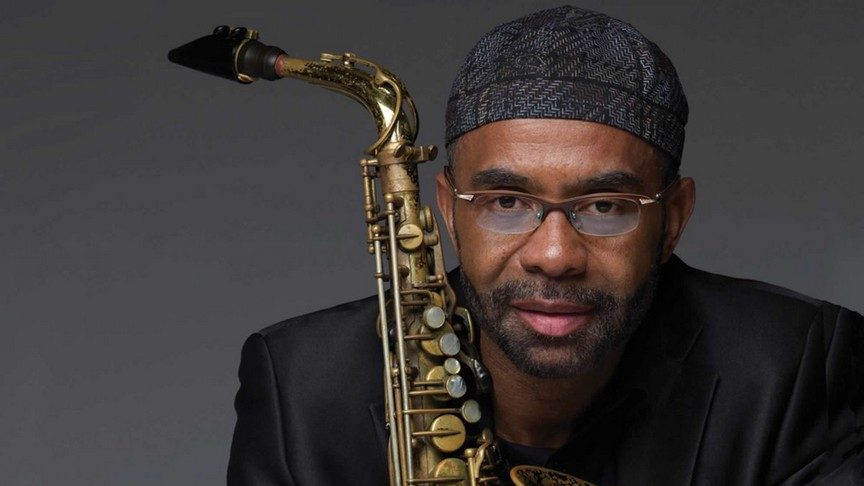
May 2, 2023, NPR Tiny Desk. Kenny Garrett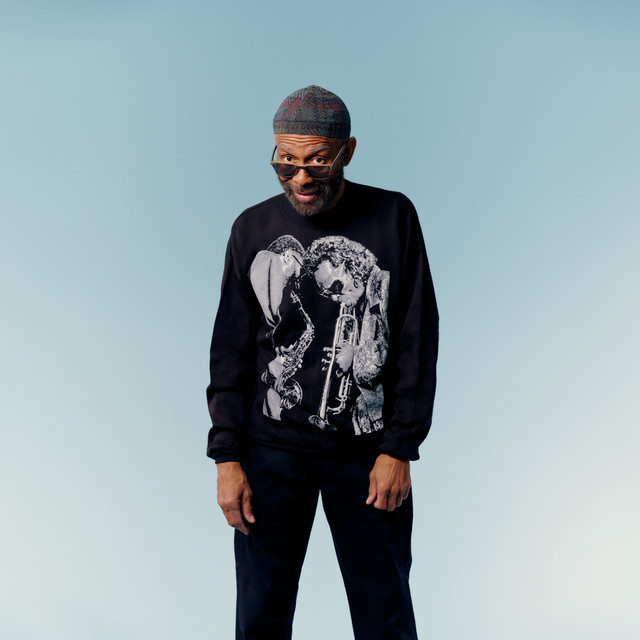
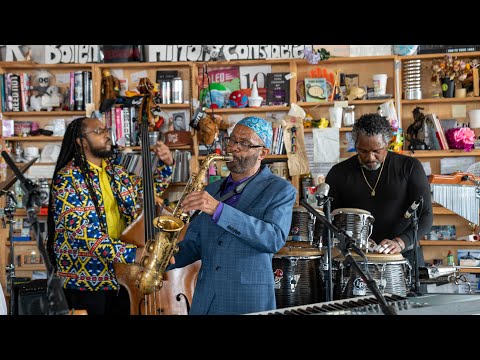 — NPR Music Tiny Desk Concert, 2023
Ron Carter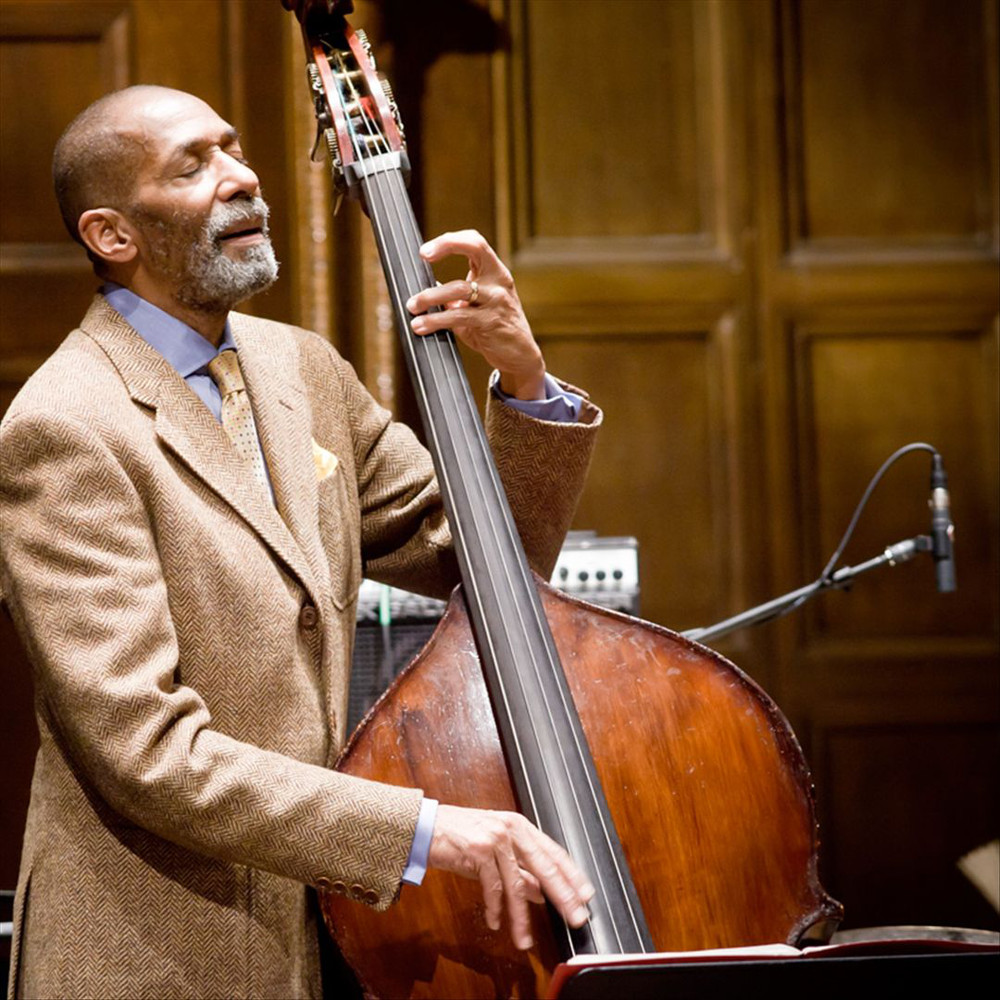
Miles Davis's leader album
E.S.P.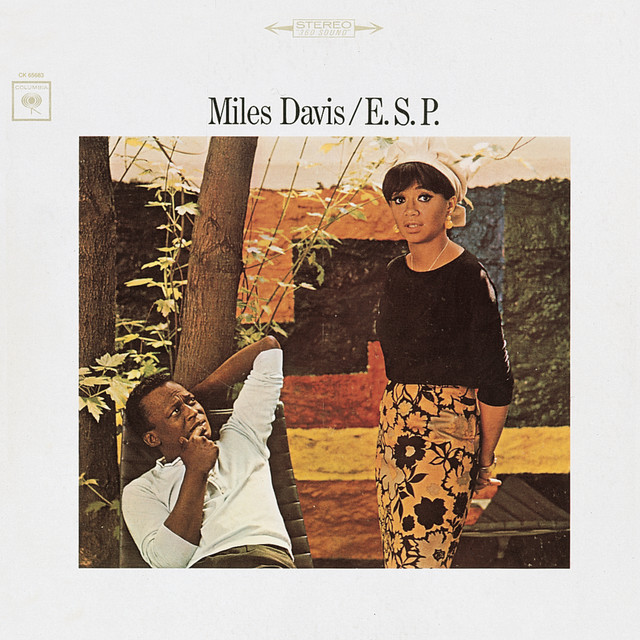
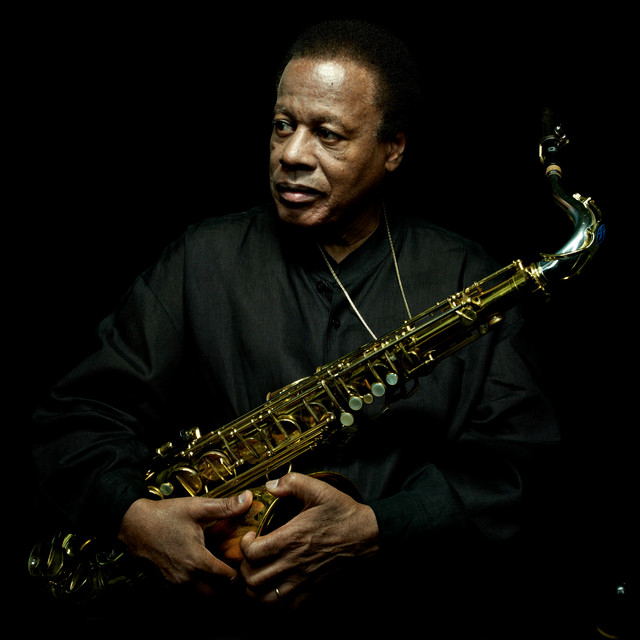
— So What: The Life of Miles Davis, John Szwed, 2002
Miles Davis's leader album
On the title track of Nefertiti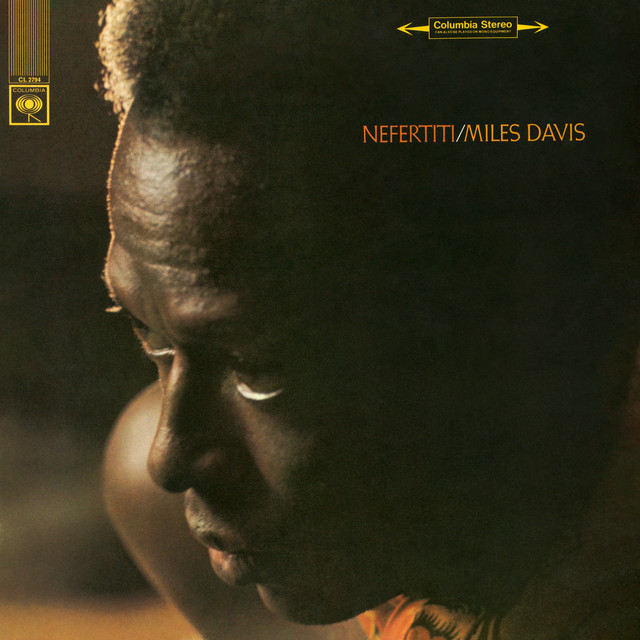
 — Footprints: The Life and Work of Wayne Shorter, Michelle Mercer, 2004
Miles Davis's leader album
In just two days (May and October 1956), Miles Davis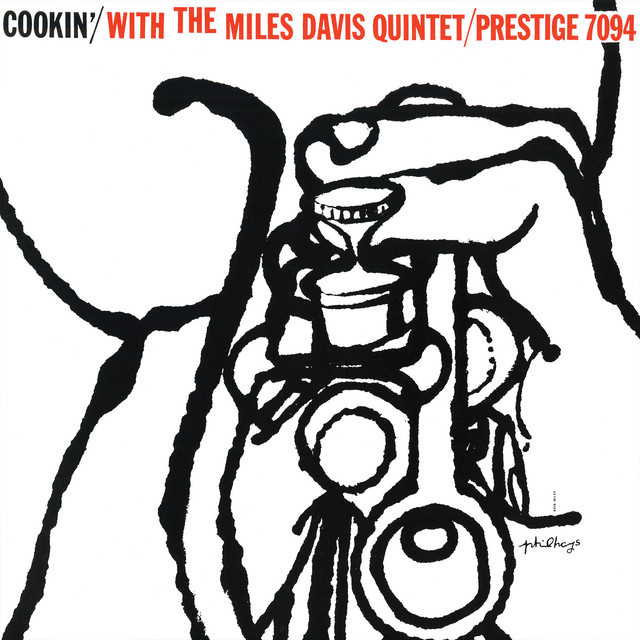
— Kind of Blue: The Making of the Miles Davis Masterpiece, Ashley Kahn, 2000
Miles Davis's leader album
Cannonball Adderley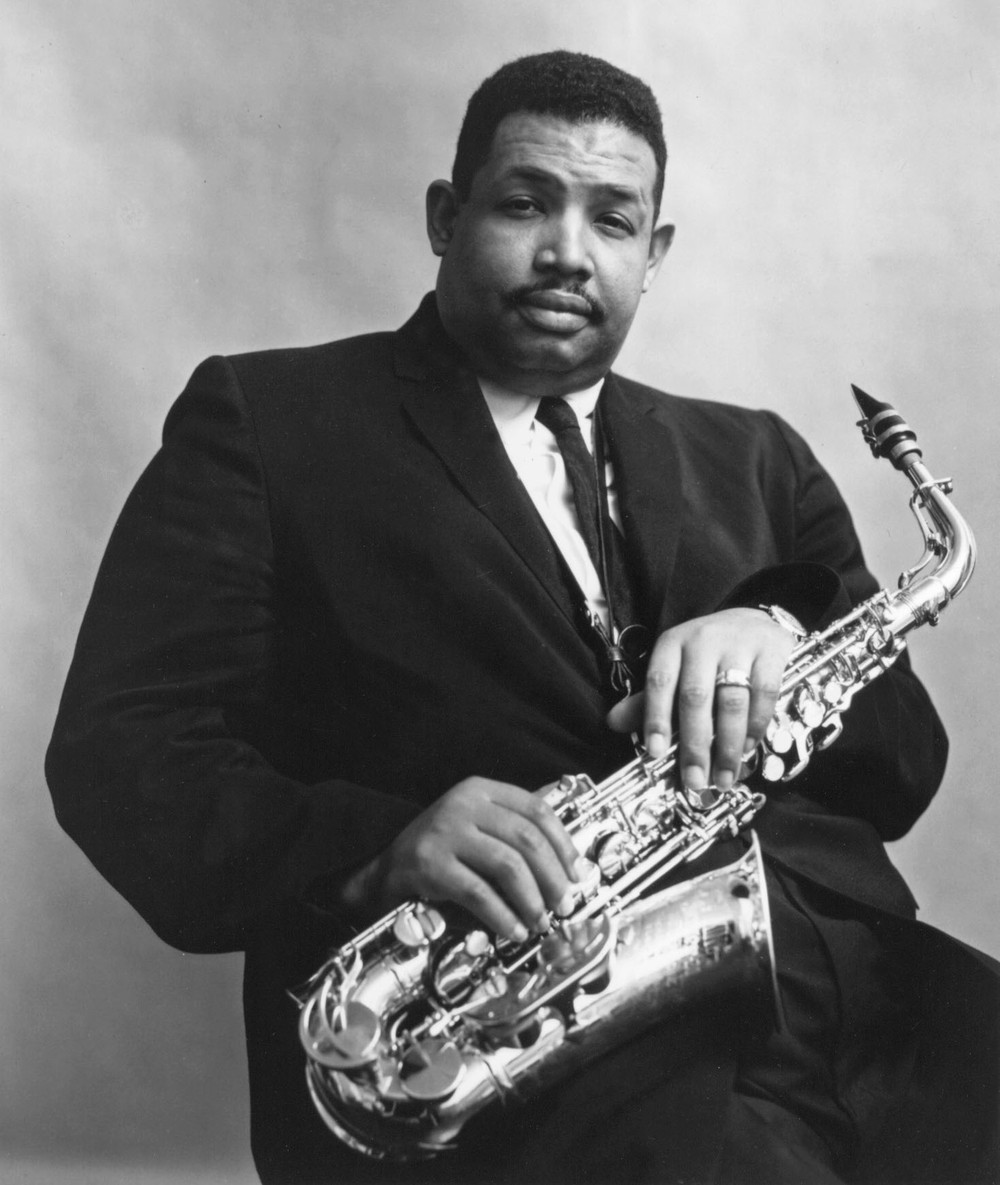
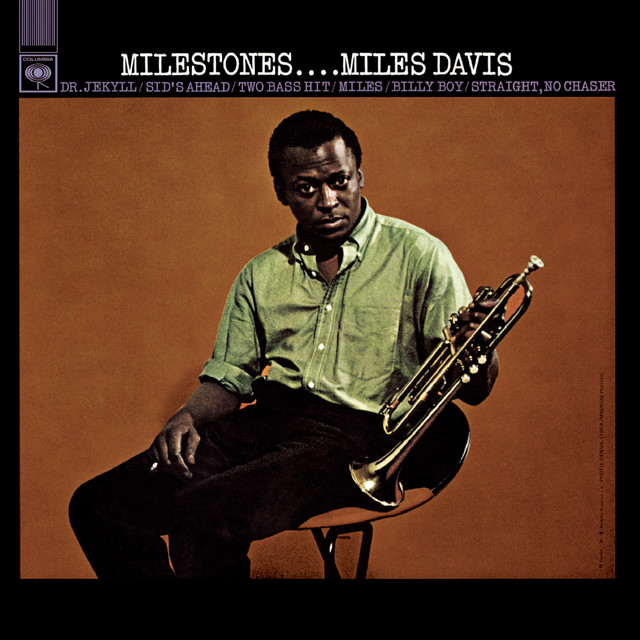
— So What: The Life of Miles Davis, John Szwed, 2002
Miles Davis's leader album
Cannonball Adderley
— Kind of Blue: The Making of the Miles Davis Masterpiece, Ashley Kahn, 2000
Miles Davis's leader album
Philly Joe Jones
— So What: The Life of Miles Davis, John Szwed, 2002
Miles Davis's leader album
Red Garland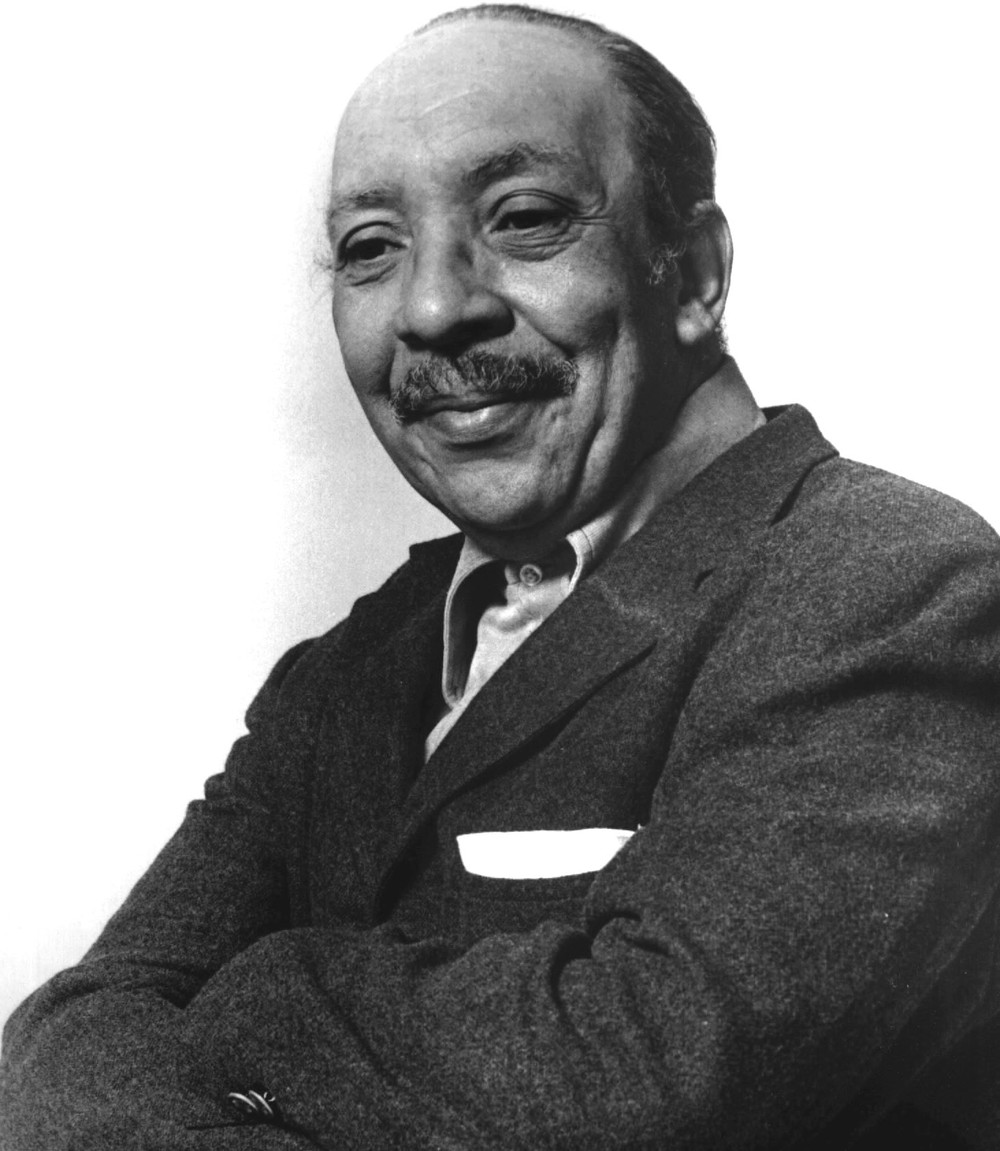
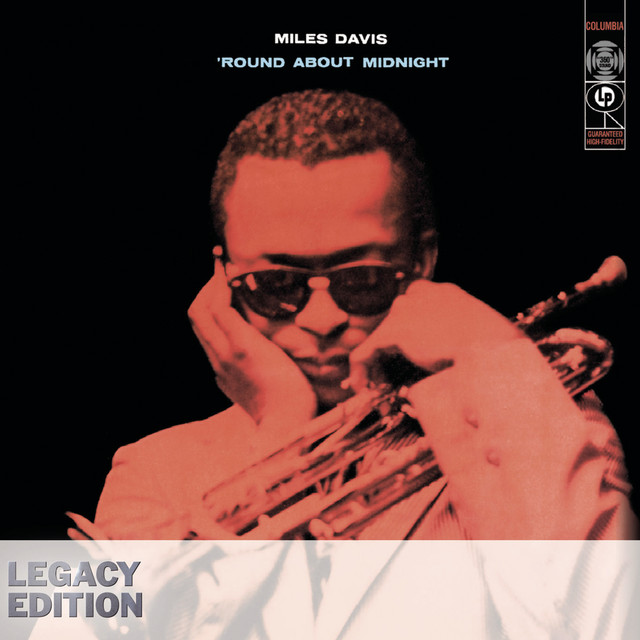
— So What: The Life of Miles Davis, John Szwed, 2002
In spring 1958 Red Garland
— Kind of Blue: The Making of the Miles Davis Masterpiece, Ashley Kahn, 2000
Miles Davis's leader album
The title track of In a Silent Way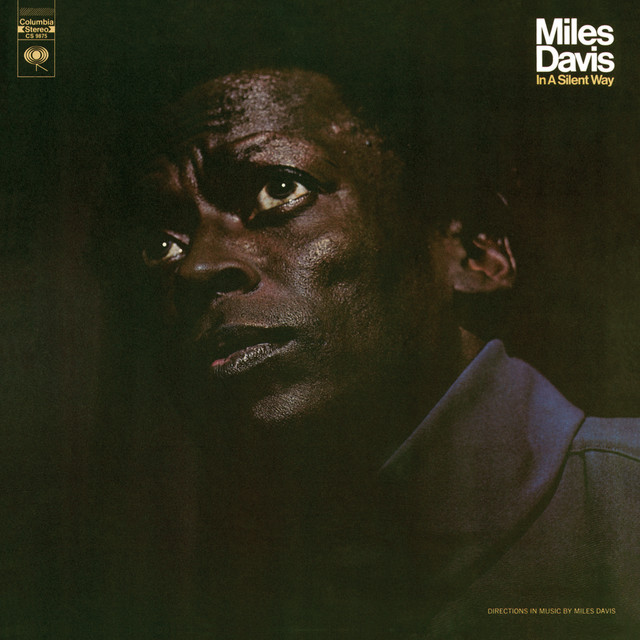
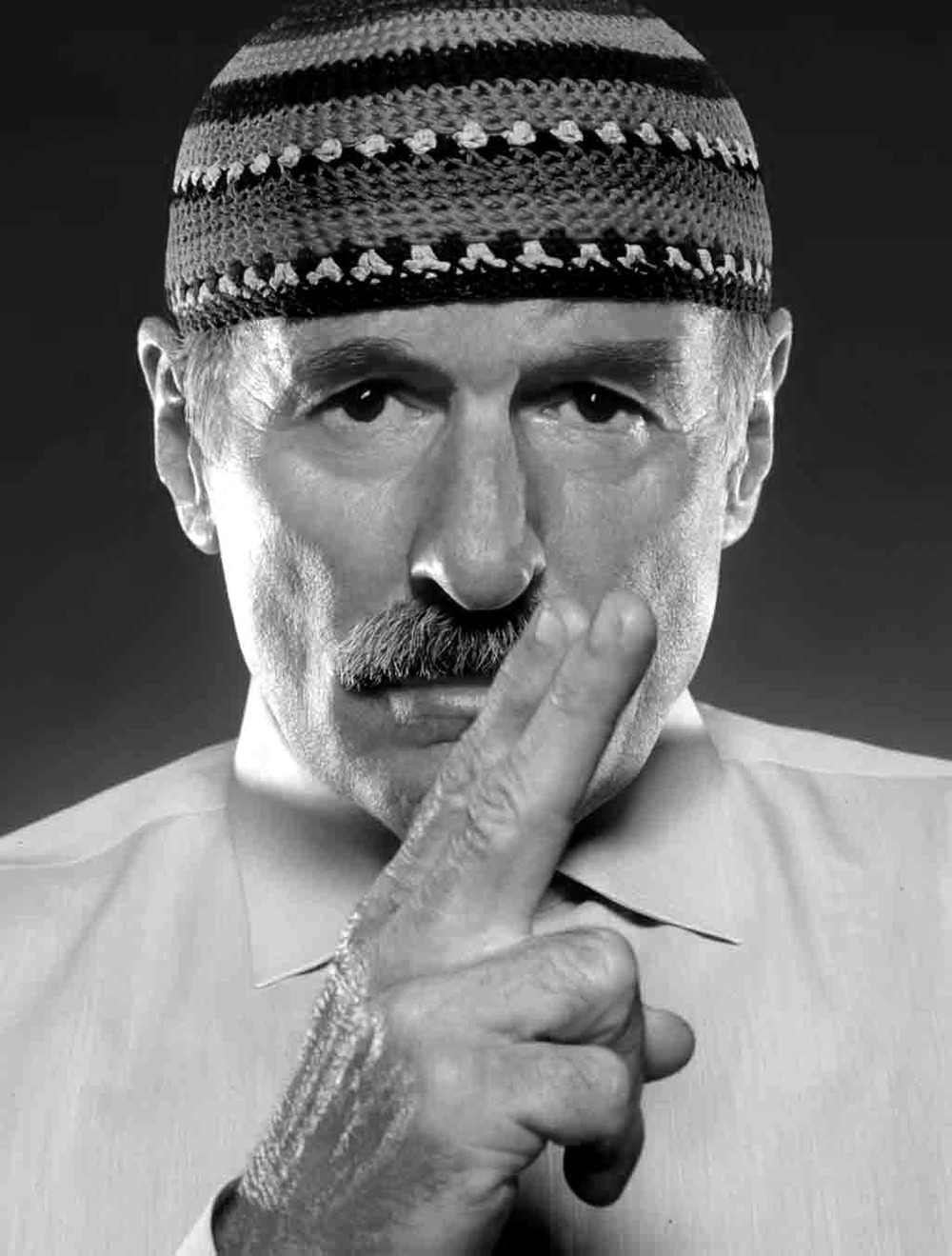
Ahmad Jamal
Miles Davis's leader album
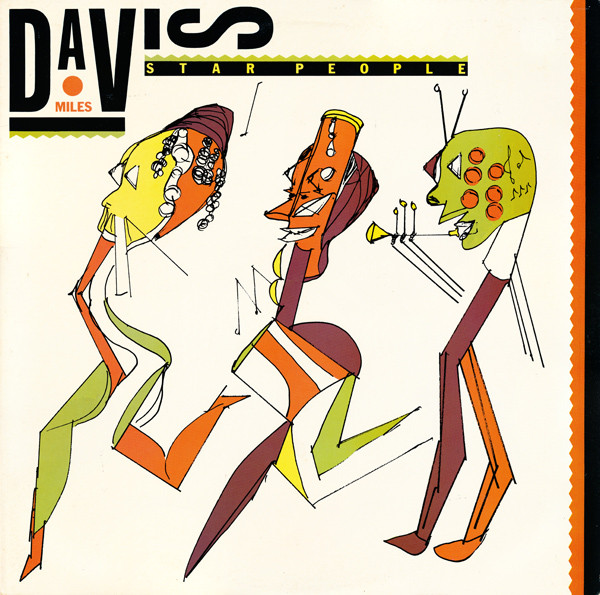
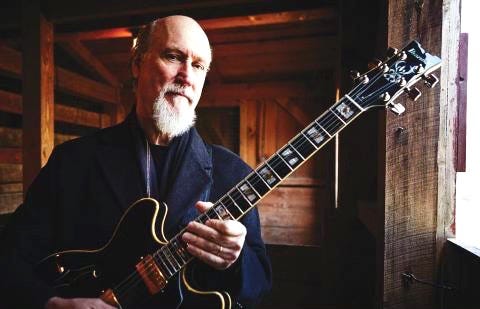
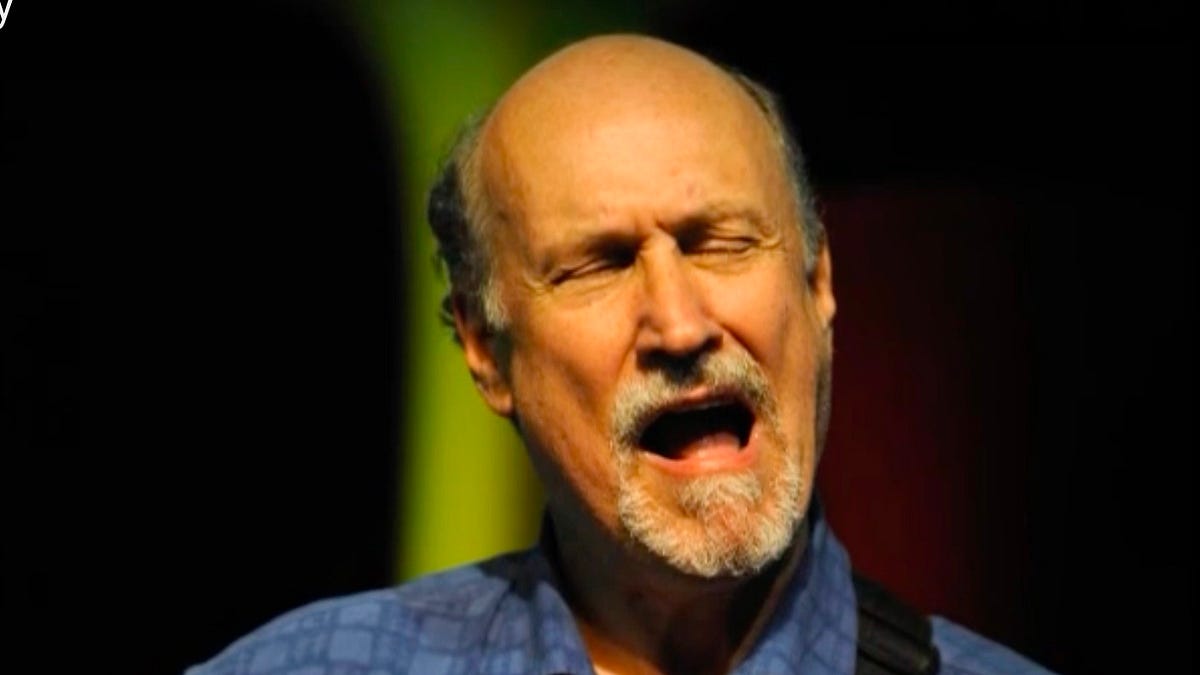
John Scofield joined Miles Davis's band in 1982 and stayed about three and a half years. His first studio appearance was on Star People (1983), followed by writing and guitar contributions to Decoy (1984) and You're Under Arrest (1985).
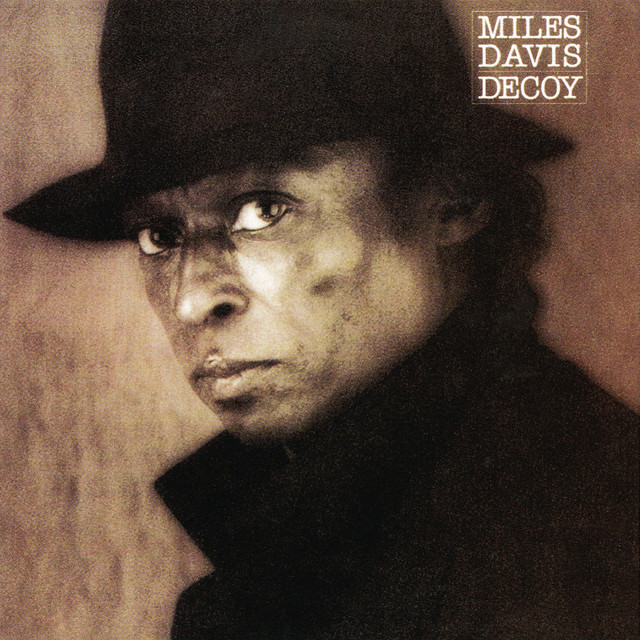
"There are no wrong notes. It's what you do with them next that matters." Herbie Hancock
— Statement stmt-hancock-improvisation
"Miles said he learned silence from my playing. That is an honor." — Ahmad Jamal on Miles
— Statement stmt-0013
"Miles taught me how to turn a mistake into an opportunity." — Herbie Hancock on Miles
— Statement stmt-0016
In his autobiography Miles Davis wrote that he was crazy about Ahmad Jamal's use of space and told his band to go listen to him. The supposed lone innovator openly credited a lesser-known pianist for teaching him the use of silence, rooted in Jamal's 1958 'But Not for Me.'
— Statement stmt-0013
In the 1960s Miles Davis Quintet, Herbie Hancock once played a "wrong" chord behind a solo. Instead of treating it as an error, Miles played notes that made the chord sound right — teaching Hancock that a mistake is not something to correct but a door into what comes next.
— Statement stmt-0016
Miles Davis's leader album
Just as Bitches Brew (1970) pushed Miles Davis's electric music to its peak, his own rhythm players Chick Corea and Dave Holland walked out — turning an off-hours trio into Circle, a free, near-atonal group, rather than chasing the fusion market.
— Statement stmt-dave-holland-on-chick-corea
Miles Davis's leader album
The call came not from Herbie himself but from Tony Williams: Miles Davis wanted Chick Corea in Baltimore in 1968 because Herbie Hancock couldn't make the date. Corea's seat at the piano began as a one-night fill-in — and became the core of Miles's electric period.
— Statement stmt-chick-corea-on-miles-davis-2
Miles Davis's leader album
Dave Holland and Chick Corea, who had played on Bitches Brew, walked out of Miles Davis's band at its peak. 'Dave and I could both see Miles wanted to go a different rhythmic way,' Corea said — and the way they went was not more electric fusion but the free-improv group Circle.
— Statement stmt-chick-corea-on-dave-holland
Miles Davis's albums
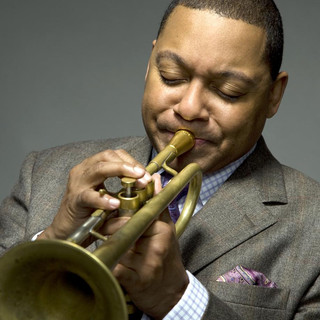
Stung around age 20 by critics who called him soulless, Wynton Marsalis later waved off comparisons to Miles Davis: don't, he said — Miles came up in blues bands, and he hadn't. The standard-bearer of the tradition conceding he lacked the older man's blues roots.
— Statement stmt-wynton-marsalis-on-miles-davis
Miles Davis's albums
Ron Carter — now the most-recorded bassist in jazz — was an Eastman student with a 1950 Ford. After a Rochester gig, Miles Davis, Red Garland and Paul Chambers had no ride to the station, so he packed them into the car and drove them there. The future master was just the kid with wheels.
— Statement stmt-ron-carter-on-paul-chambers-2
Miles Davis's leader album
In 1969, Miles Davis showed up to the Bitches Brew sessions with only sketches and a few bass patterns — no charts. He set the tempo in the room and, when a take wasn't right, stopped it and had the band try something else. What sounds like a fully composed suite was steered into being on the spot, drummer Jack DeJohnette recalls.
— Statement stmt-jack-dejohnette-on-miles-davis-2
Miles Davis's leader album
When John Scofield joined Miles Davis's band in November 1982, it left two guitarists standing in the lineup. By Scofield's account, Miles liked putting two players of the same instrument together to make them compete — deliberately building the kind of redundancy most bandleaders take pains to avoid.
— Statement stmt-john-scofield-on-miles-davis
Miles Davis's leader album
Kenny Garrett spent five and a half years in Miles Davis's band, and says he never once received a spoken instruction. Whatever phrase Miles played, Garrett played back — a call-and-response built entirely from what happened on stage, never from words.
— Statement stmt-kenny-garrett-on-miles-davis
Miles Davis's leader album
Drummer Jack DeJohnette, who played in Miles Davis's early-1970s electric bands alongside Chick Corea and Dave Holland, once said their improvising would go to "totally ecstatic" places — until Miles stepped back in and pulled everything back to a single center. The band's apparent freedom, in other words, actually orbited Miles himself.
— Statement stmt-jack-dejohnette-on-chick-corea
Miles Davis said
'a sound like crystal notes or sparkling water cascading down from some clear waterfall'
Miles's description of Bill Evans's sound, recounted in his autobiography.
About Miles Davis
'Miles said he learned silence from my playing. That is an honor.'
On Miles Davis's well-documented admiration for Jamal's playing. Miles often directed his band members to listen to Ahmad Jamal.
About Miles Davis
God gave Miles the title of Head Clinician at this laboratory.
Describing the Miles Davis Quintet as a laboratory and Davis's role in it.
About Miles Davis
I think playing with Miles, with Dave Holland, Chick Corea and Wayne was a very exciting period. We always couldn't wait to get on the bandstand to see what kind of mischief we could get into.
Recalling his two-to-three years in the Miles Davis band, 1968-70.
About Miles Davis
Miles had some sketches and bass patterns. He'd ask me, "play a groove, play this," and he'd count off a tempo and if that wasn't it he'd say, "No, that's not it!" and he'd say to try something else.
On how Miles Davis directed him in the studio during the 1969 Bitches Brew sessions.
About Miles Davis
He was a unique genius, a master improviser, 100% original composer but an original that had come through the most incredible tradition of the music and kept moving forward, just as Miles Davis did.
Answering a question about whether jazz has lost its great personalities, describing Wayne Shorter.
About Miles Davis
I was just trying to realise Miles Davis' vision for what he wanted to do, as we all were and that was primarily in my mind when we did the recording.
Asked whether he anticipated the impact of Bitches Brew while recording it.
About Miles Davis
Miles had directions that he was looking to move in. But he looked very much into the musicians to fill in those spaces.
Describing how Miles Davis led his band during Holland's two years in the group.
About Miles Davis
I'd started on a project with Chick Corea and Barry Altschul. We'd been playing as a trio at times when Miles wasn't working.
Explaining how leaving Miles Davis led to the trio that became Circle when Anthony Braxton joined.
About Miles Davis
That shows what a good guy Mike is. But I really think Miles liked to get two guys on the same instrument and have them compete in the band.
Recalling how he joined Miles Davis's band in November 1982 alongside Mike Stern, creating a two-guitar front line.
About Miles Davis
He was a brilliant strategist at getting the music out there, but still playing what he considered great, and important jazz music, because he loved that.
On Miles Davis as a star who transcended jazz.
About Miles Davis
He was a great composer, and simplicity was his thing; he had the balls to write songs like 'So What' and the second 'Milestones' and 'Jean Pierre,' which was in our band's book when we played with Miles.
Assessing Miles Davis as a composer, in the context of covering one of his tunes.
About Miles Davis
All musicians who loved jazz loved Miles. He could be very difficult and mercurial and all that but he was also very funny.
Looking back on his three years in Miles Davis's band, 1982-85.
About Miles Davis
He was a genius arranger. So everything that Miles touched, of course, sounds like Miles.
On Miles Davis's genius as an arranger of other people's material.
About Miles Davis
Tony was the one who called me up for the gig. He said, "Miles wants you to come to Baltimore. Herbie can't make it."
Corea recalls how Tony Williams's phone call brought him into Miles Davis's band, replacing Herbie Hancock.
About Miles Davis
When Dave and I saw that Miles was wanting to go in a different direction rhythmically and so forth, there was the parting of the ways.
Corea on why he and Dave Holland left Miles Davis, which led to the free-improvisation group Circle.
About Miles Davis
Chick and Dave would go to a lot of frenetic places. Then, when Miles came back, everything would galvanize, come back to a center.
DeJohnette on how Corea and Holland ranged wildly on the bandstand until Miles returned and pulled the music back to a center.
About Miles Davis
You don't compare my playing to Miles Davis or Louis Armstrong. They grew up playing in blues bands.
In 1991, looking back on early reviews that said he played without soul.
About Miles Davis
During the course of the evening conversation after the concert, Miles and Red Garland and Paul had no way to get to the train station from the concert. I had a 1950 Ford, and so I piled them in my car and took them to the train station.
As a senior at Eastman, Carter drove the Miles Davis band to the train station after a concert in Rochester.
About Miles Davis
When I played with Miles, he would play a line and I would play the line back. He never told me to do that.
On how the call-and-response with Miles Davis emerged during his five-and-a-half years in the band.
About Miles Davis
I always told people that I understood Miles when I was in his band, but I understand him even more now.
Reflecting on how his understanding of Miles Davis deepened after leaving the band.
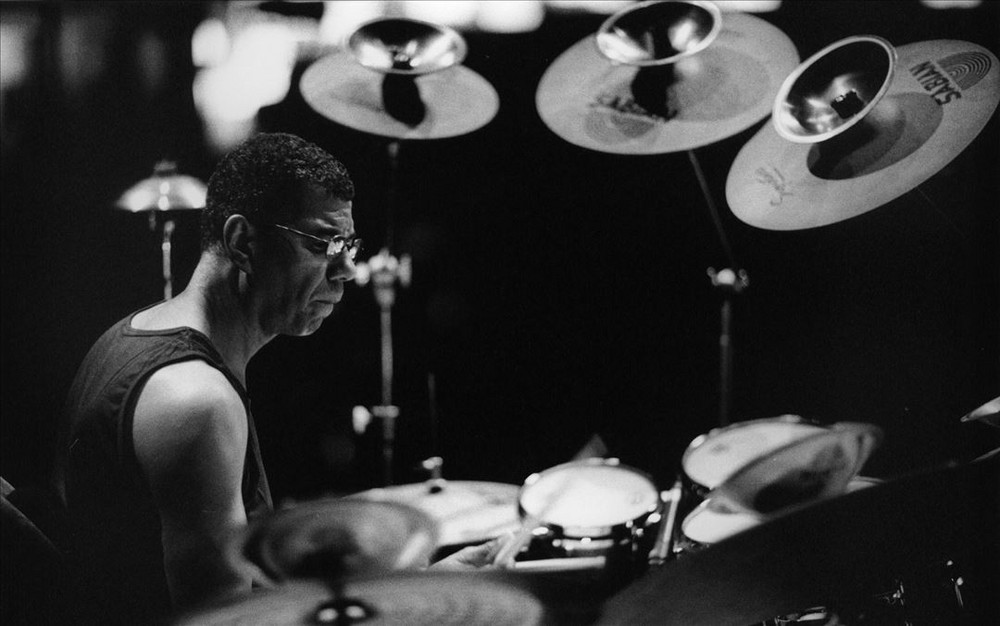 Jack DeJohnette
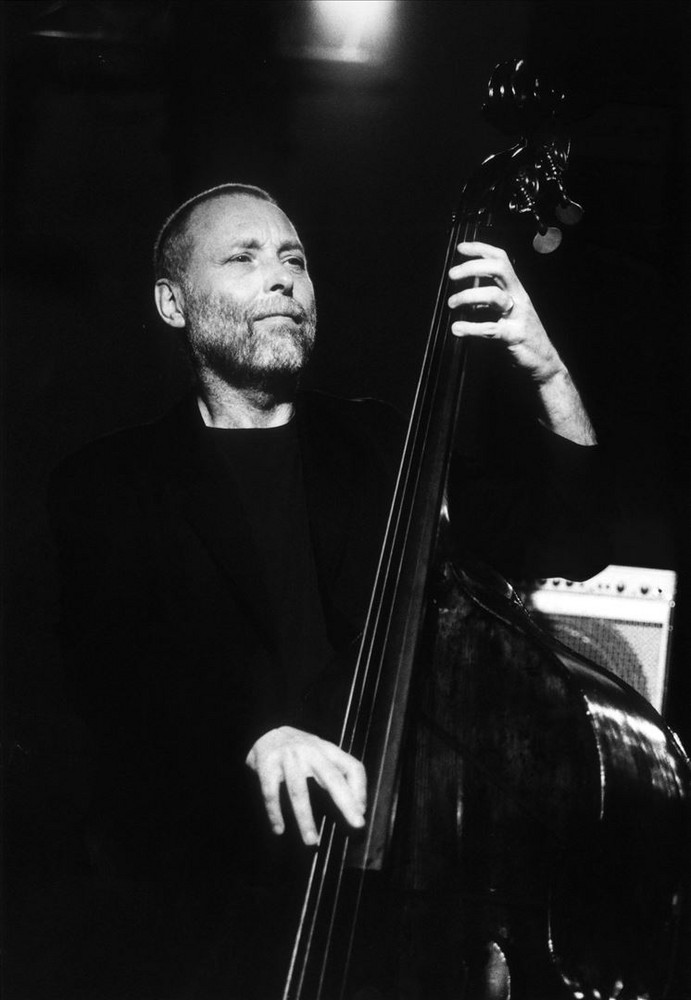 Dave Holland
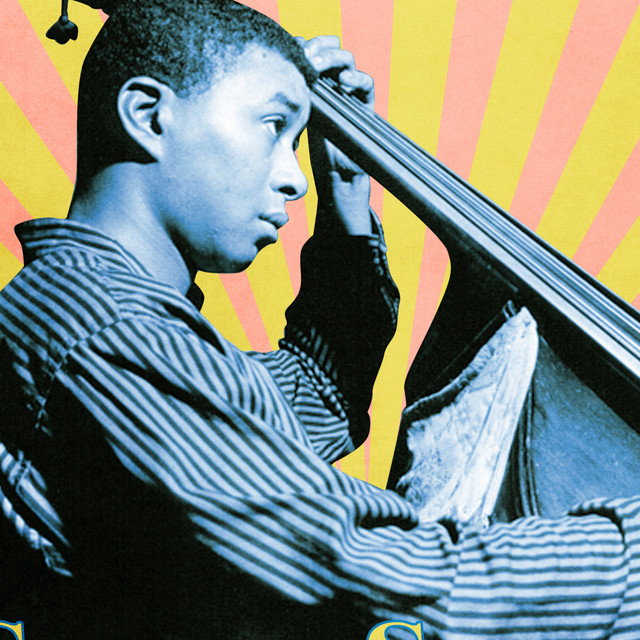 Paul Chambers
 Harish Raghavan
 Walter Smith III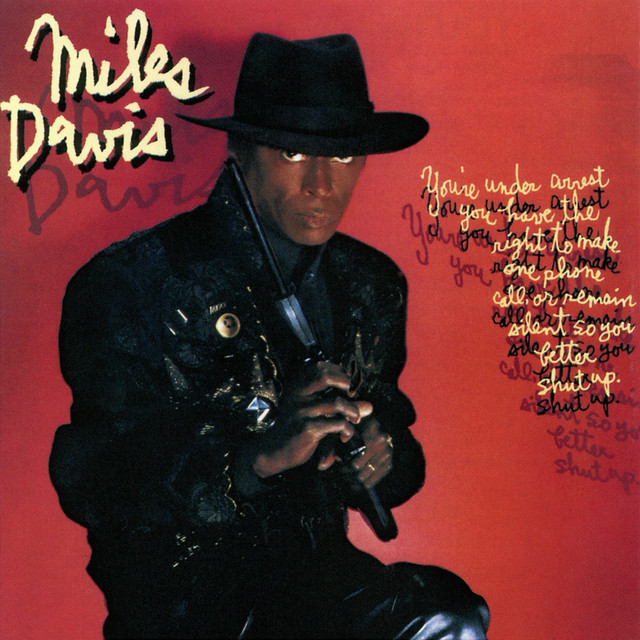


 Wynton Marsalis