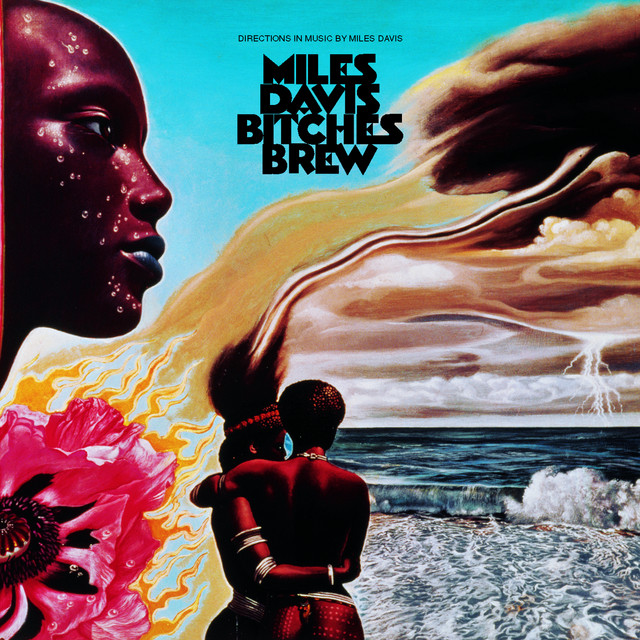
Bitches Brew
Miles Davis · 1970 · Columbia
Personnel
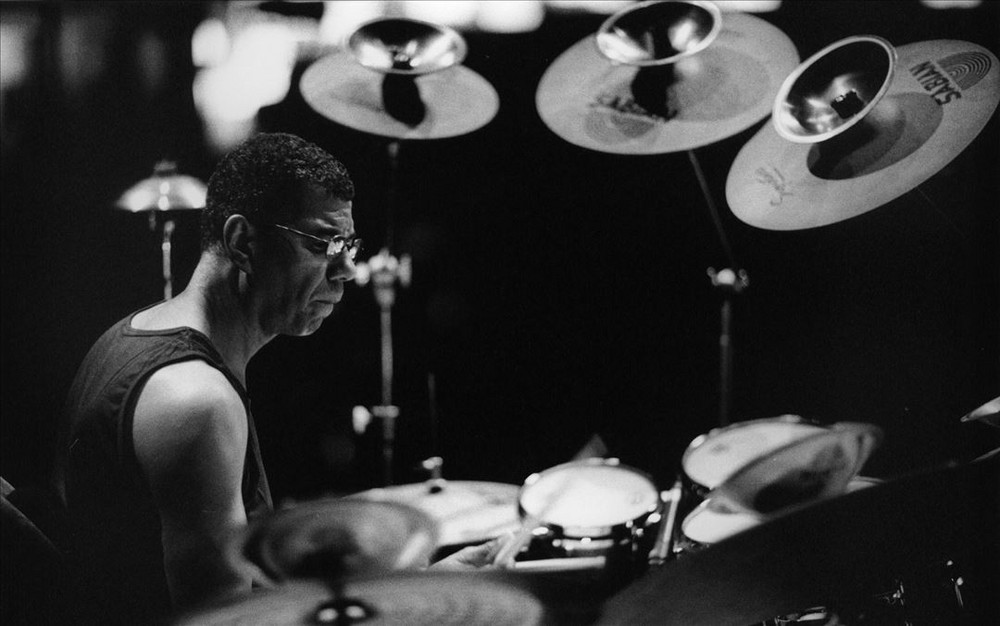
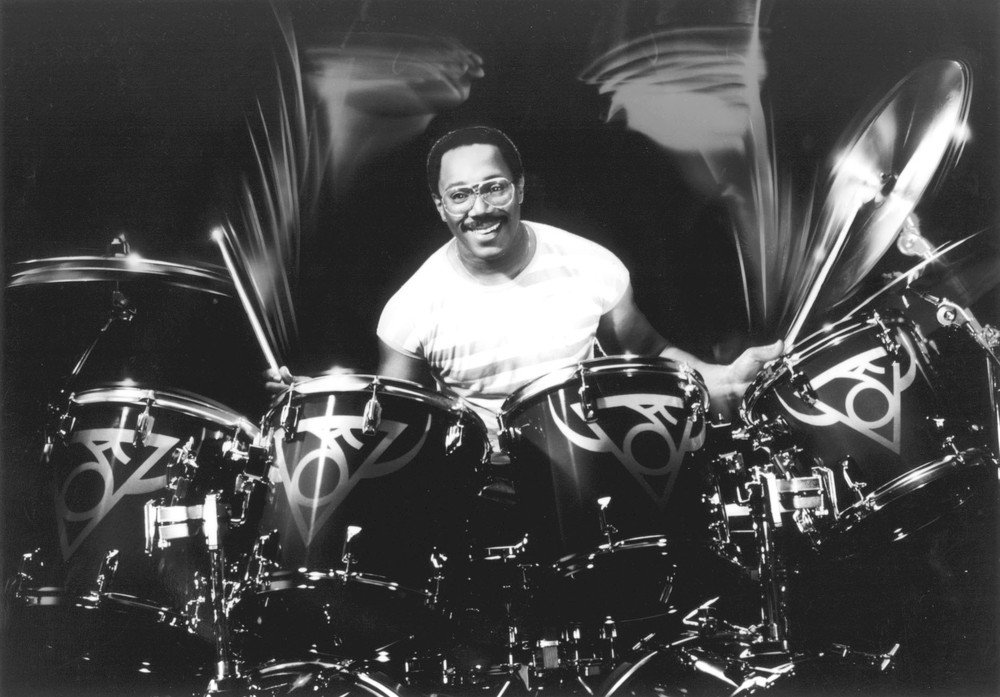
Jack DeJohnette
played Drums on this album
DeJohnette was the first to fully reconcile rock's groove with jazz's improvisational tension inside Miles's band.
John McLaughlin
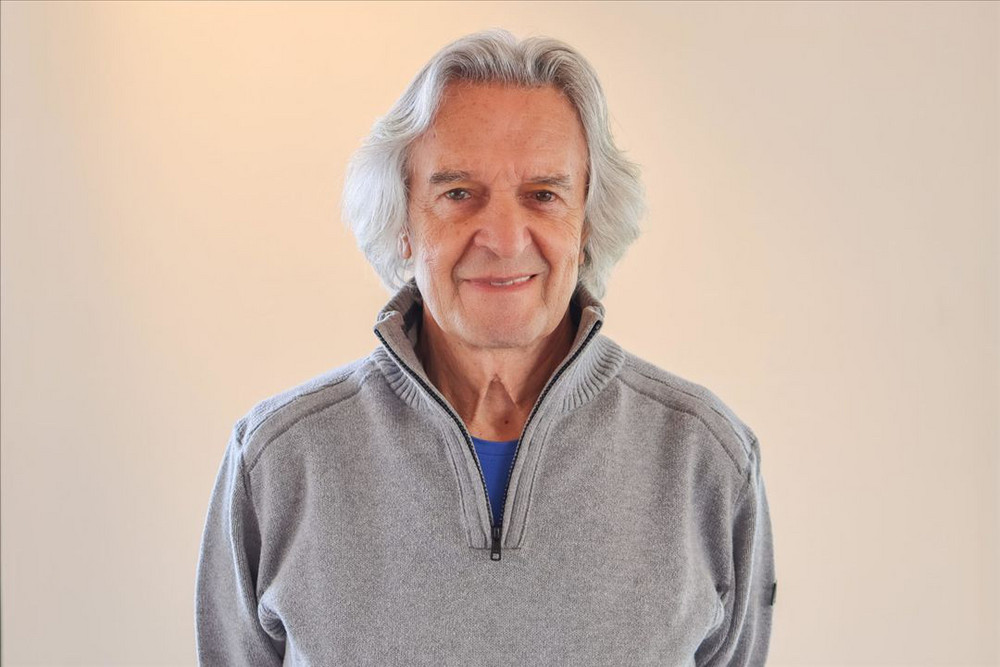
played Guitar / Electric Guitar on this album
McLaughlin was called by Miles and flew from London the day before. Nearly sight-reading.
Harvey Brookscoming soon
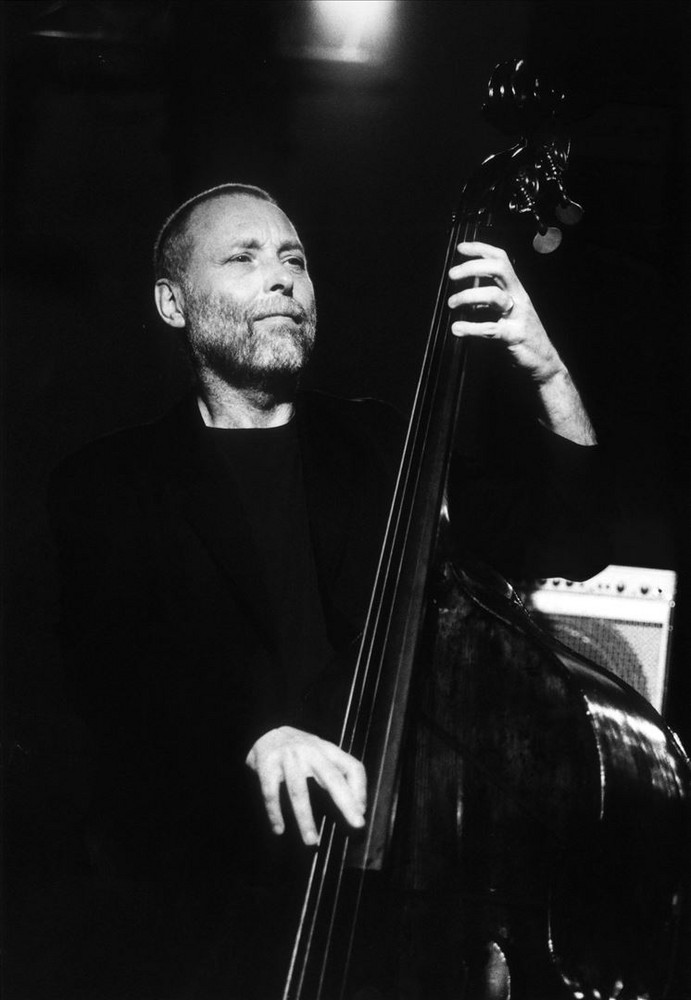
played Electric Bass on this album
Larry Youngcoming soon
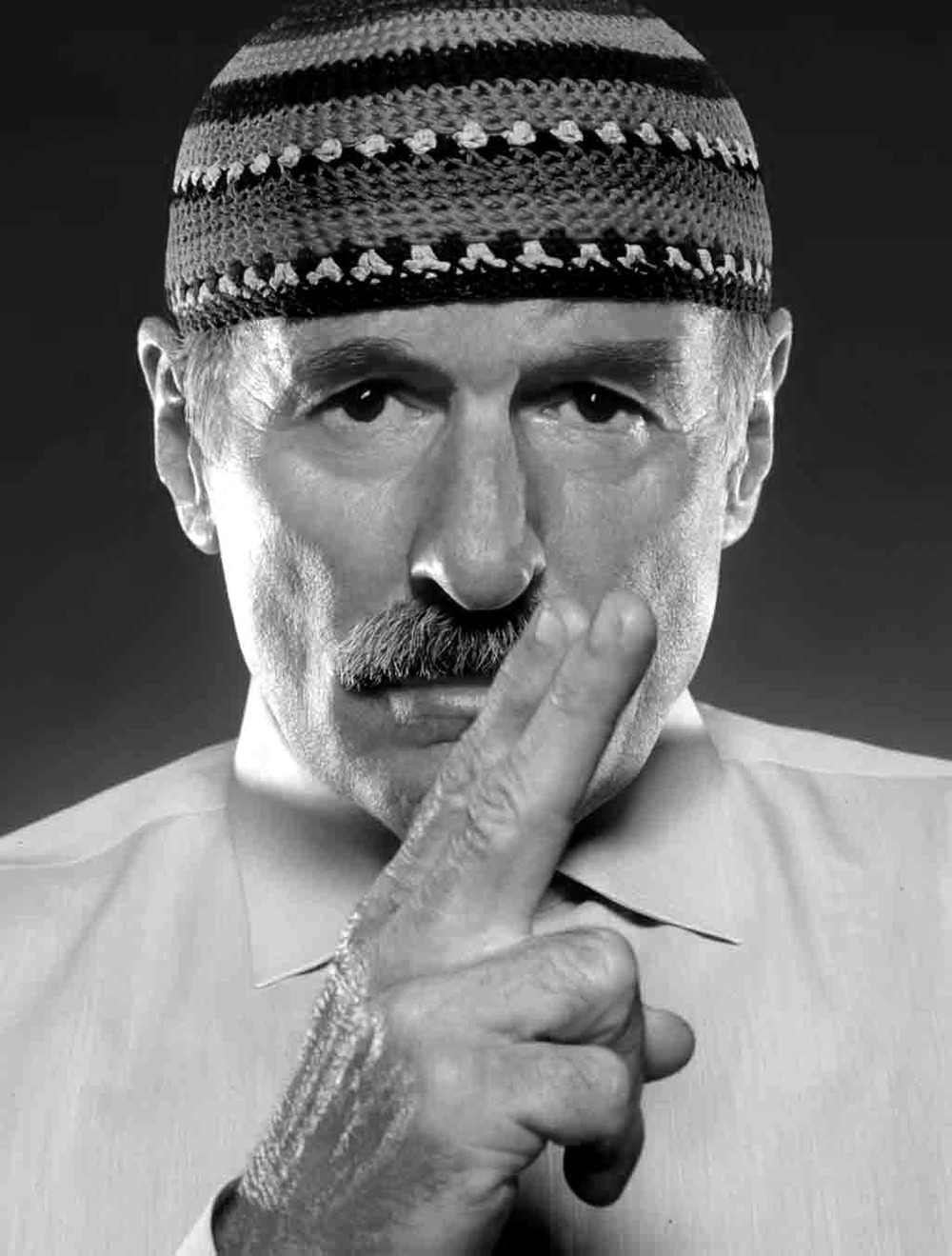
played Electric Piano on this album
Miles's 1969–70 studio experiments fused rock's rhythmic sensibility with jazz improvisation. Bitches Brew
Brazilian percussionist Airto Moreira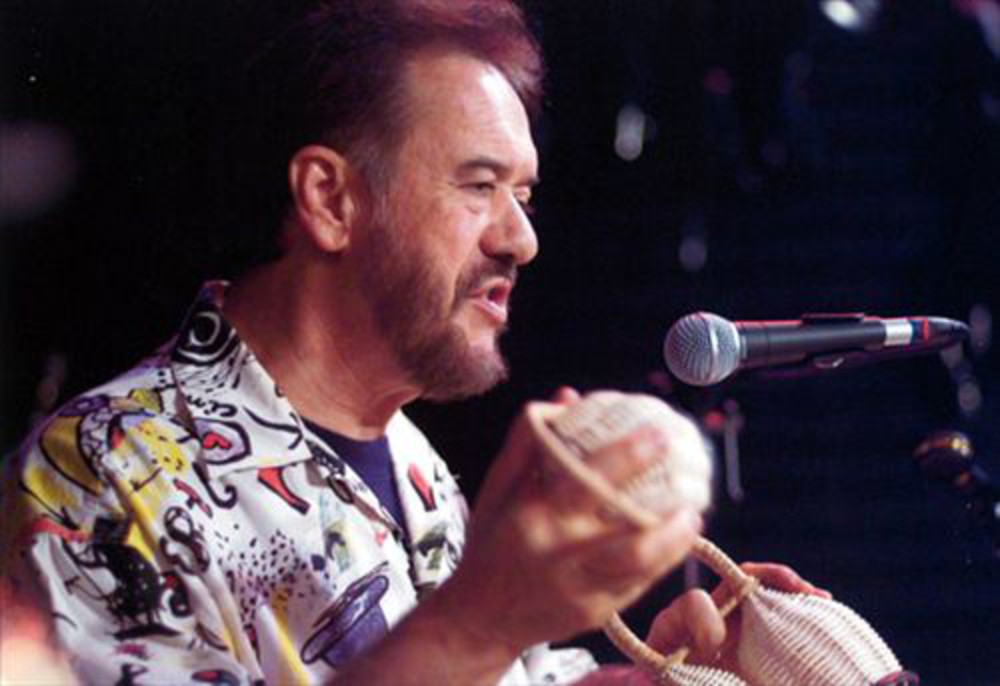
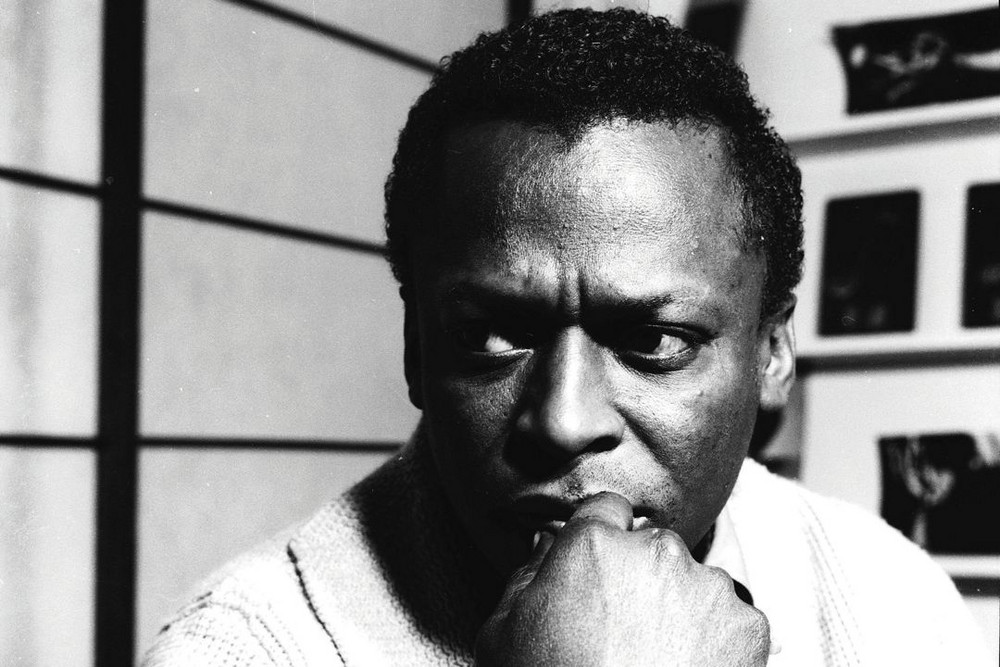
Miles Davis
New York percussionist Don Alias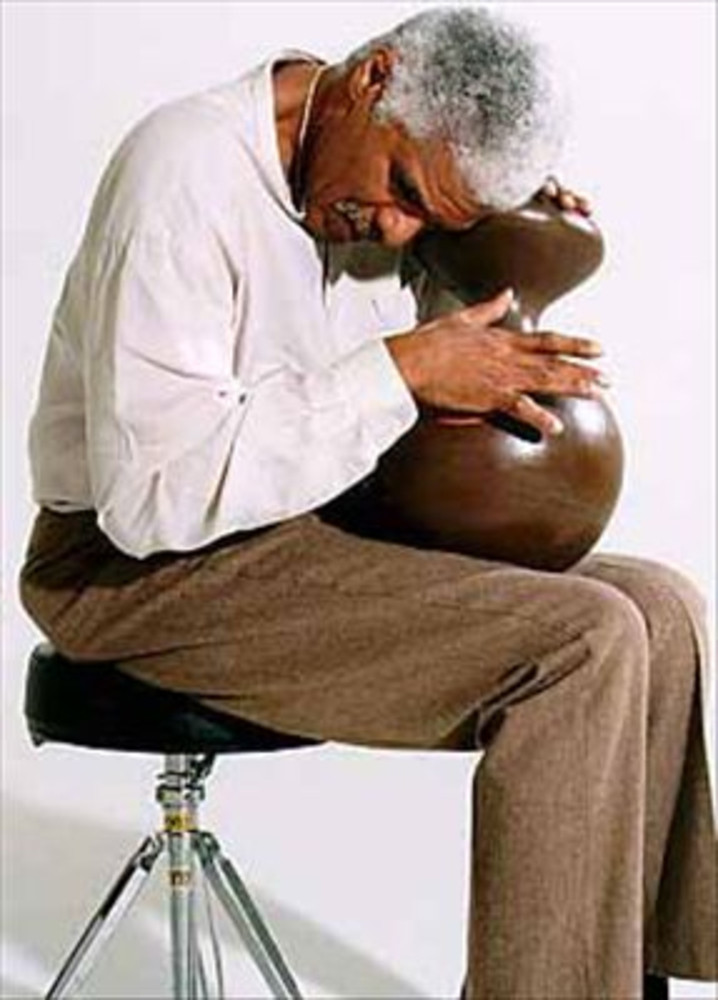
Recommended by Joe Zawinul, Airto Moreira
Just as Bitches Brew (1970) pushed Miles Davis's electric music to its peak, his own rhythm players Chick Corea and Dave Holland walked out — turning an off-hours trio into Circle, a free, near-atonal group, rather than chasing the fusion market.
The call came not from Herbie himself but from Tony Williams: Miles Davis wanted Chick Corea in Baltimore in 1968 because Herbie Hancock couldn't make the date. Corea's seat at the piano began as a one-night fill-in — and became the core of Miles's electric period.
Dave Holland and Chick Corea, who had played on Bitches Brew, walked out of Miles Davis's band at its peak. 'Dave and I could both see Miles wanted to go a different rhythmic way,' Corea said — and the way they went was not more electric fusion but the free-improv group Circle.
Chick Corea started from a single wish: to have Stanley Clarke — then a young, unknown bassist — play his tunes. After trying several drummers he ended up with percussionist Airto Moreira, and the lineup that fell together almost by accident became the first Return to Forever (1972), the record that launched Clarke.
In 1969, Miles Davis showed up to the Bitches Brew sessions with only sketches and a few bass patterns — no charts. He set the tempo in the room and, when a take wasn't right, stopped it and had the band try something else. What sounds like a fully composed suite was steered into being on the spot, drummer Jack DeJohnette recalls.
Dave Holland was an unknown young bassist playing London clubs in 1968 when Miles Davis heard him and invited him on the spot. Within days Holland had moved to New York to join the band, and by 1970 he was on Bitches Brew — one of the most influential sessions in jazz history.
In 1970, Airto Moreira laid down polyrhythmic percussion on Miles Davis's fusion landmark Bitches Brew — and that same year turned up on one of the era's gentlest folk-pop albums, built on little more than acoustic guitar and voice.
Billy Cobham's 1973 solo debut Spectrum was built to showcase fusion virtuosity, but the drum break from its track 'Stratus' went on to become one of the most sampled beats in hip-hop production. A record made for musicians' musicians quietly became load-bearing infrastructure for an entirely different genre.
Dave Holland and Jack DeJohnette first played together at a 1967 jam session in London, where Holland says it felt complete from the very first beat. Three years later both names sit in the credits of Bitches Brew (1970). The pairing was not assembled in a New York studio; it had already clicked on the other side of the Atlantic.
The electric bass on Bitches Brew (1970) belongs to an outsider: Harvey Brooks came out of rock session work, not jazz, and was doubled with Dave Holland on the date. The weight under Jack DeJohnette's drums is half the work of a hand hired from another world.
Don Alias was brought into the 1969 sessions as a percussionist. On "Miles Runs the Voodoo Down" he turned out to be the only player in the room who could lay down the New Orleans beat he had brought in, so he ended up behind the drum kit himself. The most recognizable groove on Bitches Brew (1970) is played by the man filed under percussion.
Drummer Jack DeJohnette, who played in Miles Davis's early-1970s electric bands alongside Chick Corea and Dave Holland, once said their improvising would go to "totally ecstatic" places — until Miles stepped back in and pulled everything back to a single center. The band's apparent freedom, in other words, actually orbited Miles himself.
Don Alias was brought to Bitches Brew (1970) as a percussionist, but on "Miles Runs the Voodoo Down" he is the one at the drum kit — the New Orleans-flavored beat was his idea, and the leader told him to play it himself.
In February 1969 John McLaughlin had only just landed in the United States and knew nothing of the New York scene. Within the same month he was called into the In a Silent Way sessions and told to play like a man who had never touched a guitar. A year later, on Bitches Brew (1970), his name is the title of a track.
When Lenny White played drums on Miles Davis's Bitches Brew in 1969, he was still a teenager and virtually unknown. The album that dissolved the line between jazz and rock turned out to be the session that launched his career.