Wayne Shorter's albums
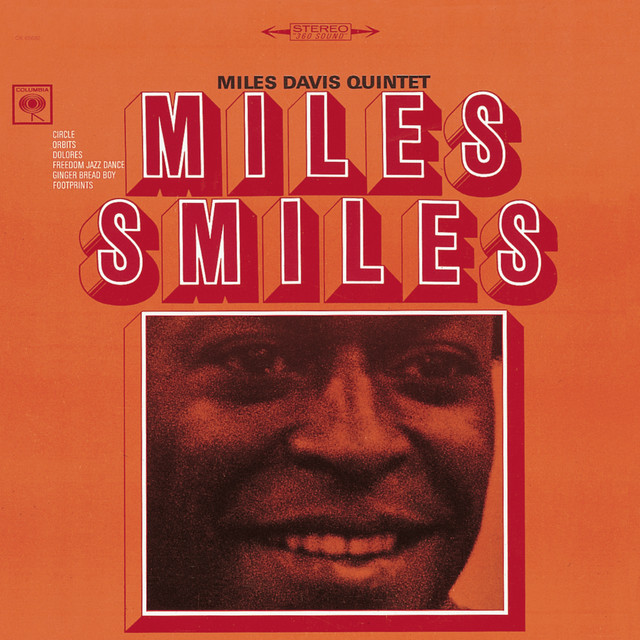
The Second Great Quintet of 1964–68. Each member had independent careers, but together they fundamentally reinvented how jazz treated time.
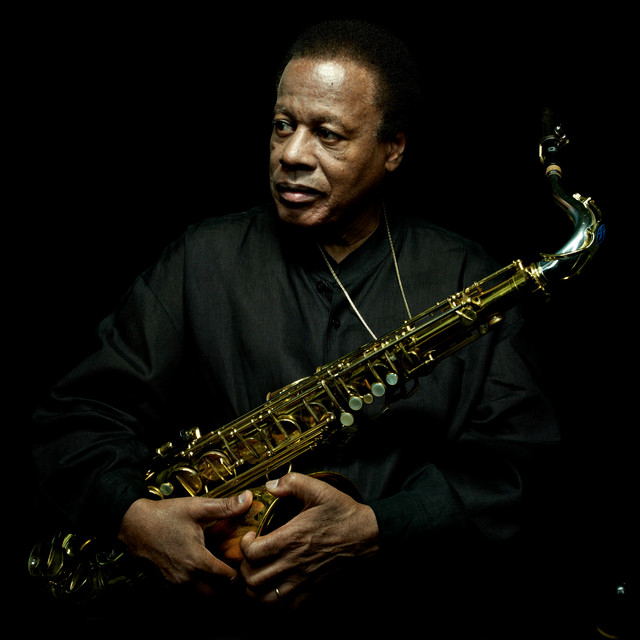
(1933–2023)
Newark, NJ, United States·New York University
Wayne Shorter (1933–2023) — Tenor Saxophone, Saxophone. Led Introducing Wayne Shorter, Night Dreamer, JuJu. Worked with Herbie Hancock, Ron Carter, Miles Davis.
One note and you know it's him — his tone is that singular. His melodies move in unpredictable directions, giving the sensation of walking through fog. He is also a genius composer, and the music he writes is continuous with the sound world he inhabits. One of the deepest figures in all of jazz.
Wayne Shorter's albums
The Second Great Quintet of 1964–68. Each member had independent careers, but together they fundamentally reinvented how jazz treated time.
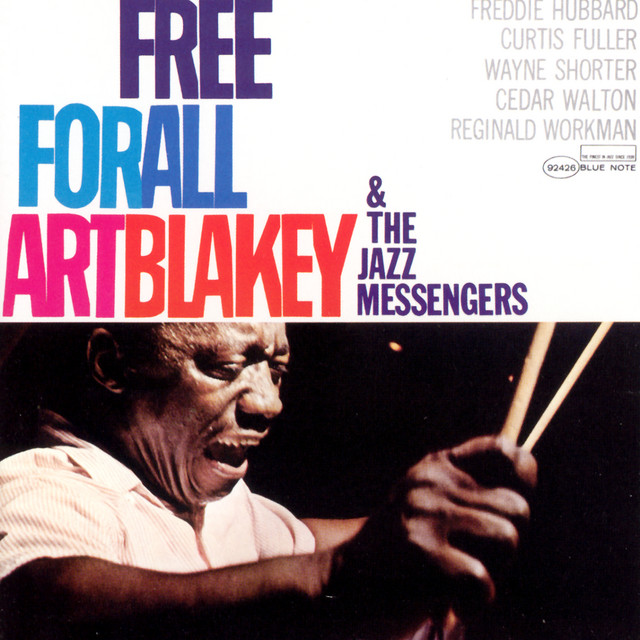
The Jazz Messengers were called a 'school.' Blakey said bringing along young people was the jazz tradition — he launched Lee Morgan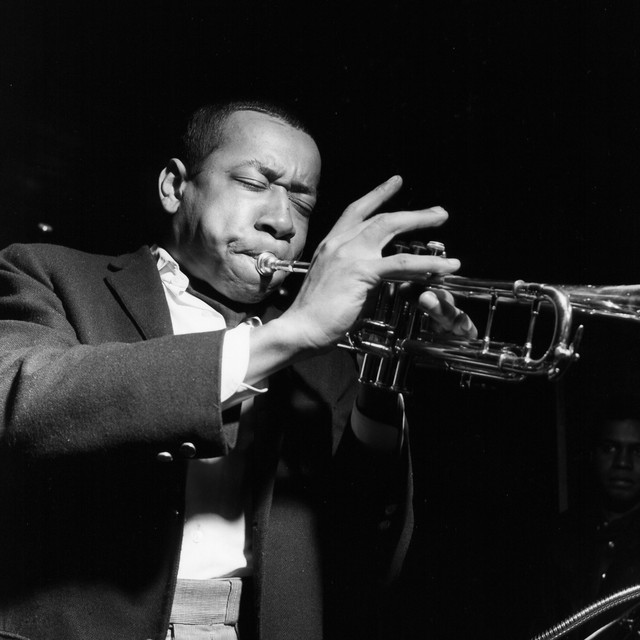
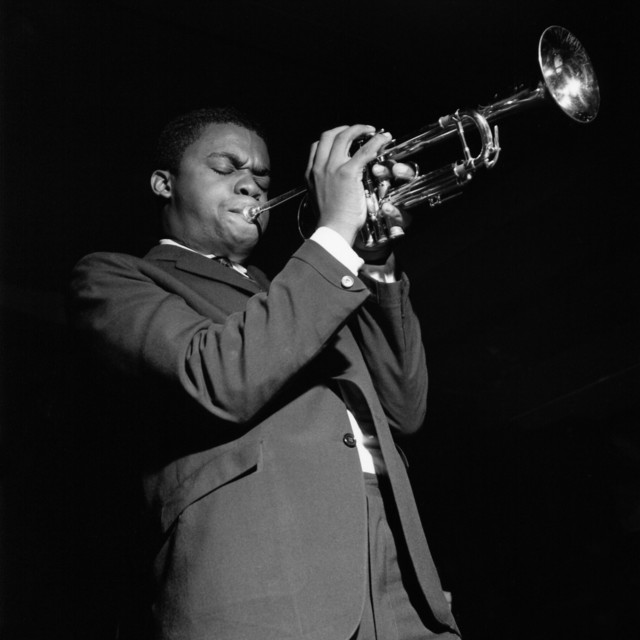
 — Art Blakey: Jazz Messenger, Leslie Gourse, 2002
Wayne Shorter's leader album
The 1964–66 Blue Note period was when Wayne Shorter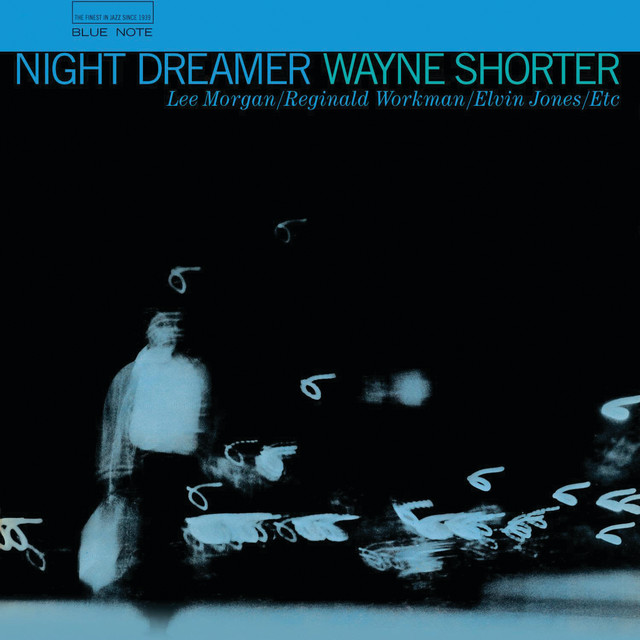
Wayne Shorter's videos
October 1967, Stockholm. One of the very few proper video documents of the Second Great Quintet. 'Agitation,' 'Footprints,' and ''Round Midnight' bleed into each other, and you can literally see how the four of them collectively own the time.
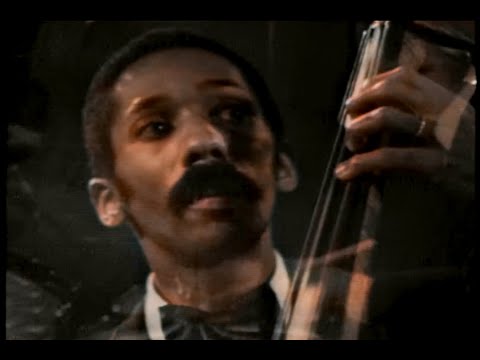 — Miles Davis Quintet — Stockholm 1967, 1967
Wayne Shorter's videos
September 1978, WDR's Rockpalast. The complete Weather Report concert during Jaco Pastorius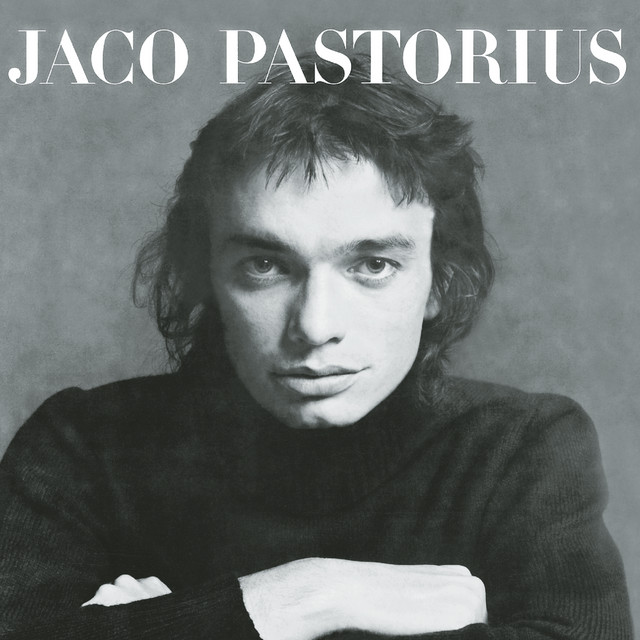
Wayne Shorter's albums
Miles Davis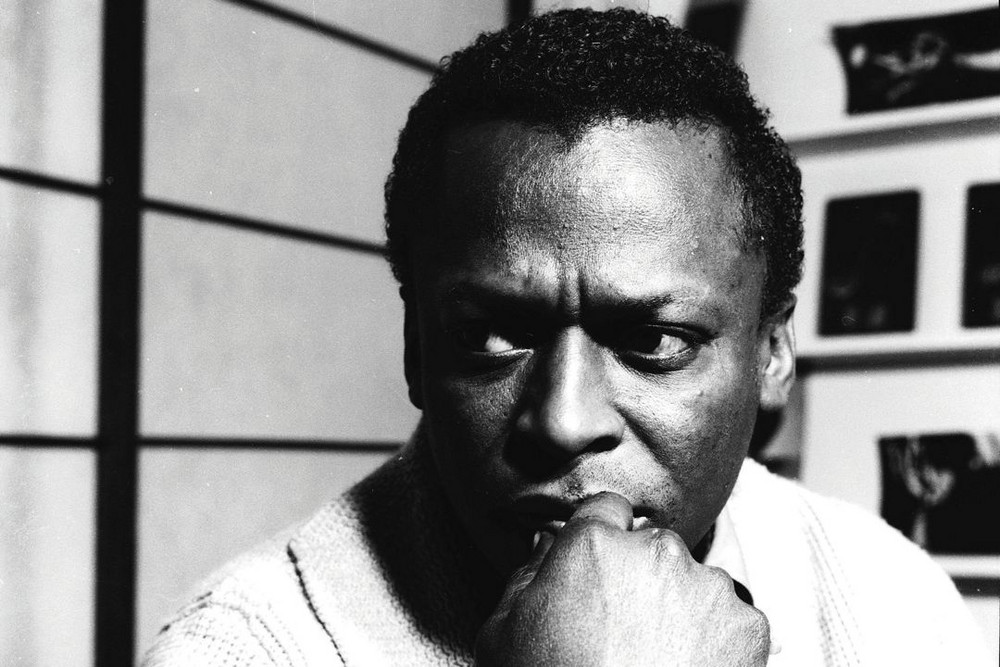
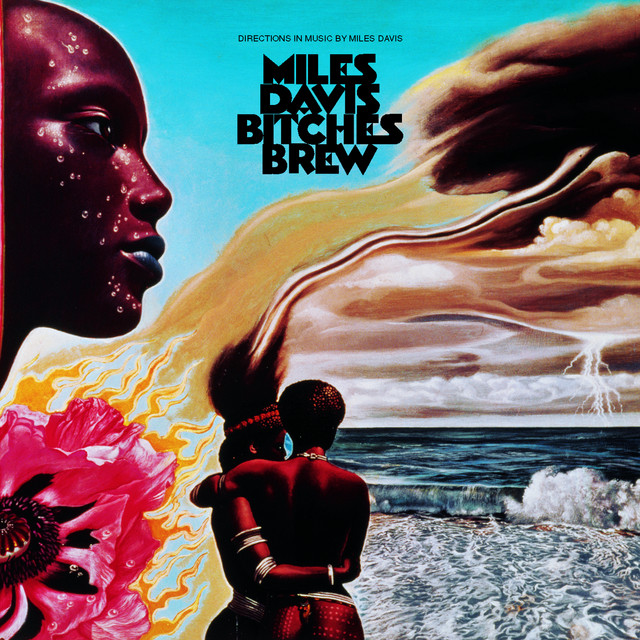
 — So What: The Life of Miles Davis, John Szwed, 2002
Wayne Shorter's leader album
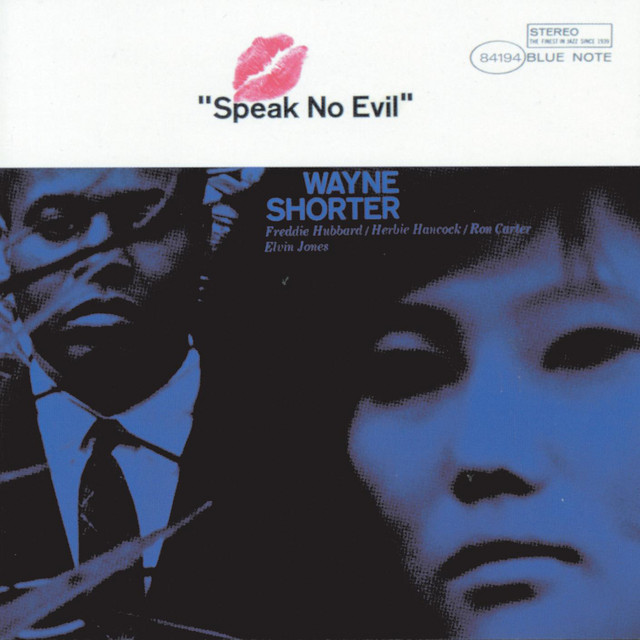
Speak No Evil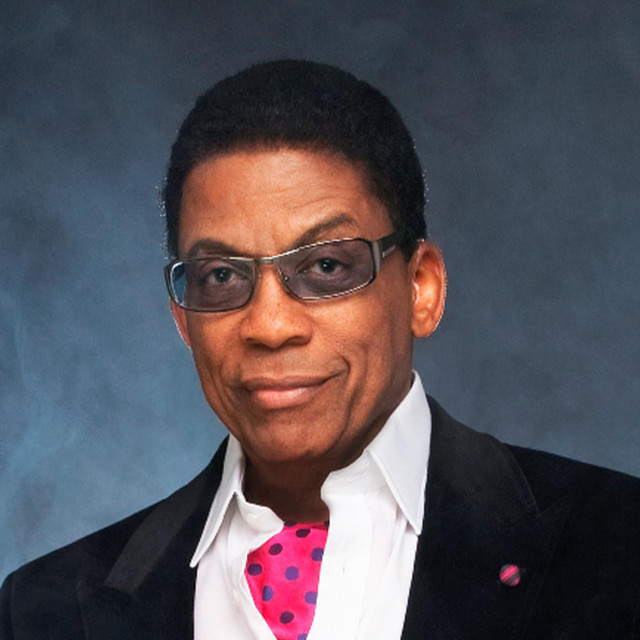
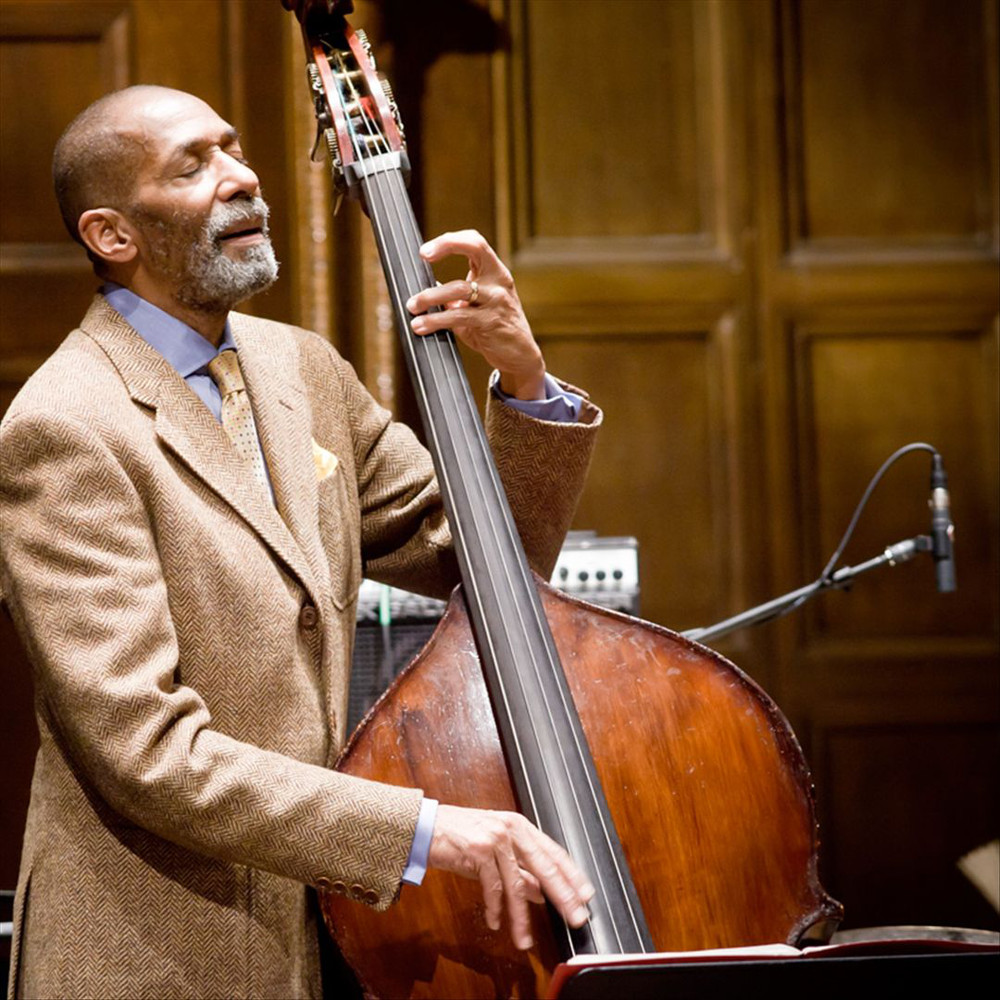
 — Footprints: The Life and Work of Wayne Shorter, Michelle Mercer, 2004
Wayne Shorter
— The Making of Steely Dan's Aja — Classic Albums
sourcedWayne Shorter said
"I write the questions. The band answers them."
Shorter's own description of his compositional style, said to Michelle Mercer about his contributions to Miles Davis's Second Great Quintet.
About Wayne Shorter
'the archbishop of players'
Miles's description of Wayne in his autobiography. The creative compass of the Second Great Quintet.

Weather Report album co-led by Wayne Shorter
Weather Report was built on the tension between Wayne Shorter
Wayne Shorter's albums
Reggie Workman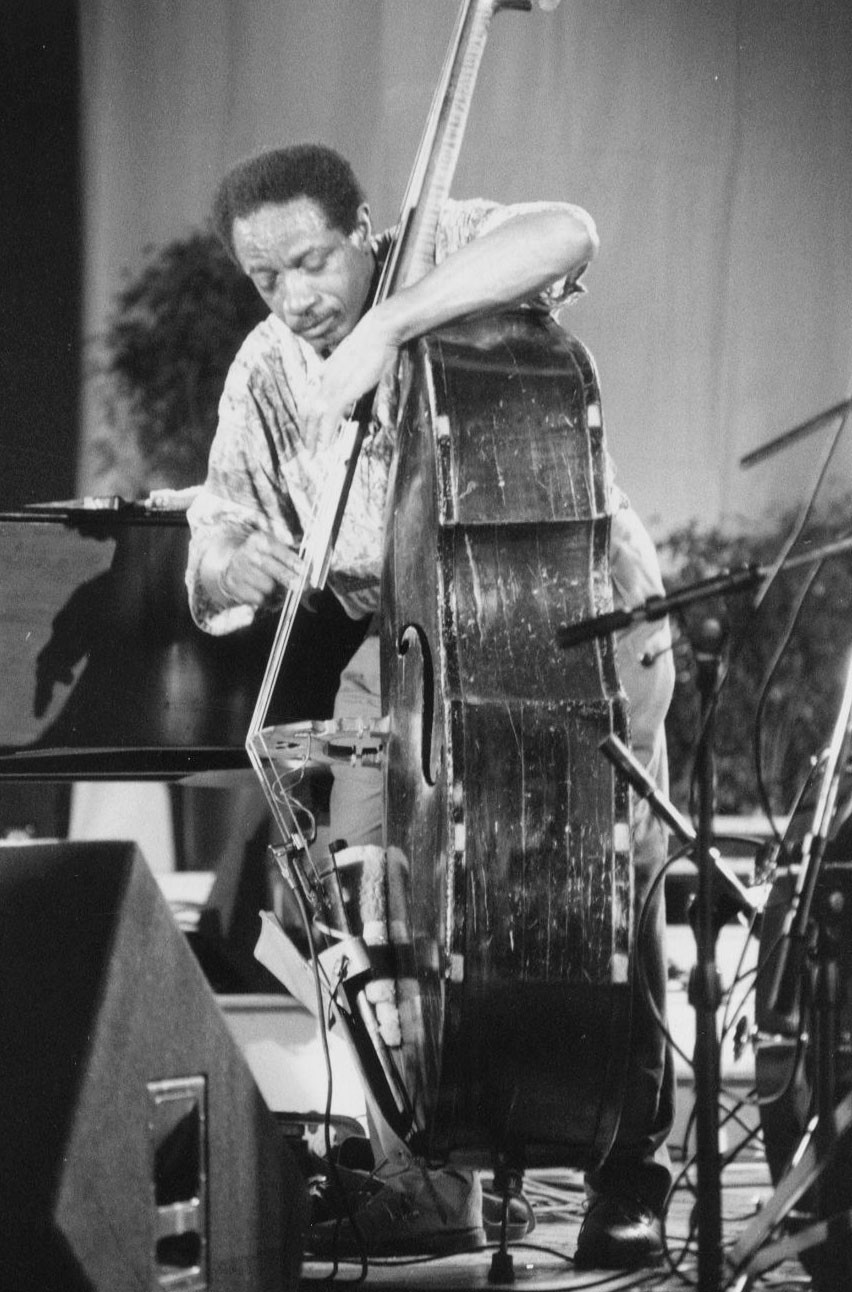
Wayne Shorter's videos
November 1959, Théâtre des Champs-Élysées, Paris. The Jazz Messengers with the Lee Morgan
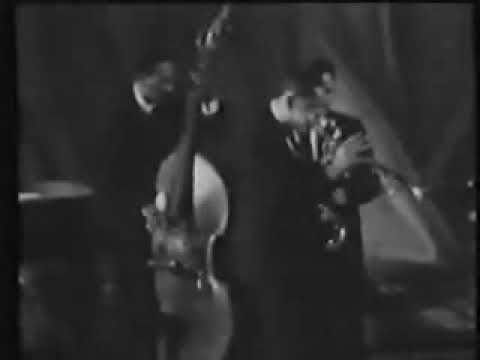 — Blakey & Jazz Messengers — Paris 1959, 1959
Wayne Shorter's videos
Branford Marsalis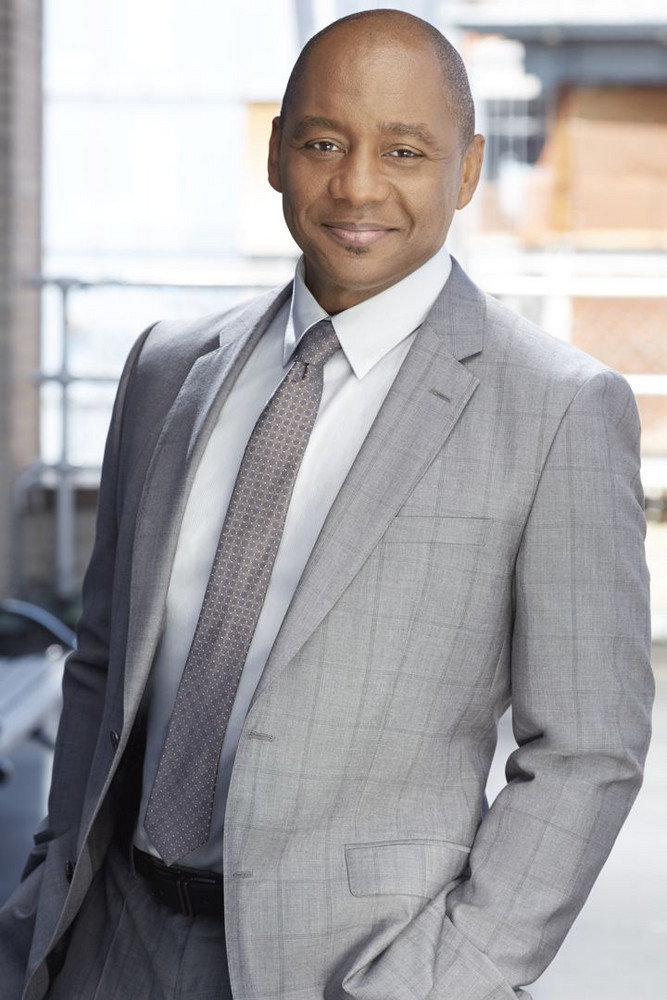
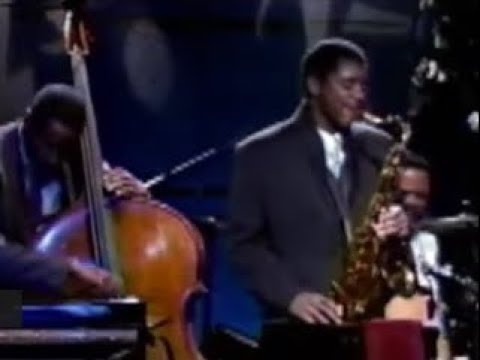 — Branford Marsalis Quartet - 'Yes Or No' Live at the Bottom Line 1989, 1989
Wayne Shorter's albums
E.S.P.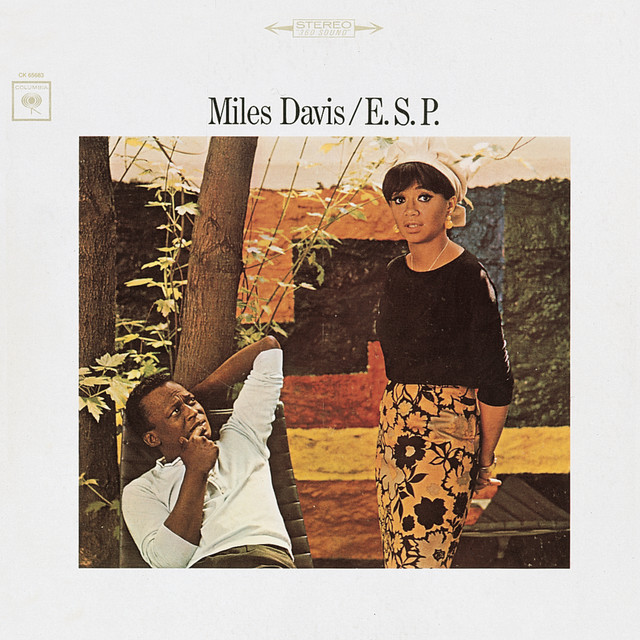
— So What: The Life of Miles Davis, John Szwed, 2002
Wayne Shorter's albums
On the title track of Nefertiti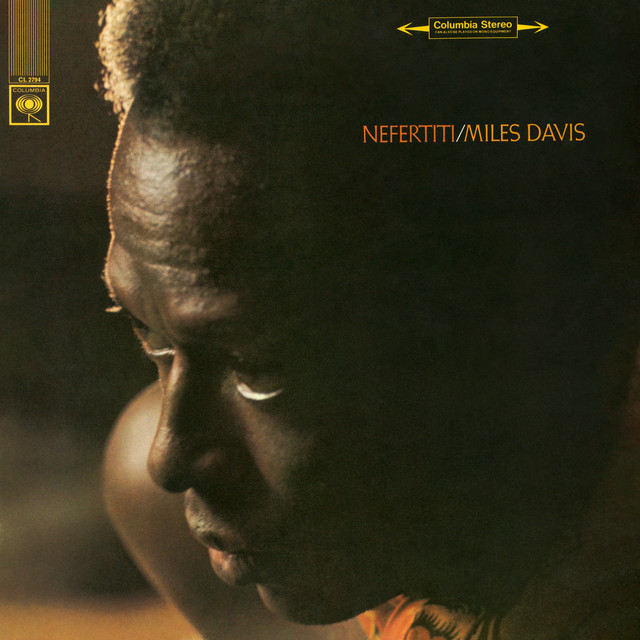
— Footprints: The Life and Work of Wayne Shorter, Michelle Mercer, 2004
Wayne Shorter's leader album
JuJu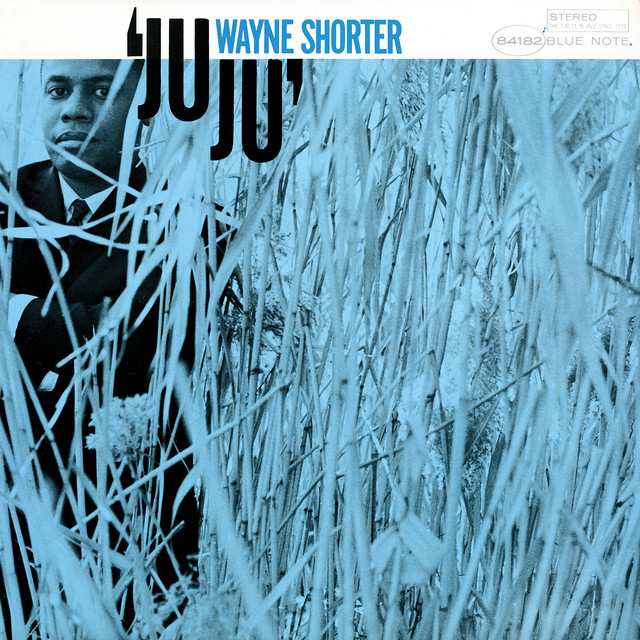
— Footprints: The Life and Work of Wayne Shorter, Michelle Mercer, 2004
Weather Report album co-led by Wayne Shorter
Weather Report (1971–86), co-founded by Wayne Shorter
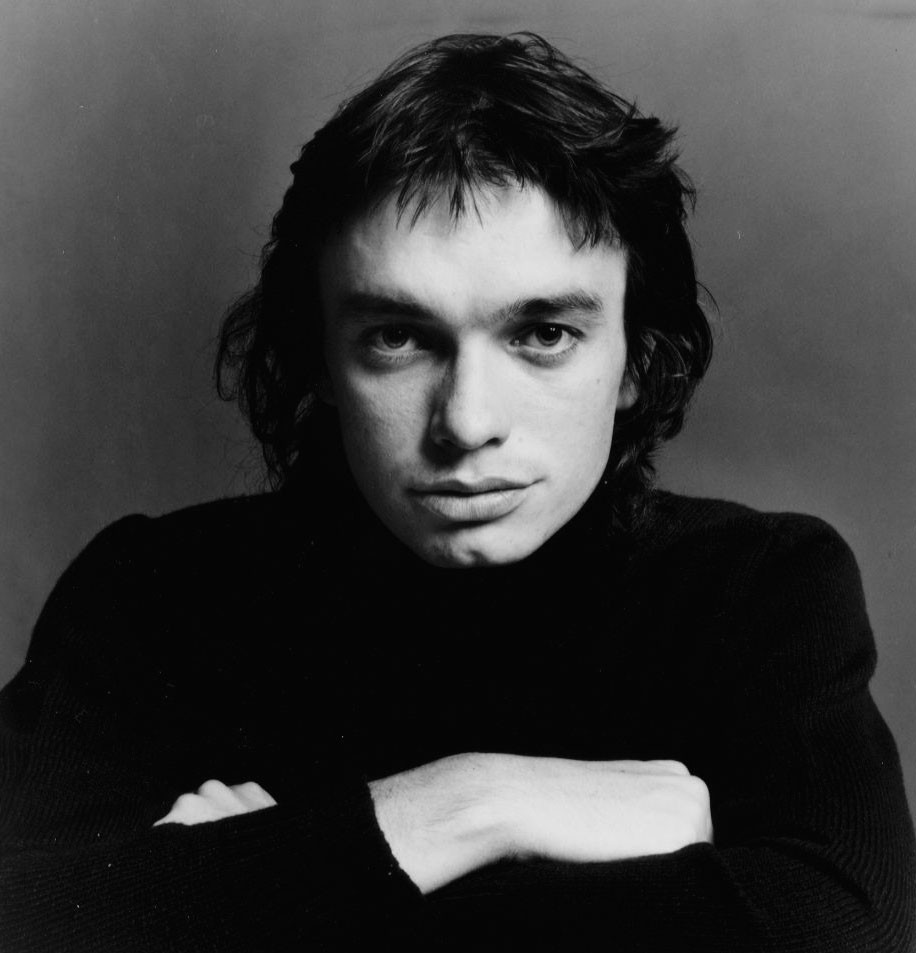
— Footprints: The Life and Work of Wayne Shorter, Michelle Mercer, 2004
Wayne Shorter's albums
Recorded in October 1961, Mosaic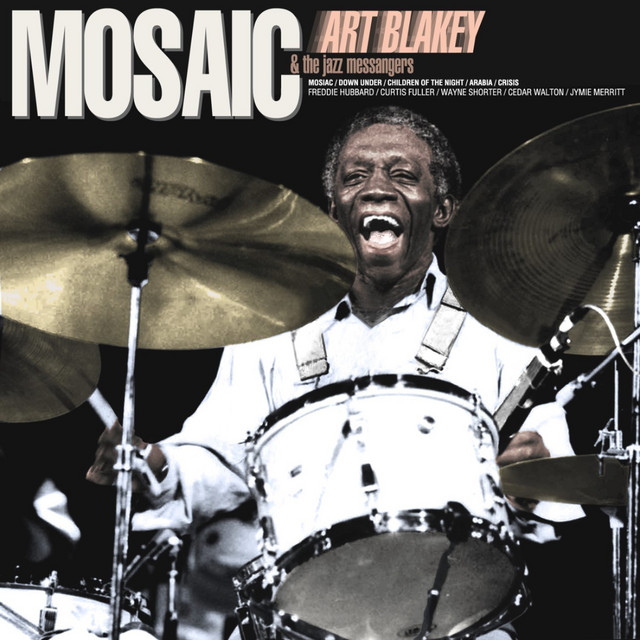
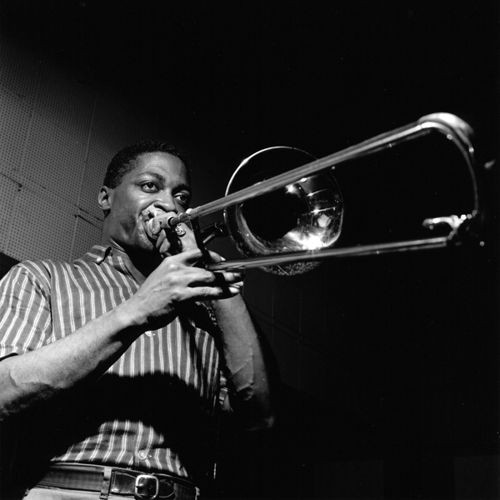
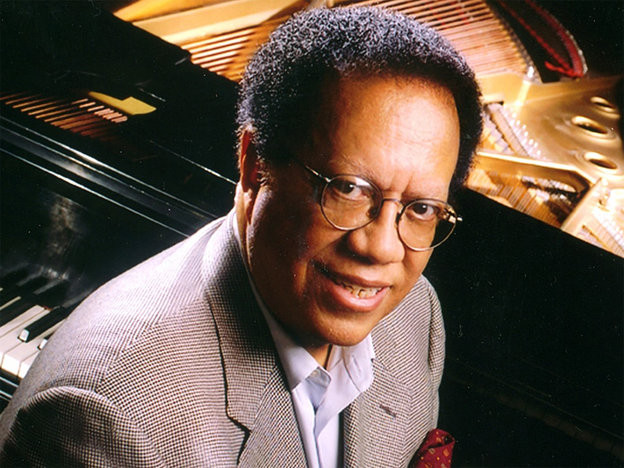
 — Blue Note Records: The Biography, Richard Cook, 2003
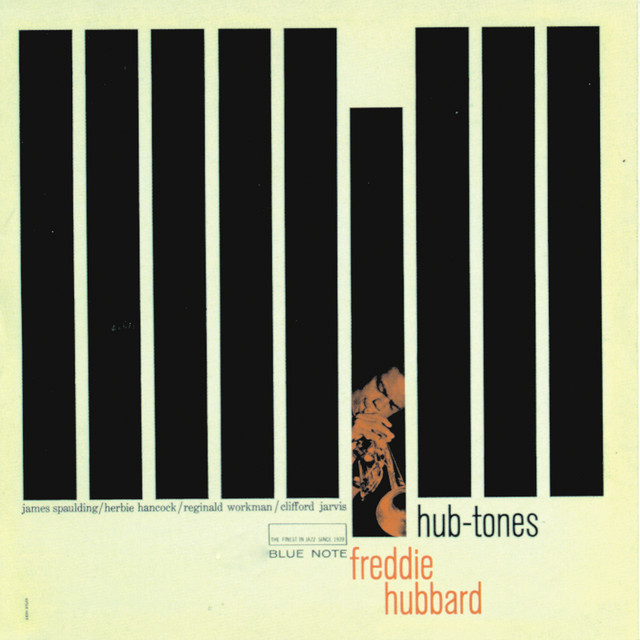
Freddie Hubbard
— Art Blakey: Jazz Messenger, Leslie Gourse, 2002
Miles Davis called Wayne Shorter
— Statement stmt-0003
"The archbishop of players" — Miles's name for Shorter
— Statement stmt-0003
"I write the questions. The band answers them." — Shorter
— Statement stmt-shorter-archbishop-context
Wayne Shorter's albums
Shorter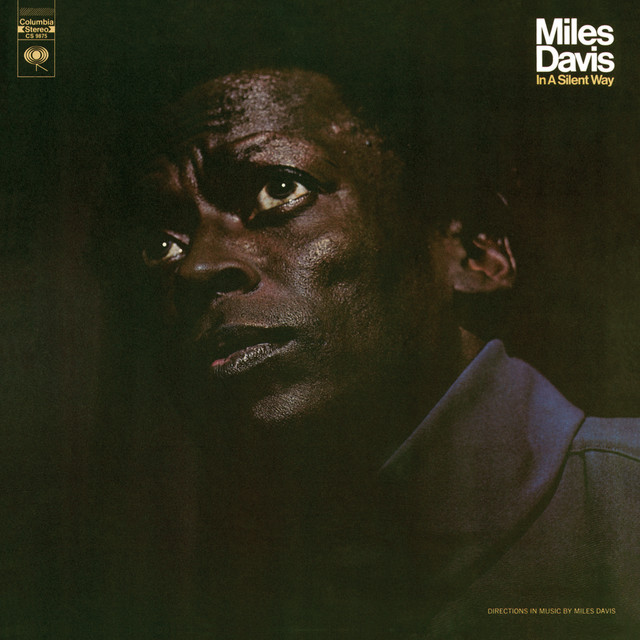
Wayne Shorter — co-leader of Weather Report and a player at the front line of jazz — takes the long tenor sax solo on the title track of Steely Dan's meticulously built pop album Aja (1977). Called into a world not his own, he carried the song off in a single pass.
— Statement stmt-0003
Wayne Shorter's albums
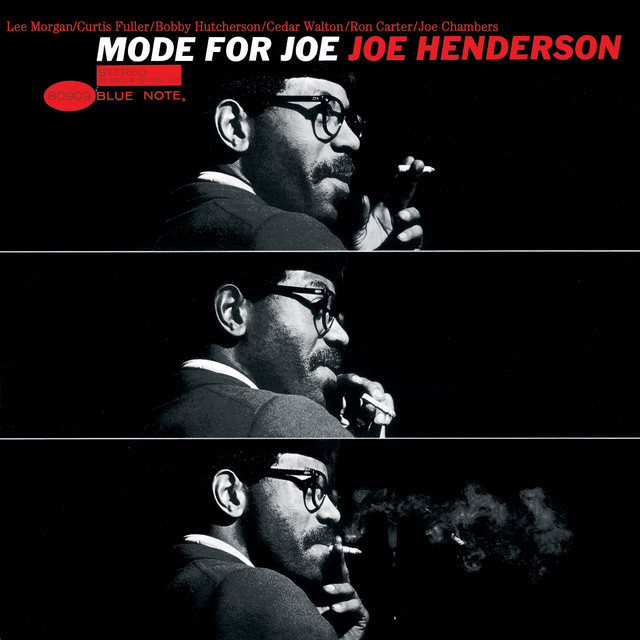
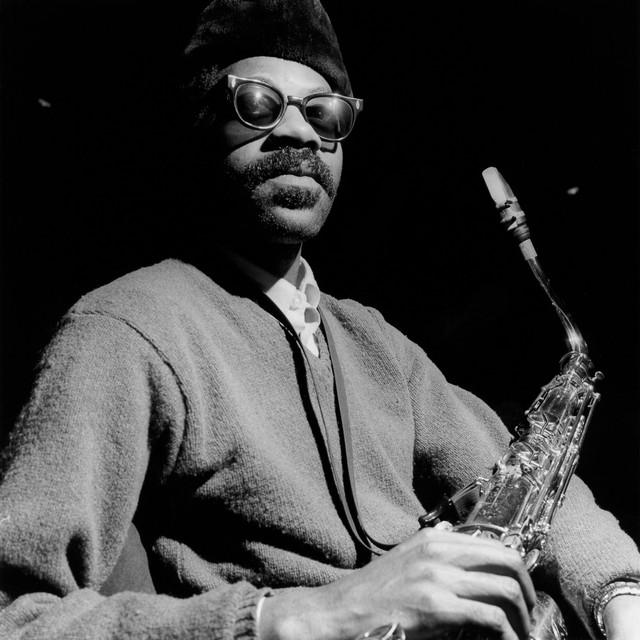
For years the received ranking of Blue Note's tenors put Wayne Shorter on top. But drummer Joe Chambers, who was in the room, remembered it differently: 'Joe and Wayne were equal talents — Joe just had more soul.'
— Statement stmt-joe-chambers-on-joe-henderson
Wayne Shorter's albums
In 1961, pianist Cedar Walton brought his new composition "Mosaic" to a rehearsal with Art Blakey's Jazz Messengers. He later said the horn players—Freddie Hubbard, Curtis Fuller, and Wayne Shorter—devoured the tune "like eating cornflakes," playing it better than he could himself.
— Statement stmt-cedar-walton-on-freddie-hubbard
About Wayne Shorter
Wayne was a very quiet person, but he wrote great lines and had a great sense of harmonic direction. And Herbie was starting to explore not so much new chord voicings, but places to play these new sounds.
Recalling his bandmates during his 1960s tenure in the Miles Davis Quintet.
About Wayne Shorter
He was a unique genius, a master improviser, 100% original composer but an original that had come through the most incredible tradition of the music and kept moving forward, just as Miles Davis did.
Answering a question about whether jazz has lost its great personalities, describing Wayne Shorter.
About Wayne Shorter
And those guys, Freddie Hubbard, Curtis Fuller and Wayne Shorter, they ate it up like it was Post Toasties. They played it better than I could.
On bringing his tune "Mosaic" to an Art Blakey Jazz Messengers rehearsal.
About Wayne Shorter
Joe and Wayne are equal talents as far as I'm concerned, but Joe played with more soul.
Comparing Henderson with Wayne Shorter while recalling his Blue Note years.
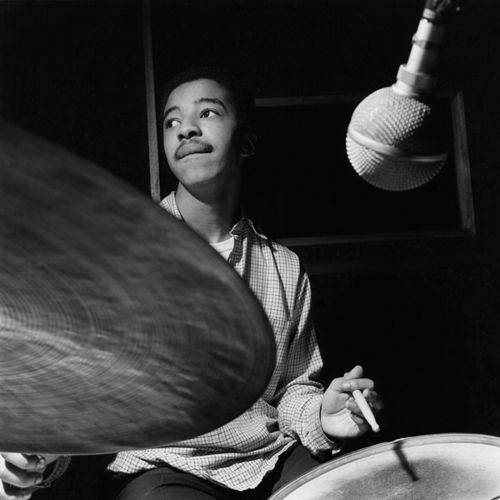 Tony Williams
 Chick Corea
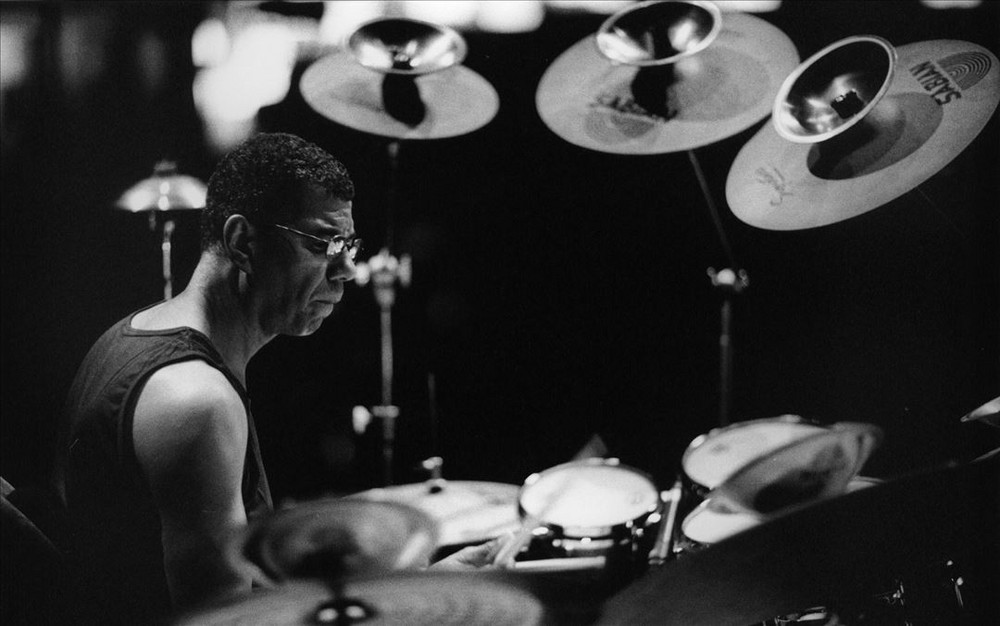 Jack DeJohnette
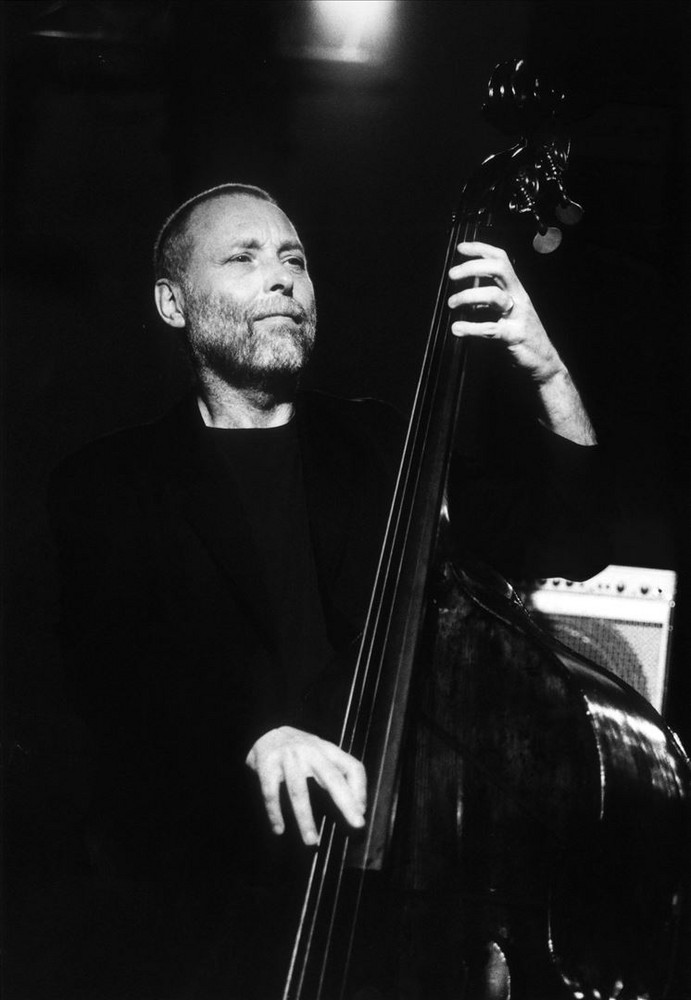 Dave Holland
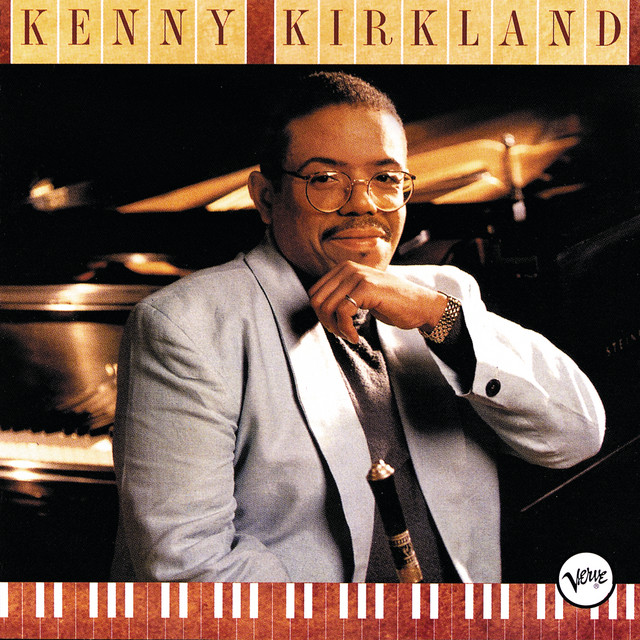 Kenny Kirkland
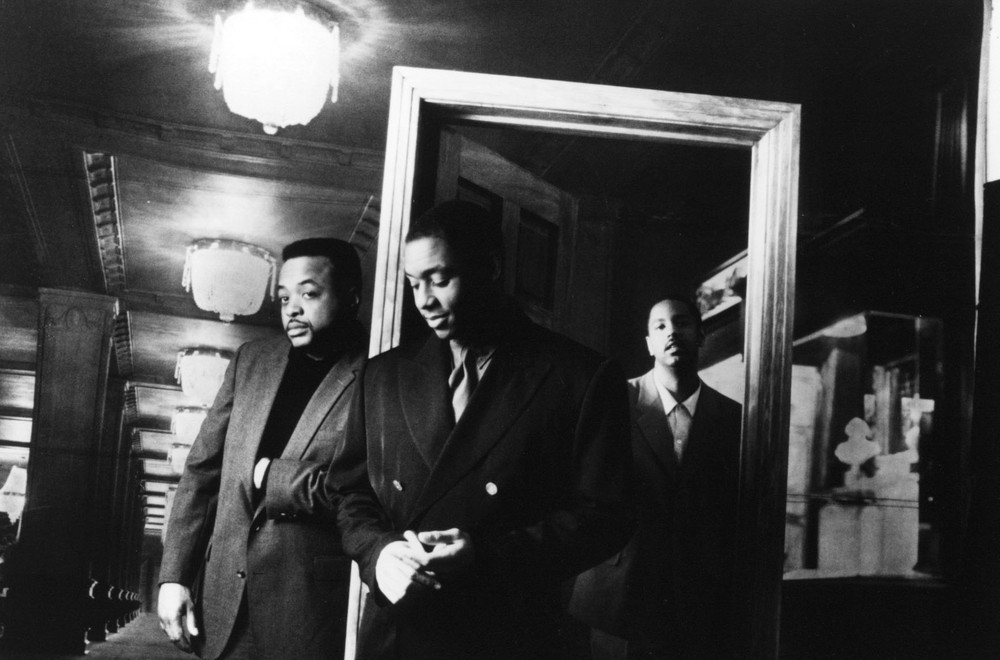 Jeff "Tain" Watts

 Joe Henderson