Wynton Marsalis's leader album
Black Codes (From the Underground)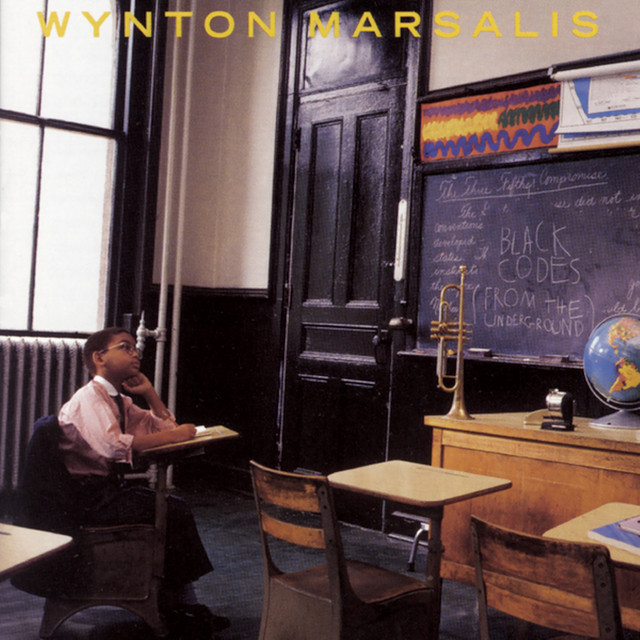

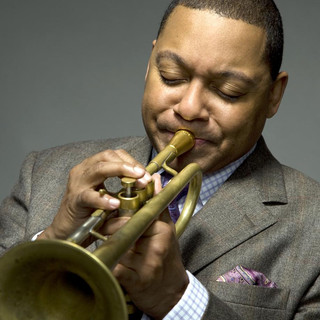
(1961–)
New Orleans, LA, United States·The Juilliard School
Wynton Marsalis (b. 1961) — Trumpet, Flugelhorn. Led Wynton Marsalis, Black Codes (From the Underground), Thick In The South (Soul Gestures In Southern Blue, Vol. 1). Worked with Branford Marsalis, Jeff "Tain" Watts, Art Blakey.
Artistic director of the Jazz at Lincoln Center Orchestra. The only musician to win Grammys in both classical and jazz categories. A standard-bearer for the traditional jazz vocabulary in the present, and one of the most prolific mentors of his generation.
Wynton Marsalis's leader album
Black Codes (From the Underground)
Wynton Marsalis's videos
Full Wynton Marsalis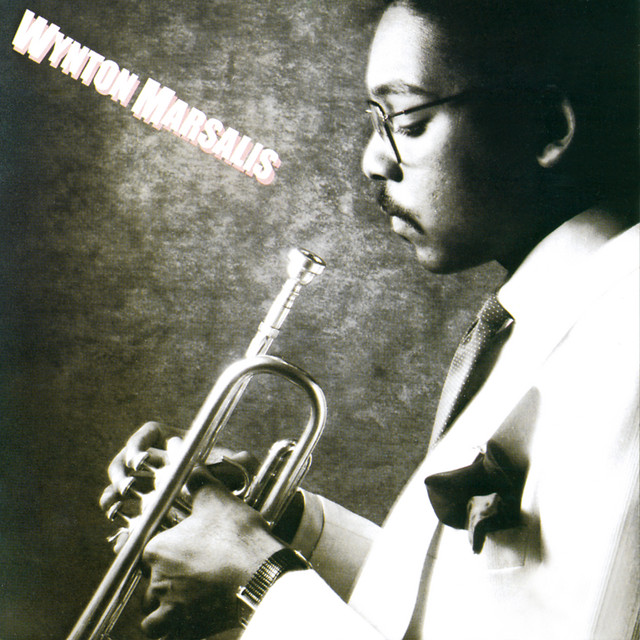
In 1994, Branford Marsalis
In 1997, Wynton Marsalis
In 1999, Jeff "Tain" Watts
Charnett Moffett
Wynton Marsalis's albums
In 1982, when Wynton asked his brother Branford who he knew for a new band, the answer was: call Kenny Kirkland, and put Jeff "Tain" Watts on drums. Watts was an unknown Berklee student at the time; that single recommendation set the entire rhythm section of Wynton's 1980s quartet and put both men on the map.
— Statement stmt-branford-marsalis-on-kenny-kirkland
Wynton Marsalis's albums
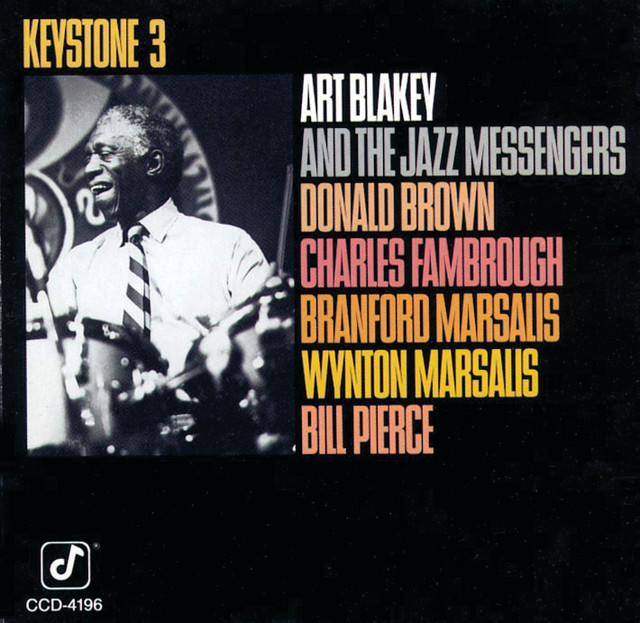
Wynton Marsalis joined Art Blakey's band as a teenager without having heard a single Blakey record — just playing scales over the chords, not yet knowing that a solo is something you construct, as he admitted at twenty-two. That was the starting point of the man later cast as jazz's traditionalist-in-chief.
— Statement stmt-wynton-marsalis-on-art-blakey
Wynton Marsalis's albums
Stung around age 20 by critics who called him soulless, Wynton Marsalis later waved off comparisons to Miles Davis: don't, he said — Miles came up in blues bands, and he hadn't. The standard-bearer of the tradition conceding he lacked the older man's blues roots.
— Statement stmt-wynton-marsalis-on-miles-davis
Wynton Marsalis's albums
When Kenny Kirkland died suddenly in 1998, a reporter told Branford Marsalis he was 'reconsidering Wynton's band.' Branford cut him off: the pianist had been a name in the small print while alive — and only in death was he worth a second look?
— Statement stmt-branford-marsalis-on-kenny-kirkland-3
Wynton Marsalis's leader album
Wynton Marsalis's 1985 album Black Codes (From the Underground) is known for its tight ensemble unison, but Branford Marsalis later recalled that only Wynton actually rehearsed — the band itself barely ran through the material together.
— Statement stmt-branford-marsalis-on-wynton-marsalis
Wynton Marsalis's leader album
In 1984, Wynton Marsalis — already a rising star — called his quintet's pianist Kenny Kirkland and drummer Jeff 'Tain' Watts the best young players on the scene, yet completely unrecognized. The spotlight stayed on the leader; the sidemen he rated above himself remained unknown.
— Statement stmt-wynton-marsalis-on-kenny-kirkland
Wynton Marsalis's leader album
In the early 1980s, Wynton Marsalis said his quintet's arrangements weren't dictated by the bandleader: whatever chord Kenny Kirkland played became the chord of the tune, and whatever beat Jeff 'Tain' Watts played became its meter.
— Statement stmt-wynton-marsalis-on-kenny-kirkland-2
Wynton Marsalis said
I'm embarrassed to admit it, but when I joined Art Blakey's band, I hadn't even listened to Art Blakey's records. I was just playing scales on chords - I didn't know you were supposed to construct a solo.
In 1984, at 22, looking back on joining Art Blakey's band as a teenager.
Wynton Marsalis said
I love my band. Kenny Kirkland and Jeff Watts are the greatest young musicians on the scene, and they get no credit.
In 1984, on his own quintet with Kenny Kirkland and Jeff Watts.
Wynton Marsalis said
Whatever chord Kenny plays, that's what chord it is. If Jeff plays a certain beat, the piece becomes in that time.
In 1984, explaining how his band improvises, using Kirkland and Watts as the example.
Wynton Marsalis said
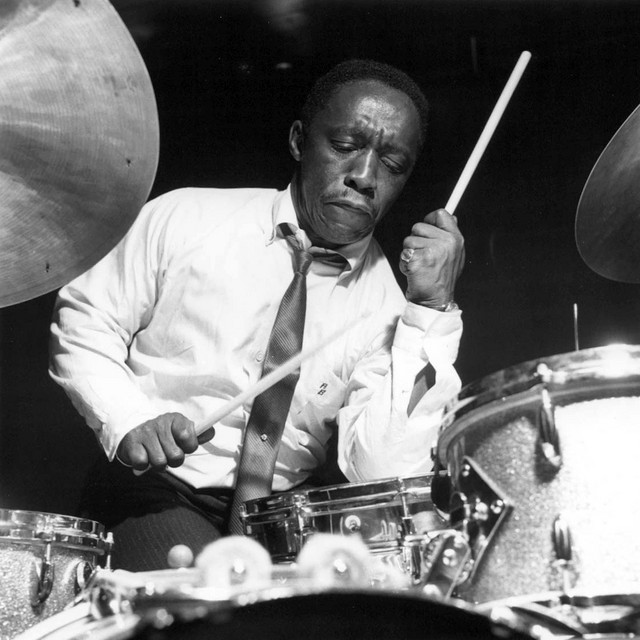
I saw that with Art Blakey. He might not have children, but he was a paternalistic person.
In 1991, while describing his own life on the road as a family man.
Wynton Marsalis said
You don't compare my playing to Miles Davis or Louis Armstrong. They grew up playing in blues bands.
In 1991, looking back on early reviews that said he played without soul.
About Wynton Marsalis
Call Kenny Kirkland, man. Jeff Tain Watts should be the drummer.
Recalling what he told his brother Wynton in 1982, when Wynton was forming his first band and asked whom he knew.
About Wynton Marsalis
So, now Kenny's dead y'all wanna rethink the band. You guys are idiots, man.
His reply to a jazz writer who, at the Requiem session just after Kirkland's death, said critics were starting to rethink the Wynton Marsalis band.
About Wynton Marsalis
I mean we didn't practice. Wynton was the only guy that really practiced.
Listening back to the Wynton Marsalis quintet's Black Codes (From the Underground) and judging how unprepared the band had been.
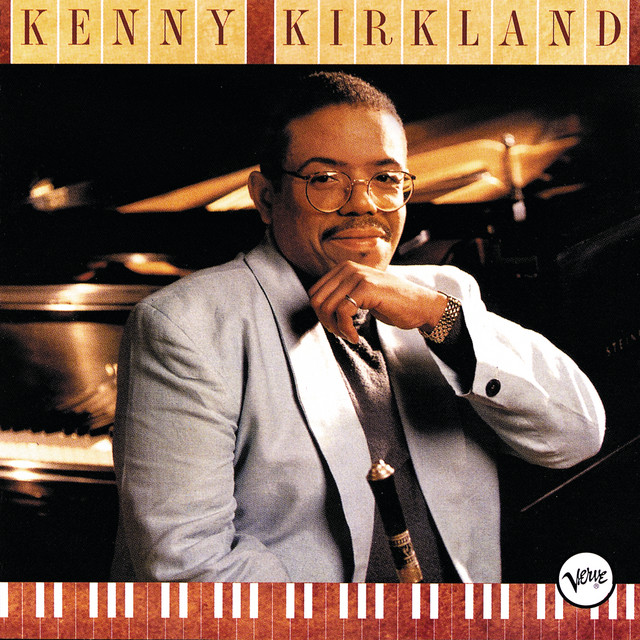 Kenny Kirkland
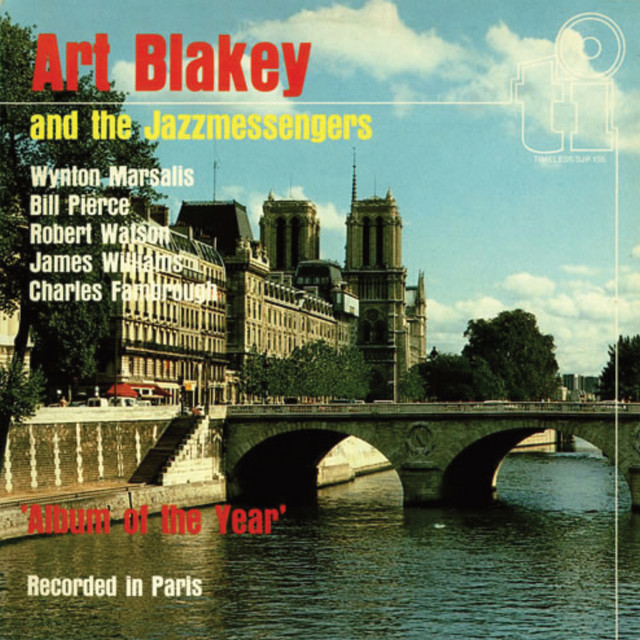
 Art Blakey
 Miles Davis