Dave Holland's albums
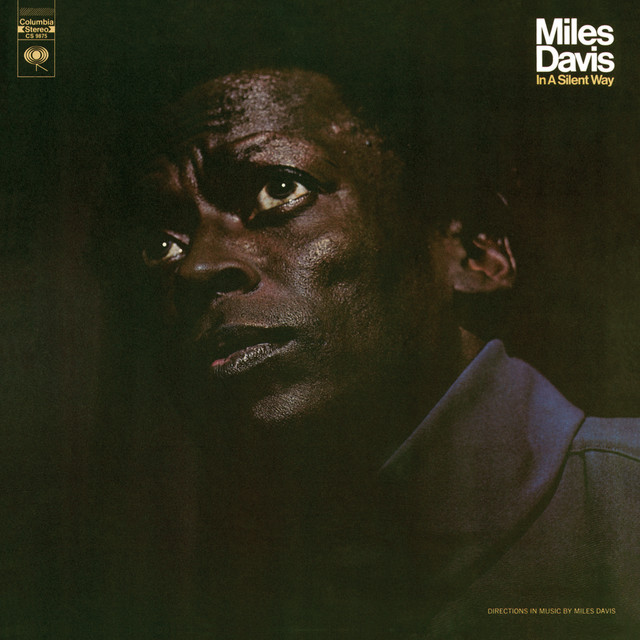
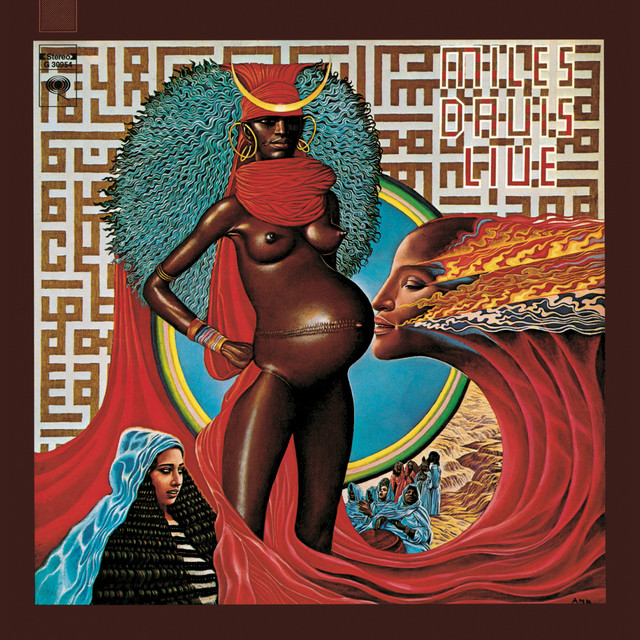
Miles's 1969–70 studio experiments fused rock's rhythmic sensibility with jazz improvisation. Bitches Brew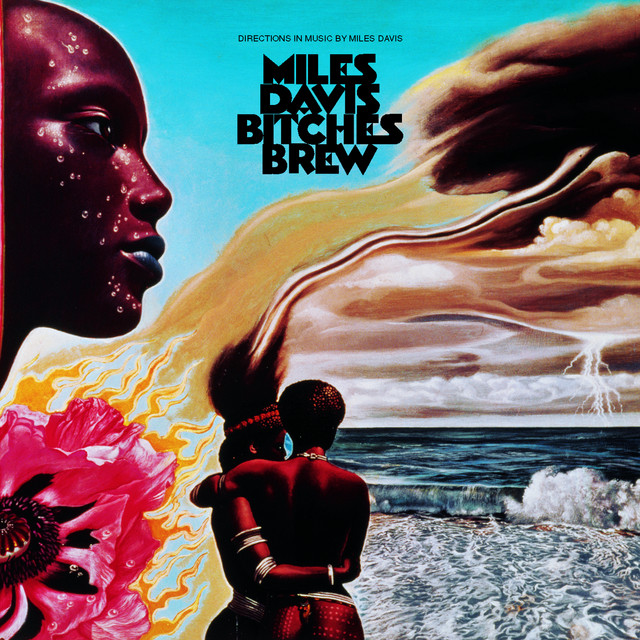
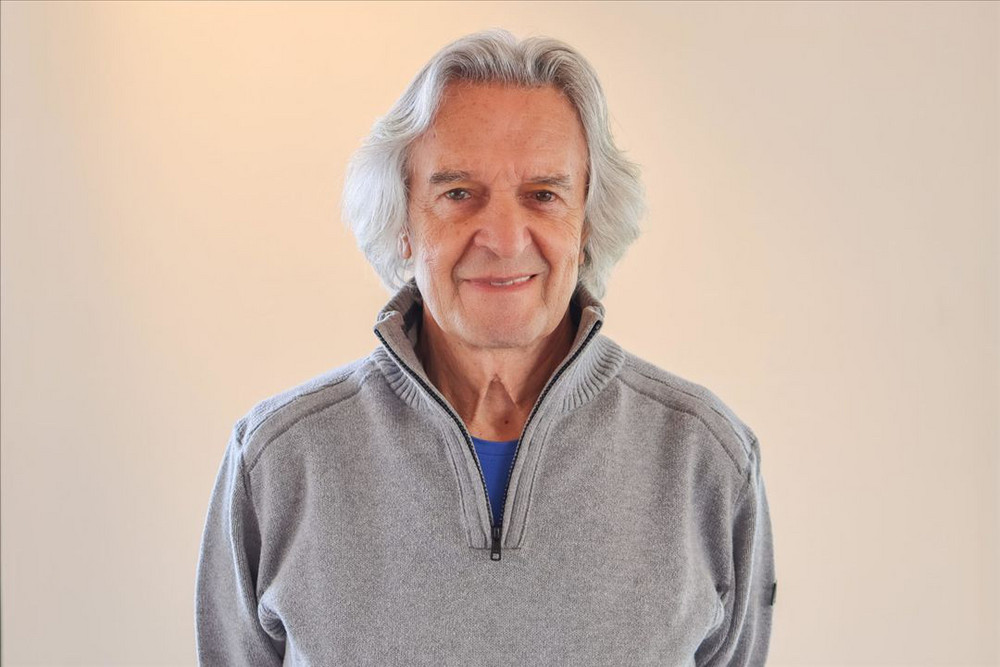
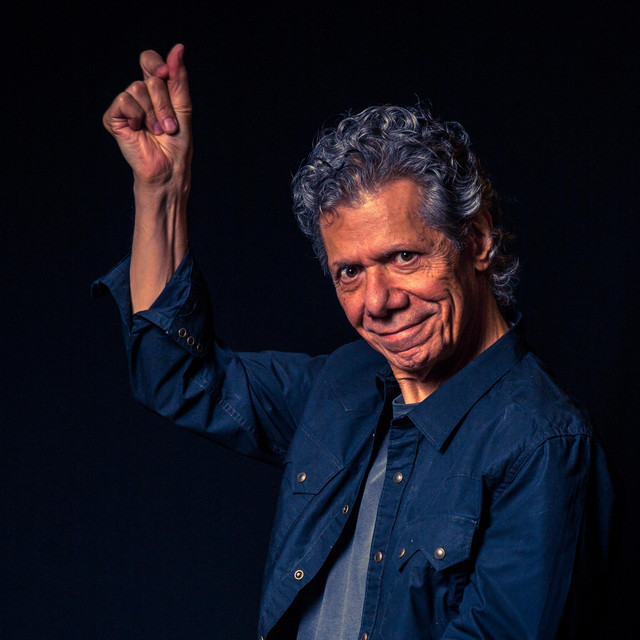
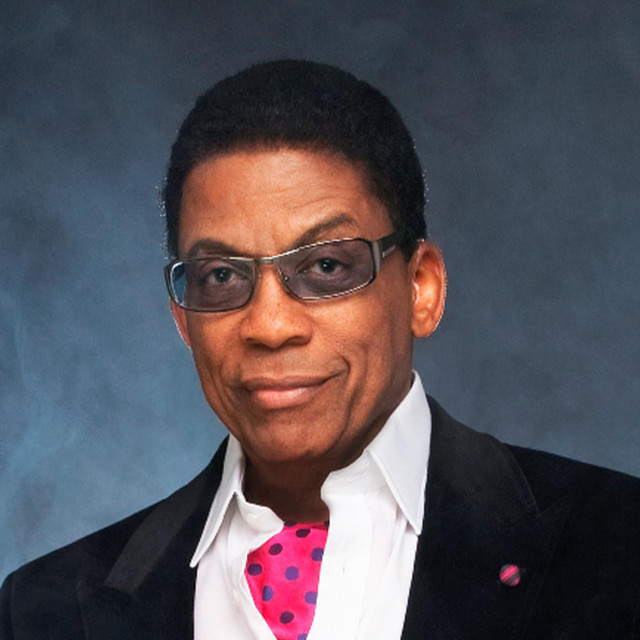
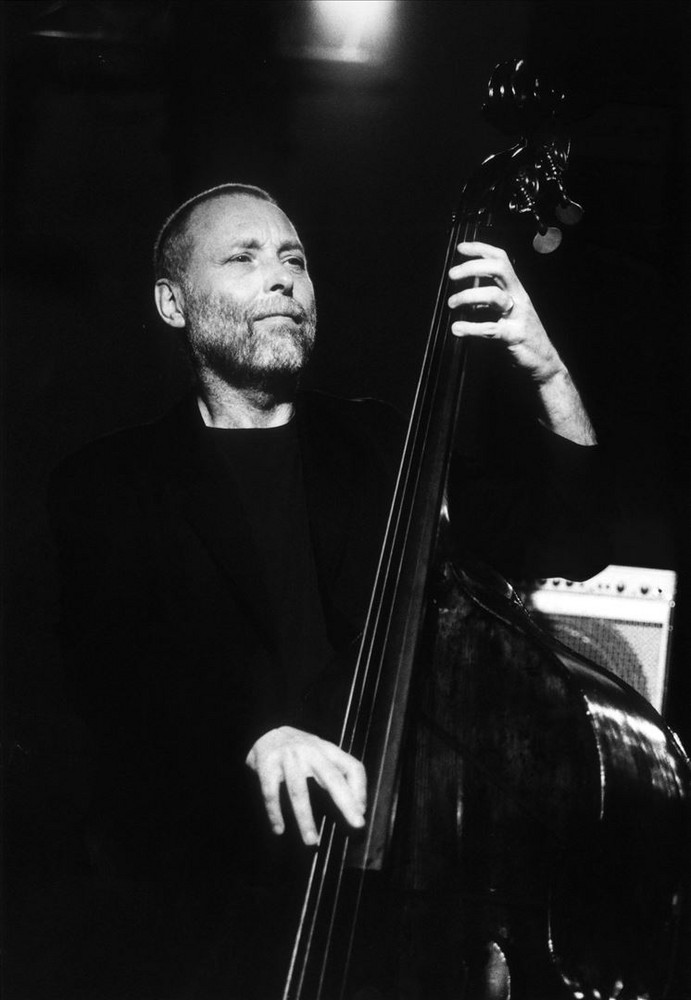
(1946–)
United Kingdom
Dave Holland (b. 1946) — Double Bass, Electric Bass. Led Triplicate, Extensions, Prime Directive. Worked with Jack DeJohnette, Chick Corea, Steve Coleman.
Born in England, summoned to America by Miles Davis, Holland played on Bitches Brew and never looked back. His acoustic bass tone is big and assured, and as a leader he consistently gave platforms to young talent. Dependable, but never without adventure.
Dave Holland's albums
Miles's 1969–70 studio experiments fused rock's rhythmic sensibility with jazz improvisation. Bitches Brew
Dave Holland's albums
Miles Davis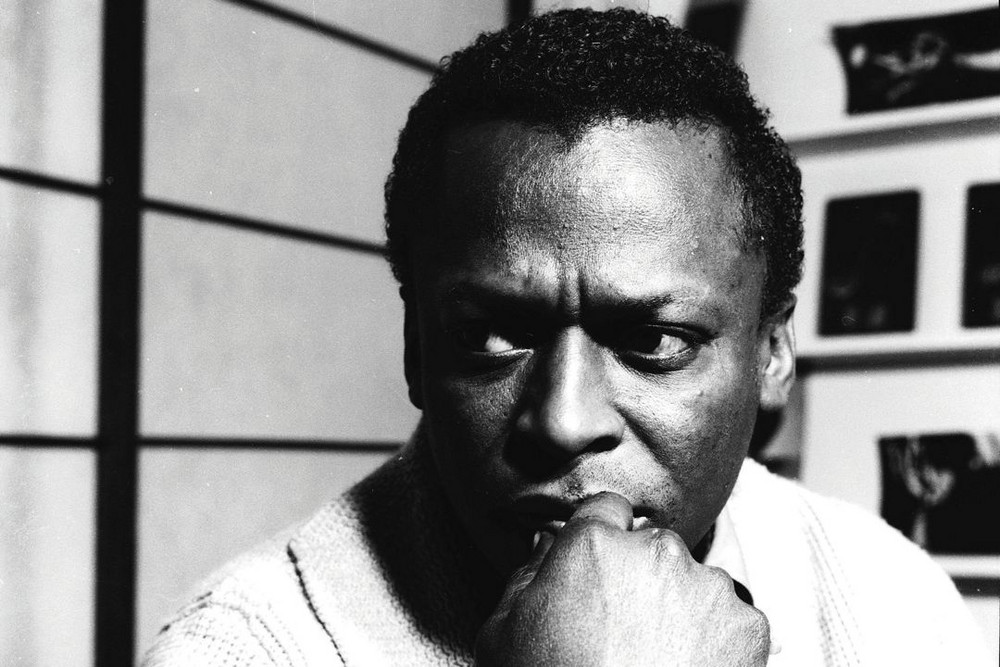
 — So What: The Life of Miles Davis, John Szwed, 2002
Dave Holland's videos
Yussef Dayes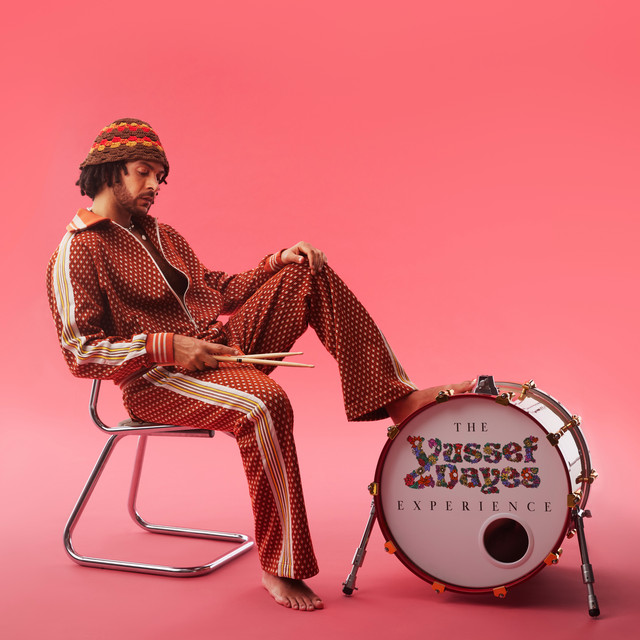
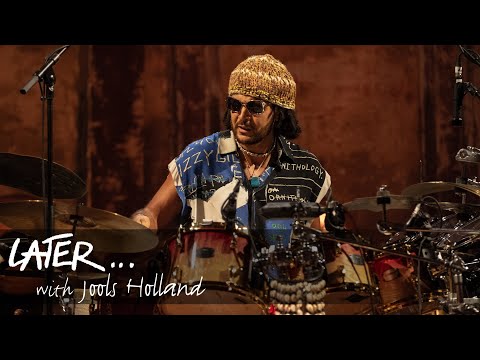 — Yussef Dayes - 'Black Classical Music' | Later... with Jools Holland, 2023
Dave Holland's videos
July 9, 1990, Jazz à Vienne. The Parallel Realities tour — Herbie Hancock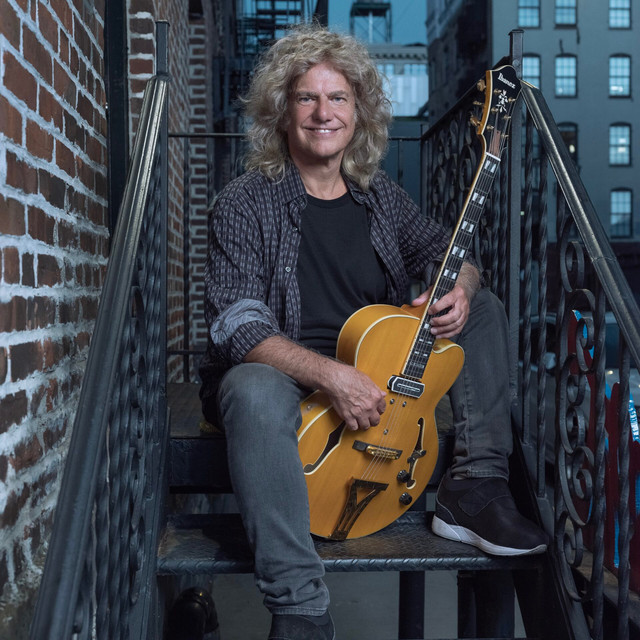
Dave Holland's videos
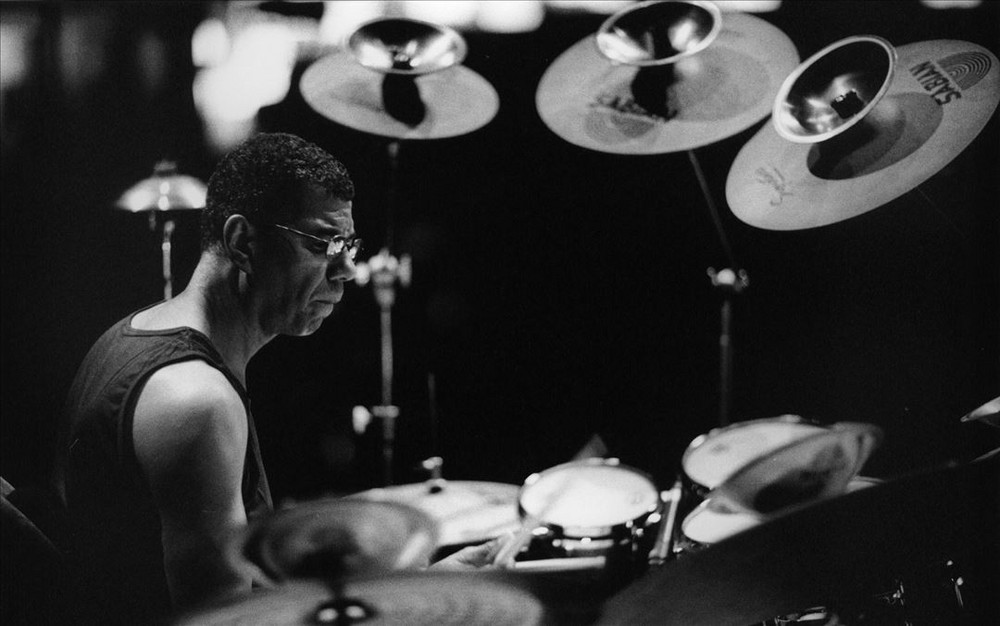
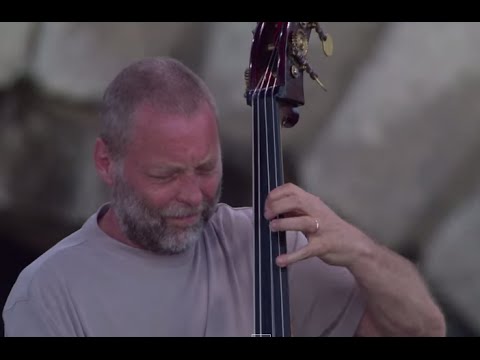
August 10, 2002, Newport Jazz Festival. Dave Holland
Dave Holland's albums
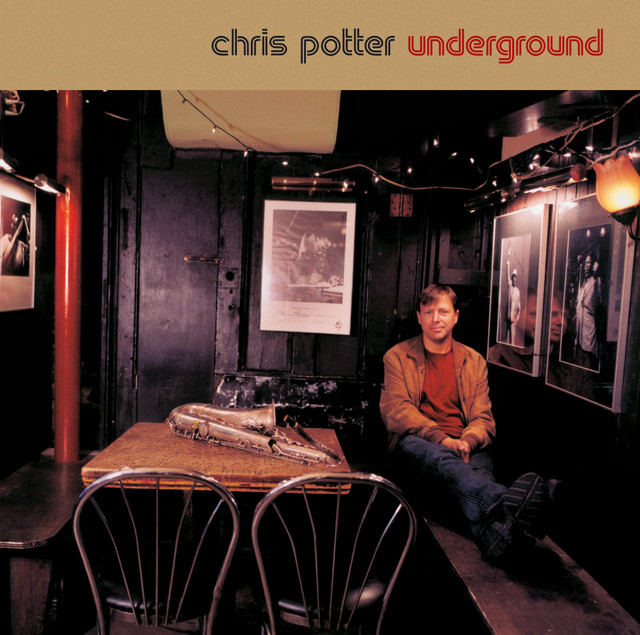
Chris Potter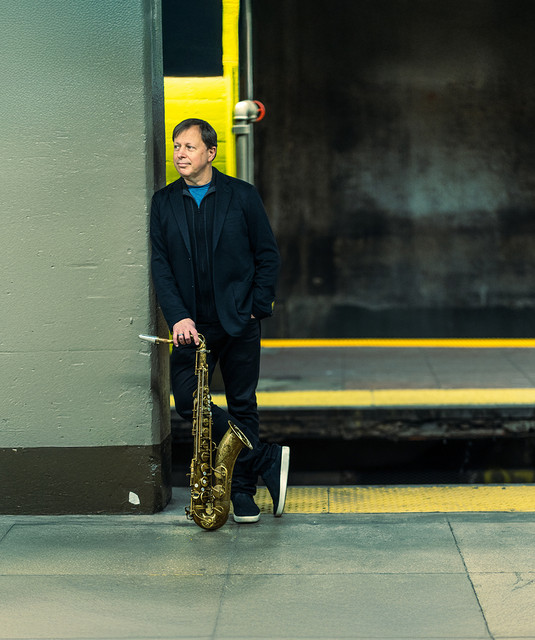
Dave Holland's albums
Just as Bitches Brew (1970) pushed Miles Davis's electric music to its peak, his own rhythm players Chick Corea and Dave Holland walked out — turning an off-hours trio into Circle, a free, near-atonal group, rather than chasing the fusion market.
— Statement stmt-dave-holland-on-chick-corea
Dave Holland's albums
Dave Holland and Chick Corea, who had played on Bitches Brew, walked out of Miles Davis's band at its peak. 'Dave and I could both see Miles wanted to go a different rhythmic way,' Corea said — and the way they went was not more electric fusion but the free-improv group Circle.
— Statement stmt-chick-corea-on-dave-holland
Dave Holland's albums
Dave Holland was an unknown young bassist playing London clubs in 1968 when Miles Davis heard him and invited him on the spot. Within days Holland had moved to New York to join the band, and by 1970 he was on Bitches Brew — one of the most influential sessions in jazz history.
Dave Holland's albums
Dave Holland and Jack DeJohnette first played together at a 1967 jam session in London, where Holland says it felt complete from the very first beat. Three years later both names sit in the credits of Bitches Brew (1970). The pairing was not assembled in a New York studio; it had already clicked on the other side of the Atlantic.
— Statement stmt-dave-holland-on-jack-dejohnette
Dave Holland's albums
Drummer Jack DeJohnette, who played in Miles Davis's early-1970s electric bands alongside Chick Corea and Dave Holland, once said their improvising would go to "totally ecstatic" places — until Miles stepped back in and pulled everything back to a single center. The band's apparent freedom, in other words, actually orbited Miles himself.
— Statement stmt-jack-dejohnette-on-chick-corea
Dave Holland's albums
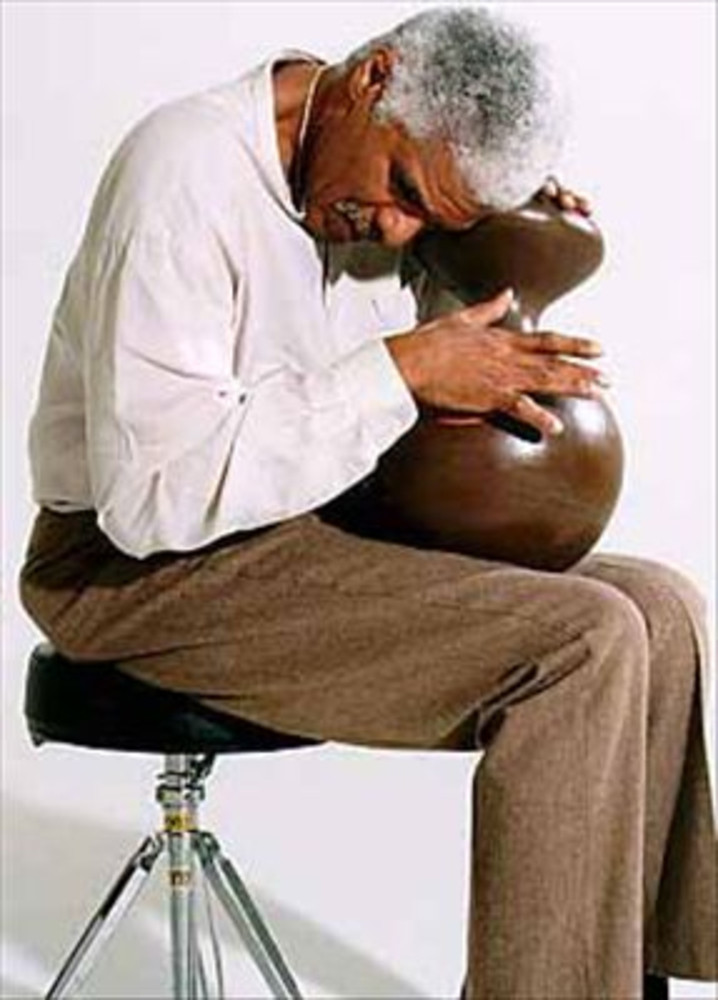
Don Alias was brought to Bitches Brew (1970) as a percussionist, but on "Miles Runs the Voodoo Down" he is the one at the drum kit — the New Orleans-flavored beat was his idea, and the leader told him to play it himself.
— Statement stmt-jack-dejohnette-on-don-alias
Dave Holland said
From the very first time we played, from the very first beat, it just felt perfect, it just felt like we knew how to play with each other.
Recalling first playing with Jack DeJohnette at a late-night London jam session in 1967.
Dave Holland said
He was a unique genius, a master improviser, 100% original composer but an original that had come through the most incredible tradition of the music and kept moving forward, just as Miles Davis did.
Answering a question about whether jazz has lost its great personalities, describing Wayne Shorter.
Dave Holland said
I was just trying to realise Miles Davis' vision for what he wanted to do, as we all were and that was primarily in my mind when we did the recording.
Asked whether he anticipated the impact of Bitches Brew while recording it.
Dave Holland said
Miles had directions that he was looking to move in. But he looked very much into the musicians to fill in those spaces.
Describing how Miles Davis led his band during Holland's two years in the group.
Dave Holland said
I'd started on a project with Chick Corea and Barry Altschul. We'd been playing as a trio at times when Miles wasn't working.
Explaining how leaving Miles Davis led to the trio that became Circle when Anthony Braxton joined.
About Dave Holland
I think playing with Miles, with Dave Holland, Chick Corea and Wayne was a very exciting period. We always couldn't wait to get on the bandstand to see what kind of mischief we could get into.
Recalling his two-to-three years in the Miles Davis band, 1968-70.
About Dave Holland
We also played together on Herbie's New Standards, that was a great recording which featured Michael Brecker, John Scofield, Dave Holland, myself and Don Alias.
Listing his work with percussionist Don Alias, including Herbie Hancock's The New Standard (1995).
About Dave Holland
We share decades of common references musically. The similarities and differences in our approaches make for a more interesting collaboration, I think.
On the making of Memories of Home, his duo album with bassist Dave Holland.
About Dave Holland
When Dave and I saw that Miles was wanting to go in a different direction rhythmically and so forth, there was the parting of the ways.
Corea on why he and Dave Holland left Miles Davis, which led to the free-improvisation group Circle.
About Dave Holland
Chick and Dave would go to a lot of frenetic places. Then, when Miles came back, everything would galvanize, come back to a center.
DeJohnette on how Corea and Holland ranged wildly on the bandstand until Miles returned and pulled the music back to a center.
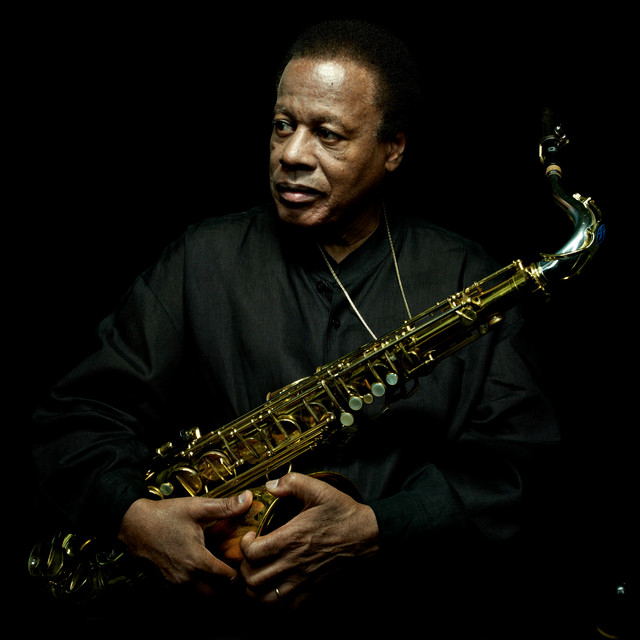 Wayne Shorter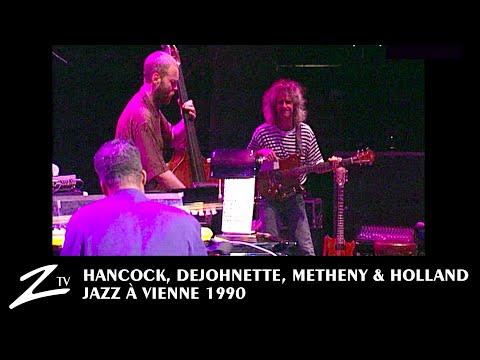

 Don Alias
 Michael Brecker
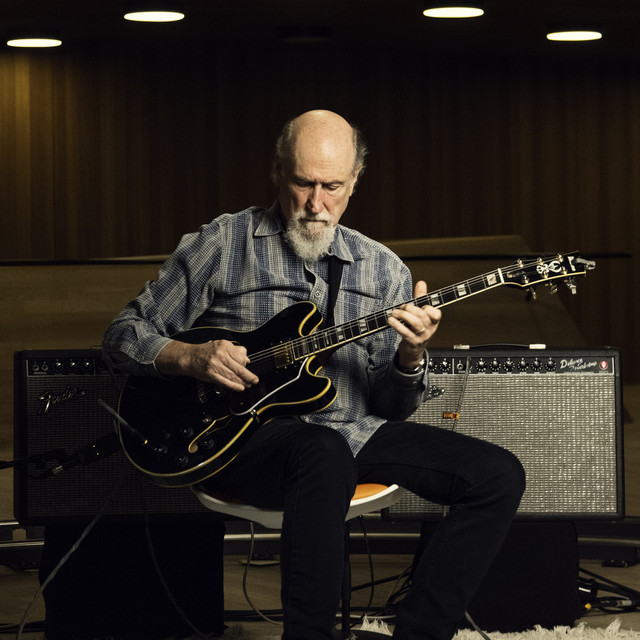 John Scofield