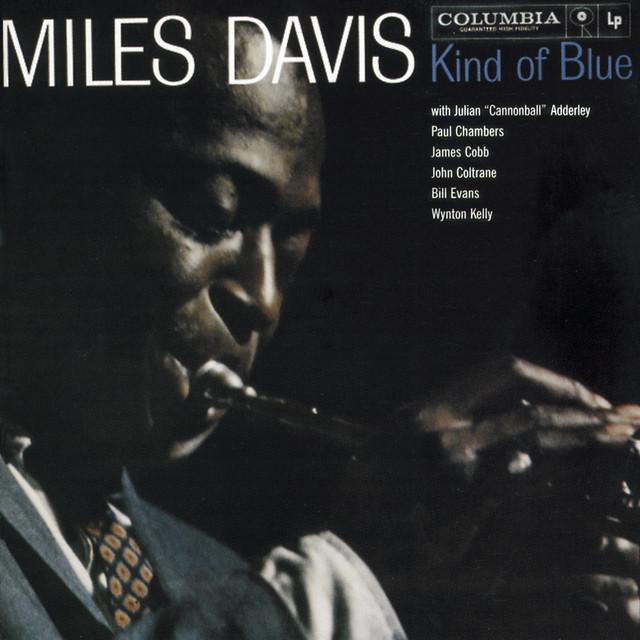
Kind of Blue
Miles Davis · 1959 · Columbia
Personnel
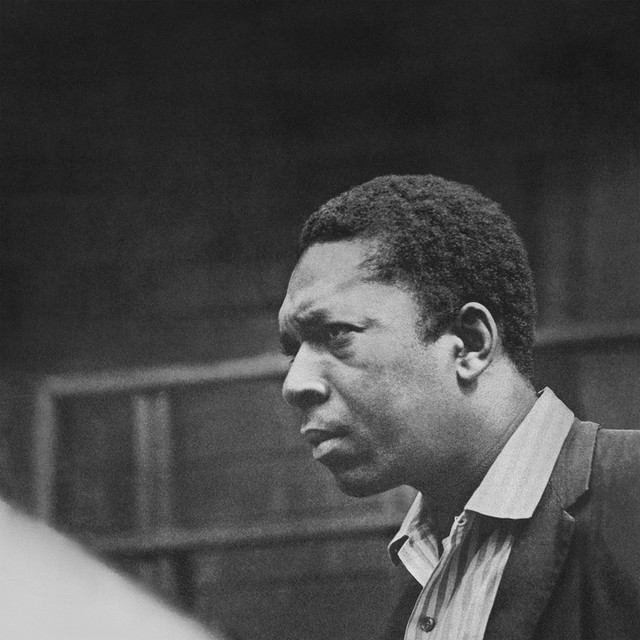
John Coltrane
played Saxophone / Tenor Saxophone on this album
Coming from the dense chord changes of hard bop, the spacious modal framework was a liberation for Coltrane. His improvisation on "So What" already hints at the direction he would soon pursue alone.
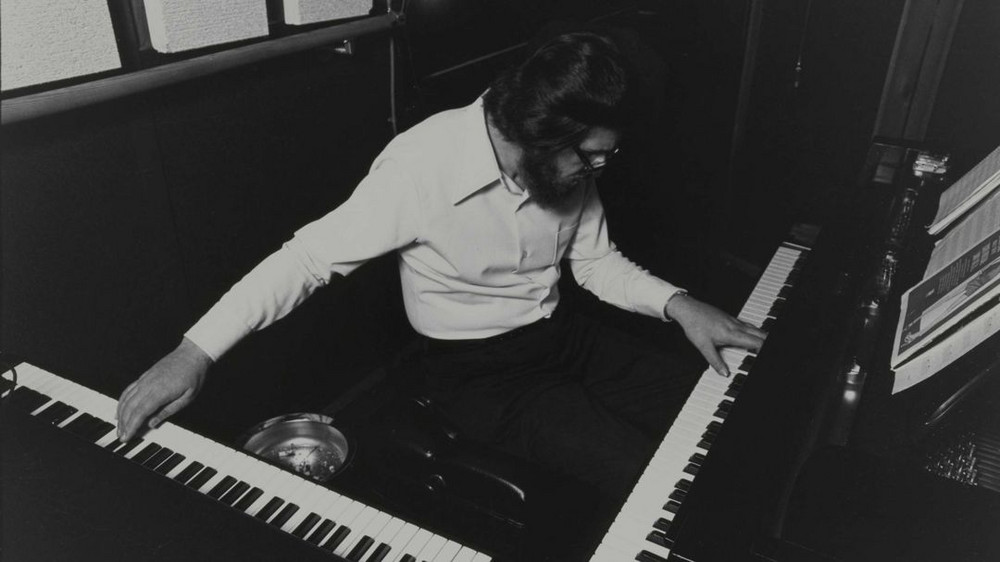
Bill Evans
played Piano / Liner Notes on this album
Miles stated he "planned the album around Bill Evans' piano playing." Evans' modal sensibility shaped the entire session, and he also wrote the evocative liner notes on the back cover.
Kind of Blue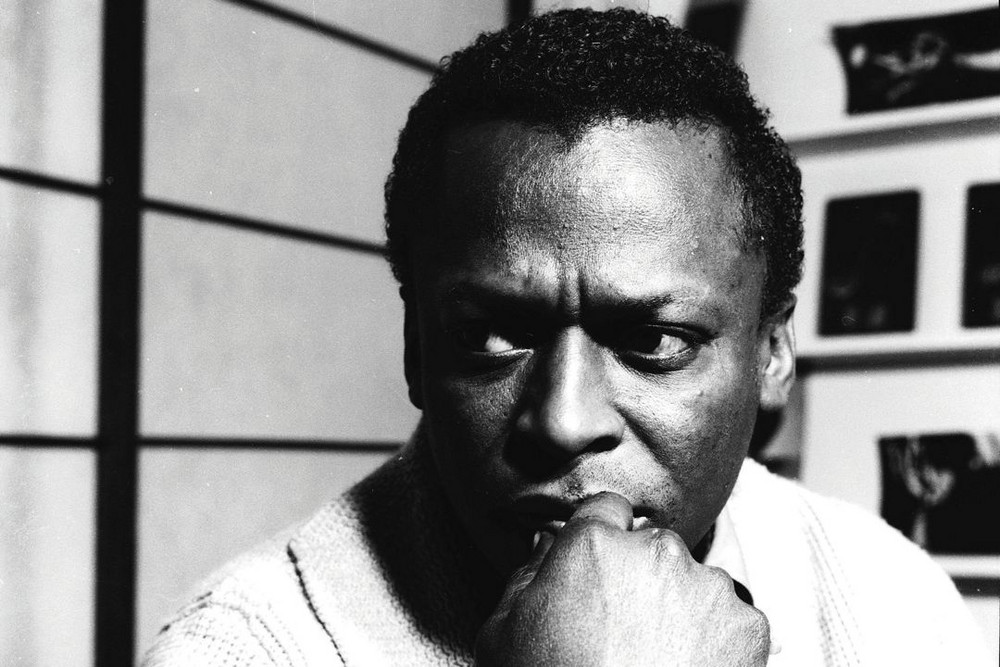
Wynton Kelly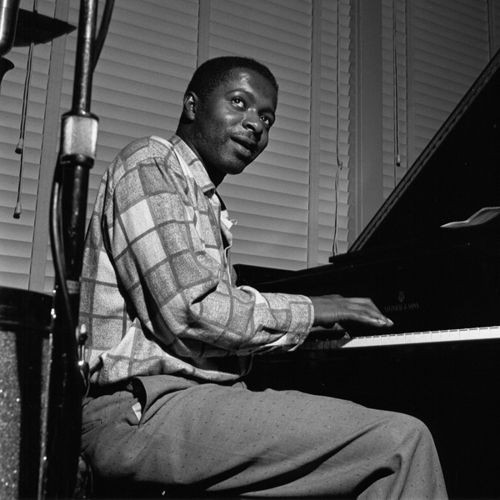
Cannonball Adderley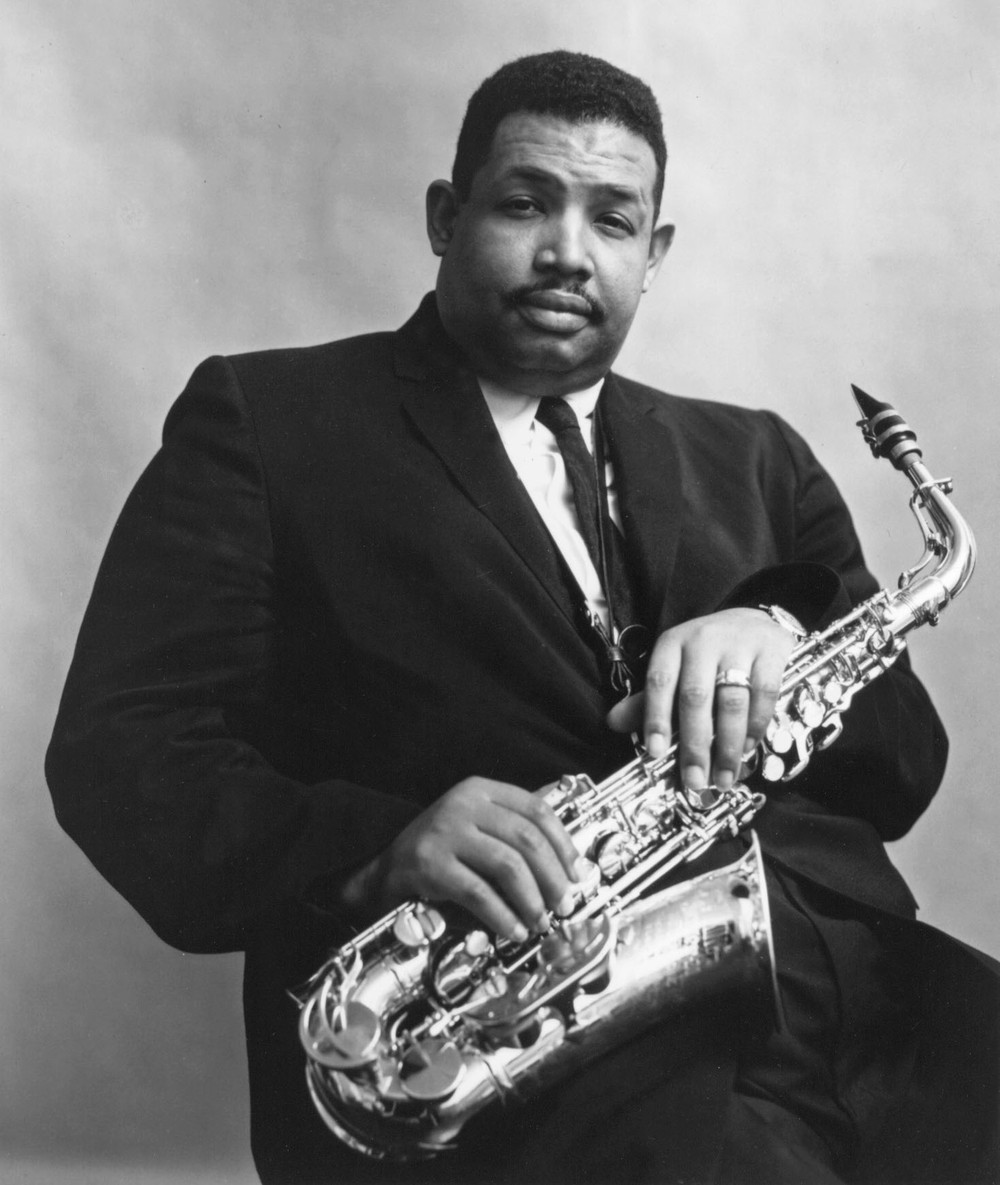
Paul Chambers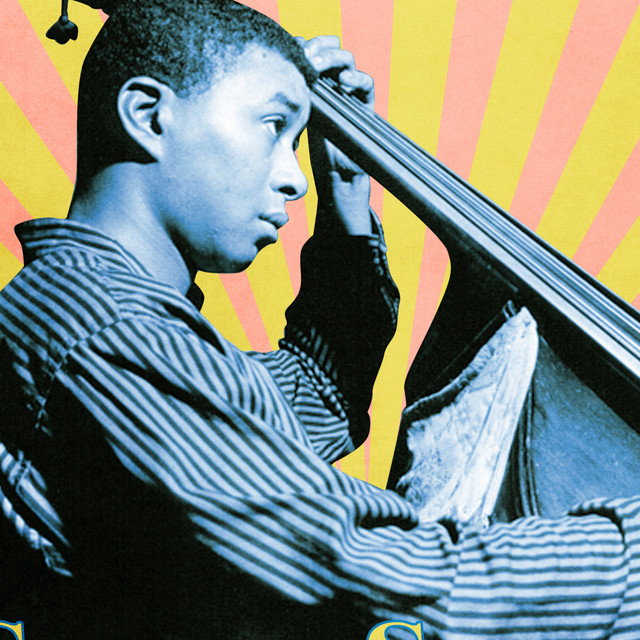
Jimmy Cobb

Chambers
Wynton Kelly, Paul Chambers and Jimmy Cobb played as one of the great piano trios. But the bond ran deeper than the bandstand: when Chambers died in 1969, Cobb recalled, Kelly sank into heavy drinking — he had loved Paul — and Kelly himself was gone by 1971.
Coltrane is remembered as a giant, but on this 1959 date he was only a participant on someone else's session. Once his fame grew, the record was reissued as 'Coltrane Time' — a name that had sat in the small print, suddenly promoted to the marquee.
Jimmy Cobb was the newcomer who had just replaced the previous drummer in Miles Davis's sextet. The Kind of Blue (1959) sessions were cut almost live off the sketches, with barely any rehearsal, and the result became the best-selling jazz album of all time.
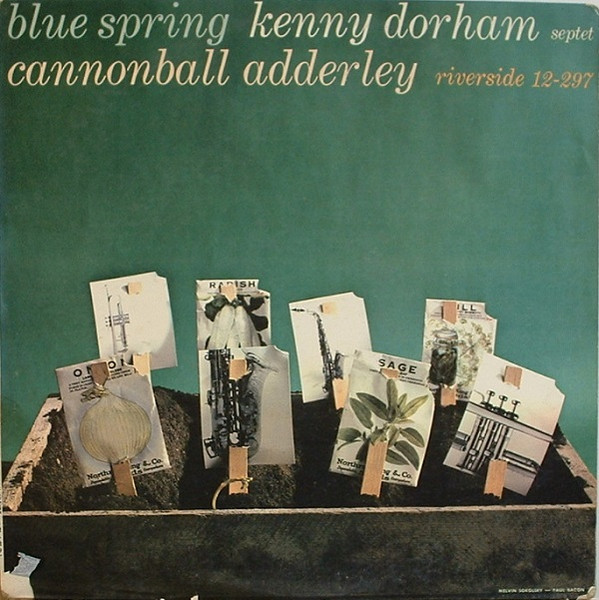
In 1955, Cannonball Adderley moved to New York only to start a graduate program in music education, not a music career. He sat in at a club one night, the room lit up, and within weeks he had a record deal — cutting his debut album, Julian 'Cannonball' Adderley, before he'd even settled into school.
Kind of Blue is remembered for its pianist's modal chords, but the one blues track was actually played by someone else, Wynton Kelly. That same year, Kelly also turns up on Coltrane's harmonically brutal Giant Steps — not on the punishing title track, but on the album's one quiet ballad, 'Naima.'
Featured in Notes
Around 1959