Jack DeJohnette's albums
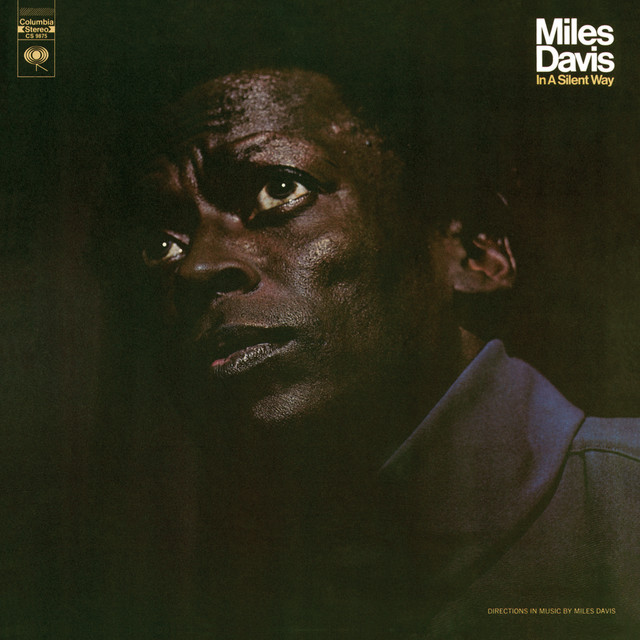
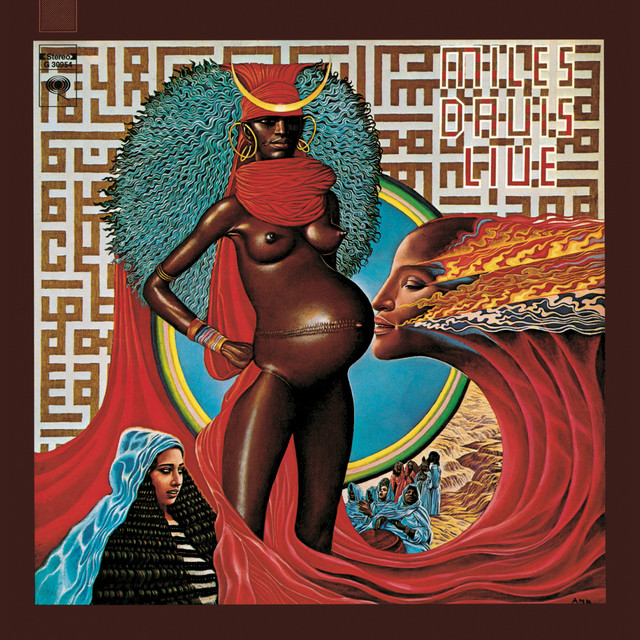
Miles's 1969–70 studio experiments fused rock's rhythmic sensibility with jazz improvisation. Bitches Brew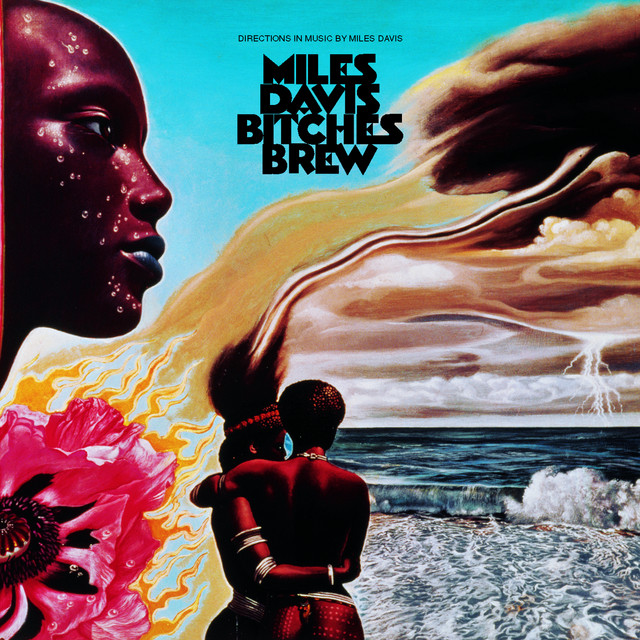
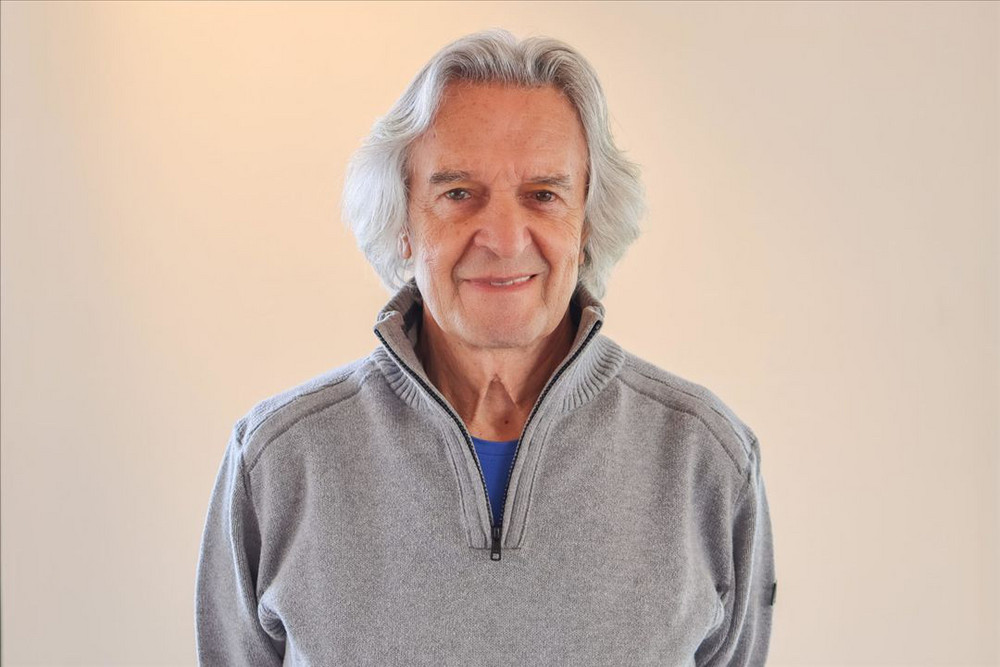
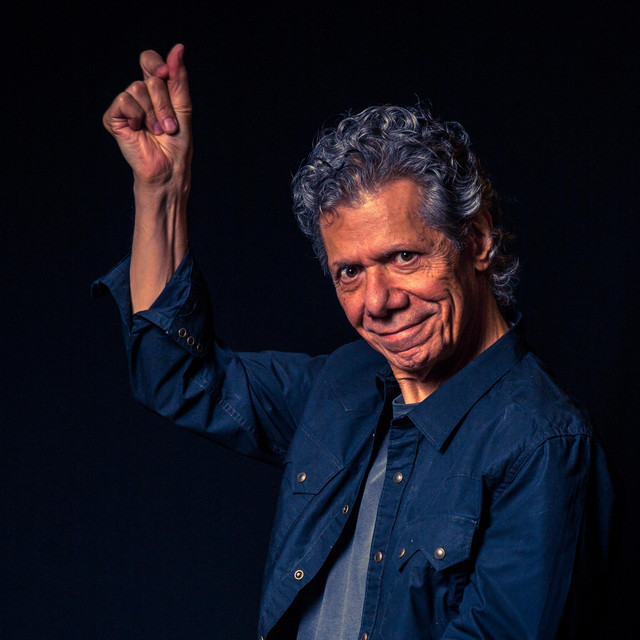
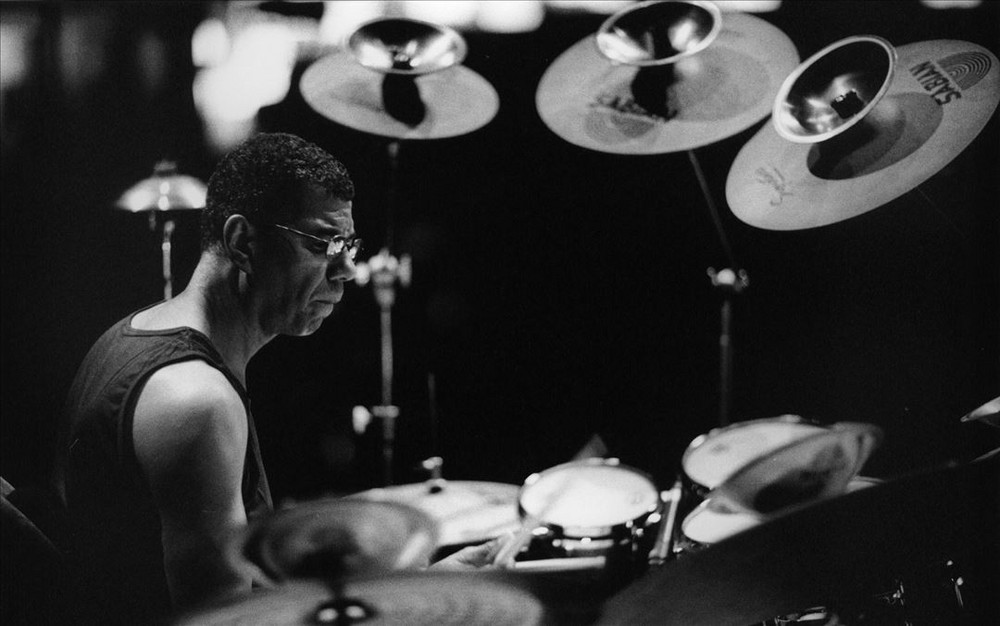
(1942–)
United States
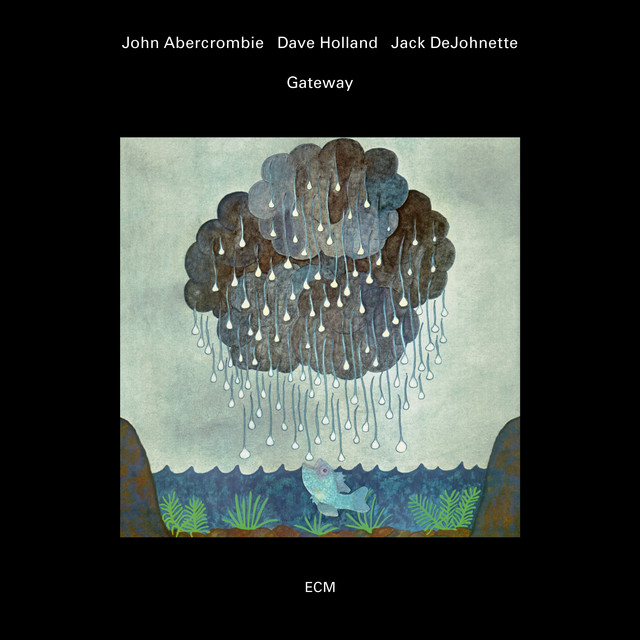
Jack DeJohnette (b. 1942) — Drums, Electric Piano. Led Gateway, Special Edition, Sound Travels. Worked with Dave Holland, Ron Carter, Herbie Hancock.
Completely versatile — rock power, free jazz liberty, acoustic delicacy, all present. From the Bitches Brew era with Miles Davis to more than thirty years alongside Keith Jarrett in the Standards Trio, he has dissolved into every context he's entered. No room is too small or too big for him.
Jack DeJohnette's albums
Miles's 1969–70 studio experiments fused rock's rhythmic sensibility with jazz improvisation. Bitches Brew
Jack DeJohnette's albums
From 1983, the Keith Jarrett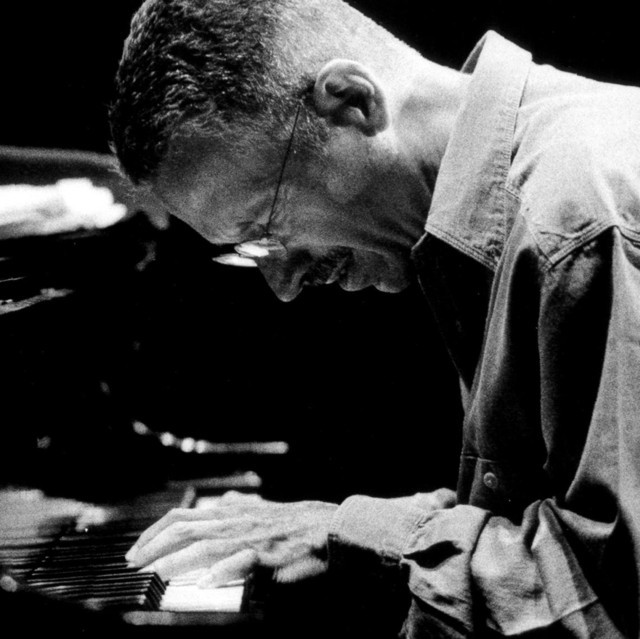
Jack DeJohnette's albums
Miles Davis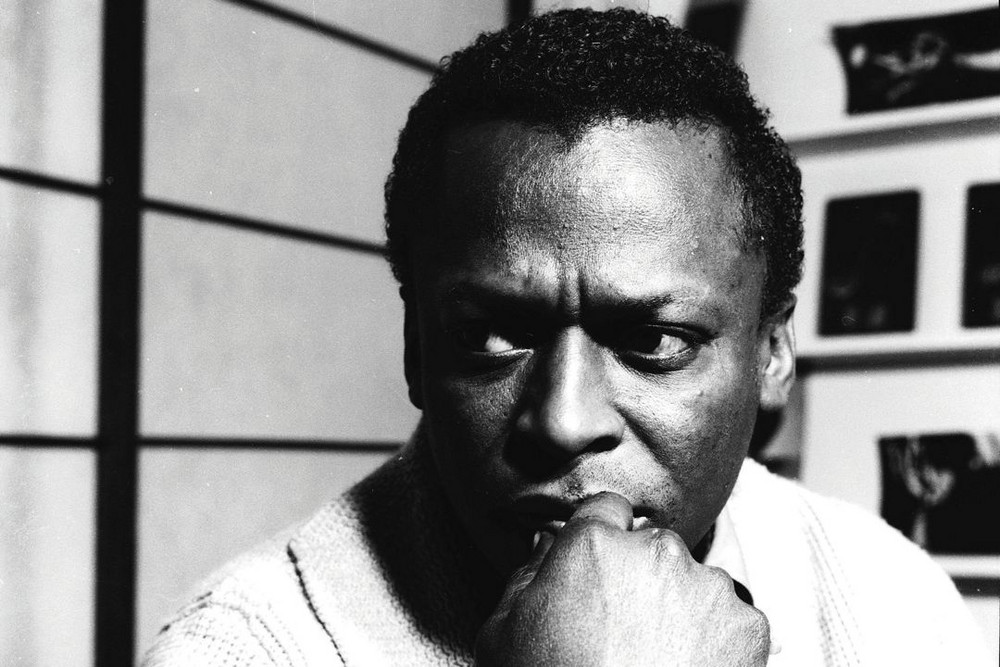
 — So What: The Life of Miles Davis, John Szwed, 2002
Jack DeJohnette's videos
Estival Jazz Lugano, 1986. The Keith Jarrett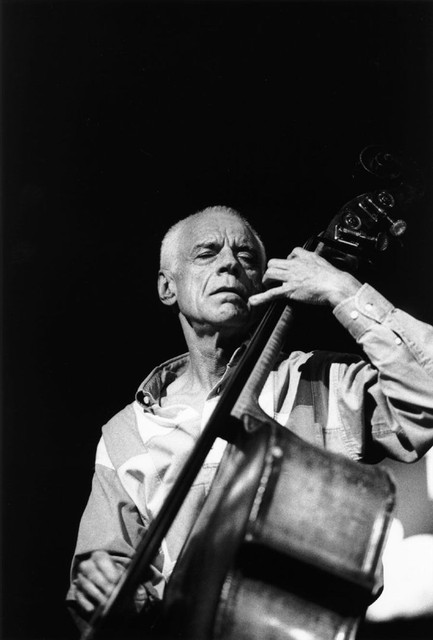
Jack DeJohnette's videos
February 1985, Koseinenkin Hall, Tokyo. The Keith Jarrett
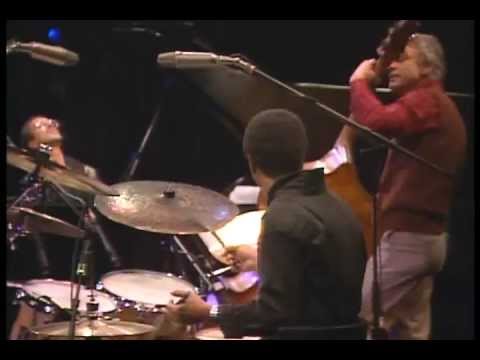 — Koseinenkin Hall, Tokyo, 1985
Jack DeJohnette's videos
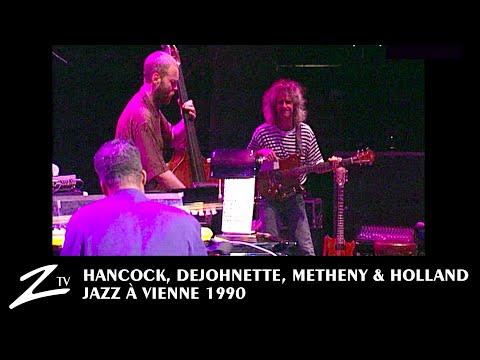
July 9, 1990, Jazz à Vienne. The Parallel Realities tour — Herbie Hancock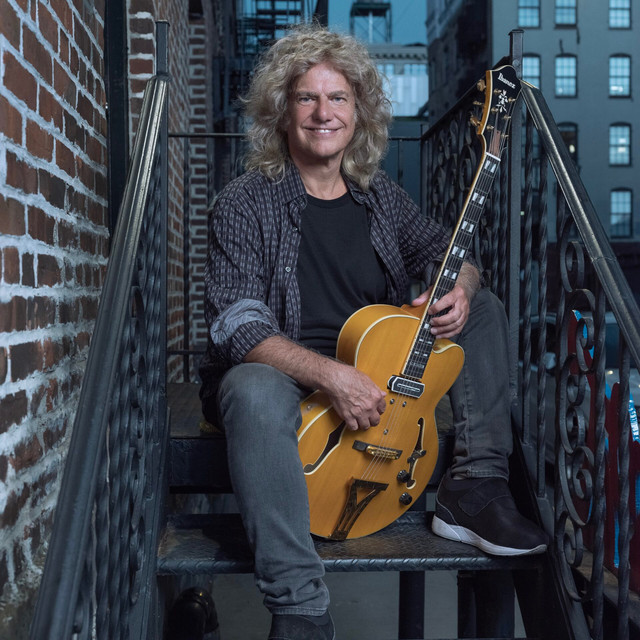
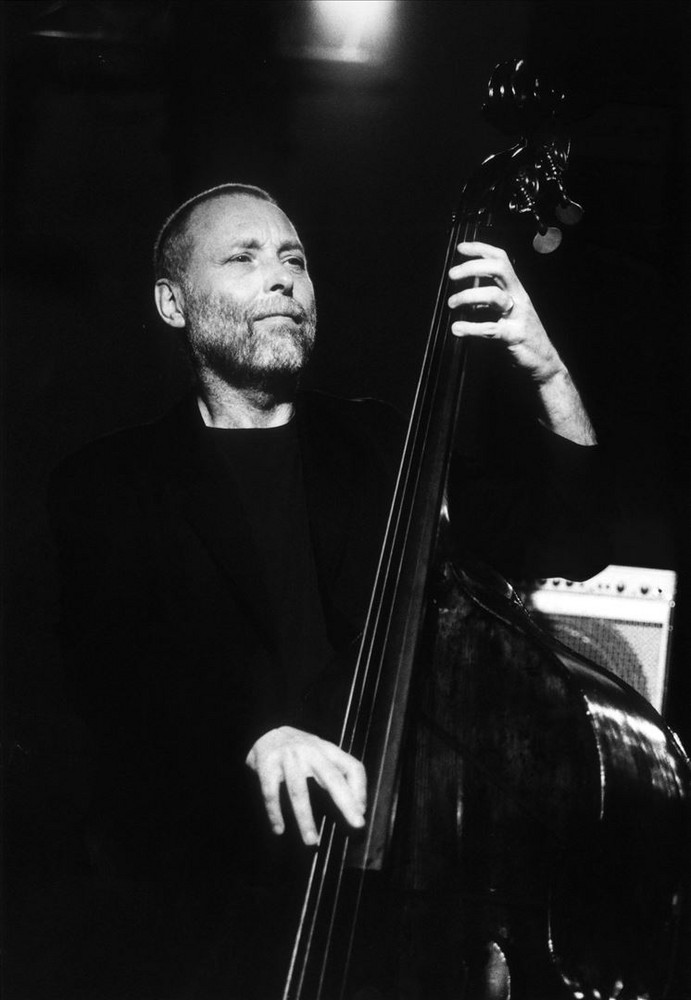
Jack DeJohnette's albums
80/81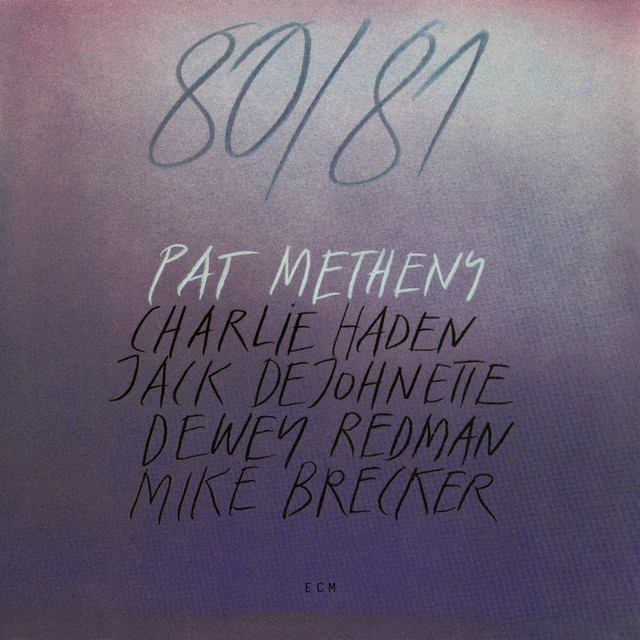
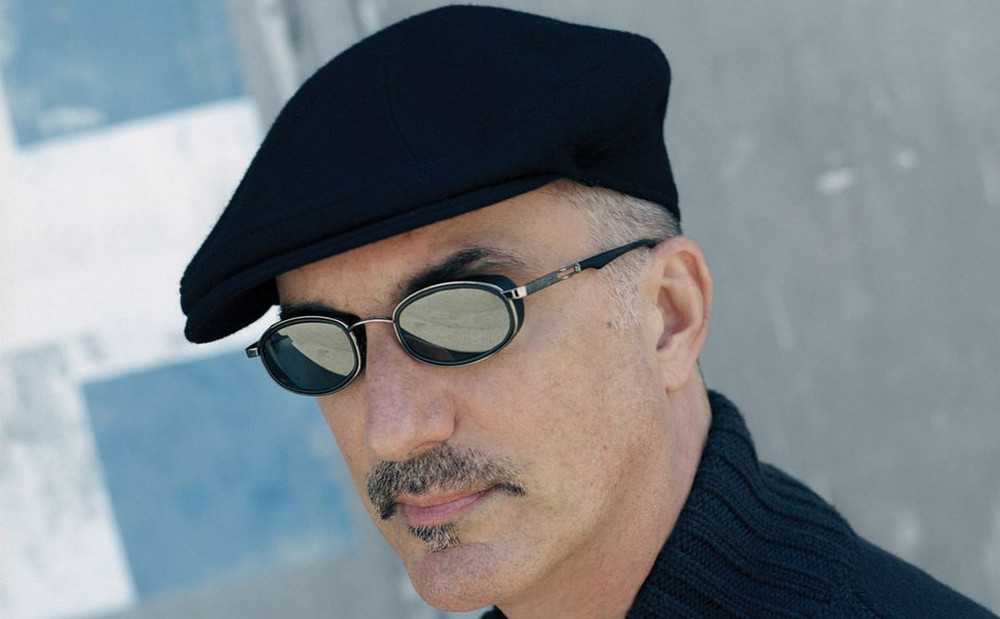
Formed in 1983 with Keith Jarrett
In 1979, Jack DeJohnette
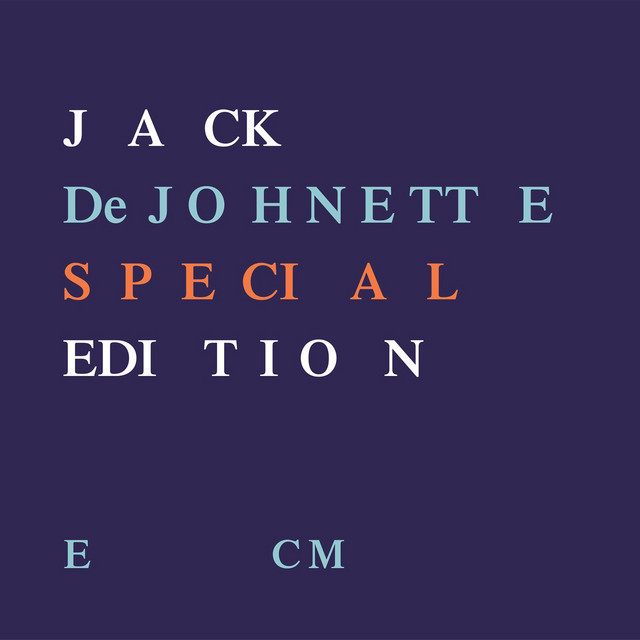
Jack DeJohnette's albums
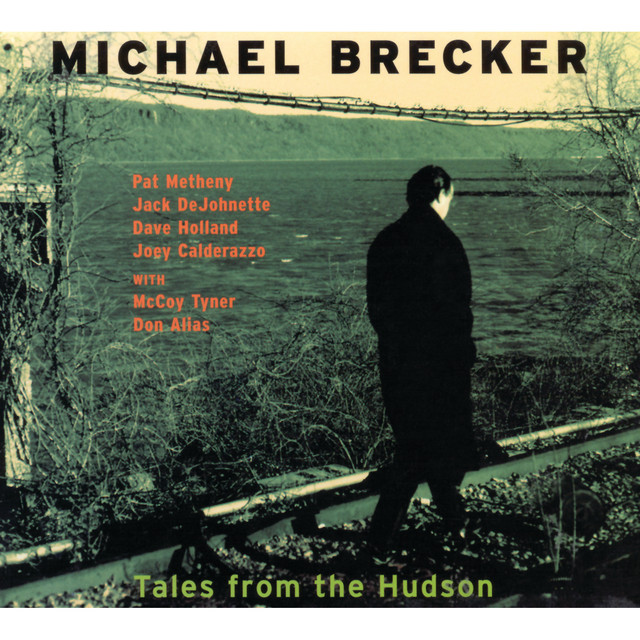
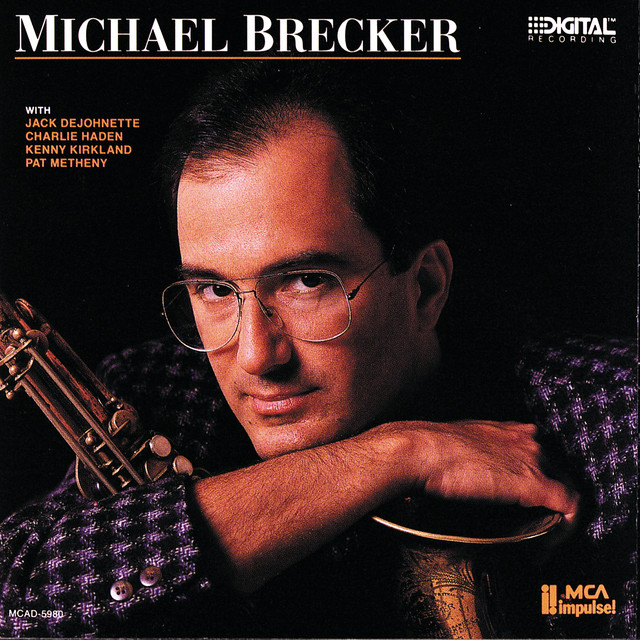
On Pat Metheny's ECM date 80/81 (1980), two tenors stood side by side: Michael Brecker, by then a fusion and pop studio staple, and Dewey Redman, straight out of the free-jazz lineage. Pairing the studio ace with the avant-garde tenor was the whole point of the record.
— Statement stmt-jack-dejohnette-on-michael-brecker
Jack DeJohnette's albums
In 1969, Miles Davis showed up to the Bitches Brew sessions with only sketches and a few bass patterns — no charts. He set the tempo in the room and, when a take wasn't right, stopped it and had the band try something else. What sounds like a fully composed suite was steered into being on the spot, drummer Jack DeJohnette recalls.
— Statement stmt-jack-dejohnette-on-miles-davis-2
Jack DeJohnette's albums
Dave Holland and Jack DeJohnette first played together at a 1967 jam session in London, where Holland says it felt complete from the very first beat. Three years later both names sit in the credits of Bitches Brew (1970). The pairing was not assembled in a New York studio; it had already clicked on the other side of the Atlantic.
— Statement stmt-dave-holland-on-jack-dejohnette
Jack DeJohnette's albums
The electric bass on Bitches Brew (1970) belongs to an outsider: Harvey Brooks came out of rock session work, not jazz, and was doubled with Dave Holland on the date. The weight under Jack DeJohnette's drums is half the work of a hand hired from another world.
Jack DeJohnette's albums
Drummer Jack DeJohnette, who played in Miles Davis's early-1970s electric bands alongside Chick Corea and Dave Holland, once said their improvising would go to "totally ecstatic" places — until Miles stepped back in and pulled everything back to a single center. The band's apparent freedom, in other words, actually orbited Miles himself.
— Statement stmt-jack-dejohnette-on-chick-corea
Jack DeJohnette's albums
On 80/81 (1980), Michael Brecker — then the most in-demand studio saxophonist in New York, and heard as a fusion player — is trading with Dewey Redman and Charlie Haden, both out of the free jazz world. Pat Metheny wrote all of the material.
— Statement stmt-jack-dejohnette-on-pat-metheny
Jack DeJohnette's albums
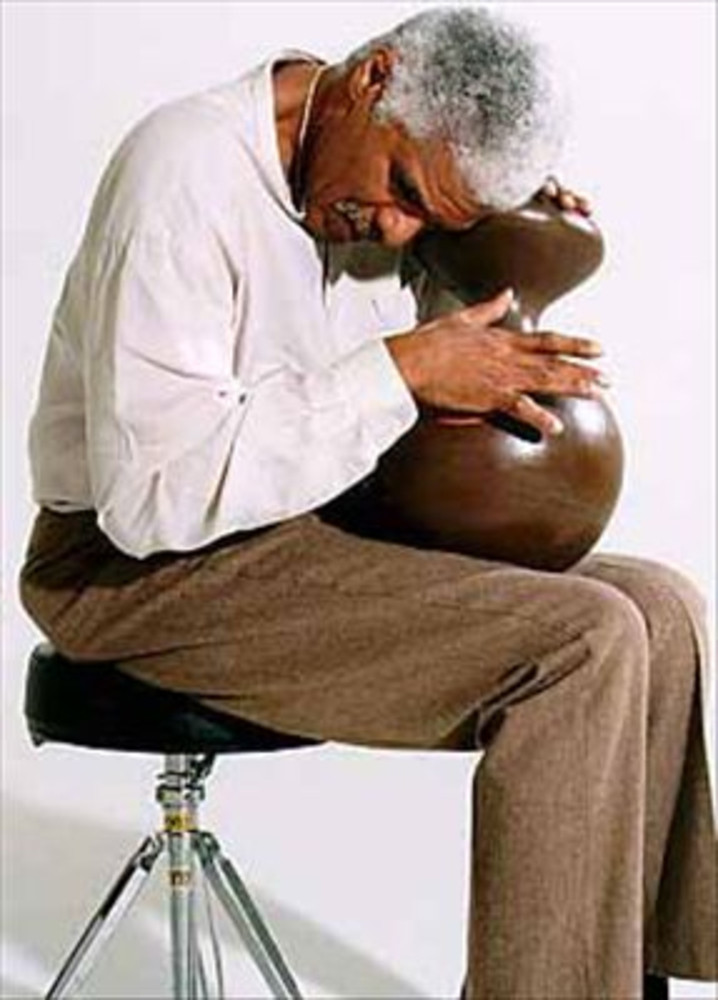
Don Alias was brought to Bitches Brew (1970) as a percussionist, but on "Miles Runs the Voodoo Down" he is the one at the drum kit — the New Orleans-flavored beat was his idea, and the leader told him to play it himself.
— Statement stmt-jack-dejohnette-on-don-alias
Jack DeJohnette said
I think playing with Miles, with Dave Holland, Chick Corea and Wayne was a very exciting period. We always couldn't wait to get on the bandstand to see what kind of mischief we could get into.
Recalling his two-to-three years in the Miles Davis band, 1968-70.
Jack DeJohnette said
Miles had some sketches and bass patterns. He'd ask me, "play a groove, play this," and he'd count off a tempo and if that wasn't it he'd say, "No, that's not it!" and he'd say to try something else.
On how Miles Davis directed him in the studio during the 1969 Bitches Brew sessions.
Jack DeJohnette said
The tours on that were really some fantastic playing from everybody, but just hearing the styles of Dewey and Michael, and (they) both admired each other.
On the contrasting tenor styles of Michael Brecker and Dewey Redman during the tours for Pat Metheny's 1980 album 80/81.
Jack DeJohnette said
Pat wrote all the pieces and he's a great writer, composer and producer so the concerts were just amazing. Really highly creative, everybody got along great.
On Pat Metheny's writing for the 1980 album 80/81 and the quintet's live dates.
Jack DeJohnette said
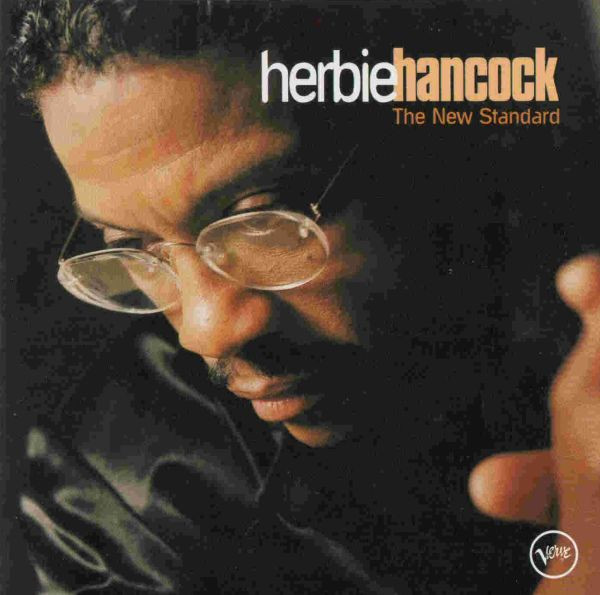
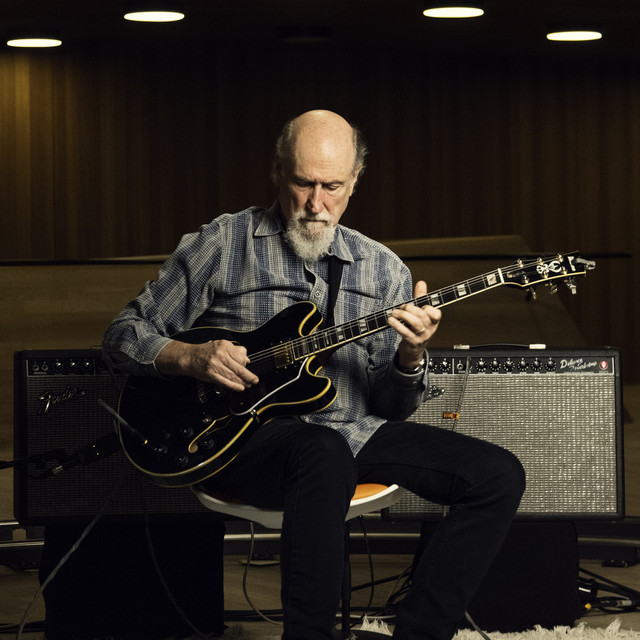
We also played together on Herbie's New Standards, that was a great recording which featured Michael Brecker, John Scofield, Dave Holland, myself and Don Alias.
Listing his work with percussionist Don Alias, including Herbie Hancock's The New Standard (1995).
Jack DeJohnette said
Chick and Dave would go to a lot of frenetic places. Then, when Miles came back, everything would galvanize, come back to a center.
DeJohnette on how Corea and Holland ranged wildly on the bandstand until Miles returned and pulled the music back to a center.
About Jack DeJohnette
From the very first time we played, from the very first beat, it just felt perfect, it just felt like we knew how to play with each other.
Recalling first playing with Jack DeJohnette at a late-night London jam session in 1967.
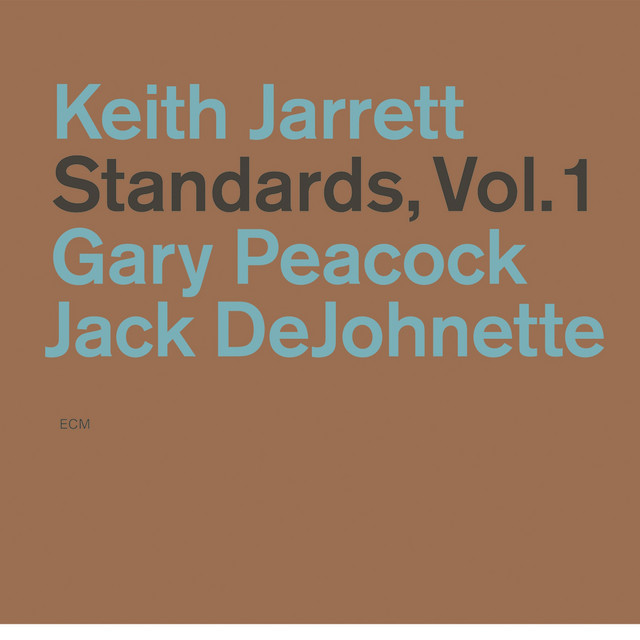
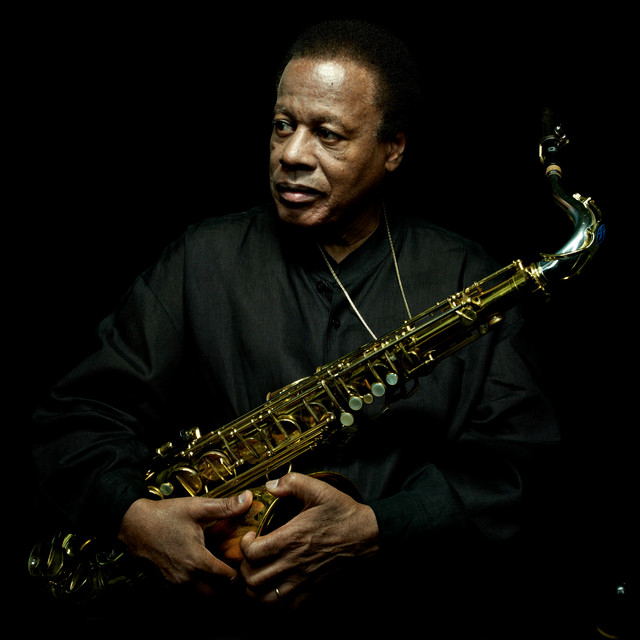 Wayne Shorter
 Don Alias
 John Scofield