Chick Corea's albums
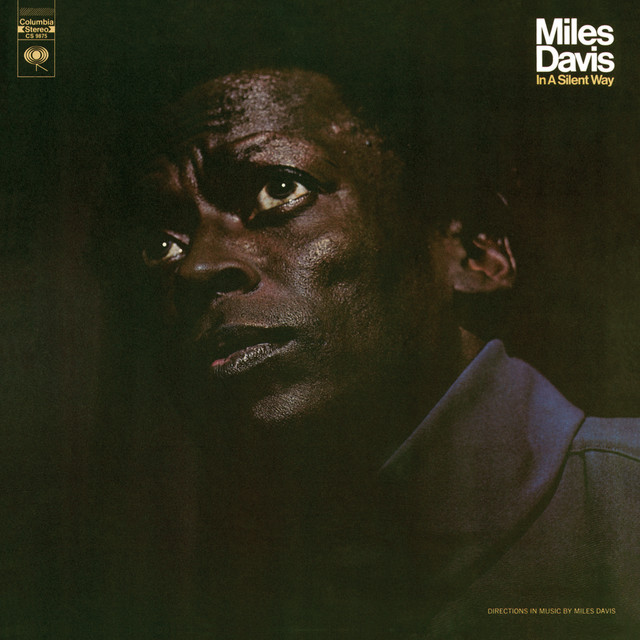
Miles's 1969–70 studio experiments fused rock's rhythmic sensibility with jazz improvisation. Bitches Brew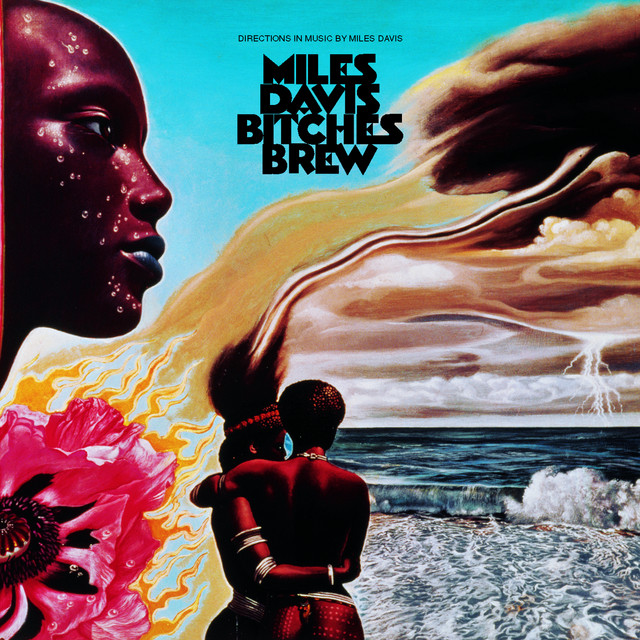
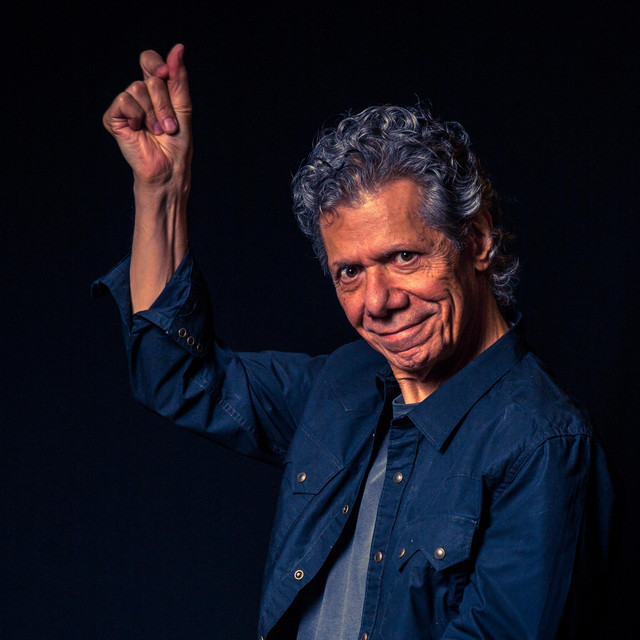
(1941–2021)
United States
Chick Corea (1941–2021) — Piano, Electric Piano. Led Now He Sings, Now He Sobs, Is, Return to Forever. Worked with Herbie Hancock, Dave Holland, Jack DeJohnette.
Corea held it all: Latin rhythm, fusion electricity, and acoustic delicacy. He was bright and endlessly energetic — a single listen to Spain with Return to Forever tells you everything about his world. Whether in a duo, a trio, or a large band, he sounded like he was having the time of his life.
Chick Corea's albums
Miles's 1969–70 studio experiments fused rock's rhythmic sensibility with jazz improvisation. Bitches Brew
Chick Corea's albums
Miles Davis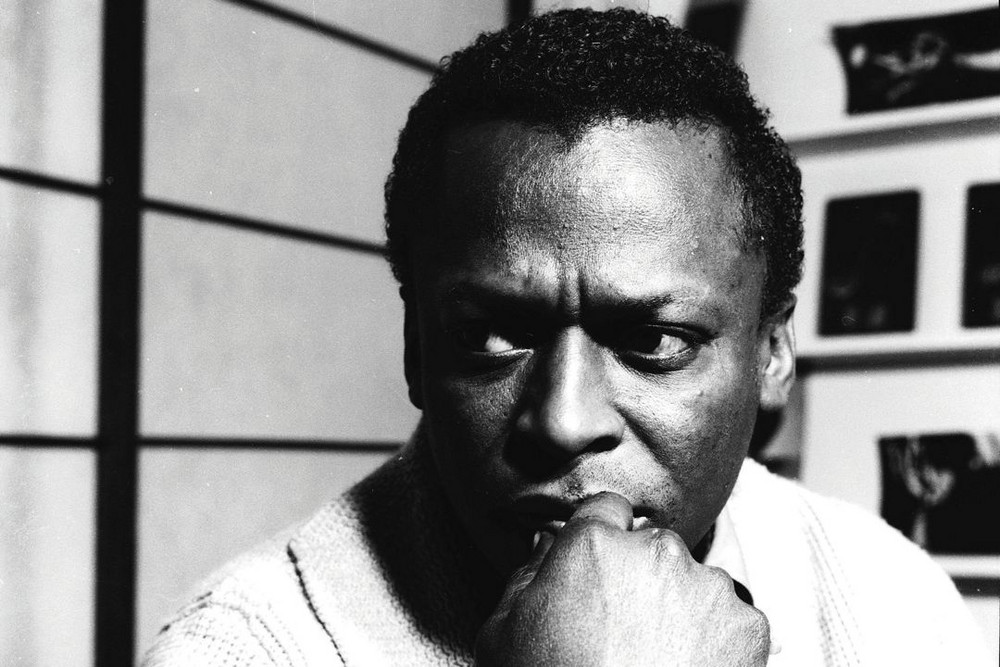
 — So What: The Life of Miles Davis, John Szwed, 2002
Chick Corea's videos
NPR Tiny Desk, June 2016. Chick Corea
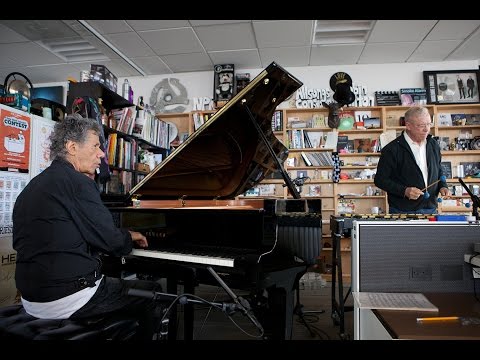 — NPR Music Tiny Desk Concert, 2016
On 1968's Now He Sings, Now He Sobs, Chick Corea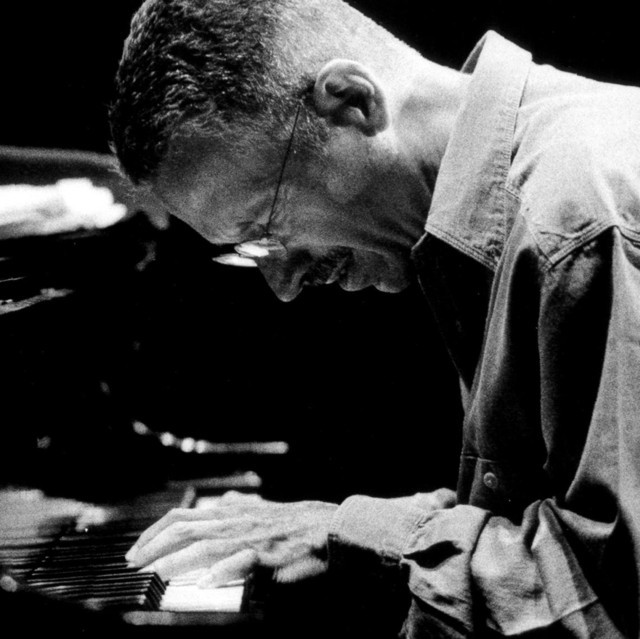
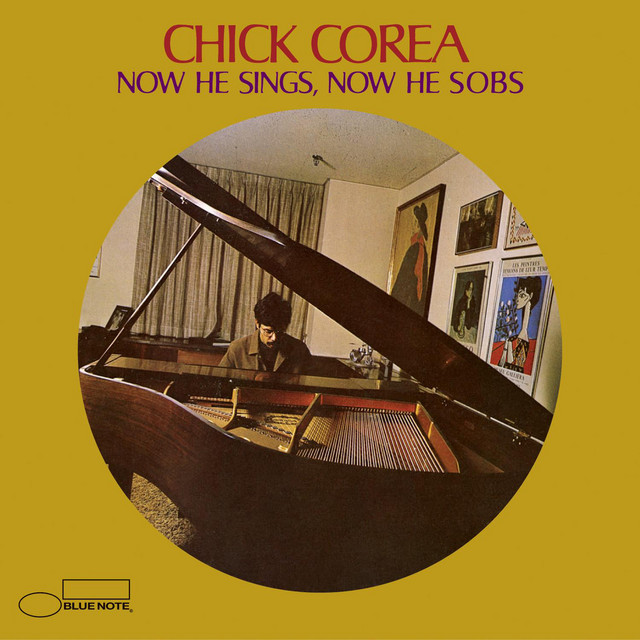
Chick Corea's albums
Just as Bitches Brew (1970) pushed Miles Davis's electric music to its peak, his own rhythm players Chick Corea and Dave Holland walked out — turning an off-hours trio into Circle, a free, near-atonal group, rather than chasing the fusion market.
— Statement stmt-dave-holland-on-chick-corea
Chick Corea's albums
The call came not from Herbie himself but from Tony Williams: Miles Davis wanted Chick Corea in Baltimore in 1968 because Herbie Hancock couldn't make the date. Corea's seat at the piano began as a one-night fill-in — and became the core of Miles's electric period.
— Statement stmt-chick-corea-on-miles-davis-2
Chick Corea's albums
Dave Holland and Chick Corea, who had played on Bitches Brew, walked out of Miles Davis's band at its peak. 'Dave and I could both see Miles wanted to go a different rhythmic way,' Corea said — and the way they went was not more electric fusion but the free-improv group Circle.
— Statement stmt-chick-corea-on-dave-holland
Chick Corea's albums
Chick Corea started from a single wish: to have Stanley Clarke — then a young, unknown bassist — play his tunes. After trying several drummers he ended up with percussionist Airto Moreira, and the lineup that fell together almost by accident became the first Return to Forever (1972), the record that launched Clarke.
— Statement stmt-chick-corea-on-stanley-clarke
Chick Corea's albums
Drummer Jack DeJohnette, who played in Miles Davis's early-1970s electric bands alongside Chick Corea and Dave Holland, once said their improvising would go to "totally ecstatic" places — until Miles stepped back in and pulled everything back to a single center. The band's apparent freedom, in other words, actually orbited Miles himself.
— Statement stmt-jack-dejohnette-on-chick-corea
Chick Corea's albums
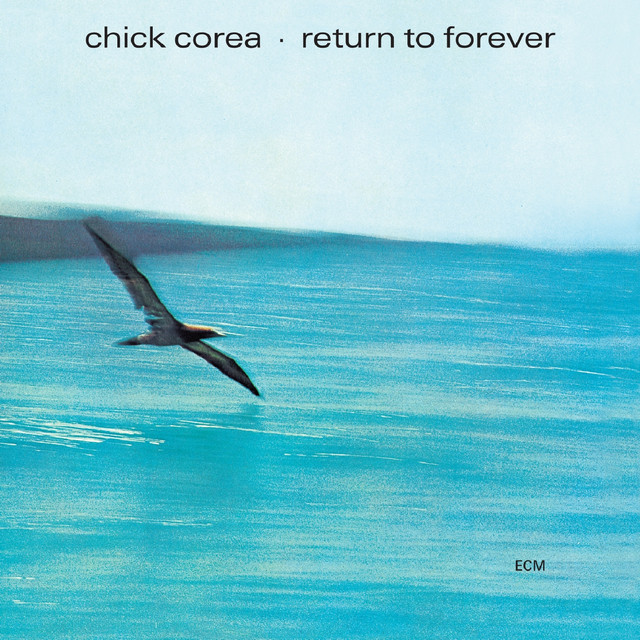
On Miles Davis's Live-Evil (1971), Chick Corea's electric piano is a distorted roar. A year later, Return to Forever has the same man on the same instrument playing light, Brazilian-tinted tunes — a turn he made on purpose, away from music that shut listeners out. The gap is twelve months wide.
Chick Corea said
He was a genius arranger. So everything that Miles touched, of course, sounds like Miles.
On Miles Davis's genius as an arranger of other people's material.
Chick Corea said
Tony was the one who called me up for the gig. He said, "Miles wants you to come to Baltimore. Herbie can't make it."
Corea recalls how Tony Williams's phone call brought him into Miles Davis's band, replacing Herbie Hancock.
Chick Corea said
When Dave and I saw that Miles was wanting to go in a different direction rhythmically and so forth, there was the parting of the ways.
Corea on why he and Dave Holland left Miles Davis, which led to the free-improvisation group Circle.
Chick Corea said
So I wanted Stanley to come and play my music with me, and we experimented with a few drummers until we found Airto. To make a long story short, that was the first version of Return to Forever.
Corea on assembling the first version of Return to Forever with Stanley Clarke and Airto Moreira.
About Chick Corea
I think playing with Miles, with Dave Holland, Chick Corea and Wayne was a very exciting period. We always couldn't wait to get on the bandstand to see what kind of mischief we could get into.
Recalling his two-to-three years in the Miles Davis band, 1968-70.
About Chick Corea
I'd started on a project with Chick Corea and Barry Altschul. We'd been playing as a trio at times when Miles wasn't working.
Explaining how leaving Miles Davis led to the trio that became Circle when Anthony Braxton joined.
About Chick Corea
Chick and Dave would go to a lot of frenetic places. Then, when Miles came back, everything would galvanize, come back to a center.
DeJohnette on how Corea and Holland ranged wildly on the bandstand until Miles returned and pulled the music back to a center.
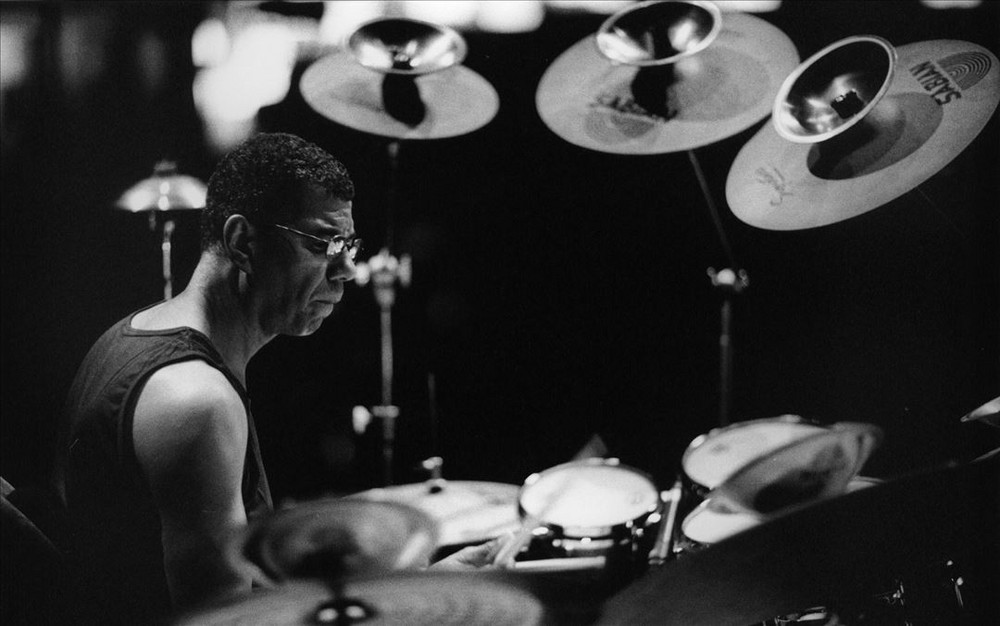 Jack DeJohnette
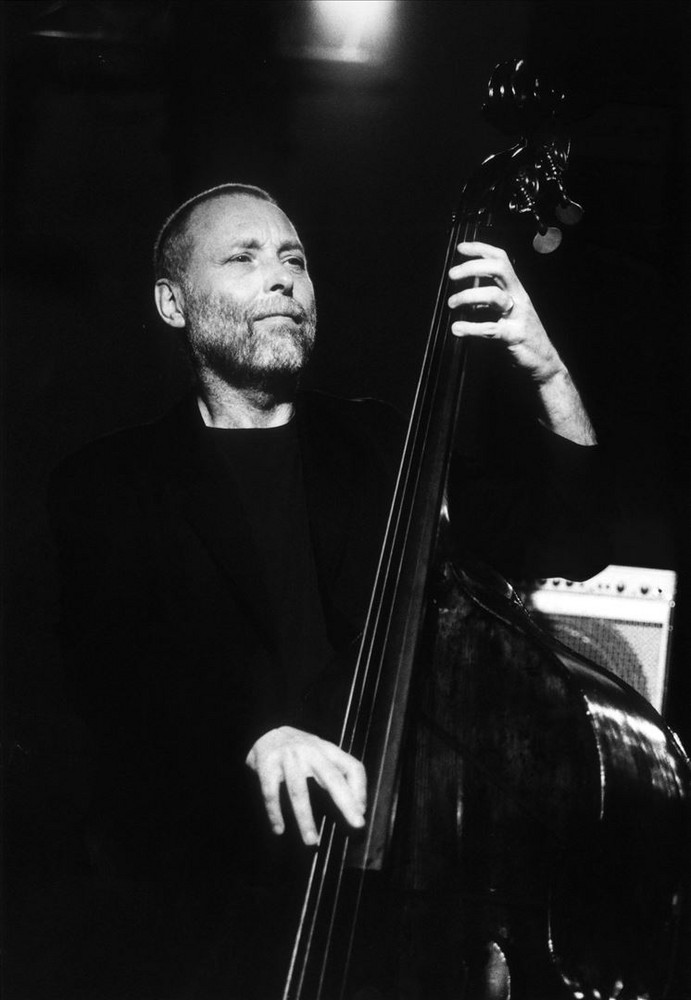 Dave Holland
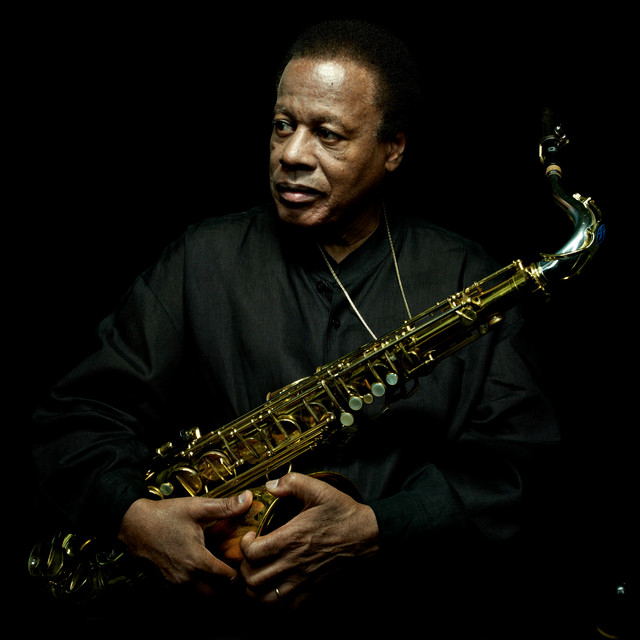 Wayne Shorter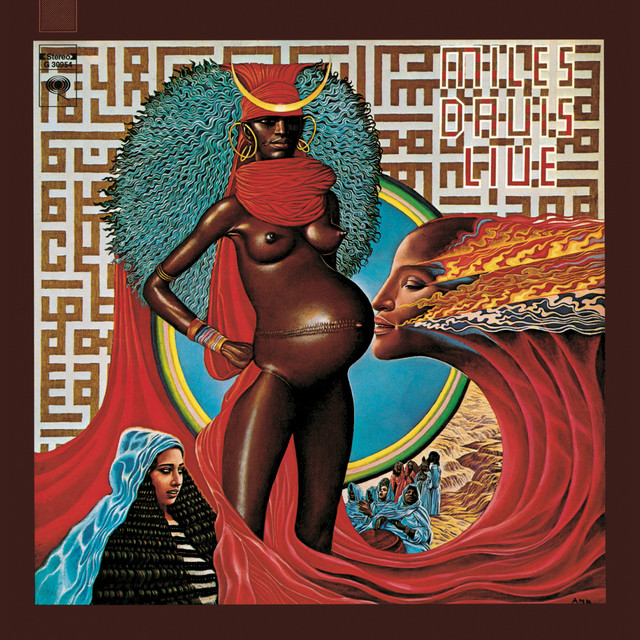



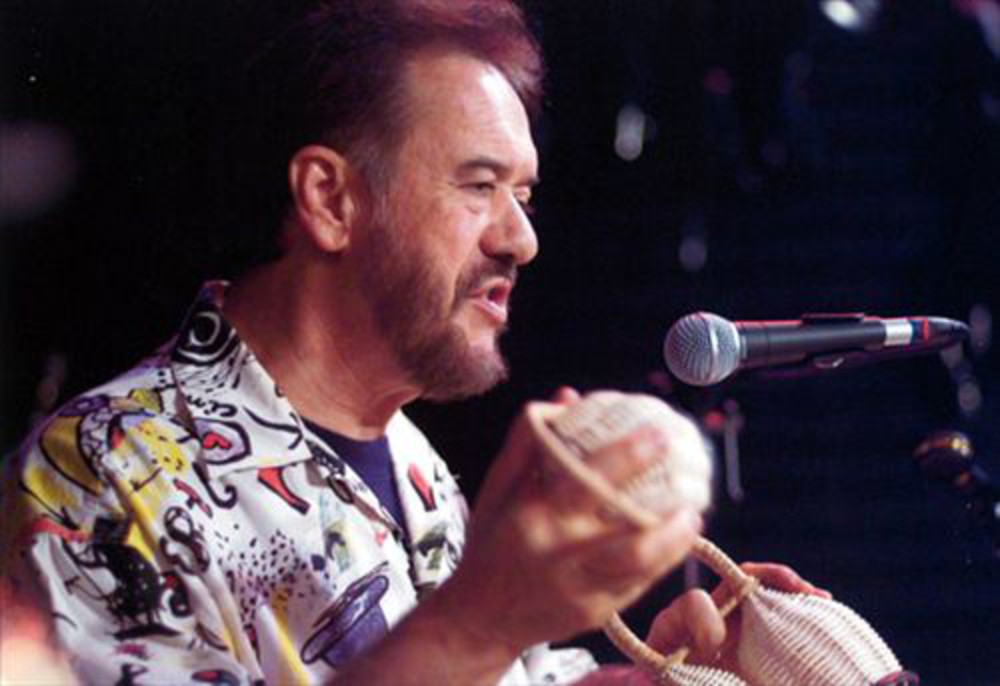 Airto Moreira