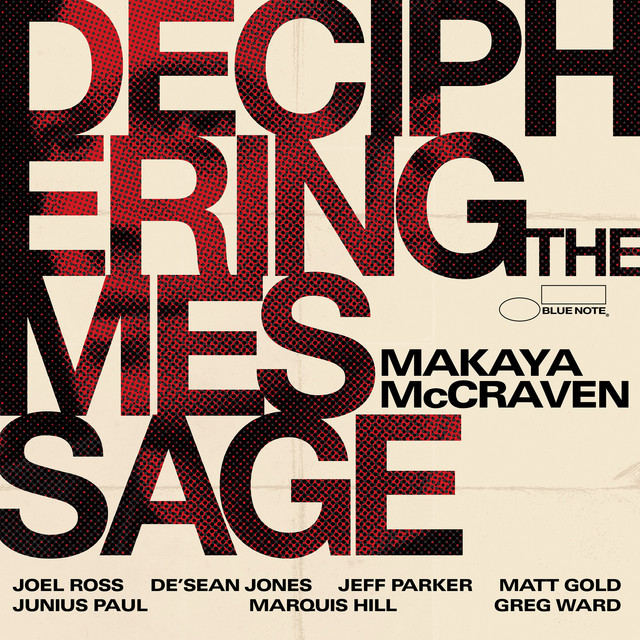
Deciphering the Message
Makaya McCraven · 2021 · Blue Note
Personnel
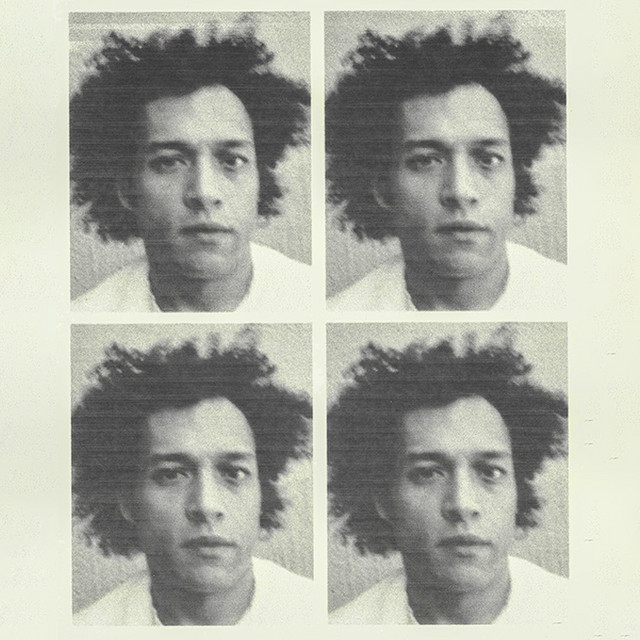
Jeff Parkercoming soon
played Guitar / Recording Engineer on this album
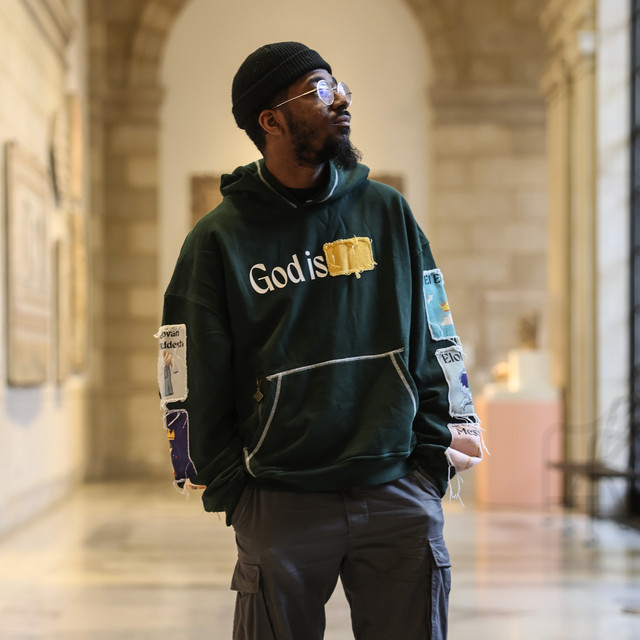
Marquis Hillcoming soon
played Recording Engineer / Trumpet on this album
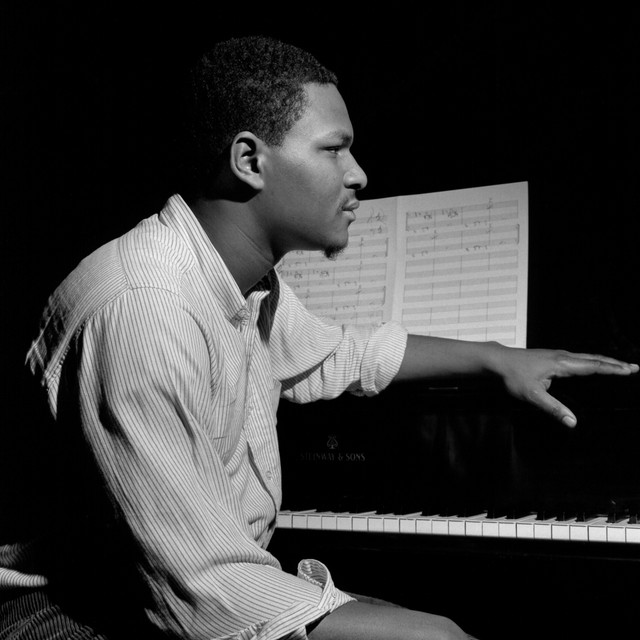
Junius Paulcoming soon
played Double Bass on this album
Jymie Merrittcoming soon
played Double Bass on this album
Bobby Timmonscoming soon
played Piano on this album
Curly Russellcoming soon
played Double Bass on this album
Lou Donaldsoncoming soon
played Alto Saxophone on this album
Dexter Gordoncoming soon
played Tenor Saxophone on this album
Garnett Browncoming soon
played Trombone on this album
De'Sean Jonescoming soon
played Saxophone on this album
The bass intro that defines Freddie Hubbard's Red Clay (1970) wasn't Hubbard's — bassist Ron Carter invented it on the spot because Freddie never brought the part. "Luckily, the right note hit at the right time," Carter said. The hook that became the song's signature was an improvisation forced by a missing chart.
Freddie Hubbard's 1970 CTI track 'Red Clay' was written to order after a producer told him to 'write a hit.' Hubbard recalled that his fellow jazz musicians sneered at him for writing something so corny — yet the commissioned tune became the record he's best remembered for.
Through the CTI years, beneath Freddie Hubbard's glittering trumpet it was Ron Carter's bass holding the floor — 1970's Straight Life among them. Hubbard's last relayed message was that he was sorry he never got to tell people how many times Ron saved his ass in the studio. The star naming the sideman as his lifeline.
Ron Carter is remembered as the bass of Miles Davis's classic quintet. But shortly before he took that chair, he recalls, he filled in for one night at the Half Note when Paul Chambers fell ill — the man about to inherit the seat quietly covering the one leaving it.
Ron Carter — now the most-recorded bassist in jazz — was an Eastman student with a 1950 Ford. After a Rochester gig, Miles Davis, Red Garland and Paul Chambers had no ride to the station, so he packed them into the car and drove them there. The future master was just the kid with wheels.
Paul Chambers's name is stamped on a mountain of hard-bop sessions, the immovable anchor of the music. Yet when Kenny Burrell chose him for his 1956 debut as a leader, the reason was almost anticlimactic: "Paul was my student." In Detroit, the definitive bass had been the guitarist's pupil.
For years the received ranking of Blue Note's tenors put Wayne Shorter on top. But drummer Joe Chambers, who was in the room, remembered it differently: 'Joe and Wayne were equal talents — Joe just had more soul.'
Cedar Walton's longtime drummer Billy Higgins is a name in the small print of countless records. But in Leimert Park, Los Angeles, he built a place called The World Stage, gathering and encouraging young musicians. He was never only a player.
The funky feel of 'Watermelon Man' on Herbie Hancock's 1962 debut Takin' Off came from drummer Billy Higgins, who landed his stroke right between straight eighths and swung triplets. The tune would soon travel far.
In 1961, pianist Cedar Walton brought his new composition "Mosaic" to a rehearsal with Art Blakey's Jazz Messengers. He later said the horn players—Freddie Hubbard, Curtis Fuller, and Wayne Shorter—devoured the tune "like eating cornflakes," playing it better than he could himself.
Billy Higgins anchored Blue Note's hard-bop peak on Herbie Hancock's Takin' Off (1962) and Lee Morgan's The Sidewinder (1964). He's also credited on the 2021 release Deciphering the Message, built from vintage Blue Note tape — two decades after his death in 2001.
In the 1960s, Freddie Hubbard was constantly measured against fellow trumpeter Lee Morgan every time he took the stand. He later said that pressure, rather than wearing him down, was exactly what kept him pushing forward.
Bob Cranshaw's unreleased 1964 Blue Note session bass takes weren't destined to gather dust in a vault. In 2021 they resurfaced, rebuilt into a new record called Deciphering the Message.
In the 1960s, as a sideman in Horace Silver's band, Joe Henderson said he didn't want to make Silver's music into something other than what Silver had envisioned — he wanted to make it even more exactly what Silver had envisioned. Long before he became known for his own singular voice as a leader, Henderson framed the sideman's job as service, not self-assertion.
Ray Brown died in 2002, yet his name still appears in the credits of the 2021 album Deciphering the Message — a record built not from new sessions but from re-edited vintage Blue Note tape, so a half-century-old bass take turns up on a release dated almost two decades after the player's death.
Kenny Burrell cut his guitar parts on Blue Note sessions across the 1950s and 60s. Decades later those same master tapes were chopped up and rebuilt into 2021's Deciphering the Message, crediting him on a brand-new record he never actually played a note for.
Kenny Dorham died in 1972. Decades later, an unreleased Blue Note tape of his was unearthed and layered with a new rhythm section for the 2021 album Deciphering the Message, giving the performance its first release only after his death.
Howard Johnson, jazz's foremost tuba specialist, is credited on Jaco Pastorius's self-titled 1976 debut — the album that redefined what the electric bass could do. He plays a marching-band instrument that has almost no other place in fusion.
Vibraphonist Bobby Hutcherson died in 2016, yet his name is credited on the 2021 album Deciphering the Message. The record layers archival tape of his old Blue Note-era performances under new rhythm tracks, so a musician already gone five years still 'plays' on it.
Joe Chambers drummed through Blue Note's mid-1960s golden age — In the Beginning (1965), Mode for Joe (1966), Tender Moments (1968) — and resurfaces half a century later on Deciphering the Message (2021), an album that reworks that same vault, with the original session player still in the room.
Featured in Episodes
Featured in Notes
Around 2021