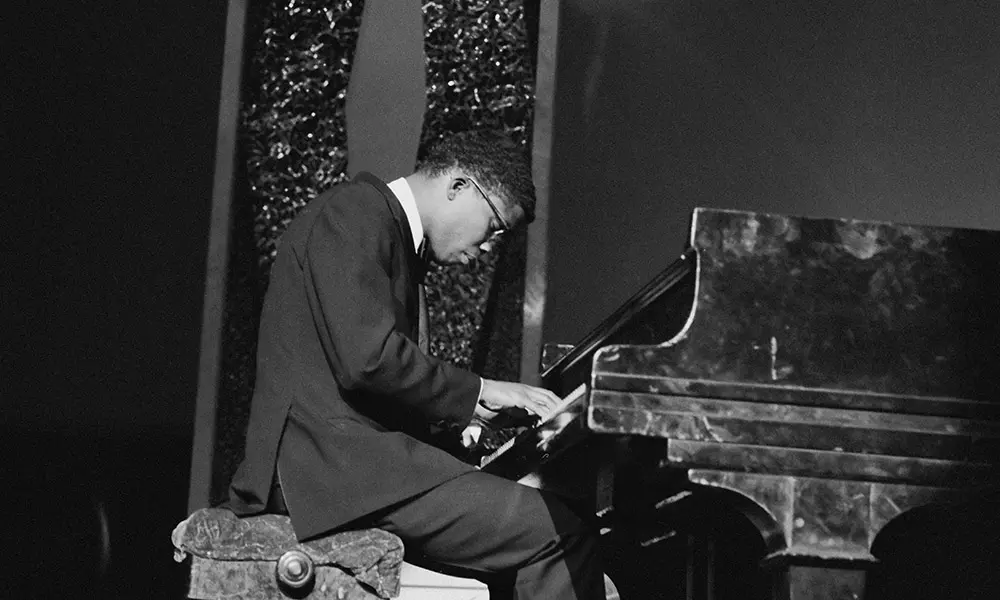
Herbie Hancock's albums
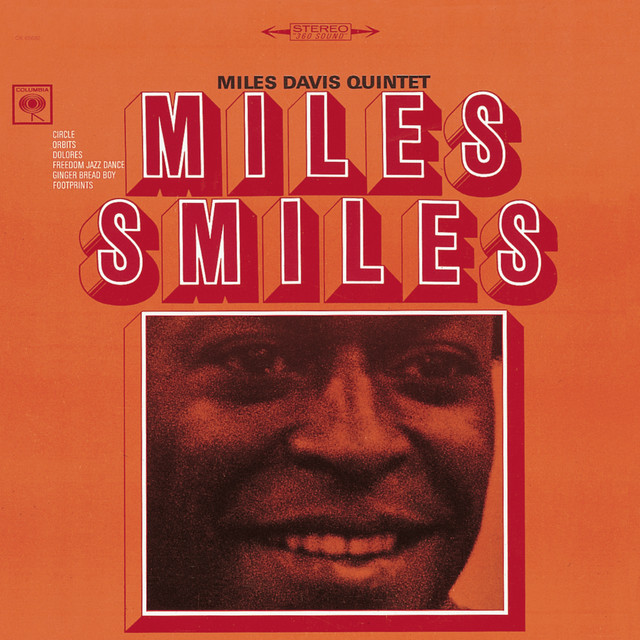
The Second Great Quintet of 1964–68. Each member had independent careers, but together they fundamentally reinvented how jazz treated time.
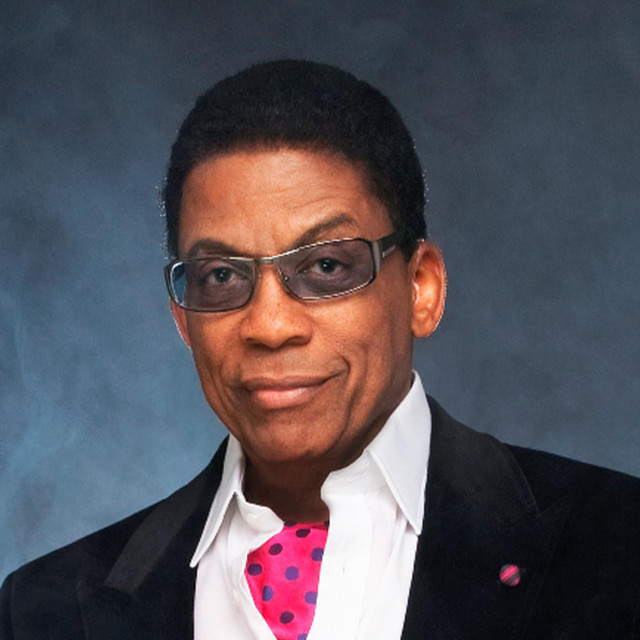
(1940–)
Chicago, IL, United States
Herbie Hancock (b. 1940) — Piano, Electric Piano. Led Takin' Off, Empyrean Isles, Maiden Voyage. Worked with Ron Carter, Wayne Shorter, Tony Williams.
For decades Hancock has stayed at the cutting edge. From 1960s acoustic jazz to '70s funk to '80s electronics, his willingness to reinvent himself has become his defining characteristic. He is the living archive of jazz's evolution — and still not done.
Herbie Hancock's albums
The Second Great Quintet of 1964–68. Each member had independent careers, but together they fundamentally reinvented how jazz treated time.
Herbie Hancock's albums
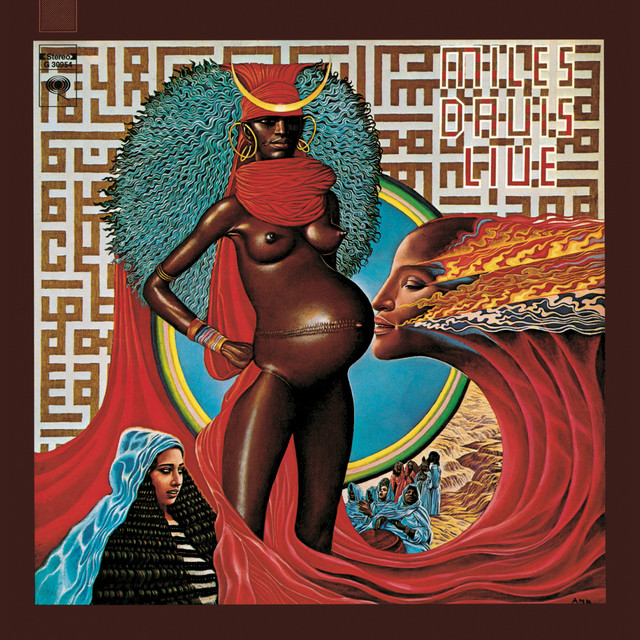
Miles's 1969–70 studio experiments fused rock's rhythmic sensibility with jazz improvisation. Bitches Brew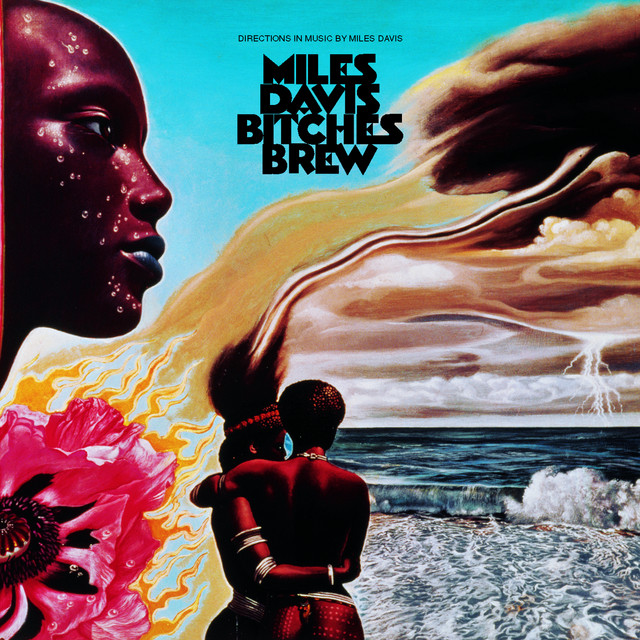

Herbie Hancock's albums
The 1964–66 Blue Note period was when Wayne Shorter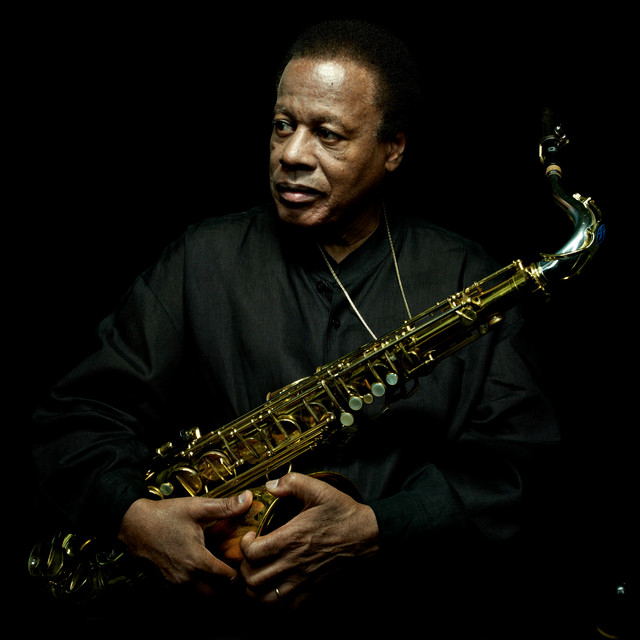
Herbie Hancock's videos
October 1967, Stockholm. One of the very few proper video documents of the Second Great Quintet. 'Agitation,' 'Footprints,' and ''Round Midnight' bleed into each other, and you can literally see how the four of them collectively own the time.
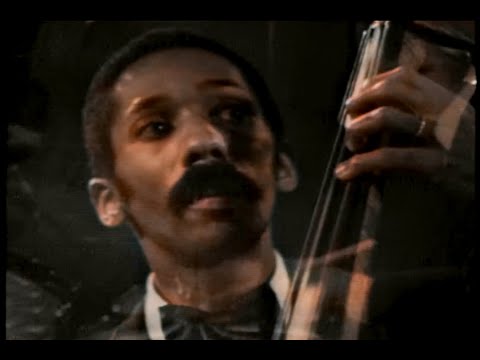 — Miles Davis Quintet — Stockholm 1967, 1967
Herbie Hancock's albums
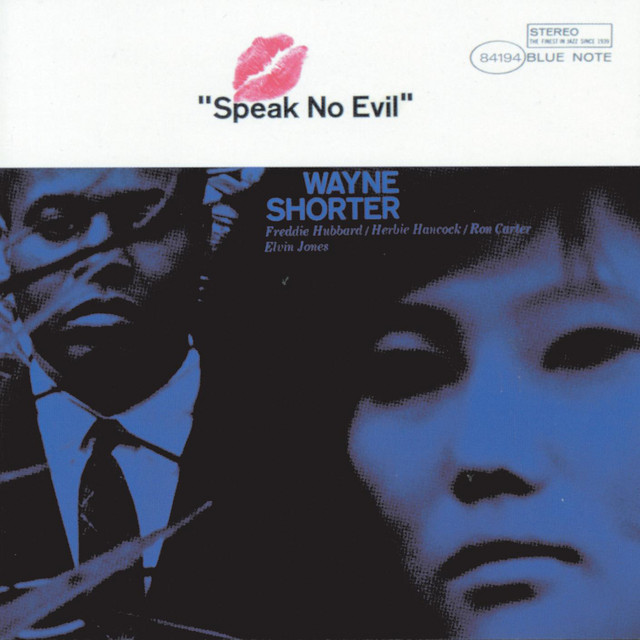
Speak No Evil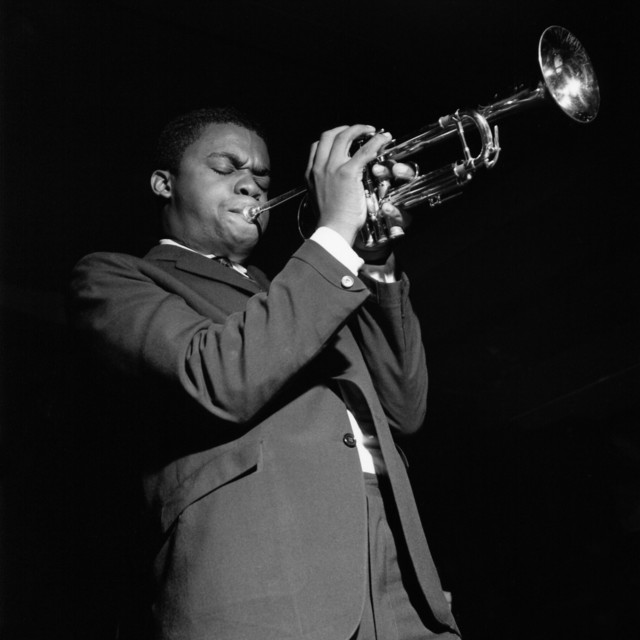
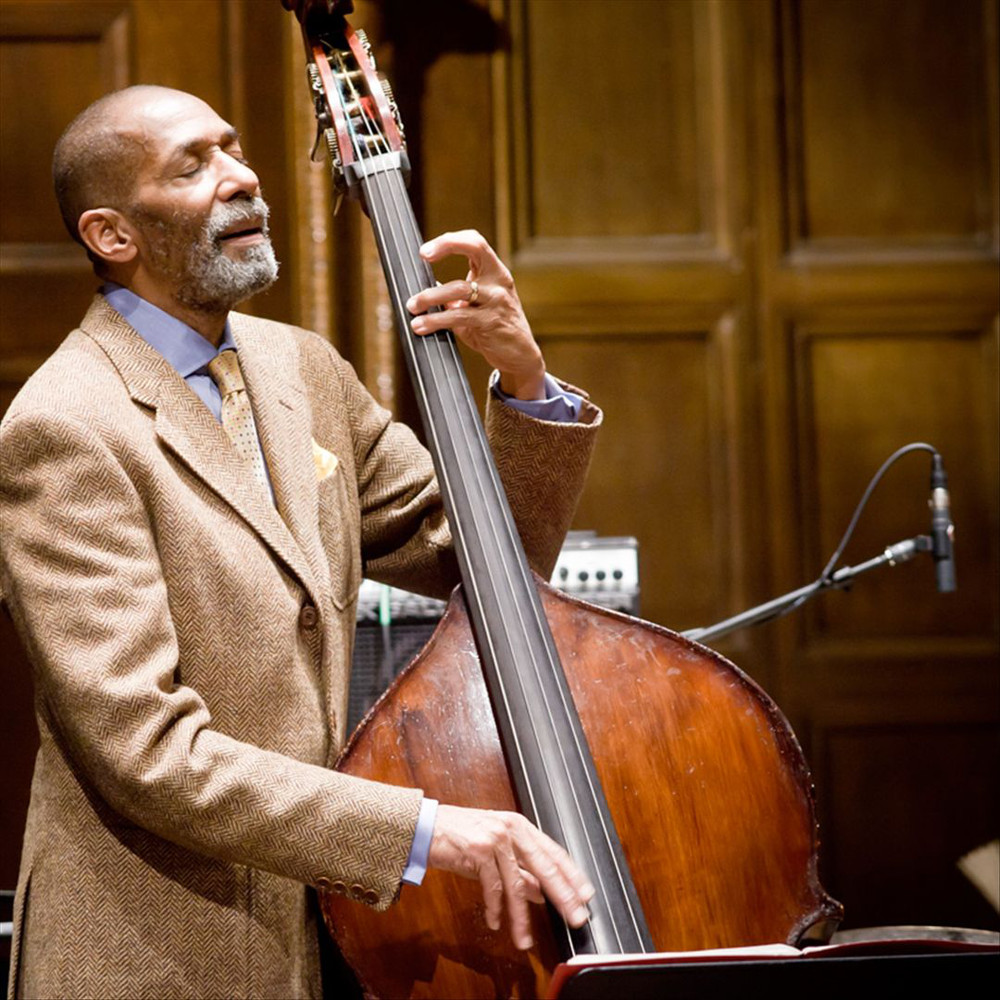
 — Footprints: The Life and Work of Wayne Shorter, Michelle Mercer, 2004
Herbie Hancock's leader album
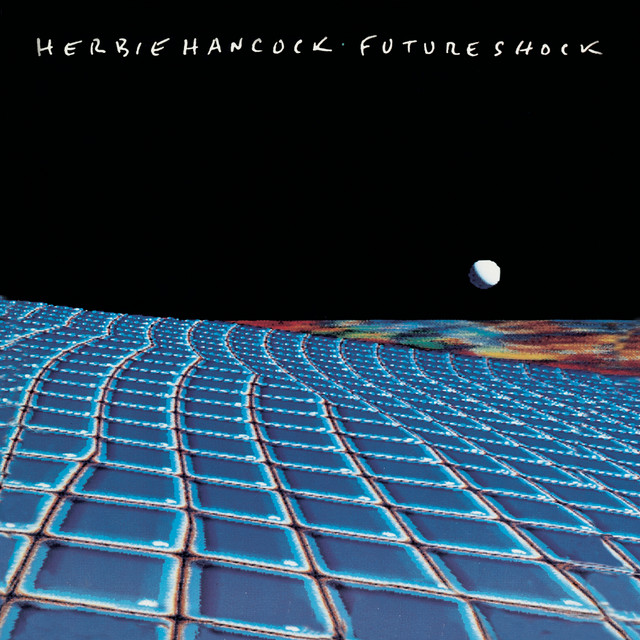
Herbie Hancock
— How Herbie Hancock's 'Rockit' changed everything — The Guardian
sourcedHerbie Hancock's leader album
Leon Chancler
— Leon 'Ndugu' Chancler — Percussive Arts Society
sourcedHerbie Hancock said
'Miles taught me how to turn a mistake into an opportunity'
During his time with the Miles Davis Quintet (1963–68). Based on the well-known episode where Miles turned Herbie's 'wrong' chord into part of the music.

Herbie Hancock said
"Miles told us: there are no wrong notes. It's what you do with them next that matters."
Hancock recalled this lesson from the Second Great Quintet years in his memoir.
Herbie Hancock's leader album
The early-70s Mwandishi band was commercially unsuccessful but laid the groundwork for the Headhunters pivot.
sourcedHerbie Hancock's leader album
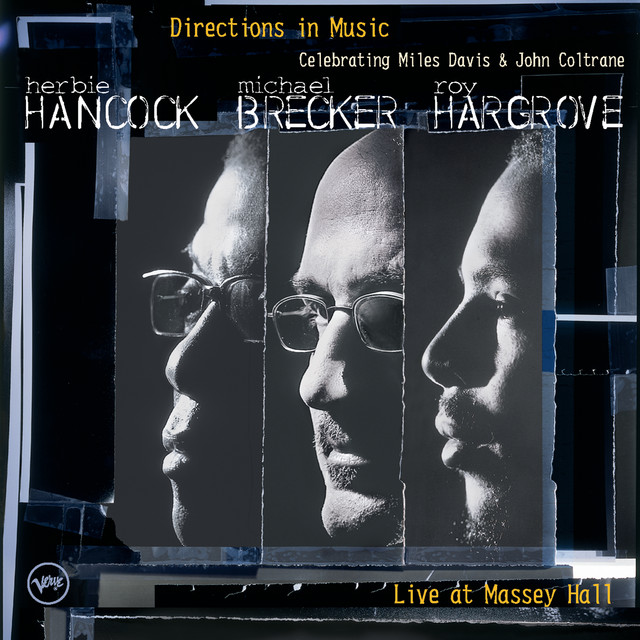
Directions in Music (2001) was Hancock's tribute to Miles Davis and John Coltrane. Placing Hargrove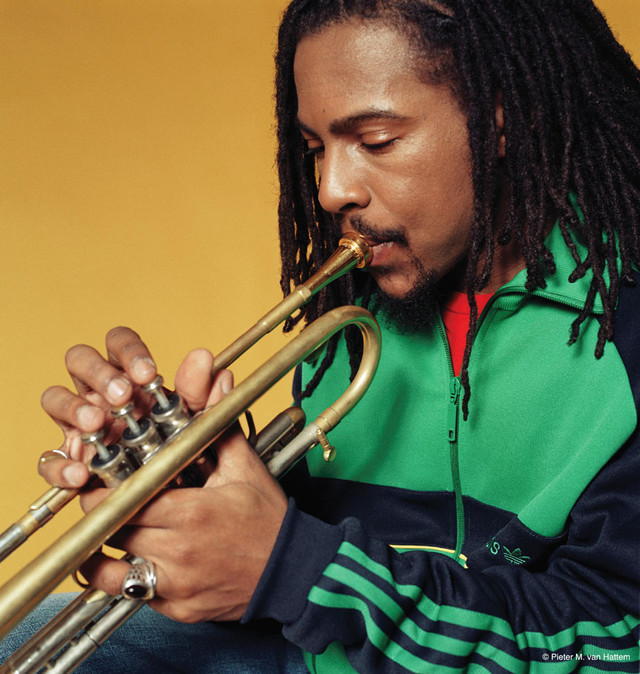
Herbie Hancock's albums
Reggie Workman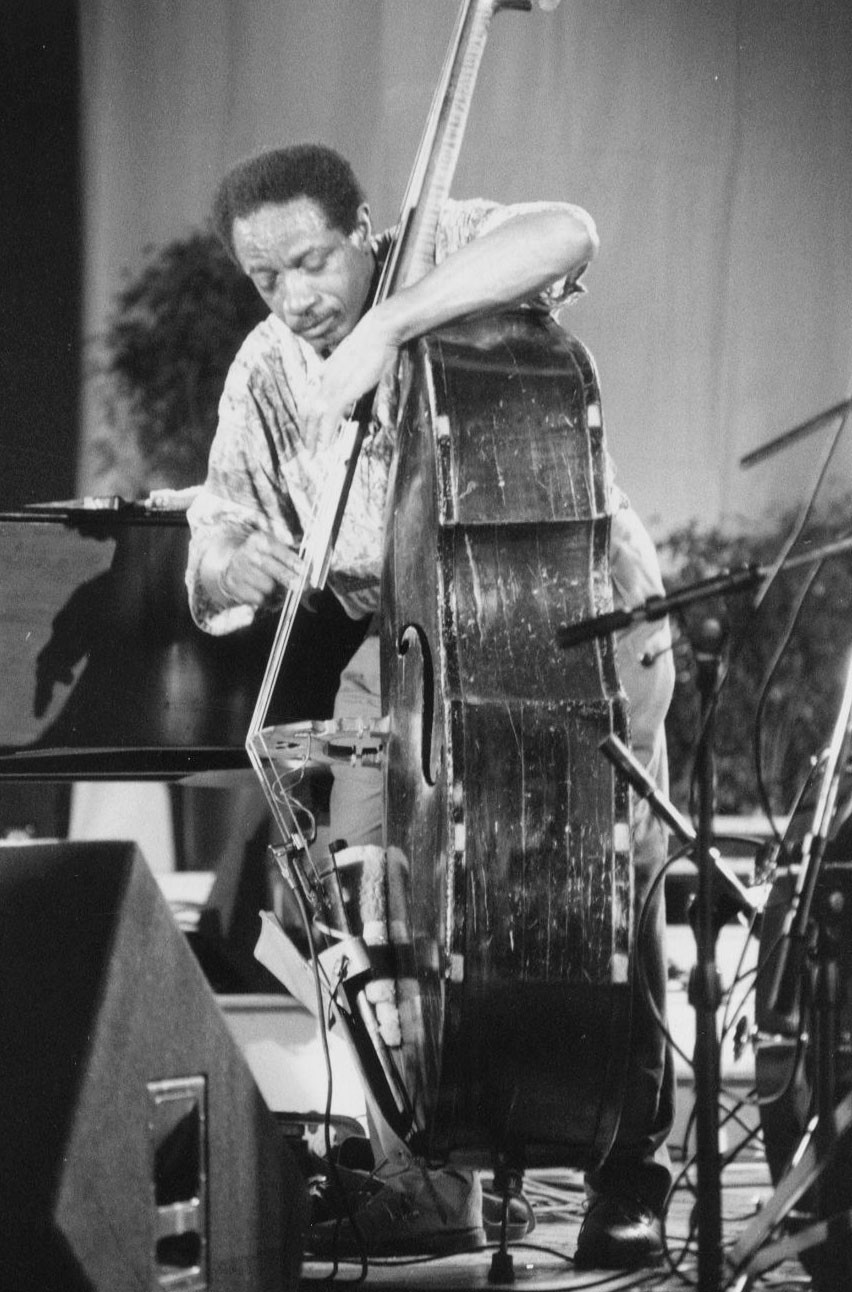
Herbie Hancock's videos
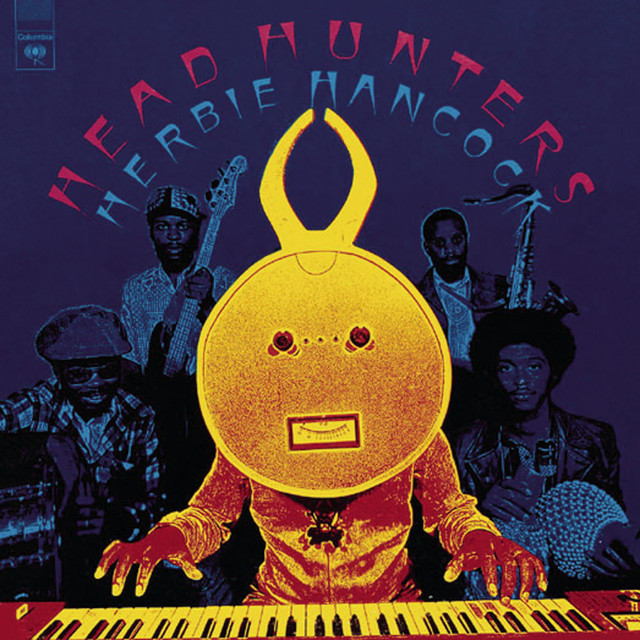
1974, Radio Bremen's Musikladen studio. 'Chameleon' from Herbie's Headhunters era — fully stepped away from acoustic jazz, with funk groove as the new center of gravity.
Herbie Hancock's videos
July 9, 1990, Jazz à Vienne. The Parallel Realities tour — Herbie Hancock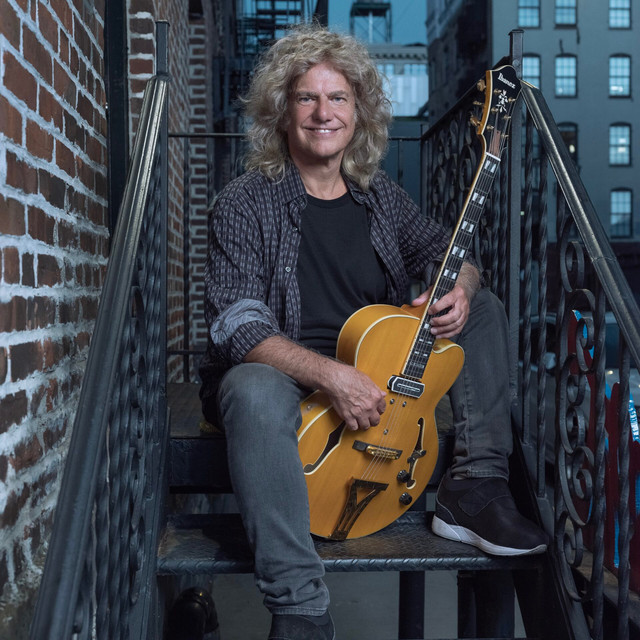
Herbie Hancock's albums
E.S.P.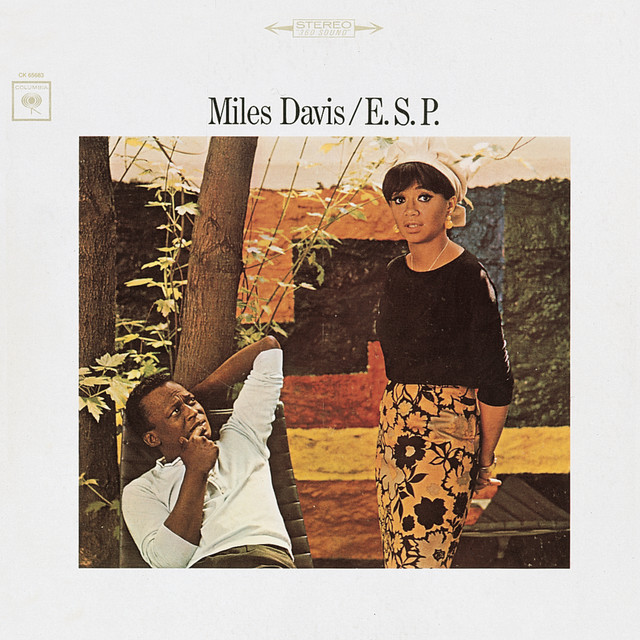
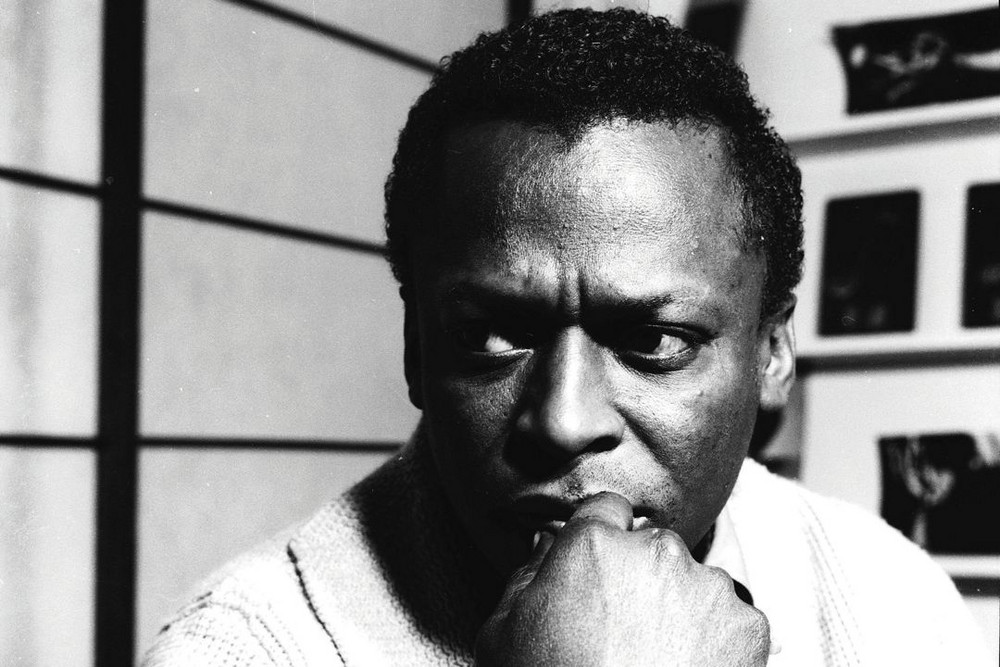
 — So What: The Life of Miles Davis, John Szwed, 2002
Herbie Hancock's albums
On the title track of Nefertiti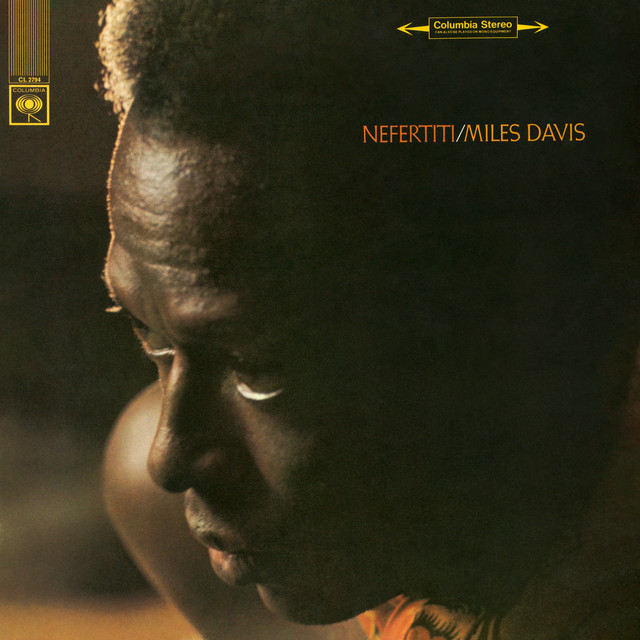
— Footprints: The Life and Work of Wayne Shorter, Michelle Mercer, 2004
Herbie Hancock's leader album
Empyrean Isles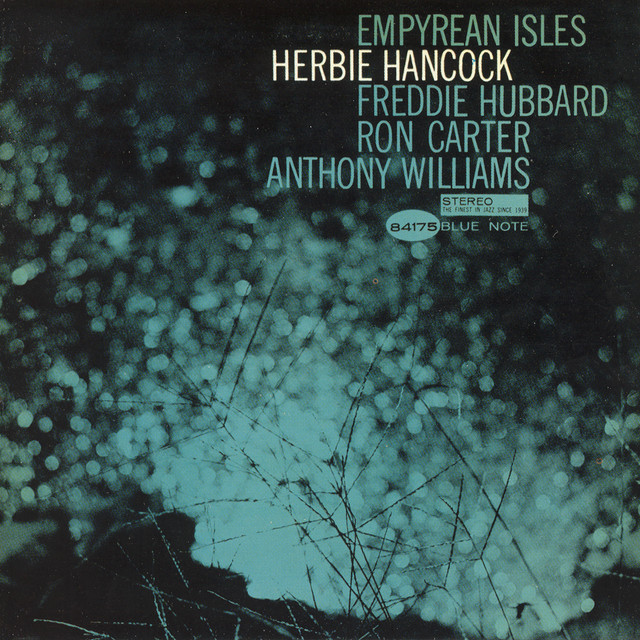
 — Blue Note Records: The Biography, Richard Cook, 2003
"Rockit" (1983) became Herbie Hancock
 — Possibilities, Herbie Hancock, 2014
Herbie Hancock's leader album
Freddie Hubbard
— Blue Note Records: The Biography, Richard Cook, 2003
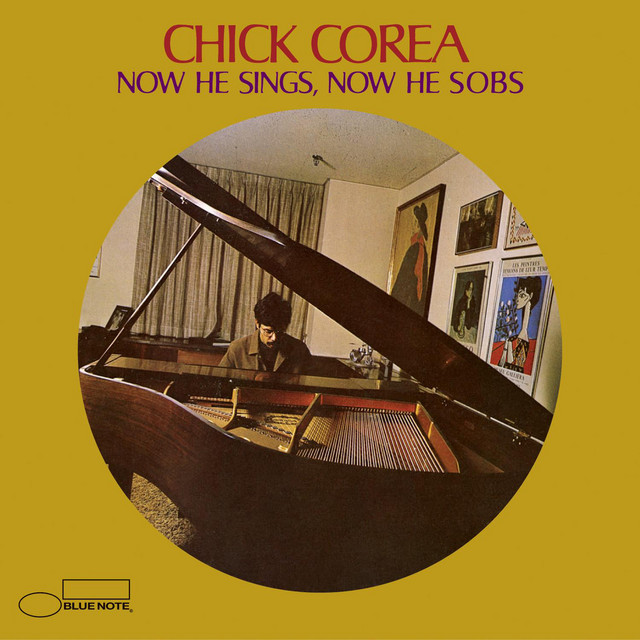
On 1968's Now He Sings, Now He Sobs, Chick Corea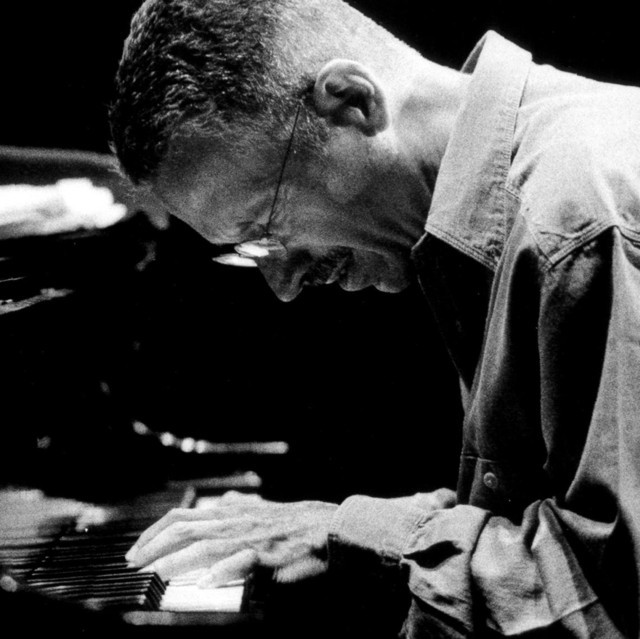
Lionel Loueke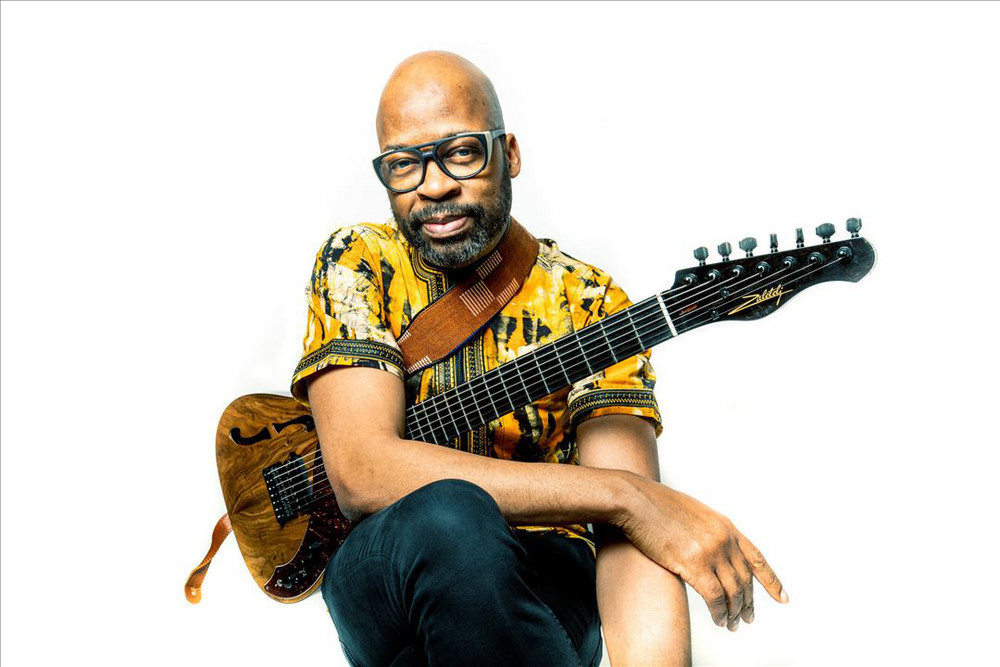
— Possibilities, Herbie Hancock, 2014
"There are no wrong notes. It's what you do with them next that matters." Herbie Hancock
— Statement stmt-hancock-improvisation
Herbie Hancock's albums
The call came not from Herbie himself but from Tony Williams: Miles Davis wanted Chick Corea in Baltimore in 1968 because Herbie Hancock couldn't make the date. Corea's seat at the piano began as a one-night fill-in — and became the core of Miles's electric period.
— Statement stmt-chick-corea-on-miles-davis-2
Herbie Hancock's albums
Pilgrimage (2007) was the last album Brecker recorded, in the year he died, with Herbie Hancock on piano. Of a record made at the edge of death, Hancock said: 'That record is alive—one hundred percent, more than alive, Michael Brecker.' The final document was the most alive.
— Statement stmt-herbie-hancock-on-michael-brecker
Herbie Hancock's albums
The funky feel of 'Watermelon Man' on Herbie Hancock's 1962 debut Takin' Off came from drummer Billy Higgins, who landed his stroke right between straight eighths and swung triplets. The tune would soon travel far.
— Statement stmt-herbie-hancock-on-billy-higgins
Herbie Hancock's albums
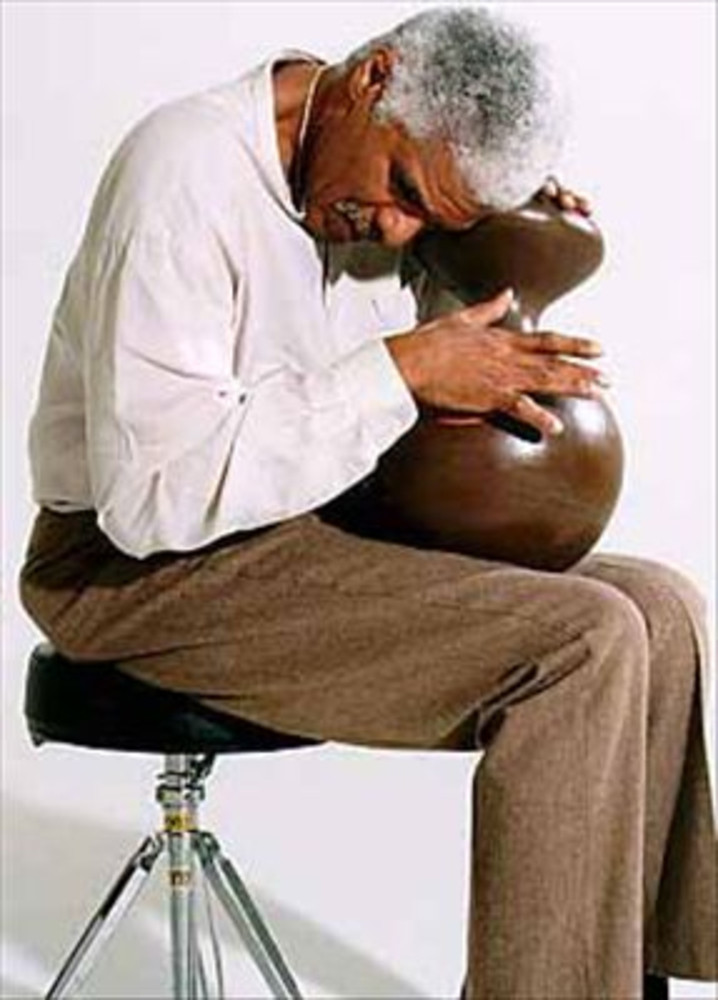
Don Alias was brought to Bitches Brew (1970) as a percussionist, but on "Miles Runs the Voodoo Down" he is the one at the drum kit — the New Orleans-flavored beat was his idea, and the leader told him to play it himself.
— Statement stmt-jack-dejohnette-on-don-alias
Herbie Hancock said
That record is alive, a hundred percent or more alive Michael Brecker.
Hancock on what Brecker left on the posthumously released album Pilgrimage.
Herbie Hancock said
Billy had this way of playing that fell somewhere between straight eighth notes and the swinging triplets of jazz, and he gave the song a great funky-jazz flavor.
Recalling the 1962 recording of "Watermelon Man" for his debut LP Takin' Off.
About Herbie Hancock
Wayne was a very quiet person, but he wrote great lines and had a great sense of harmonic direction. And Herbie was starting to explore not so much new chord voicings, but places to play these new sounds.
Recalling his bandmates during his 1960s tenure in the Miles Davis Quintet.
About Herbie Hancock
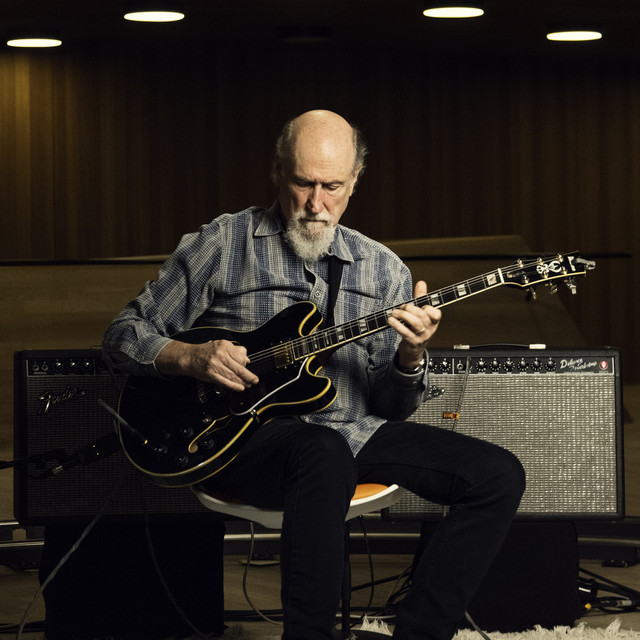
We also played together on Herbie's New Standards, that was a great recording which featured Michael Brecker, John Scofield, Dave Holland, myself and Don Alias.
Listing his work with percussionist Don Alias, including Herbie Hancock's The New Standard (1995).
About Herbie Hancock
Tony was the one who called me up for the gig. He said, "Miles wants you to come to Baltimore. Herbie can't make it."
Corea recalls how Tony Williams's phone call brought him into Miles Davis's band, replacing Herbie Hancock.
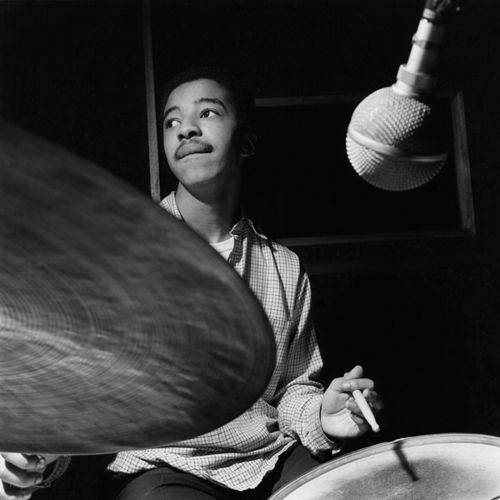 Tony Williams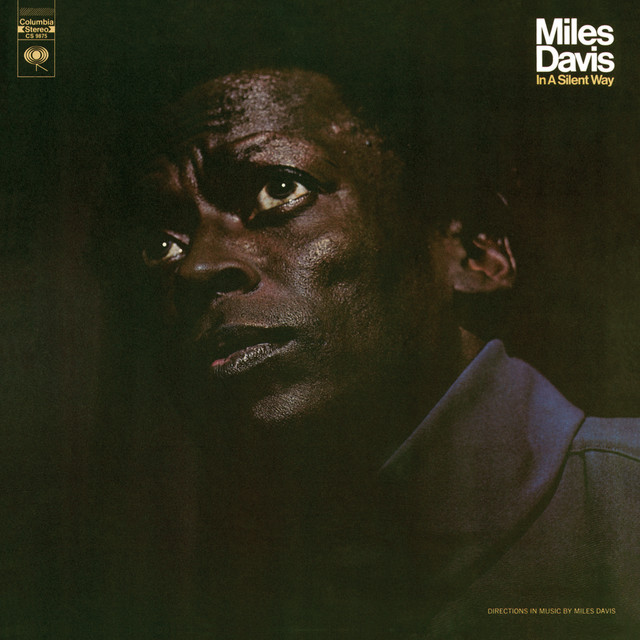
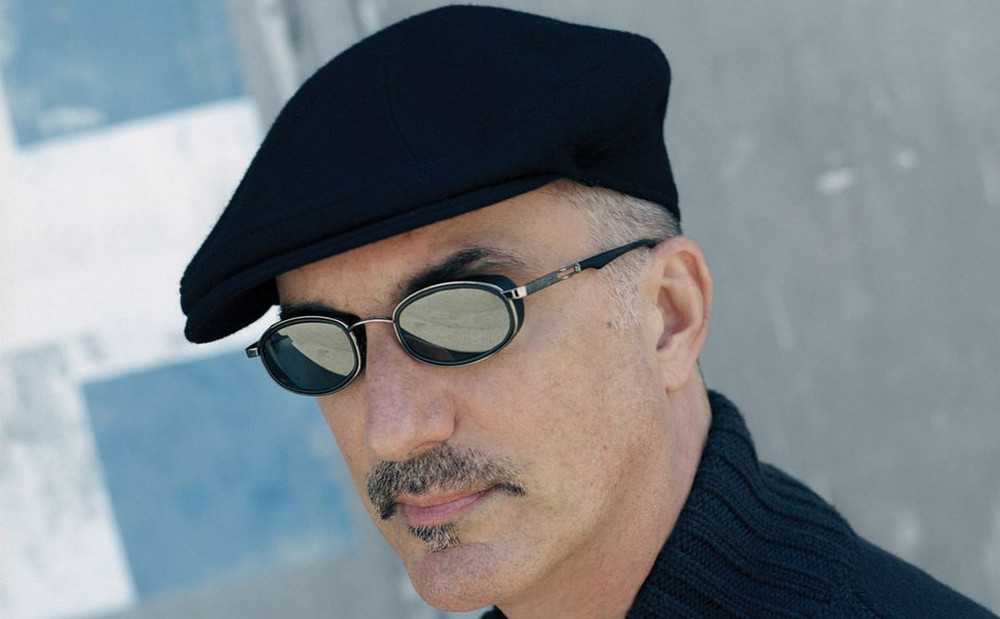 Michael Brecker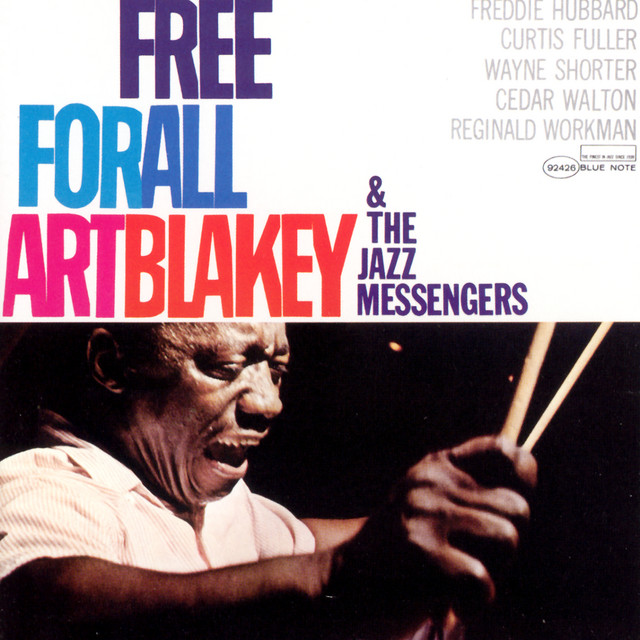




 Don Alias
 John Scofield