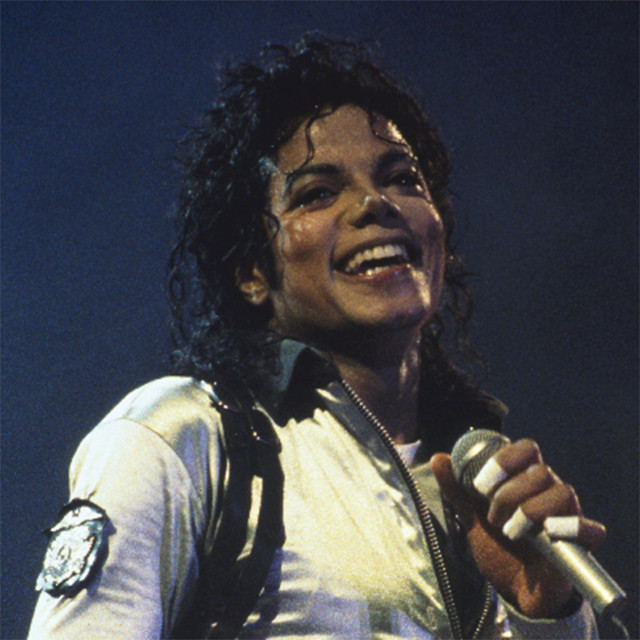
Michael Jackson (b. 1958) — Background Vocals, Lead Vocals. Led Off the Wall, Thriller, Bad. Worked with Paulinho Da Costa, Jerry Hey, Greg Phillinganes.
Gary, Indiana-born pop icon whose Quincy Jones-produced trilogy — Off the Wall (1979), Thriller (1982), Bad (1987) — assembled a who's who of jazz session musicians: Ndugu Chancler (drums, ex-Miles Davis), Louis Johnson (bass, Brothers Johnson), Tom Scott (lyricon), Greg Phillinganes (keys, ex-Stevie Wonder), Paulinho da Costa (percussion), Jerry Hey's Seawind Horns, and Jimmy Smith (organ). Though he couldn't read music, he composed by singing every instrumental part — a method that astonished the session players who translated his vocal sketches into recordings. Passed away June 2009.
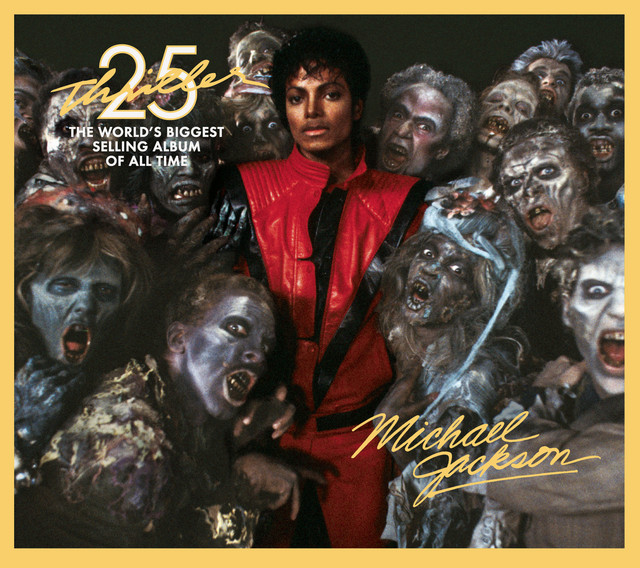
Michael Jackson's leader album
Thriller
Michael Jackson · 1982
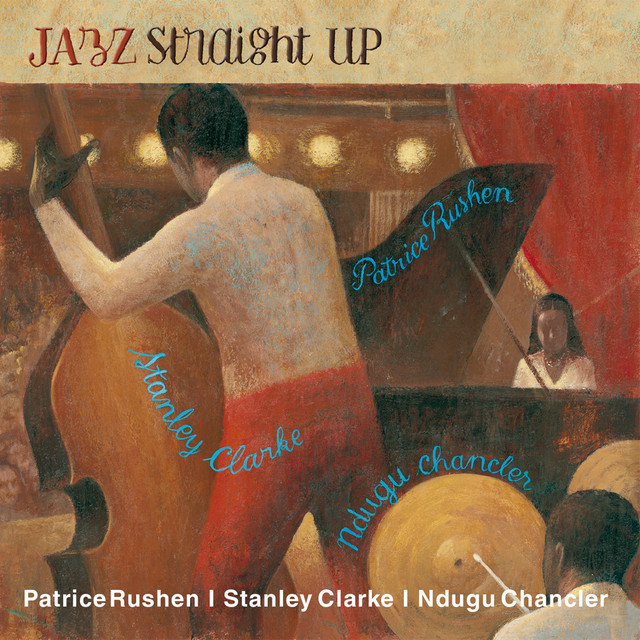
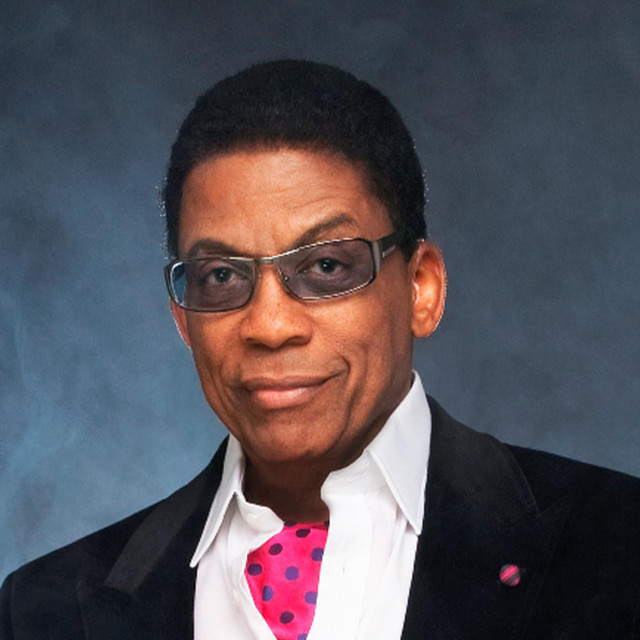
The drummer on 'Billie Jean' — Ndugu ChanclerNdugu Chanclerンドゥグ・チャンクラー — was a jazz musician who had played with Miles Davis and Freddie Hubbard while still in college. His name 'Ndugu' (Swahili for 'brother') was given to him by Herbie HancockHerbie Hancockハービー・ハンコック during his time in Hancock's avant-garde Mwandishi band. He also played with Weather Report. Pop history's most recognizable drum groove was the work of a jazz drummer. Chancler also played drums on 'P.Y.T.' and 'Baby Be Mine' on Michael JacksonMichael Jacksonマイケル・ジャクソン's Thriller.
When Quincy JonesQuincy Jonesクインシー・ジョーンズ offered to produce Michael JacksonMichael Jacksonマイケル・ジャクソン, Epic Records rejected him — 'Quincy's too jazzy.' That was exactly Jones's intent. In a 2018 interview he said: ''Baby Be Mine' is pure Coltrane — it's got pop lyrics and a beat, but the essence is Coltrane. Getting the young kids to hear bebop is what I'm talking about.' A man who studied under Nadia Boulanger in Paris, played trumpet in Dizzy Gillespie's big band, and arranged for Sinatra-Basie smuggled bebop into the best-selling album of all time.
Jazz organ titan Jimmy Smith was invited by Quincy JonesQuincy Jonesクインシー・ジョーンズ to play Hammond B3 on Michael JacksonMichael Jacksonマイケル・ジャクソン's 'Bad.' Smith recorded a 20-minute organ solo in the studio, which was then edited down to just over one minute and 'electronically altered through 10 other keyboards and synthesizers.' The greatest jazz organist in history, distilled into a pop-funk track.
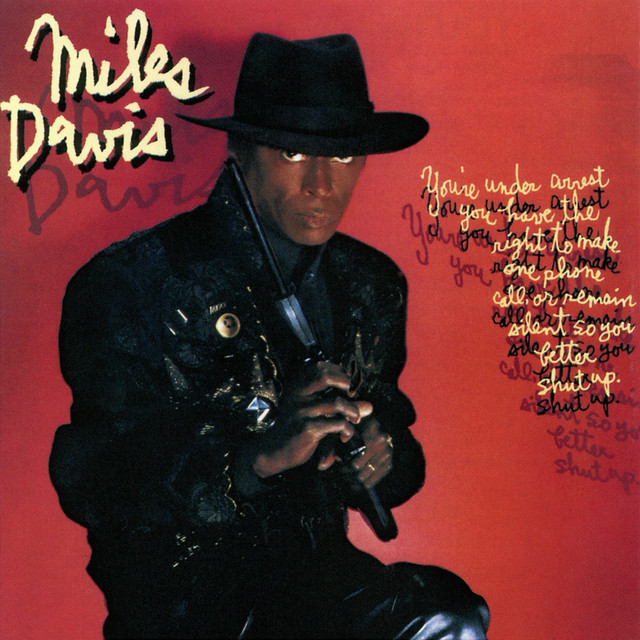
Miles DavisMiles Davisマイルス・デイヴィス covered Michael JacksonMichael Jacksonマイケル・ジャクソン's 'Human Nature' on his 1985 album You're Under Arrest. During the session, his longtime drummer Al Foster refused to play a pop song, walked out of the studio, and never came back — ending their collaboration. Miles defended his choice: 'Why can't Human Nature be a standard?' The original melody began as a tune Toto's Steve PorcaroSteve Porcaroスティーヴ・ポーカロ wrote for his daughter after she came home crying from school.
Rod TempertonRod Tempertonロッド・テンパートン — who wrote 'Thriller,' 'Rock with You,' and 'Off the Wall' — was a former fish filleter from Cleethorpes, England, and keyboardist of funk band Heatwave. When Quincy JonesQuincy Jonesクインシー・ジョーンズ called him, he hung up thinking it was a prank. 'Thriller' was originally titled 'Starlight,' but Jones said it wasn't strong enough for an album title. Temperton wrote 200–300 alternatives in his hotel room before landing on 'Thriller.' He composed Vincent Price's spoken-word script in a taxi on the way to the studio — Price recorded it in two takes.
Brazilian percussionist Paulinho Da CostaPaulinho Da Costaパウリーニョ・ダ・コスタ had worked with jazz legends Dizzy Gillespie, Joe Pass, and Milt Jackson before earning Quincy JonesQuincy Jonesクインシー・ジョーンズ's trust. He played percussion on all three Michael JacksonMichael Jacksonマイケル・ジャクソン–Jones albums: Off the Wall, Thriller, and Bad. The distinctive cuíca (Brazilian friction drum) that colors 'Wanna Be Startin' Somethin'' was Da Costa's own idea. DownBeat called him 'one of the most talented percussionists of our time.'
The brass sound threading through Michael JacksonMichael Jacksonマイケル・ジャクソン's three albums was created by members of Seawind, a jazz-fusion band from Hawaii. Trumpeter Jerry HeyJerry Heyジェリー・ヘイ was discovered by Quincy JonesQuincy Jonesクインシー・ジョーンズ at The Baked Potato, an LA jazz club, and became Jones's 'first call' horn arranger. Hey, Larry Williams (sax), Kim Hutchcroft (sax), Bill Reichenbach (trombone), and Gary Grant (trumpet) played the horn section on Off the Wall, Thriller, and Bad — defining MJ's sonic signature.
Quincy JonesQuincy Jonesクインシー・ジョーンズ's jazz album The Dude (1981) and Michael JacksonMichael Jacksonマイケル・ジャクソン's Thriller (1982) were recorded just a year apart with nearly the same rhythm section — Greg PhillinganesGreg Phillinganesグレッグ・フィリンゲインズ (keys), JR Robinson (drums), Louis JohnsonLouis Johnsonルイス・ジョンソン (bass), Paulinho Da CostaPaulinho Da Costaパウリーニョ・ダ・コスタ (percussion), Steve LukatherSteve Lukatherスティーヴ・ルカサー (guitar), Rod TempertonRod Tempertonロッド・テンパートン (songwriter). The Dude was essentially the jazz-side rehearsal for Thriller.
The rhythm guitar foundation of 'Beat It' was laid by Paul Jackson Jr.Paul Jackson Jr.Paul Jackson Jr. — a fusion guitarist whose regular gigs were jazz albums with George BensonGeorge Bensonジョージ・ベンソン, Al Jarreau, and Marcus MillerMarcus Millerマーカス・ミラー. Eddie Van Halen's solo gets all the attention, but it's Jackson Jr.'s Gibson ES-335 cutting that drives the groove. He also played guitar on 'The Lady in My Life' from Thriller.
Jazz guitarist Phil UpchurchPhil UpchurchPhil Upchurch had no intention of playing on Off the Wall. He stopped by the studio just to say hello to Quincy JonesQuincy Jonesクインシー・ジョーンズ, who stuck a guitar in his hands and said 'play this one.' Upchurch ended up recording on 'Workin' Day and Night' and other tracks. For a veteran jazz guitarist with nearly 30 solo albums, this became his most widely heard work.
Never Can Say Goodbye: The Music of Michael Jackson
Joey DeFrancesco · 2010
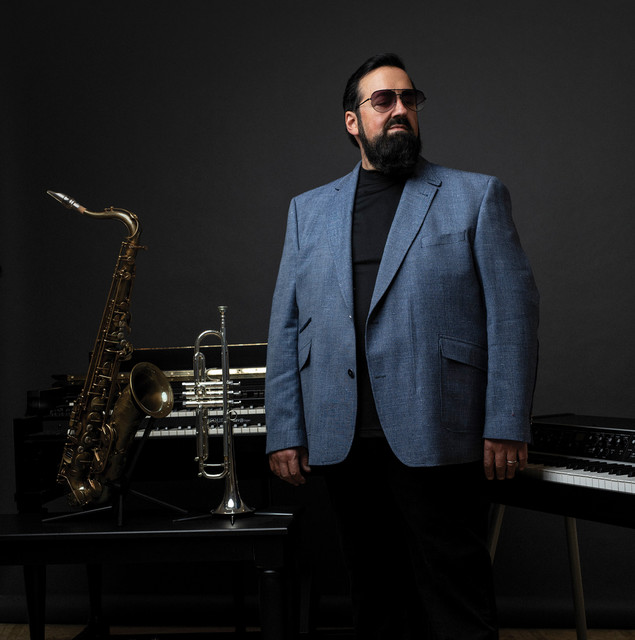
Hammond B3 organist Joey DeFrancescoJoey DeFrancescoジョーイ・デフランチェスコ recorded Never Can Say Goodbye: The Music of Michael Jackson (2010) — an entire jazz album of Michael JacksonMichael Jacksonマイケル・ジャクソン songs. He played 'Thriller,' 'Billie Jean,' 'Beat It,' 'Human Nature,' and 'Rock with You' as an organ trio, earning a Grammy nomination for Best Contemporary Jazz Album. Proof that a pop catalog can function as a jazz standards book.
Lester BowieLester Bowieレスター・ボウイ — trumpeter of Chicago's free-jazz collective Art Ensemble of Chicago — formed Brass Fantasy in 1984 and covered Michael JacksonMichael Jacksonマイケル・ジャクソン songs with an all-brass ensemble of tuba, trombone, and trumpets. They rescored MJ's basslines for tuba and reinterpreted them with half-valve effects, growls, and smears — free-jazz vocabulary applied to pop material. A boundary-dissolving experiment that used pop songs as raw material for avant-garde play.
Jennifer BattenJennifer Battenジェニファー・バトゥン was selected from over 100 candidates for Michael JacksonMichael Jacksonマイケル・ジャクソン's Bad World Tour (1987) guitarist spot. Her edge was tapping technique — trained at Musicians Institute in jazz, she'd transcribed Charlie Parker solos, and at the audition played a tapping arrangement of John Coltrane's 'Giant Steps.' Jazz discipline won her the biggest pop stage in history. She went on to play three MJ world tours and the Super Bowl XXVII halftime show (1993).
Billy Idol's guitarist Steve StevensSteve Stevensスティーヴ・スティーヴンス recorded the guitar solo on 'Dirty Diana' (1988). He expected an entourage at the studio but found only MJMichael Jacksonマイケル・ジャクソン, Quincy JonesQuincy Jonesクインシー・ジョーンズ, and an engineer. Quincy told him 'do whatever the fuck you want.' After the session, MJ said 'I really like the high notes' — the exact same compliment he'd given Eddie Van Halen after 'Beat It.' MJ's highest praise for a rock guitarist was always the same line.
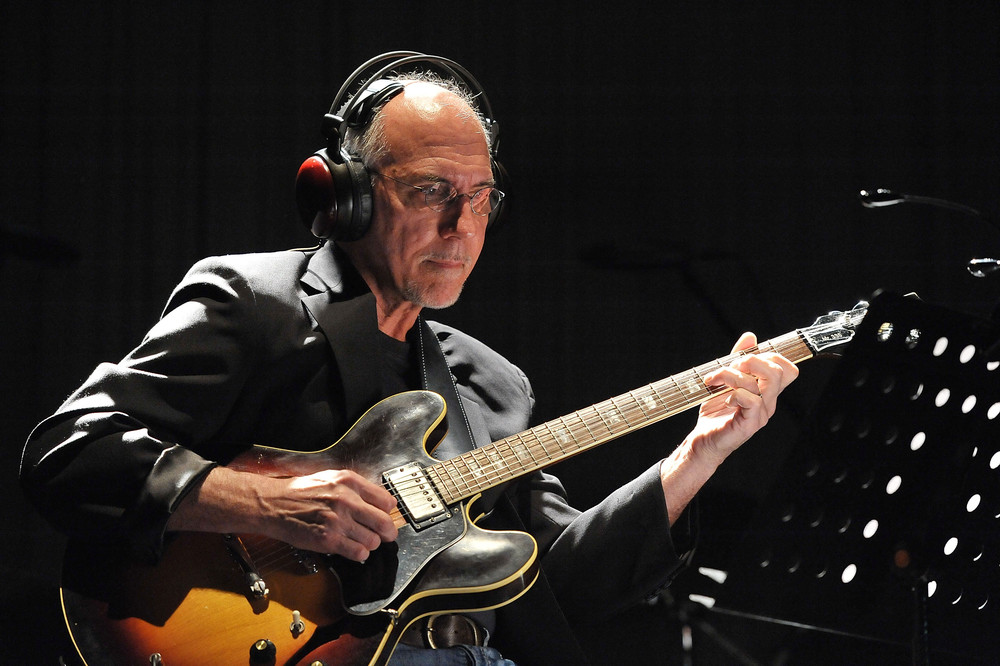
Larry CarltonLarry Carltonラリー・カールトン played guitar on 'She's Out of My Life' (1979) — the ballad MJMichael Jacksonマイケル・ジャクソン famously cried on every take. At the time, Carlton was a member of The Crusaders and the go-to soloist on Steely Dan's 'The Royal Scam' and 'Aja' — the epitome of fusion guitar. He was also on Quincy JonesQuincy Jonesクインシー・ジョーンズ's 'The Dude' in the same period, moving fluidly between jazz/fusion and pop. Jazz's 'Mr. 335' added color to one of pop's most emotional ballads.
Ndugu ChanclerNdugu Chanclerンドゥグ・チャンクラー's Michael Jackson work went beyond Thriller (1982). On Bad (1987) he played drums on "I Just Can't Stop Loving You" (the duet with Siedah Garrett). All through Quincy Jones, he played on four Jackson tracks total including "Billie Jean," "P.Y.T.," and "Baby Be Mine."