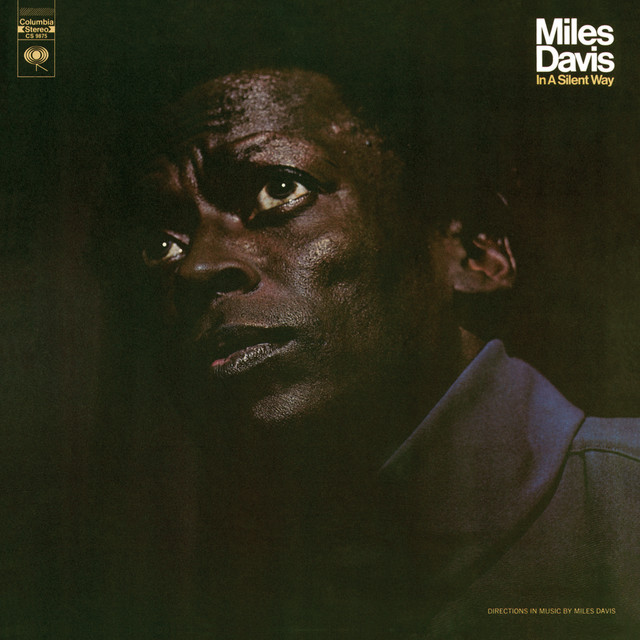
In a Silent Way
Miles Davis · 1969 · Columbia
Personnel
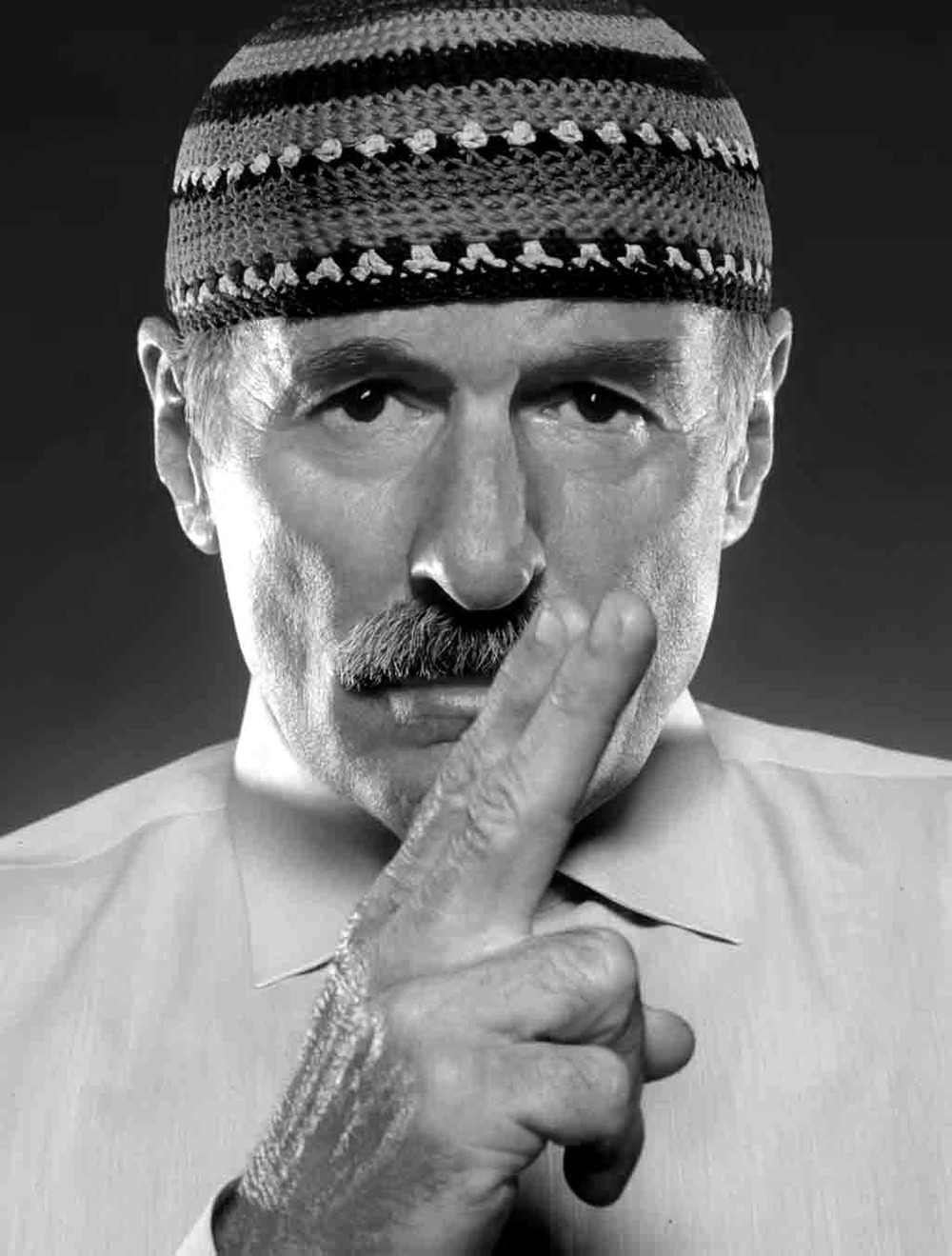
Joe Zawinul
played Piano / Electric Piano / Organ on this album
The title piece is Zawinul's composition, but Miles stripped away the chords in the studio, saying they were "cluttering up the melody." Zawinul later expressed reservations about Davis' radical simplification.
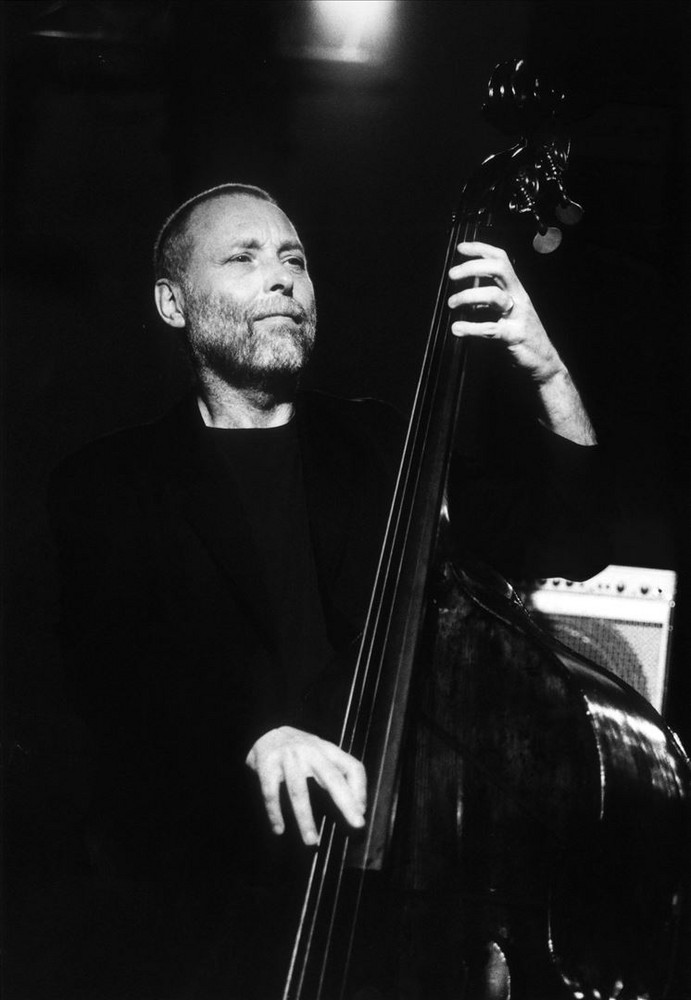
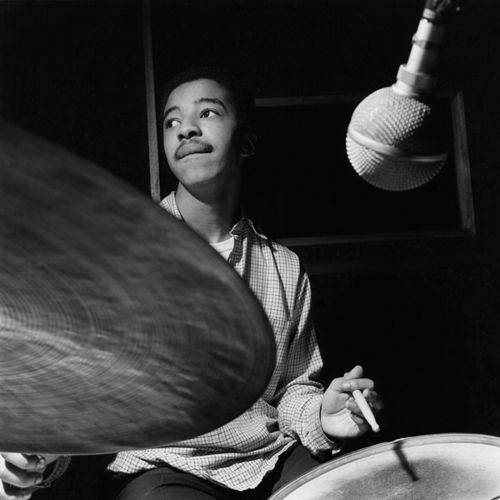
Miles's 1969–70 studio experiments fused rock's rhythmic sensibility with jazz improvisation. Bitches Brew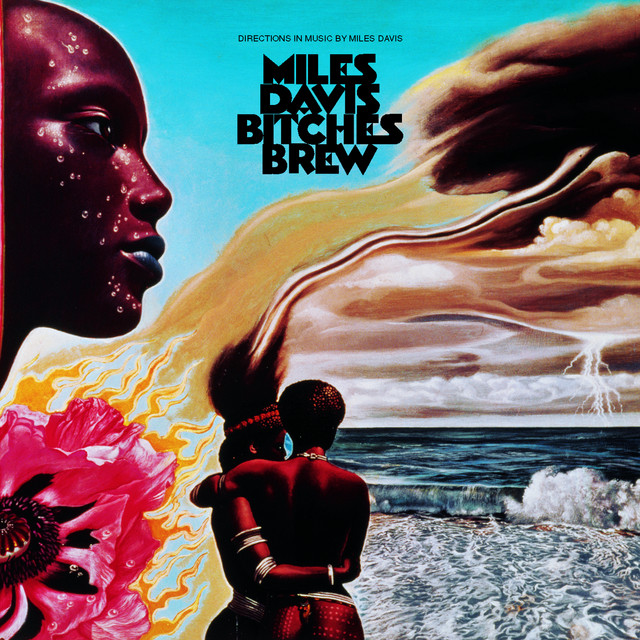
The title track of In a Silent Way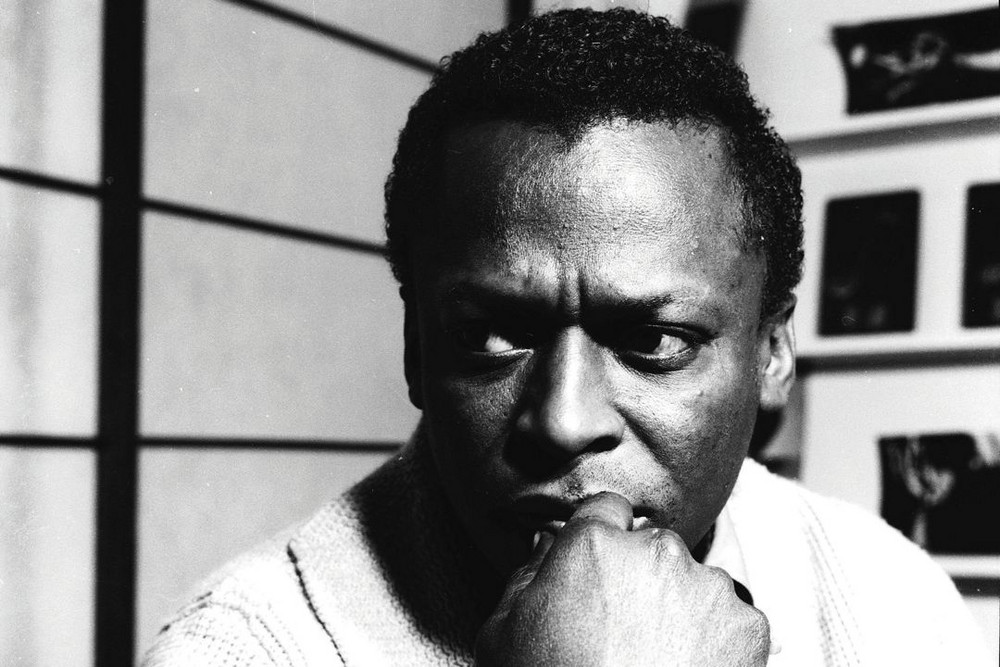
Shorter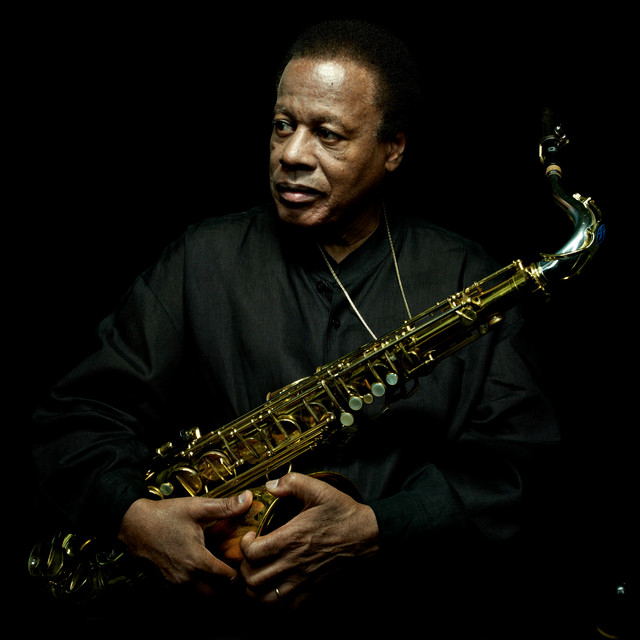
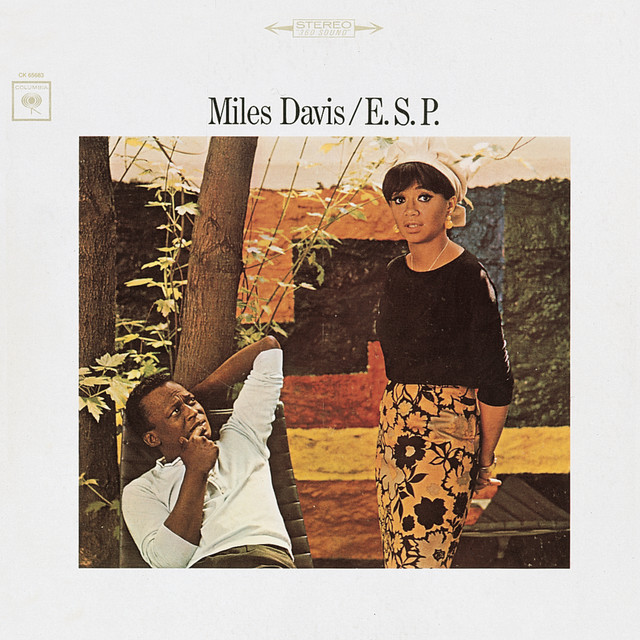
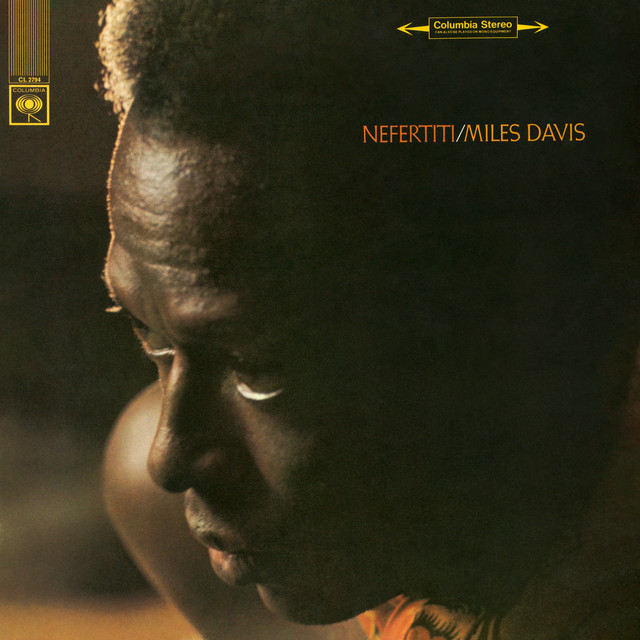
Just as Bitches Brew (1970) pushed Miles Davis's electric music to its peak, his own rhythm players Chick Corea and Dave Holland walked out — turning an off-hours trio into Circle, a free, near-atonal group, rather than chasing the fusion market.
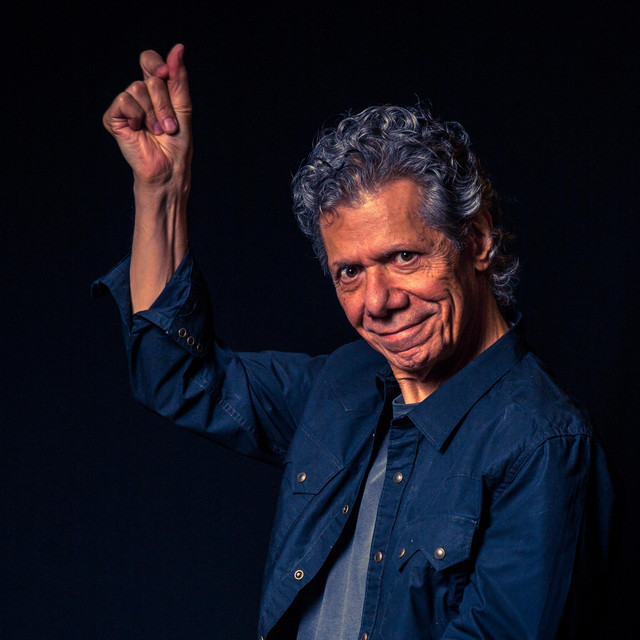
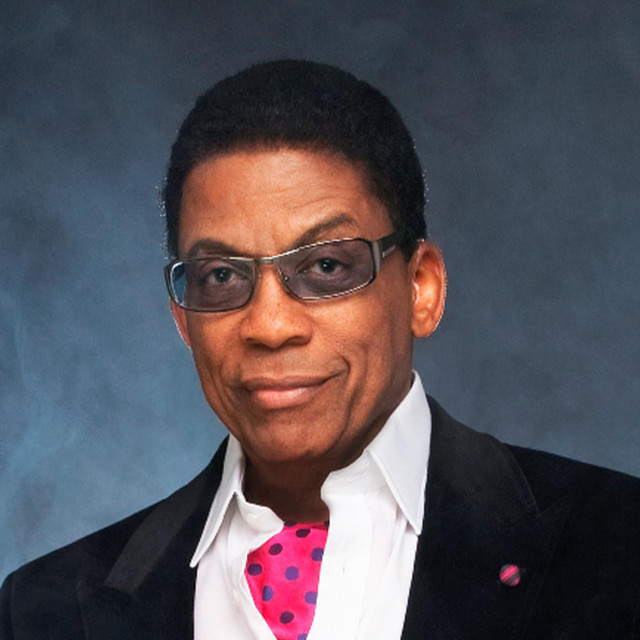
The call came not from Herbie himself but from Tony Williams: Miles Davis wanted Chick Corea in Baltimore in 1968 because Herbie Hancock couldn't make the date. Corea's seat at the piano began as a one-night fill-in — and became the core of Miles's electric period.
Dave Holland and Chick Corea, who had played on Bitches Brew, walked out of Miles Davis's band at its peak. 'Dave and I could both see Miles wanted to go a different rhythmic way,' Corea said — and the way they went was not more electric fusion but the free-improv group Circle.
On Miles Davis's Live-Evil (1971), Chick Corea's electric piano is a distorted roar. A year later, Return to Forever has the same man on the same instrument playing light, Brazilian-tinted tunes — a turn he made on purpose, away from music that shut listeners out. The gap is twelve months wide.
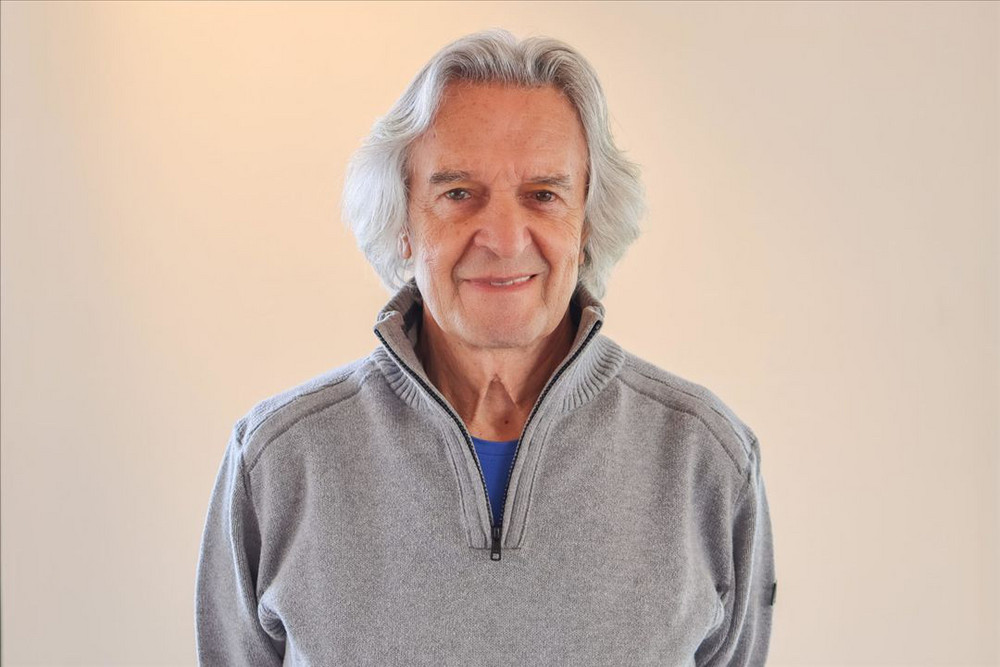
In February 1969 John McLaughlin had only just landed in the United States and knew nothing of the New York scene. Within the same month he was called into the In a Silent Way sessions and told to play like a man who had never touched a guitar. A year later, on Bitches Brew (1970), his name is the title of a track.
Featured in Notes
Around 1969