Paul Chambers's albums
In two marathon sessions in May and October 1956, Miles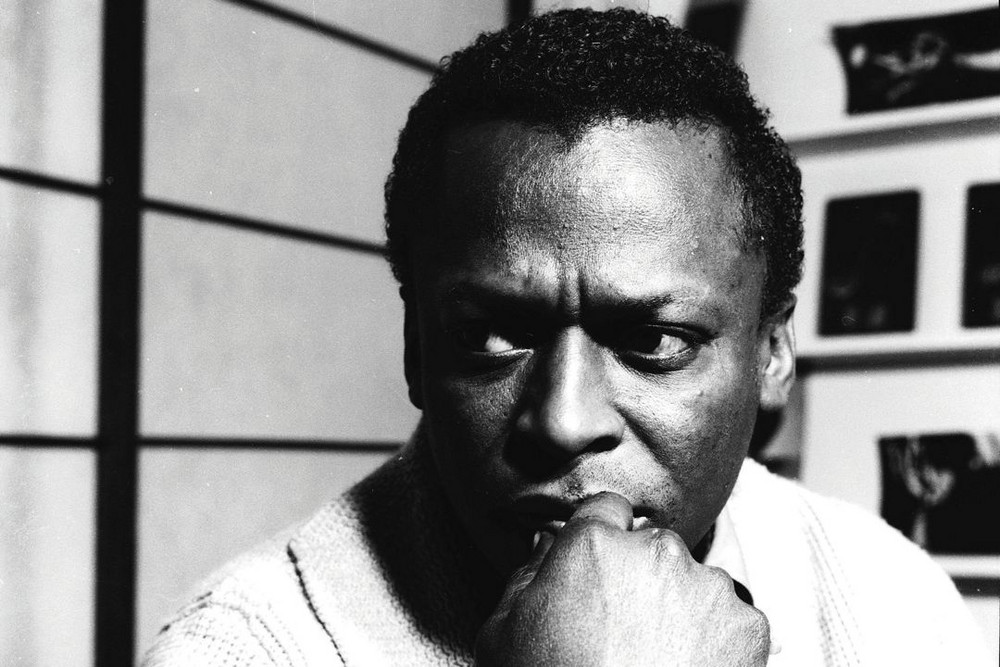
 — Kind of Blue: The Making of the Miles Davis Masterpiece, Ashley Kahn, 2000
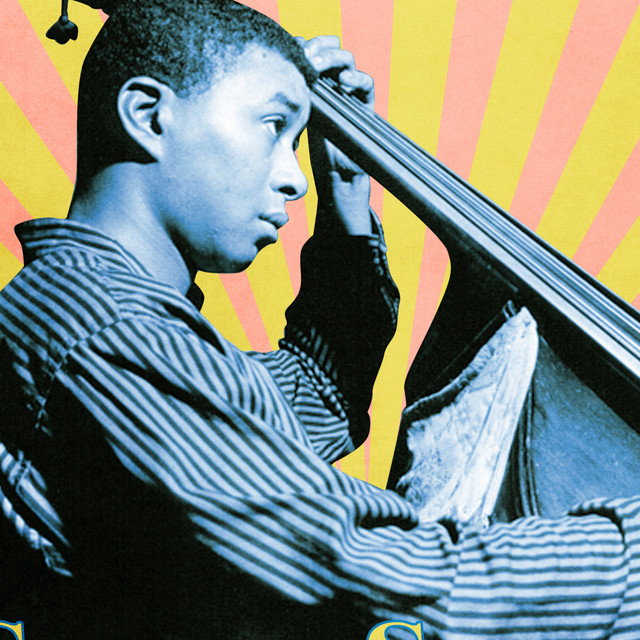
(1935–1969)
United States
Paul Chambers (1935–1969) — Double Bass. Led Bass on Top, Go.... Worked with Wynton Kelly, Philly Joe Jones, Art Taylor.
The textbook of walking bass. He moves smoothly and steadily, never rushes, never falters. He was the anchor of Miles Davis's band through the 1950s. His arco (bowed) solos, where he plays the bass like a cello, remain some of the most striking sounds in jazz.
Paul Chambers's albums
In two marathon sessions in May and October 1956, Miles
— Kind of Blue: The Making of the Miles Davis Masterpiece, Ashley Kahn, 2000
Paul Chambers's albums
Kind of Blue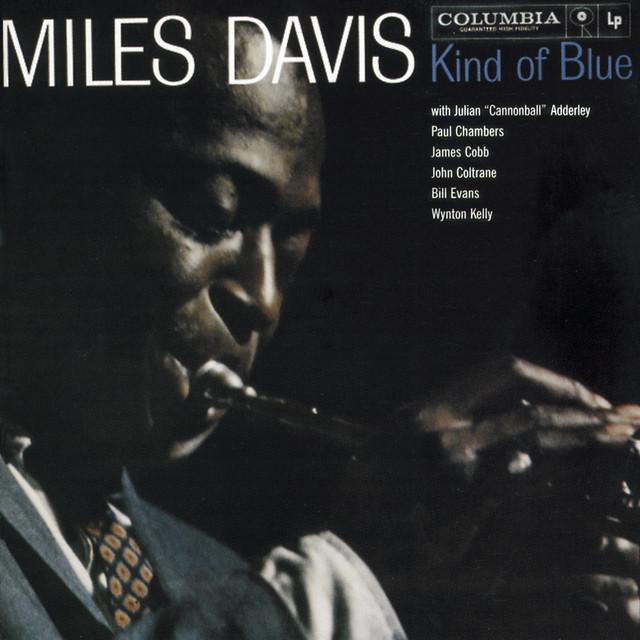
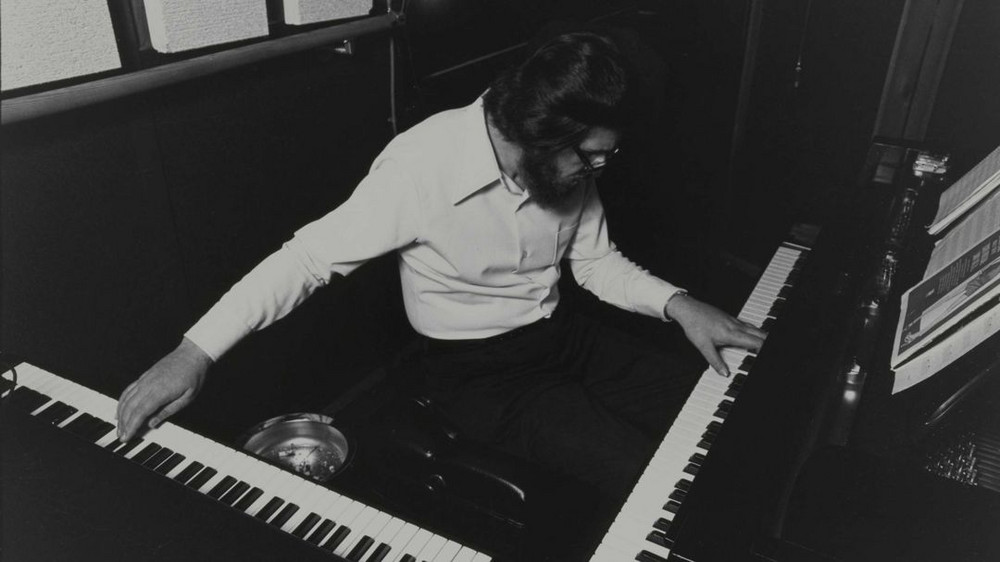
— Kind of Blue: The Making of the Miles Davis Masterpiece, Ashley Kahn, 2000
Paul Chambers's albums
Paul Chambers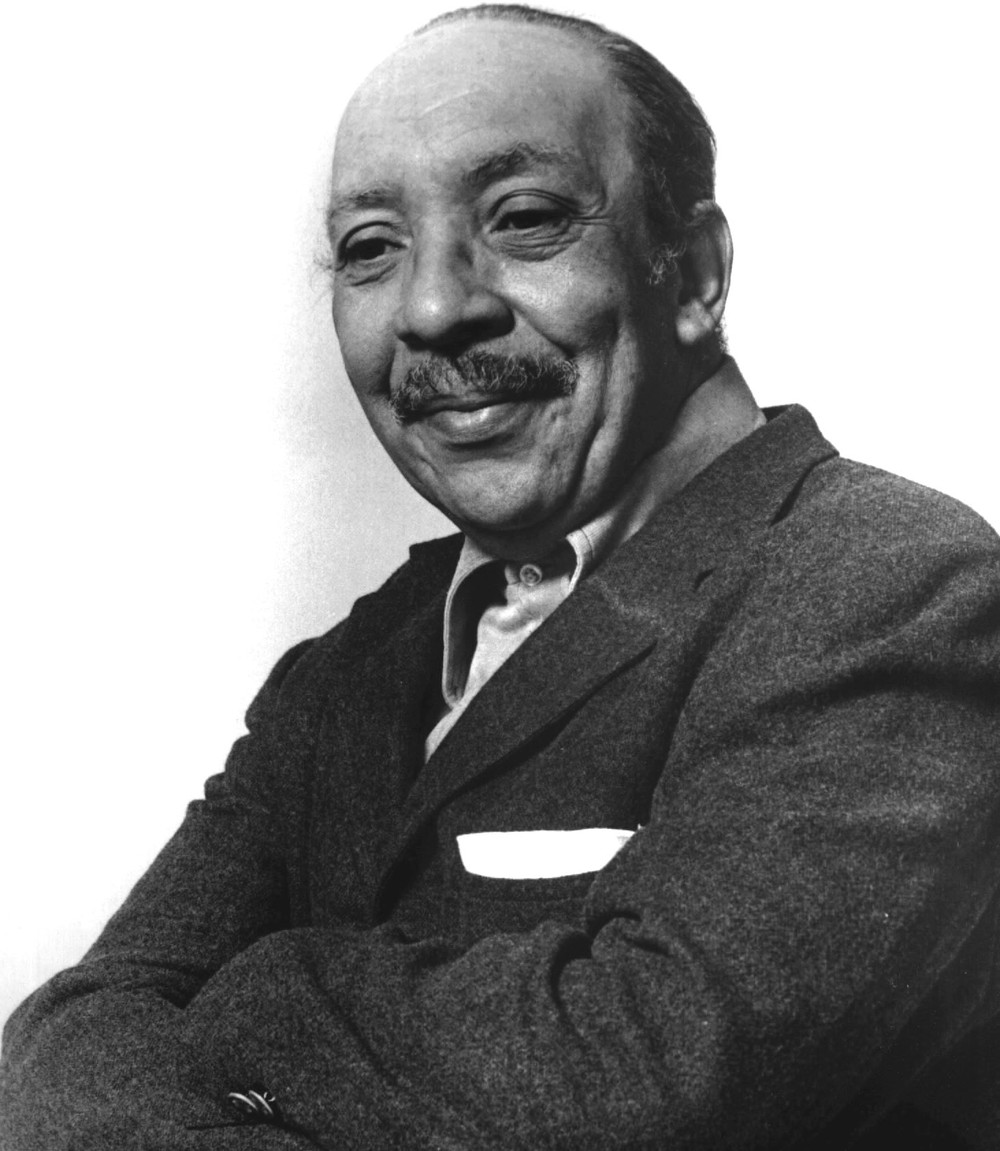

Paul Chambers's albums
In just two days (May and October 1956), Miles Davis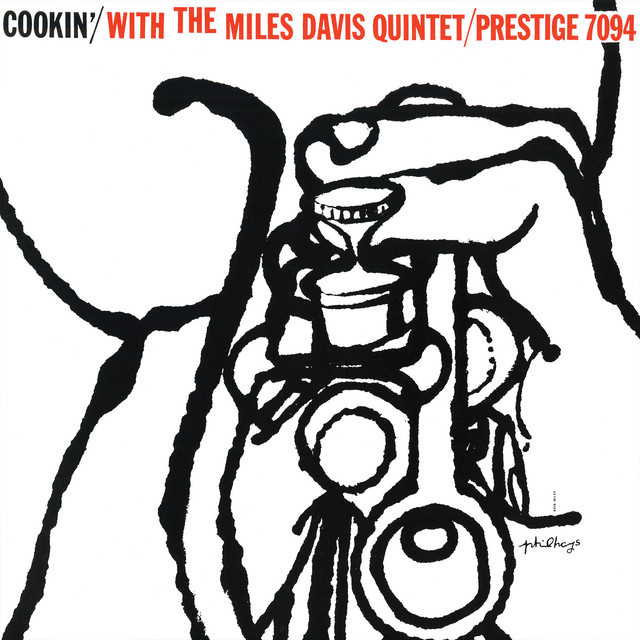
— Kind of Blue: The Making of the Miles Davis Masterpiece, Ashley Kahn, 2000
Blue Train (1957) was John Coltrane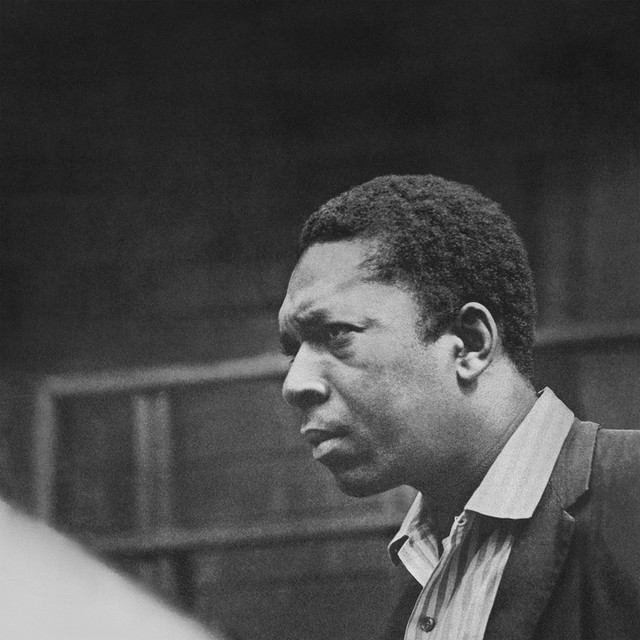
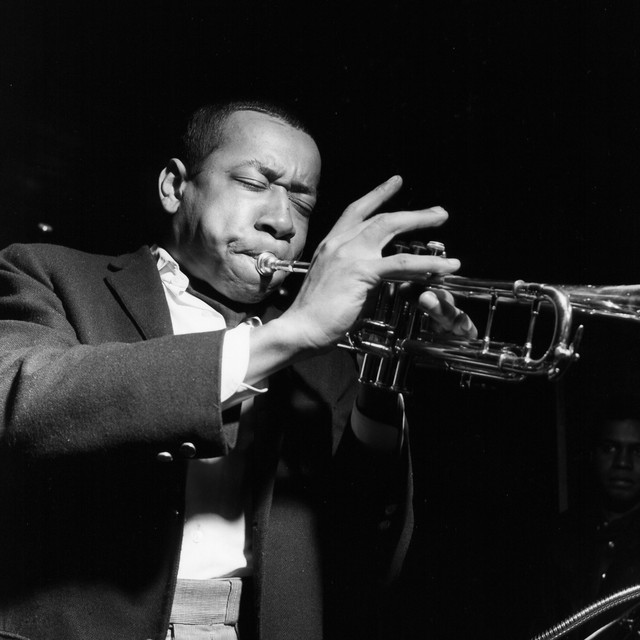
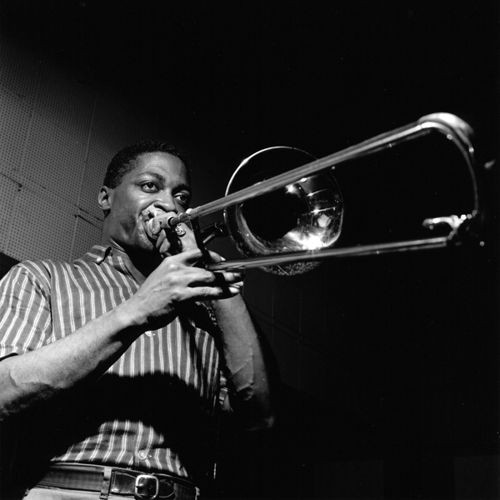
 — Blue Note Records: The Biography, Richard Cook, 2003
Paul Chambers's albums
Paul Chambers
Paul Chambers's albums
John Coltrane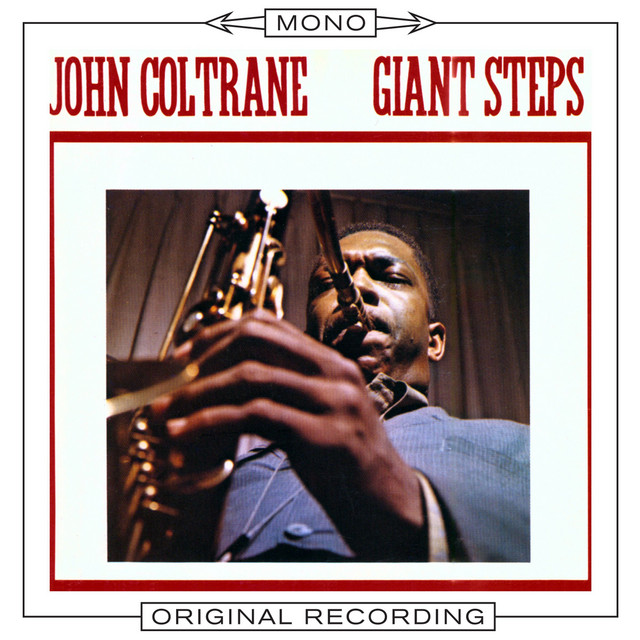
 — John Coltrane: His Life and Music, Lewis Porter, 1998
From 1958 to 1962, Jimmy Cobb
 — So What: The Life of Miles Davis, John Szwed, 2002
After Miles Davis
Paul Chambers's albums
Chambers
Paul Chambers's albums
Wynton Kelly, Paul Chambers and Jimmy Cobb played as one of the great piano trios. But the bond ran deeper than the bandstand: when Chambers died in 1969, Cobb recalled, Kelly sank into heavy drinking — he had loved Paul — and Kelly himself was gone by 1971.
— Statement stmt-jimmy-cobb-on-paul-chambers-2
Paul Chambers's albums
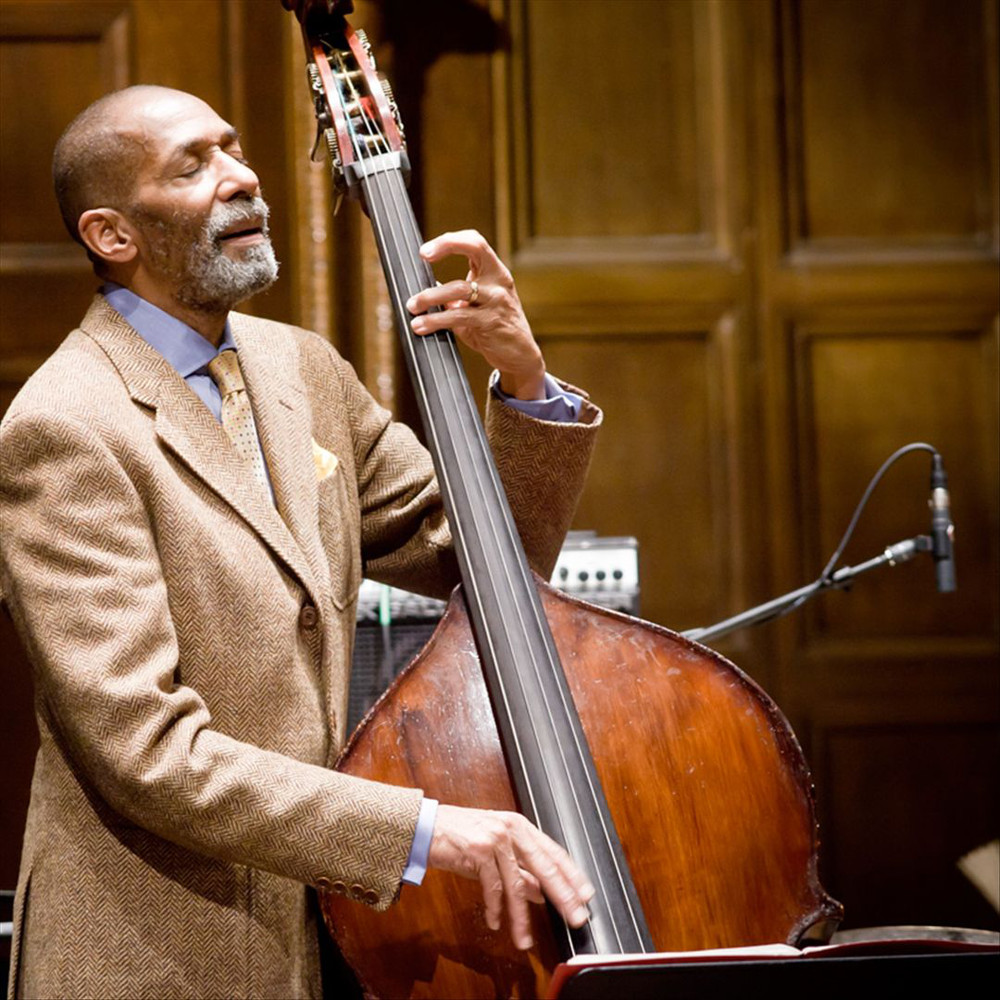
Ron Carter is remembered as the bass of Miles Davis's classic quintet. But shortly before he took that chair, he recalls, he filled in for one night at the Half Note when Paul Chambers fell ill — the man about to inherit the seat quietly covering the one leaving it.
— Statement stmt-ron-carter-on-paul-chambers
Paul Chambers's albums
Ron Carter — now the most-recorded bassist in jazz — was an Eastman student with a 1950 Ford. After a Rochester gig, Miles Davis, Red Garland and Paul Chambers had no ride to the station, so he packed them into the car and drove them there. The future master was just the kid with wheels.
— Statement stmt-ron-carter-on-paul-chambers-2
Paul Chambers's albums
Paul Chambers's name is stamped on a mountain of hard-bop sessions, the immovable anchor of the music. Yet when Kenny Burrell chose him for his 1956 debut as a leader, the reason was almost anticlimactic: "Paul was my student." In Detroit, the definitive bass had been the guitarist's pupil.
— Statement stmt-kenny-burrell-on-paul-chambers
About Paul Chambers
Then you get to Paul [Chambers], which is another genius, when you get to Paul.
Recalling the trio he formed with Wynton Kelly and Paul Chambers after leaving Miles Davis.
About Paul Chambers
I think he claimed that happened maybe after Paul died, that he was - he liked Paul so much, he started - he used to drink a lot.
Asked when Wynton Kelly's health declined, Cobb traces it to the period after Chambers's death.
About Paul Chambers
As a matter of fact, I think I may have played one night for Paul at the Half Note when he was sick.
Recalling the period when Miles Davis's rhythm section was leaving, just before Carter himself joined the band.
About Paul Chambers
During the course of the evening conversation after the concert, Miles and Red Garland and Paul had no way to get to the train station from the concert. I had a 1950 Ford, and so I piled them in my car and took them to the train station.
As a senior at Eastman, Carter drove the Miles Davis band to the train station after a concert in Rochester.
About Paul Chambers
I chose Tommy and Paul, 'cause Paul was my protege, I don't know if I told you about that.
Asked who picked the musicians for his first Blue Note album in 1956.
 Cannonball Adderley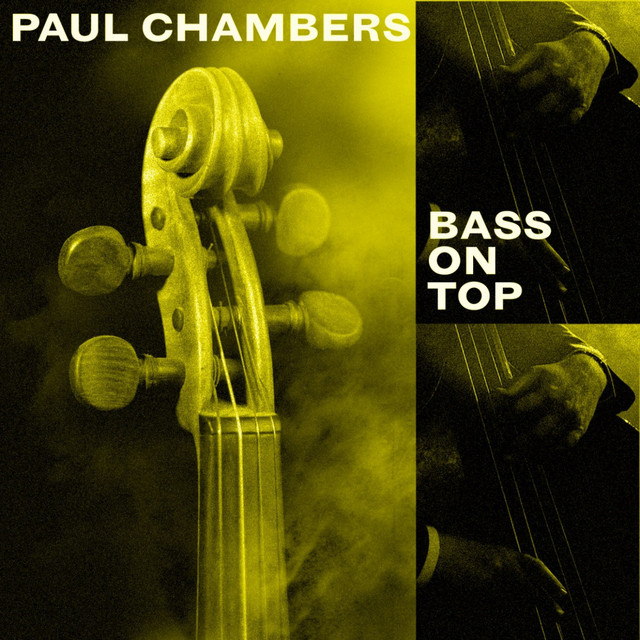
 Ron Carter