Bill Evans's leader album
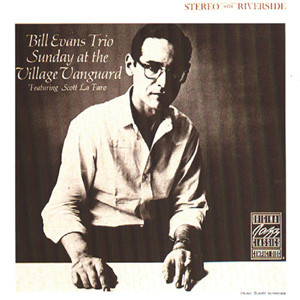
The June 1961 Village Vanguard sessions captured the peak of two years of conversational jazz the three had developed together. Ten days later, LaFaro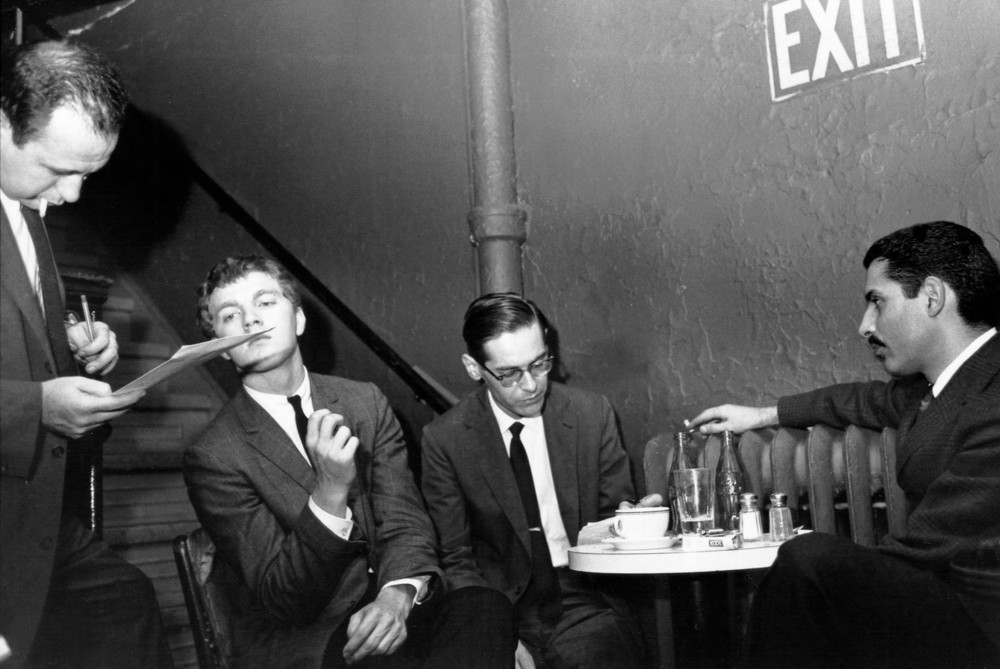
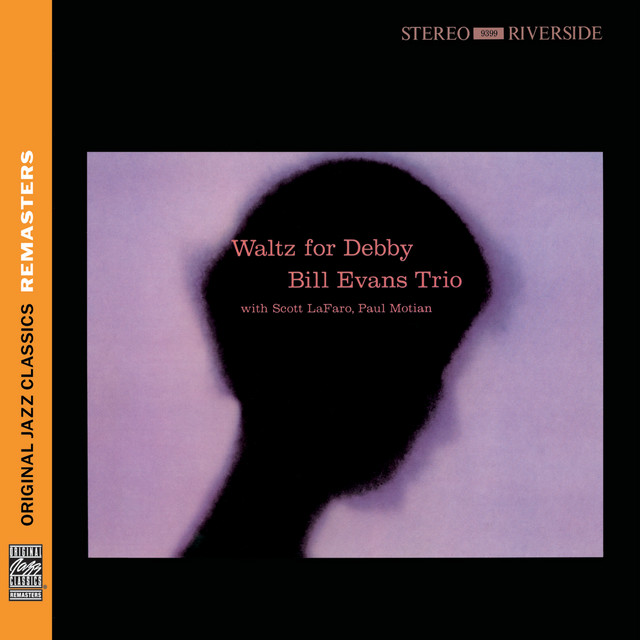
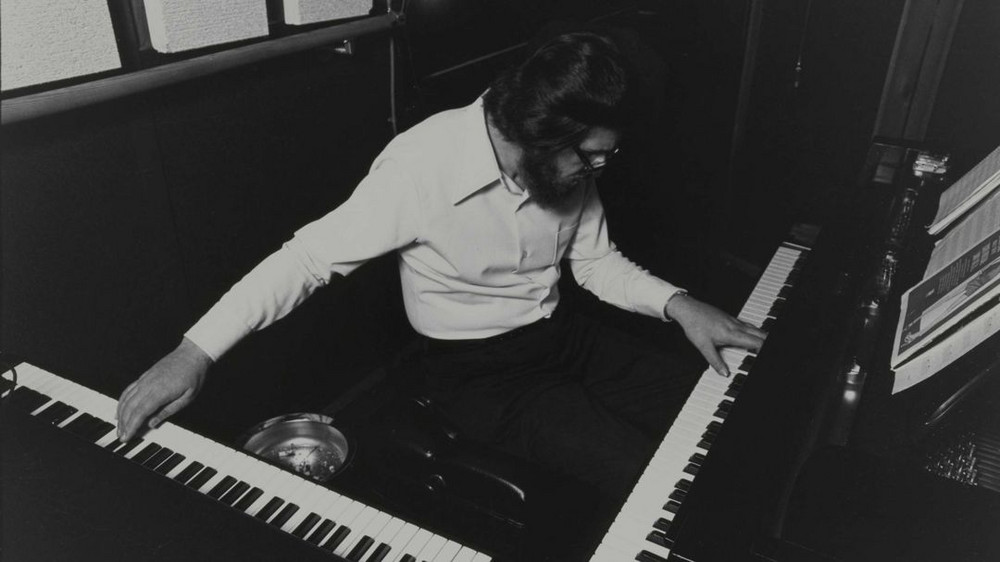
(1929–1980)
Plainfield, NJ, United States·Manhattan School of Music
Bill Evans (1929–1980) — Piano, Soprano Saxophone. Led Everybody Digs Bill Evans, Waltz for Debby, Sunday at the Village Vanguard. Worked with Paul Chambers, Paul Motian, Philly Joe Jones.
The piano sings in Evans's hands. His touch is delicate, his chord voicings hauntingly beautiful. Even in quiet pieces there is an aching melancholy underneath. He pioneered the piano trio as a conversation between three equals, where the bassist and drummer are as eloquent as the pianist.
Bill Evans's leader album
The June 1961 Village Vanguard sessions captured the peak of two years of conversational jazz the three had developed together. Ten days later, LaFaro
Bill Evans's albums
Kind of Blue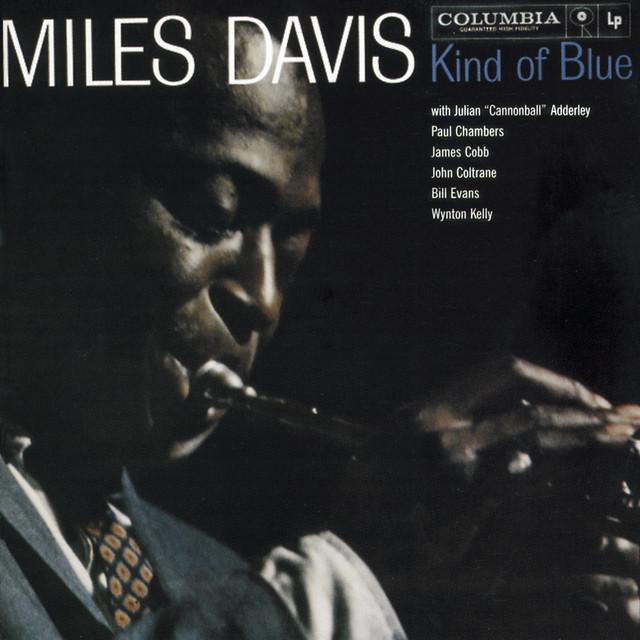
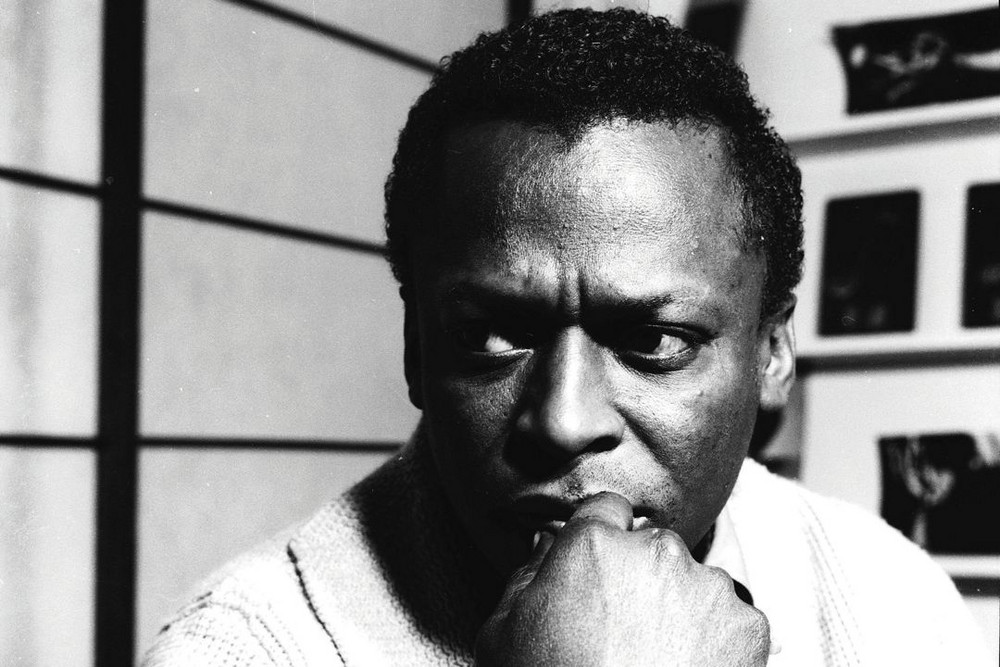
 — Kind of Blue: The Making of the Miles Davis Masterpiece, Ashley Kahn, 2000
Bill Evans's albums
Wynton Kelly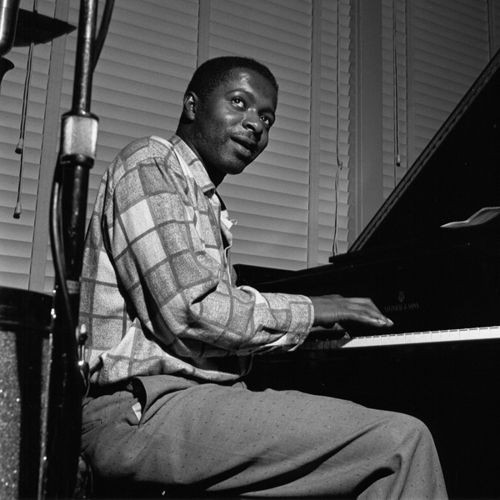
— Kind of Blue: The Making of the Miles Davis Masterpiece, Ashley Kahn, 2000
Scott LaFaro
 — Bill Evans: How My Heart Sings, Peter Pettinger, 1998
Bill Evans's albums
Jimmy Cobb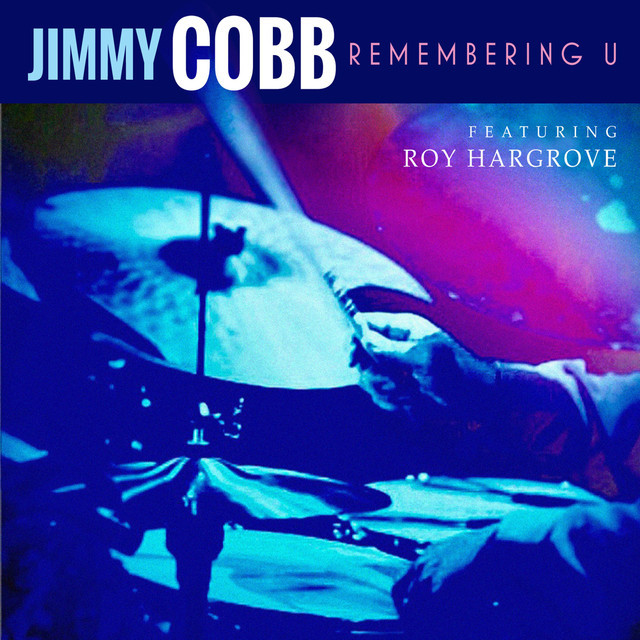

— Kind of Blue: The Making of the Miles Davis Masterpiece, Ashley Kahn, 2000
Bill Evans's videos
October 1966, Munch Museum, Oslo. Recorded by NRK with Eddie Gomez and Alex Riel — 'Very Early,' 'Stella By Starlight,' 'Nardis.' Evans finding a new breath in the post-Scott LaFaro
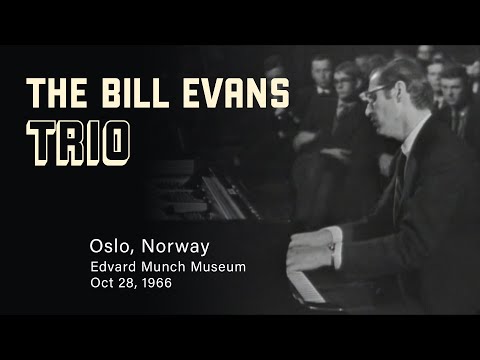 — Bill Evans Trio — Oslo 1966, 1966
Bill Evans's leader album
Everybody Digs Bill Evans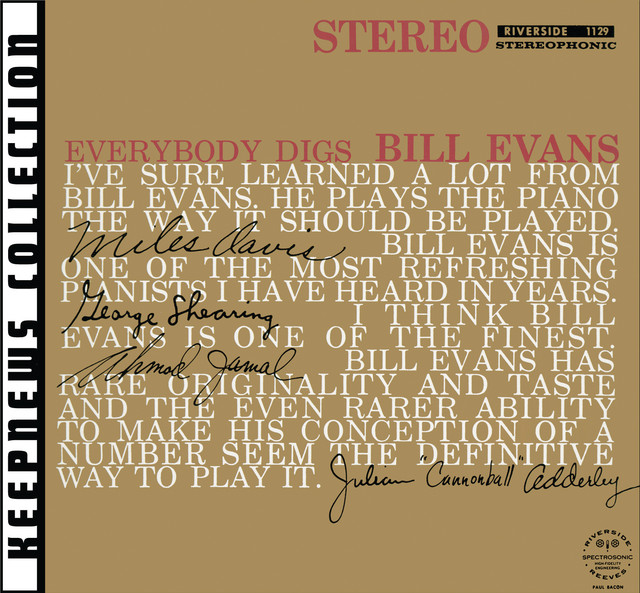
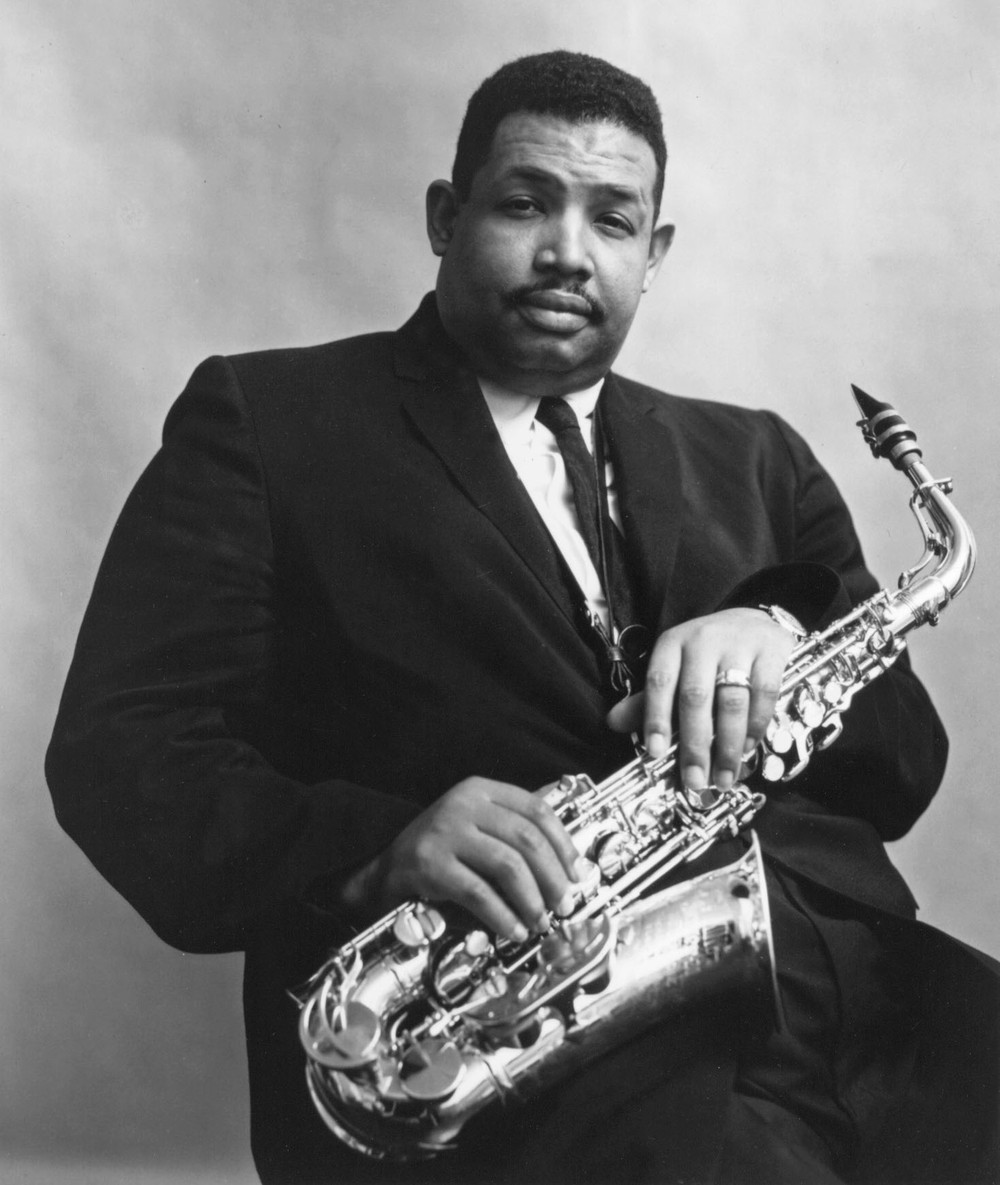
— Bill Evans: How My Heart Sings, Peter Pettinger, 1998
Bill Evans's leader album
Explorations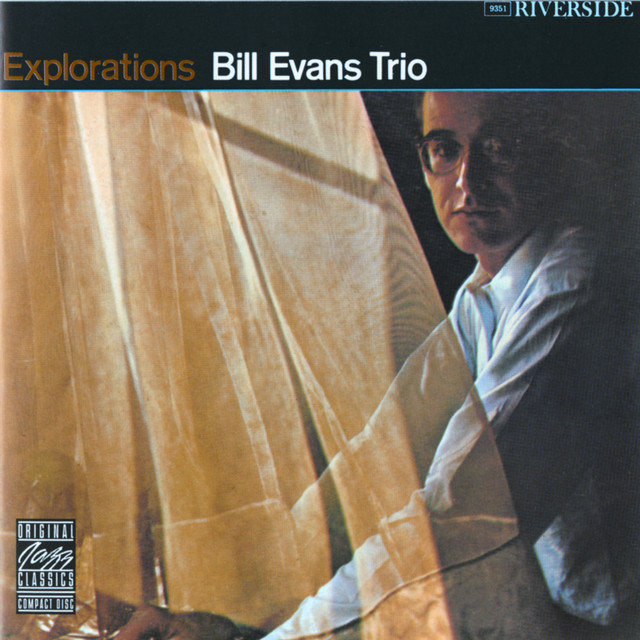
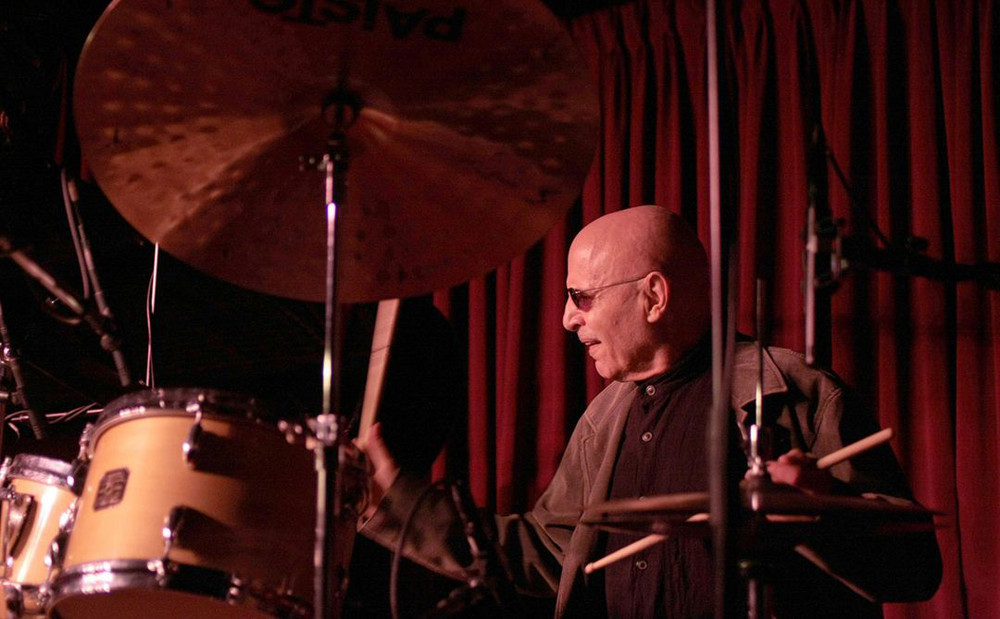
— Bill Evans: How My Heart Sings, Peter Pettinger, 1998
In 1974, Bill Evans
— Bill Evans: How My Heart Sings, Peter Pettinger, 1998
From 1966 to 1977, Bill Evans
— Bill Evans: How My Heart Sings, Peter Pettinger, 1998
Bill Evans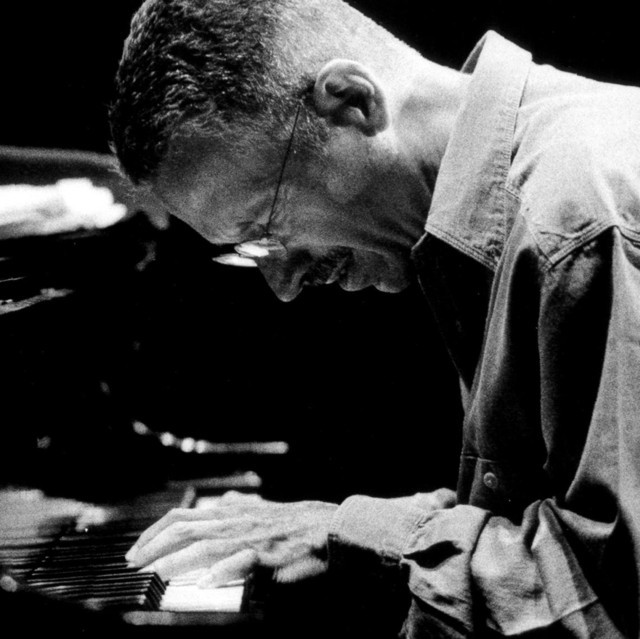
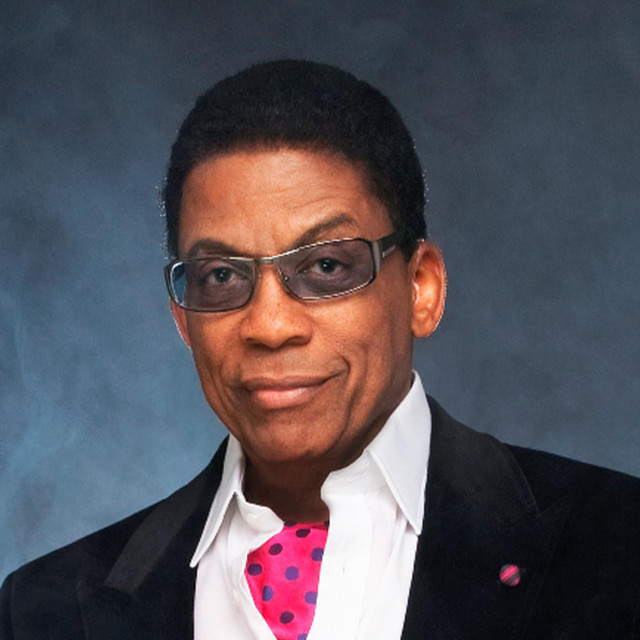
Bill Evans's leader album
The cover of Everybody Digs Bill Evans
— Bill Evans: How My Heart Sings, Peter Pettinger, 1998
In spring 1958 Red Garland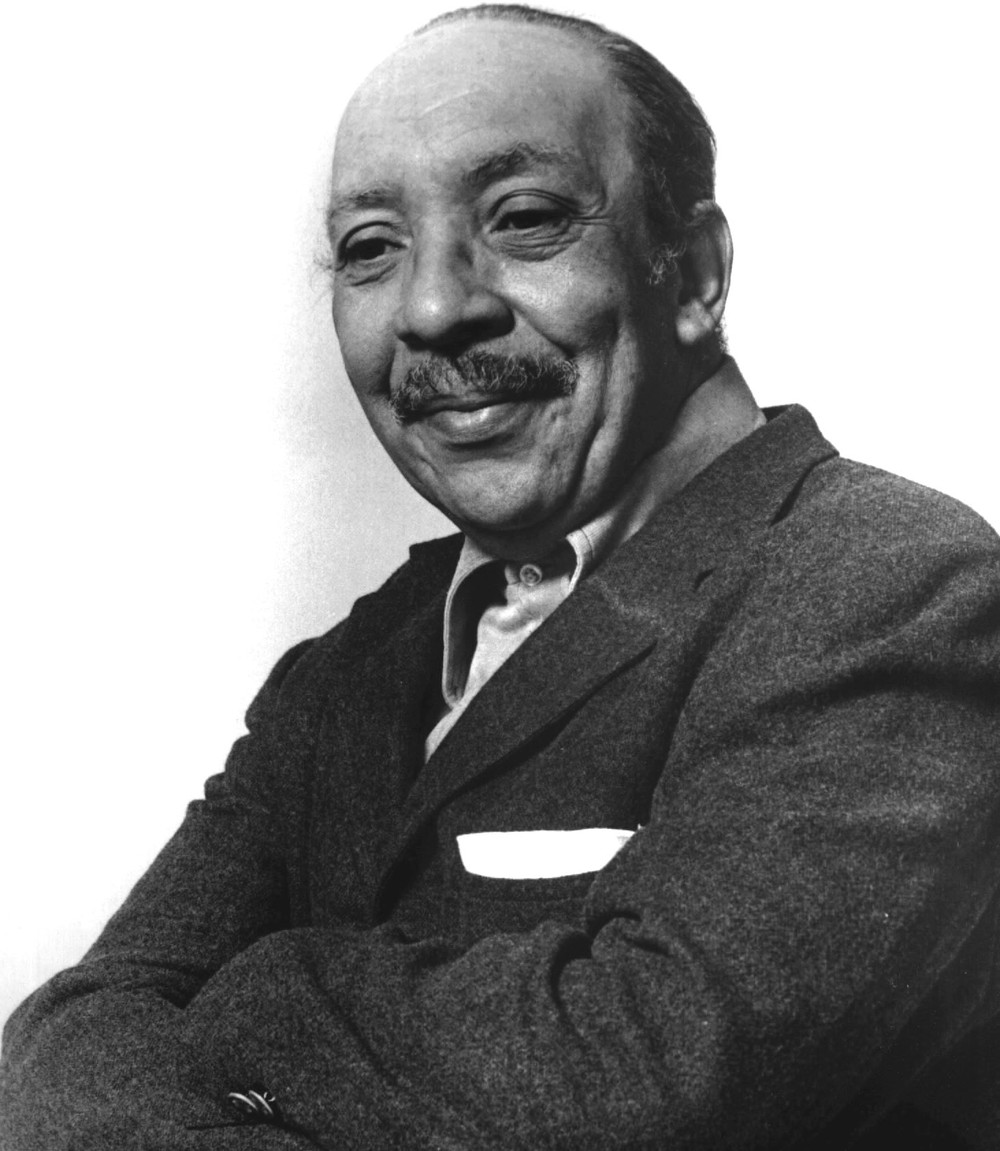
— Kind of Blue: The Making of the Miles Davis Masterpiece, Ashley Kahn, 2000
"A sound like crystal notes or sparkling water cascading down from some clear waterfall" — Miles's description of Evans
— Statement stmt-0006
"We were trying to have a conversation with three voices. Instead of one accompanying, three voices each speak." — Evans
— Statement stmt-evans-conversational
The pianist on Kind of Blue (1959) is Bill Evans — but he had already quit the band months before the sessions. The regular pianist by then was someone else; Evans was called back just for this date. The most famous record in jazz was played by a man who had already left.
— Statement stmt-0006
Bill Evans said
"We were trying to have a conversation with three voices. Instead of one accompanying, three voices each speak."
On the philosophy of his trio with Scott LaFaro and Paul Motian.
About Bill Evans
'a sound like crystal notes or sparkling water cascading down from some clear waterfall'
Miles's description of Bill Evans's sound, recounted in his autobiography.

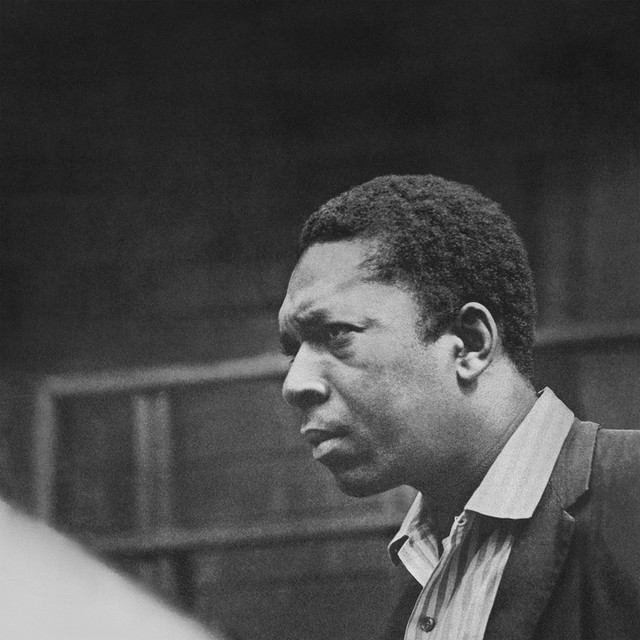 John Coltrane
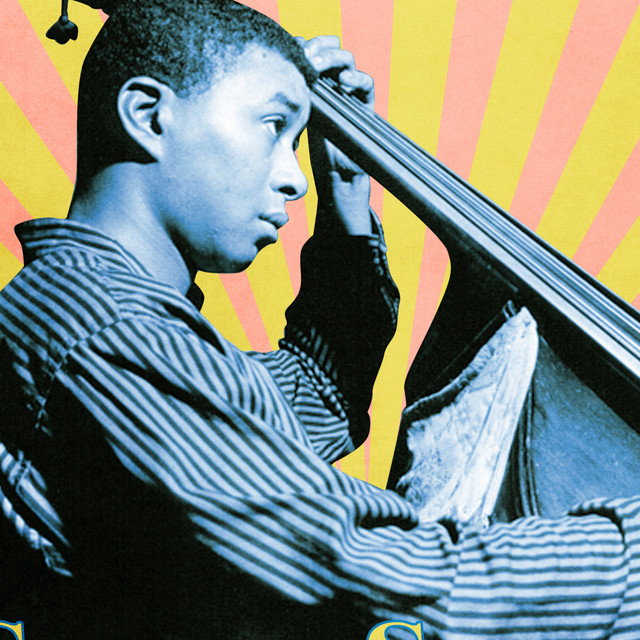 Paul Chambers
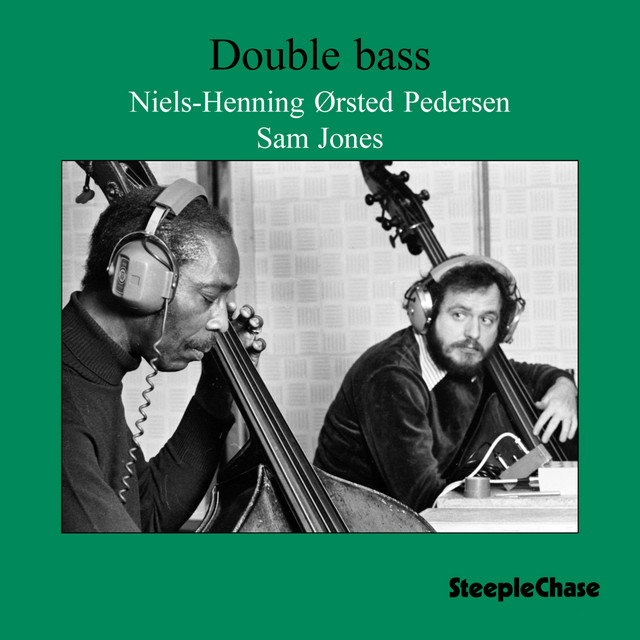 Sam Jones