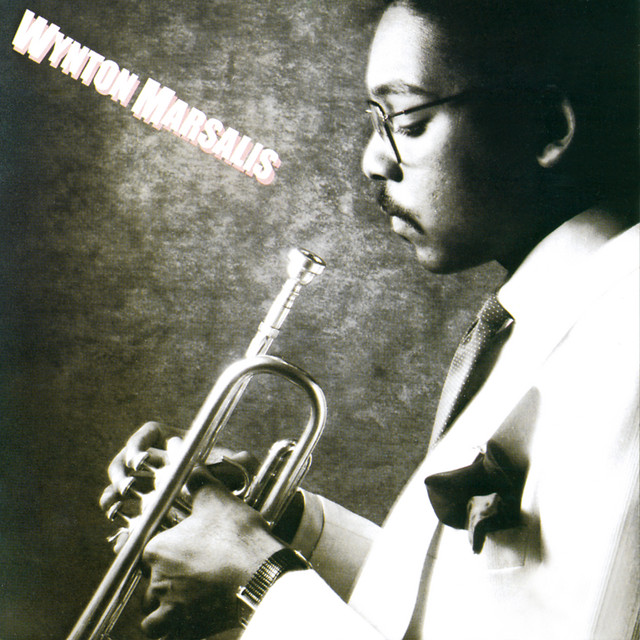
Ron Carter's albums
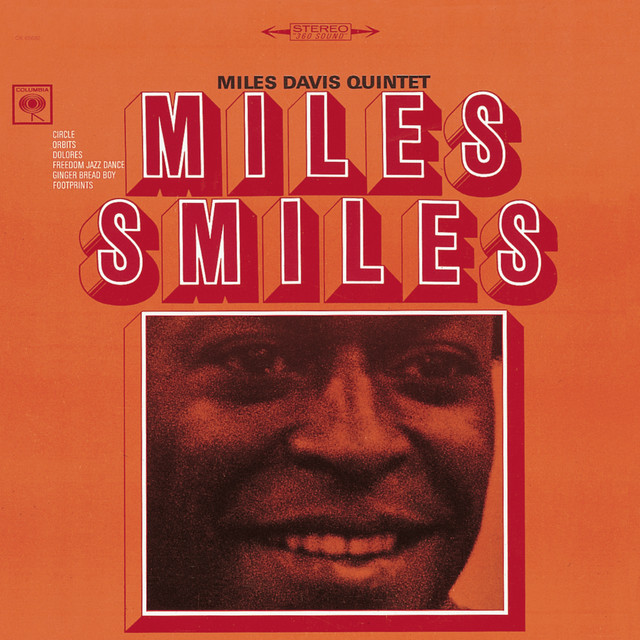
The Second Great Quintet of 1964–68. Each member had independent careers, but together they fundamentally reinvented how jazz treated time.
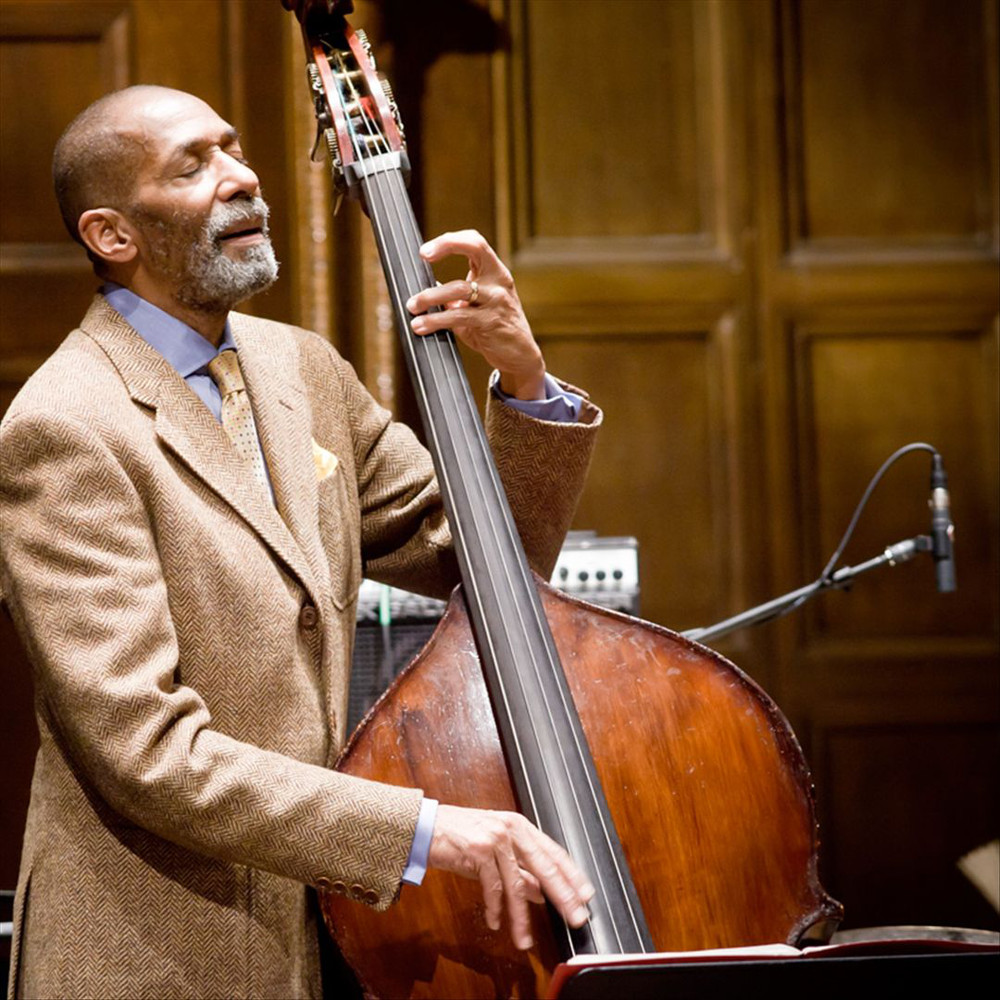
(1937–)
United States
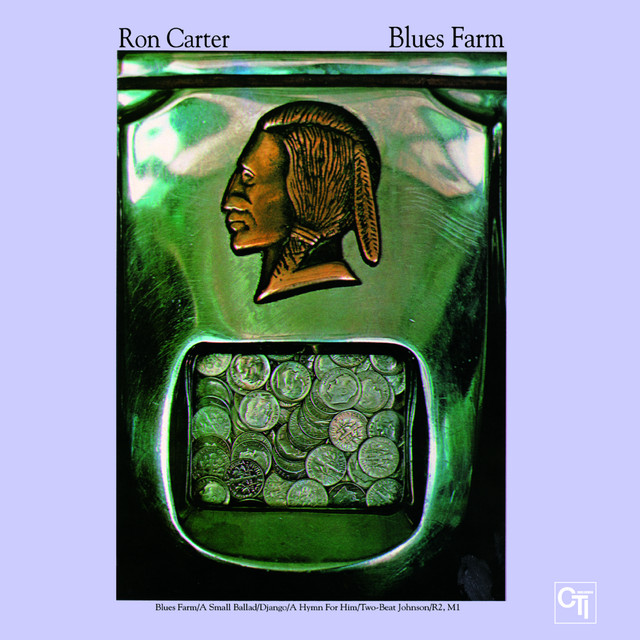
Ron Carter (b. 1937) — Double Bass, Electric Bass. Led Blues Farm, Pick 'Em, Finding The Right Notes. Worked with Herbie Hancock, Freddie Hubbard, Jack DeJohnette.
He has appeared on more than 2,500 albums — literally the most-recorded bassist in history. His tone is big and deep. He doesn't push forward, but remove him and everything collapses. Jazz pianists across every era name him as the bassist they most want to play with.
Ron Carter's albums
The Second Great Quintet of 1964–68. Each member had independent careers, but together they fundamentally reinvented how jazz treated time.
Ron Carter's videos
October 1967, Stockholm. One of the very few proper video documents of the Second Great Quintet. 'Agitation,' 'Footprints,' and ''Round Midnight' bleed into each other, and you can literally see how the four of them collectively own the time.
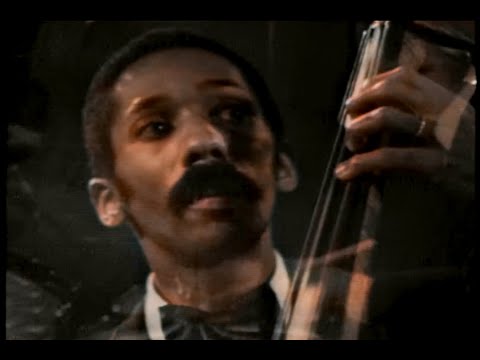 — Miles Davis Quintet — Stockholm 1967, 1967
Ron Carter's albums
Speak No Evil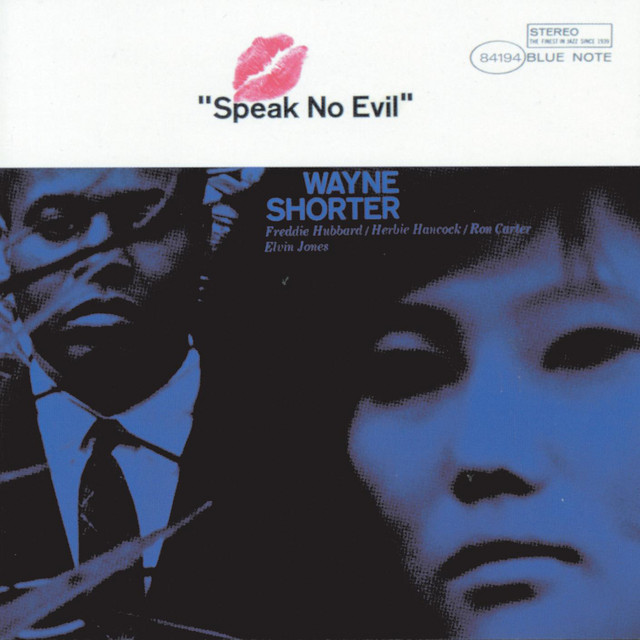
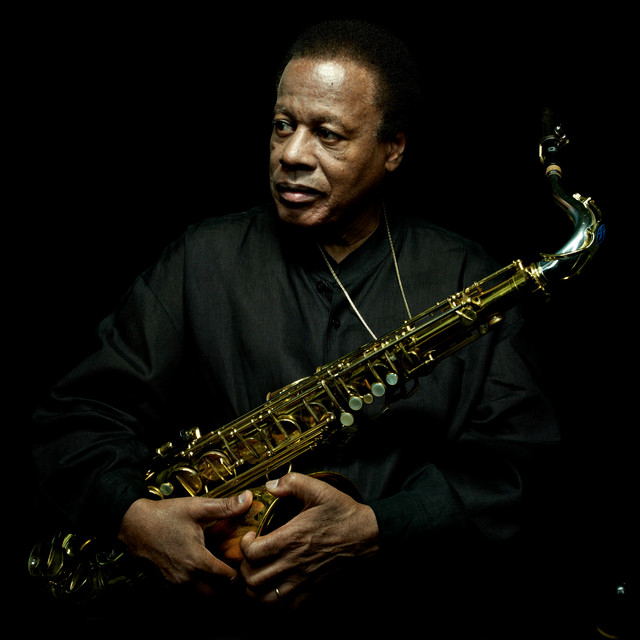
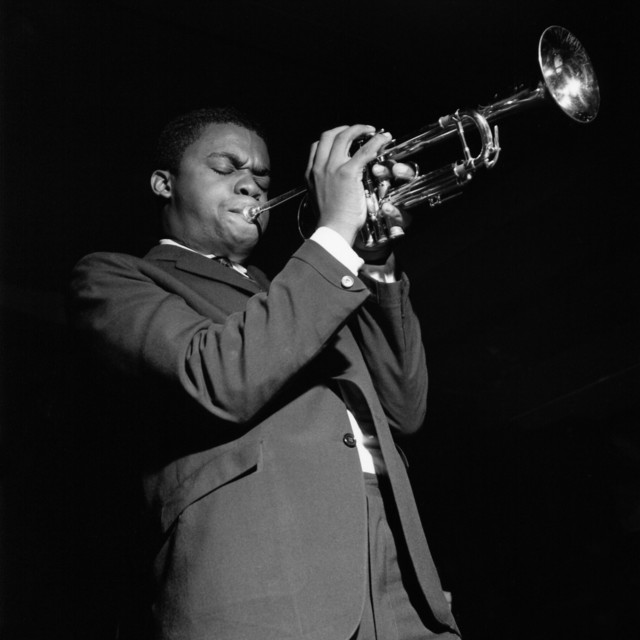
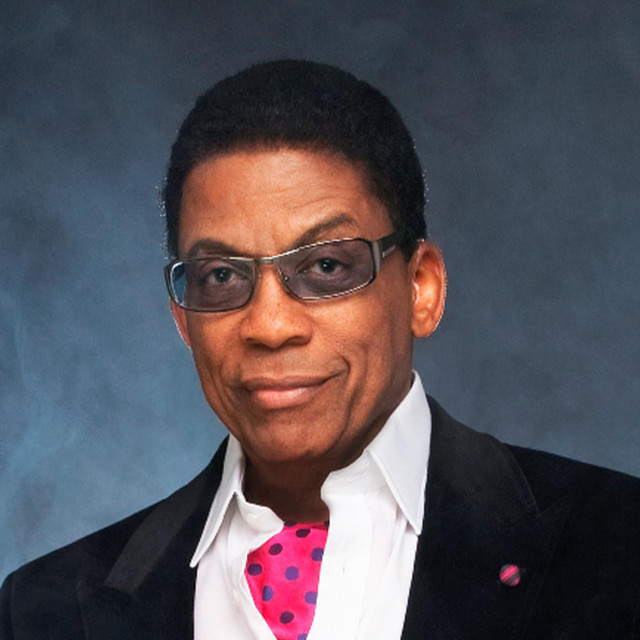
 — Footprints: The Life and Work of Wayne Shorter, Michelle Mercer, 2004
Ron Carter's videos
June 24, 1982, Village Vanguard. Freddie Hubbard
Ron Carter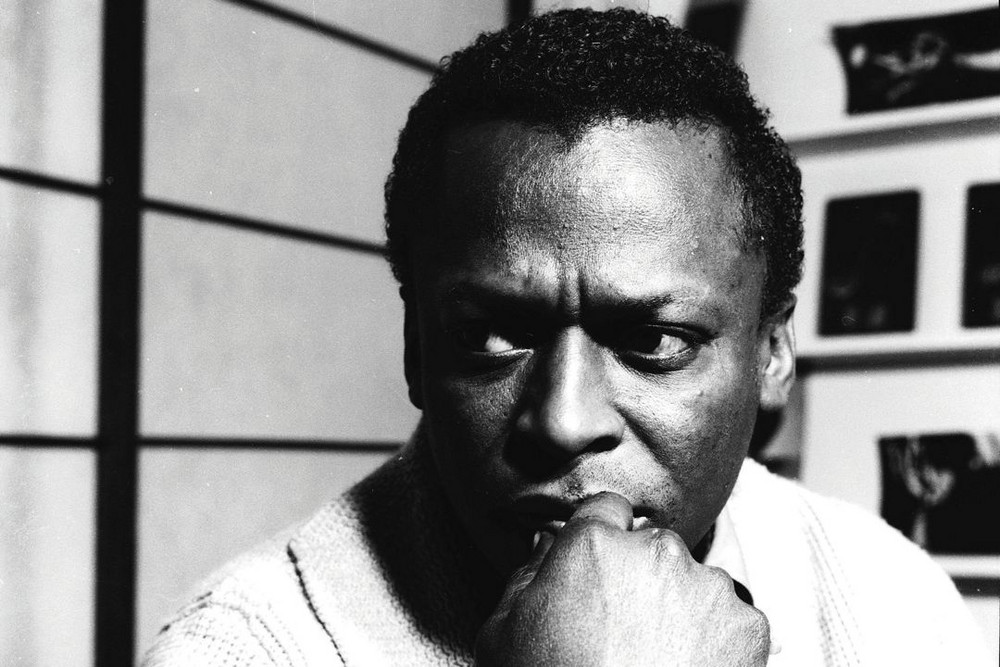
Ron Carter's albums
E.S.P.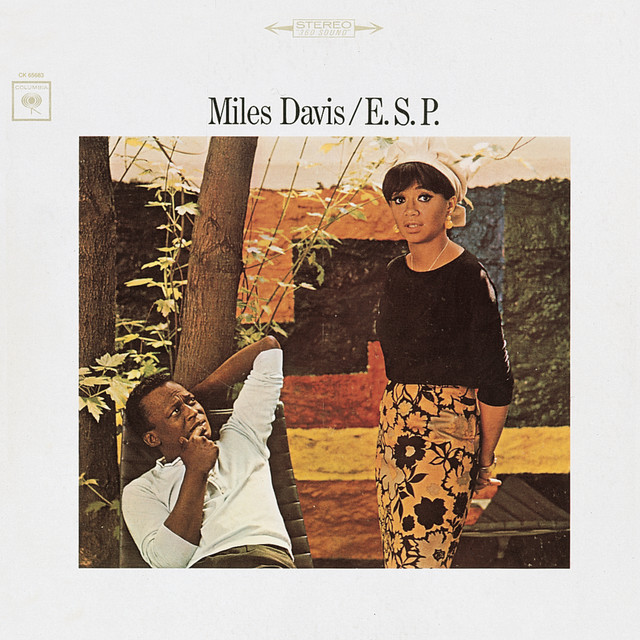
 — So What: The Life of Miles Davis, John Szwed, 2002
Ron Carter's albums
On the title track of Nefertiti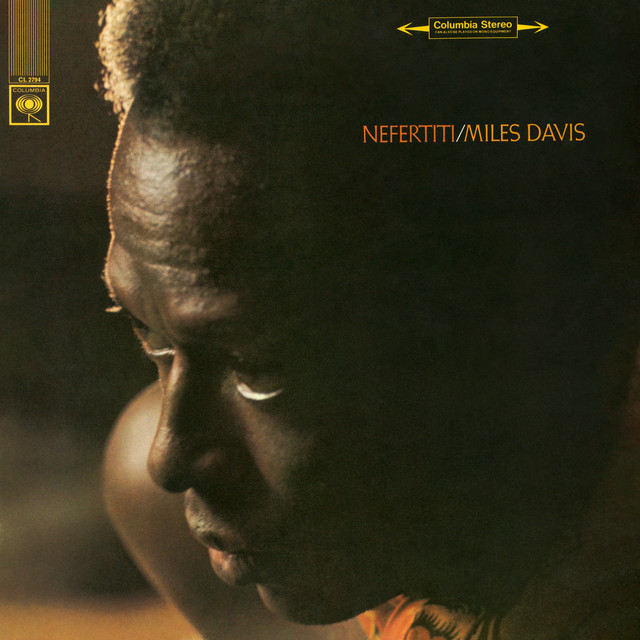
— Footprints: The Life and Work of Wayne Shorter, Michelle Mercer, 2004
Ron Carter's albums
Empyrean Isles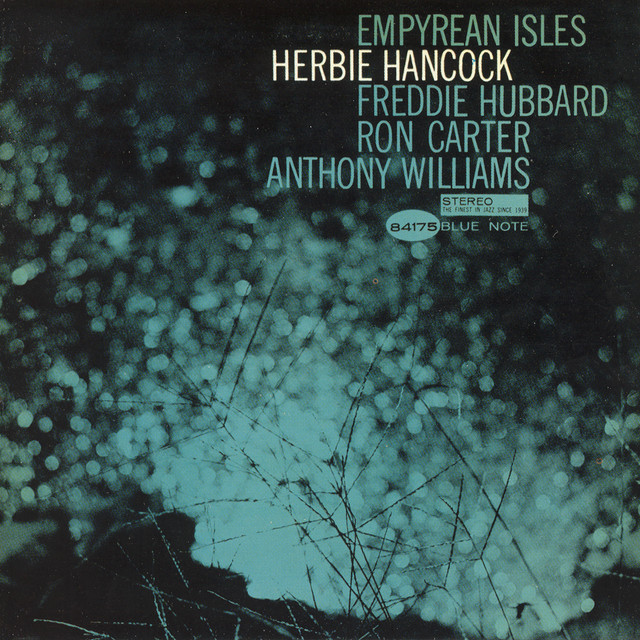
 — Blue Note Records: The Biography, Richard Cook, 2003
Russell MaloneRussell Maloneラッセル・マローン was a founding member of Ron Carter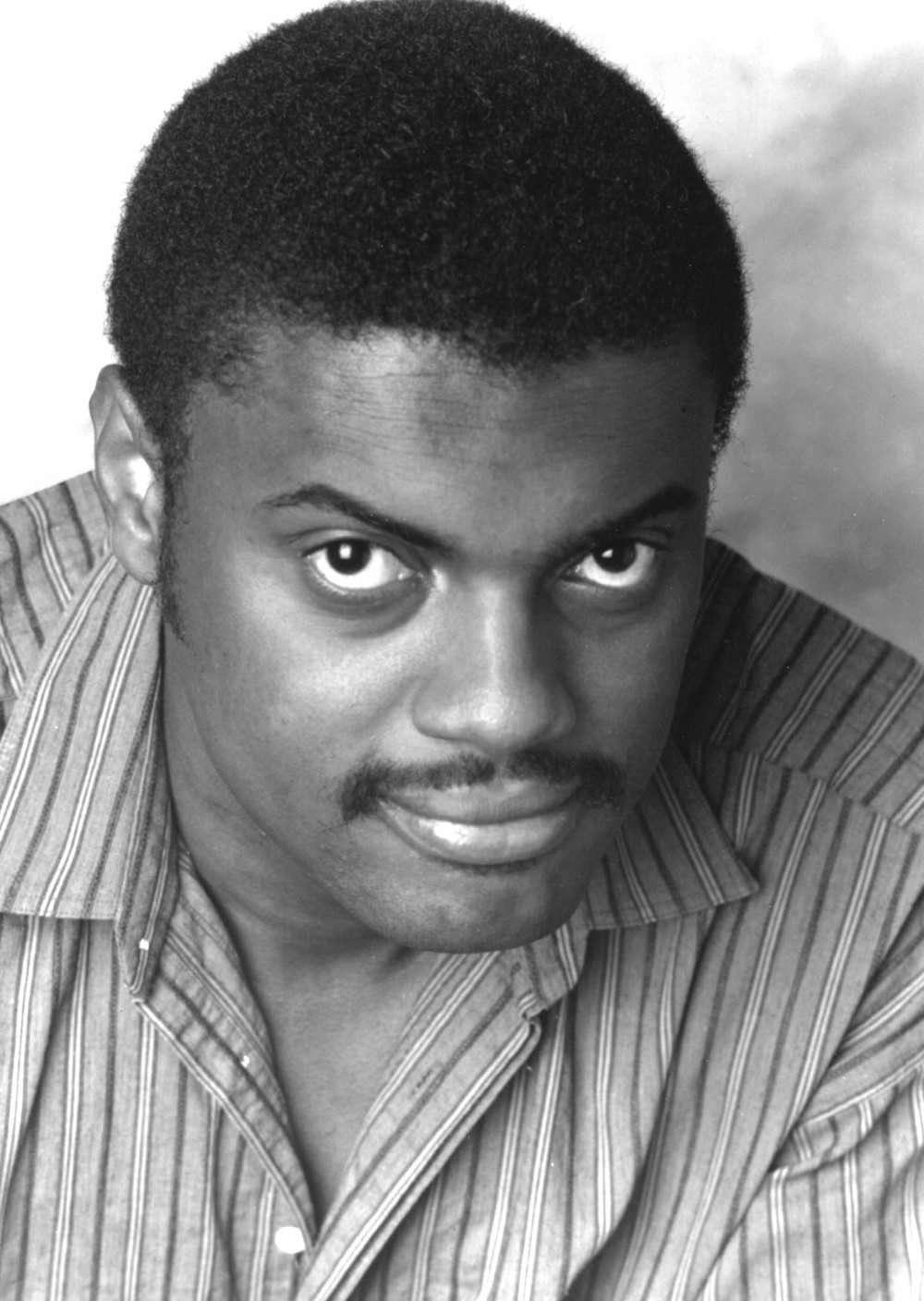
Ron Carter's albums
The bass intro that defines Freddie Hubbard's Red Clay (1970) wasn't Hubbard's — bassist Ron Carter invented it on the spot because Freddie never brought the part. "Luckily, the right note hit at the right time," Carter said. The hook that became the song's signature was an improvisation forced by a missing chart.
— Statement stmt-ron-carter-on-freddie-hubbard
Ron Carter's albums
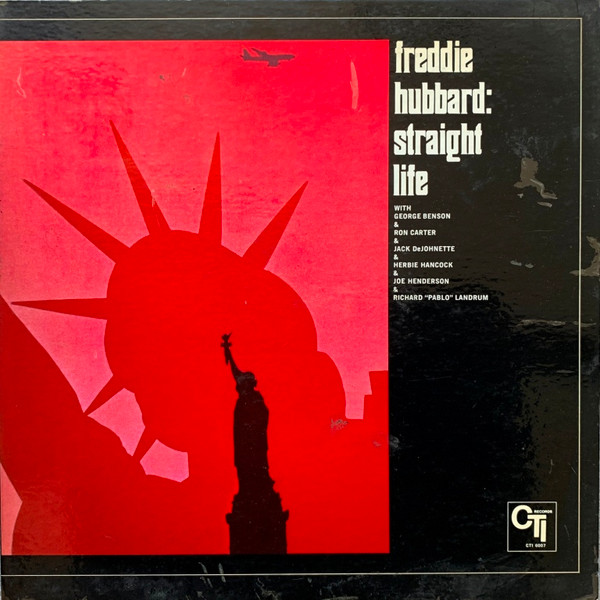
Through the CTI years, beneath Freddie Hubbard's glittering trumpet it was Ron Carter's bass holding the floor — 1970's Straight Life among them. Hubbard's last relayed message was that he was sorry he never got to tell people how many times Ron saved his ass in the studio. The star naming the sideman as his lifeline.
— Statement stmt-ron-carter-on-freddie-hubbard-2
Ron Carter's albums
Ron Carter is remembered as the bass of Miles Davis's classic quintet. But shortly before he took that chair, he recalls, he filled in for one night at the Half Note when Paul Chambers fell ill — the man about to inherit the seat quietly covering the one leaving it.
— Statement stmt-ron-carter-on-paul-chambers
Ron Carter's albums
Ron Carter — now the most-recorded bassist in jazz — was an Eastman student with a 1950 Ford. After a Rochester gig, Miles Davis, Red Garland and Paul Chambers had no ride to the station, so he packed them into the car and drove them there. The future master was just the kid with wheels.
— Statement stmt-ron-carter-on-paul-chambers-2
Ron Carter's albums
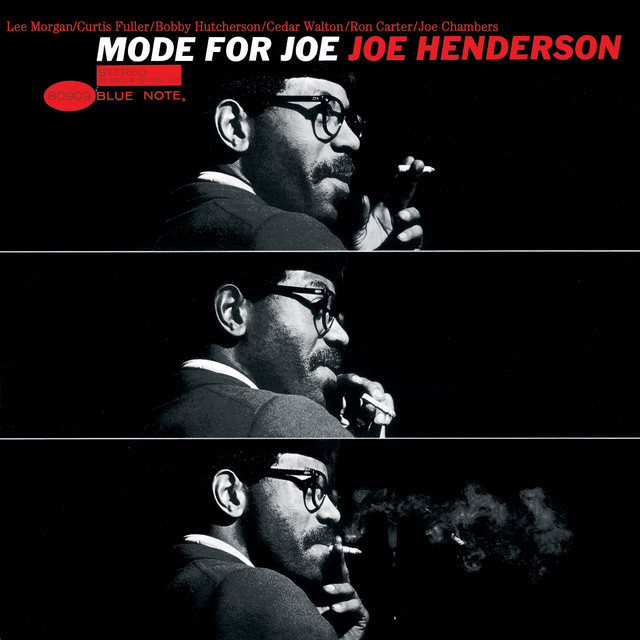
Joe Henderson is remembered as a master tenor and composer. Yet bassist Ron Carter says he never once turned up with enough material — always two songs, ten minutes short — and would ask the band to compose on the spot: 'We're making an LP here, come on, Joe.'
— Statement stmt-ron-carter-on-joe-henderson
Ron Carter's albums
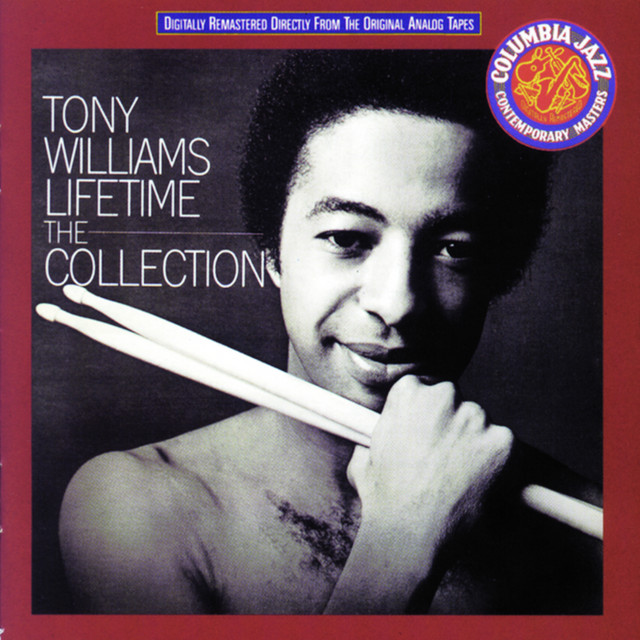
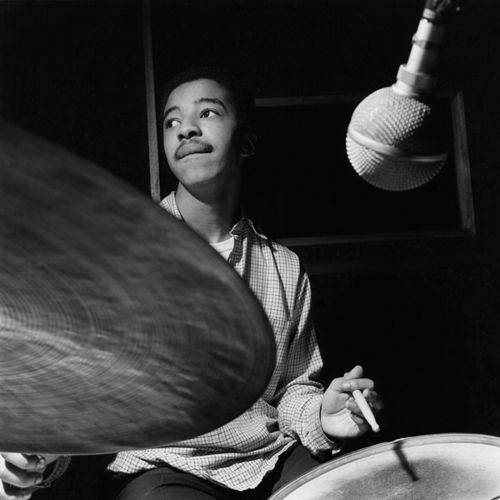
In 1963, Miles Davis hired 17-year-old Tony Williams as the drummer for his new quintet. Bassist Ron Carter later recalled that Williams opened up a rhythmic vocabulary on drums that nobody had thought possible.
— Statement stmt-ron-carter-on-tony-williams
Ron Carter said
Wayne was a very quiet person, but he wrote great lines and had a great sense of harmonic direction. And Herbie was starting to explore not so much new chord voicings, but places to play these new sounds.
Recalling his bandmates during his 1960s tenure in the Miles Davis Quintet.
Ron Carter said
And Tony, who was at the time 17, was just opening the drums to sets of rhythms that no one had contemplated were being possible to be done on the drums.
On Tony Williams as a 17-year-old in the Miles Davis Quintet.
Ron Carter said
God gave Miles the title of Head Clinician at this laboratory.
Describing the Miles Davis Quintet as a laboratory and Davis's role in it.
Ron Carter said
Yeah, well, you know, that only got there because Freddie didn't bring the part in, I came up with the intro to it and we got lucky and struck the right note at the right time.
On how he came up with the bass intro to Freddie Hubbard's "Red Clay".
Ron Carter said
One of the last things Freddie communicated to this person, before the book came out, was that he was sorry we didn't get together because he could tell him how many times I saved his ass on the dates he was doing.
Asked about his role on CTI-era sessions, Carter relays a message the late Hubbard sent for his book.
Ron Carter said
As a matter of fact, I think I may have played one night for Paul at the Half Note when he was sick.
Recalling the period when Miles Davis's rhythm section was leaving, just before Carter himself joined the band.
Ron Carter said
During the course of the evening conversation after the concert, Miles and Red Garland and Paul had no way to get to the train station from the concert. I had a 1950 Ford, and so I piled them in my car and took them to the train station.
As a senior at Eastman, Carter drove the Miles Davis band to the train station after a concert in Rochester.
Ron Carter said
Joe, he never had enough music. And he was always two tunes short, ten minutes, and this is an LP, man, come on Joe.
Recalling that Henderson routinely arrived at recording sessions short of material.
Ron Carter said
He didn't talk a whole lot so it's difficult to read him in terms of his emotion for the moment. He played great.
On Henderson's reticent personality and his playing.
 Tony Williams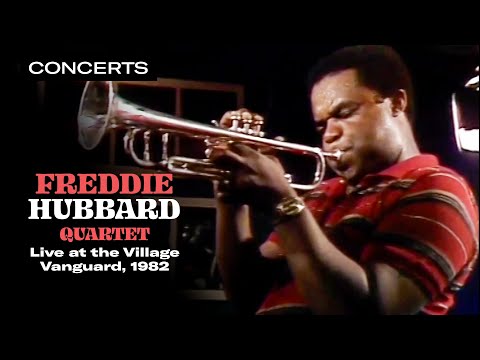
 Paul Chambers
 Red Garland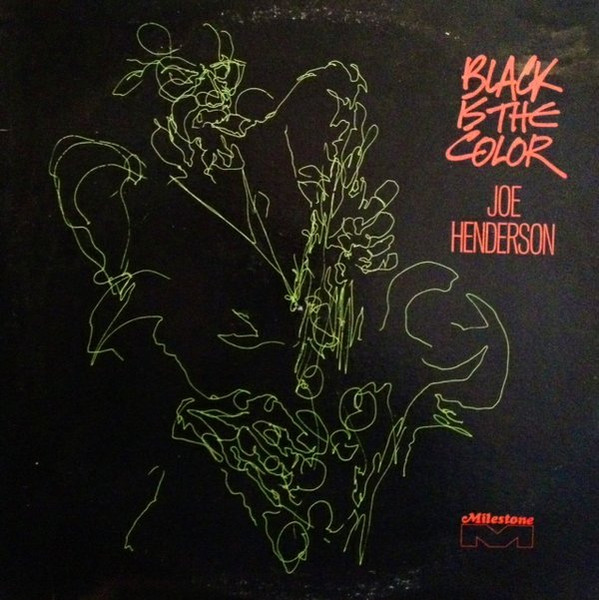
 Joe Henderson