The Jazz Messengers were called a 'school.' Blakey said bringing along young people was the jazz tradition — he launched Lee Morgan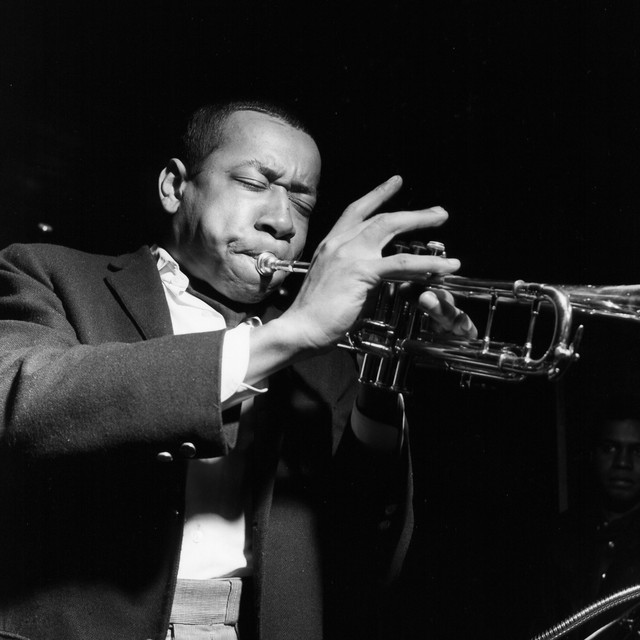
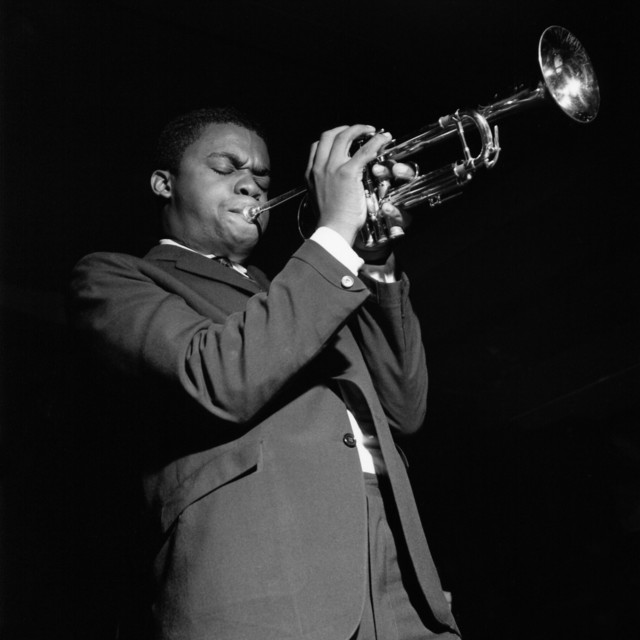
 — Art Blakey: Jazz Messenger, Leslie Gourse, 2002
(1938–2008)
United States
Freddie Hubbard (1938–2008) — Trumpet, Flugelhorn. Led Hub-Tones, Ready For Freddie, Straight Life. Worked with Ron Carter, Herbie Hancock, Art Blakey.
Hubbard attacks the upper register like a fastball pitcher, but his phrasing is too intelligent to ever feel like mere showing off. His technique is without ceiling, and the word "strongest" in jazz trumpet fits him more than anyone. He simply had the most ferocious command of the instrument.
The Jazz Messengers were called a 'school.' Blakey said bringing along young people was the jazz tradition — he launched Lee Morgan
— Art Blakey: Jazz Messenger, Leslie Gourse, 2002
Freddie Hubbard's albums
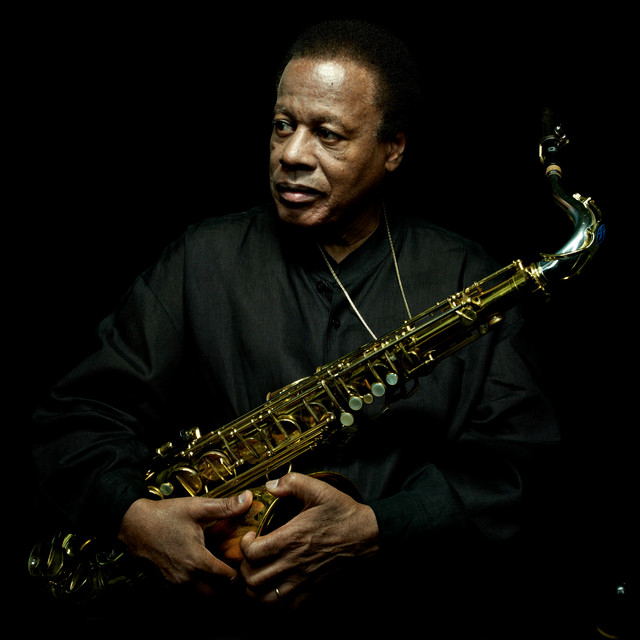
The 1964–66 Blue Note period was when Wayne Shorter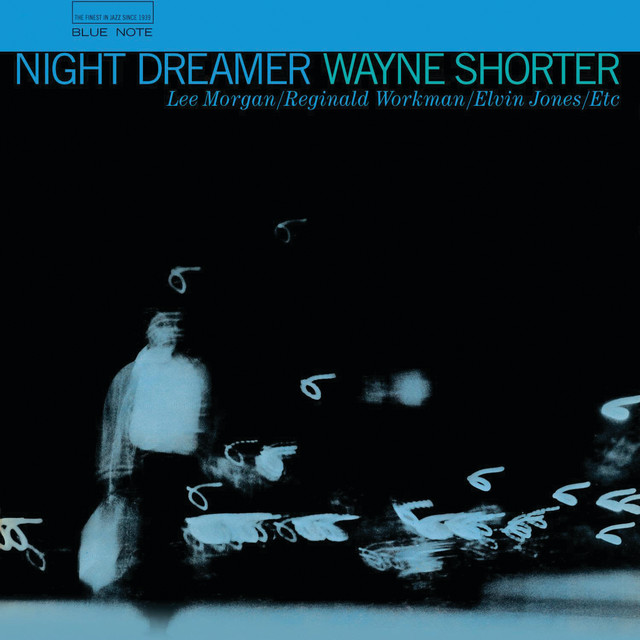
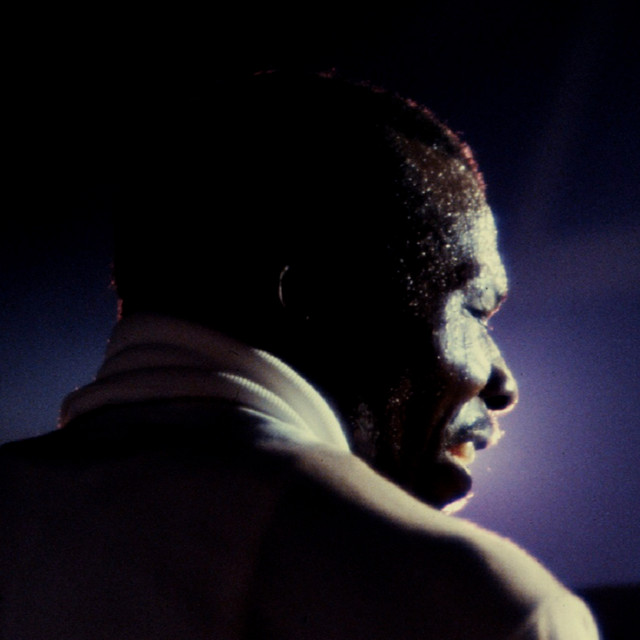
Freddie Hubbard's albums
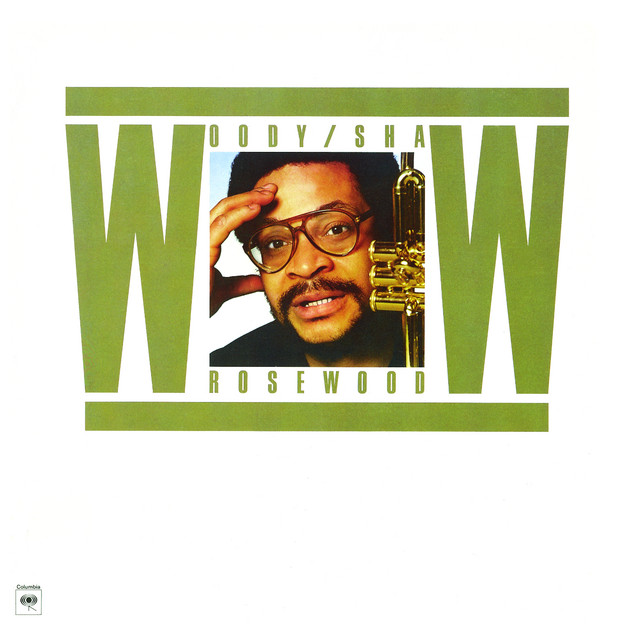
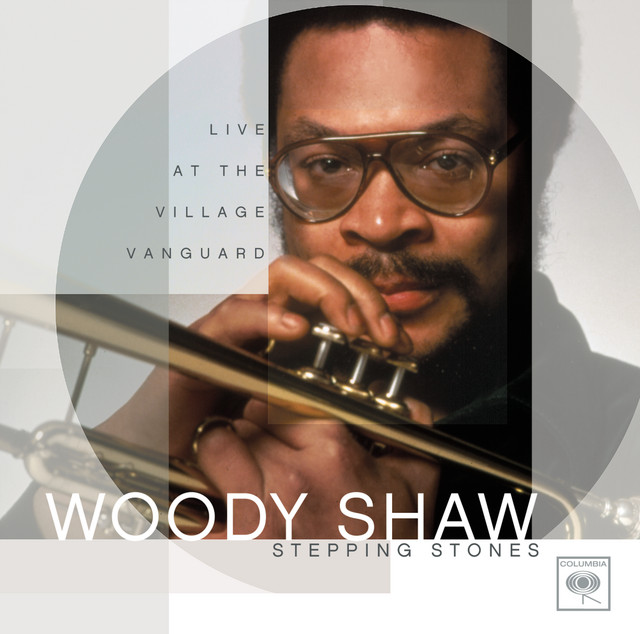
Woody Shaw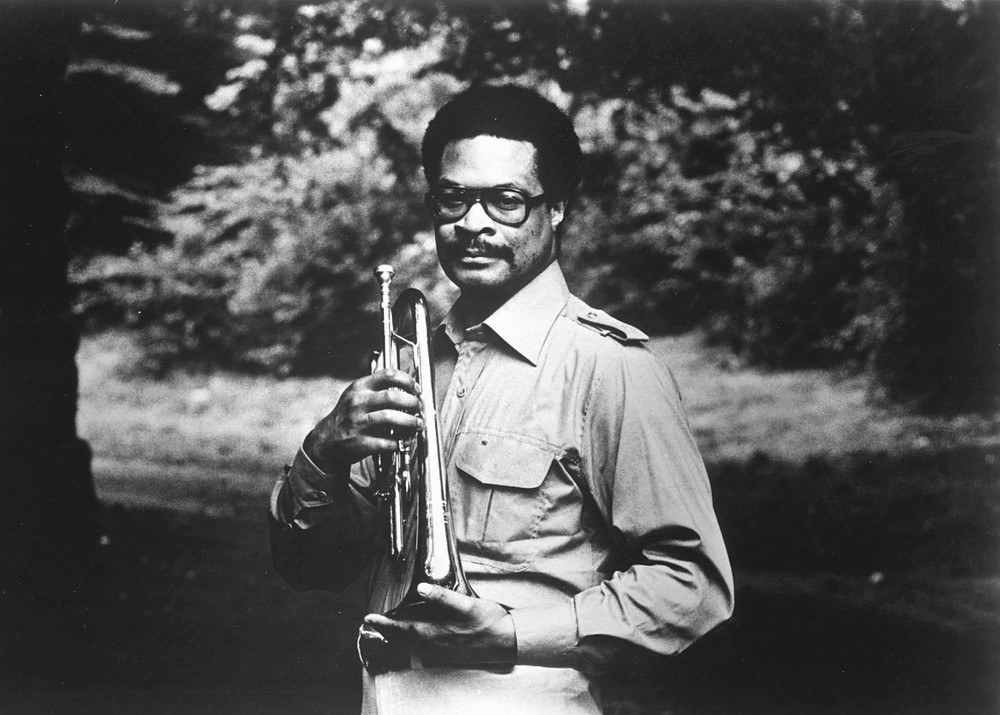
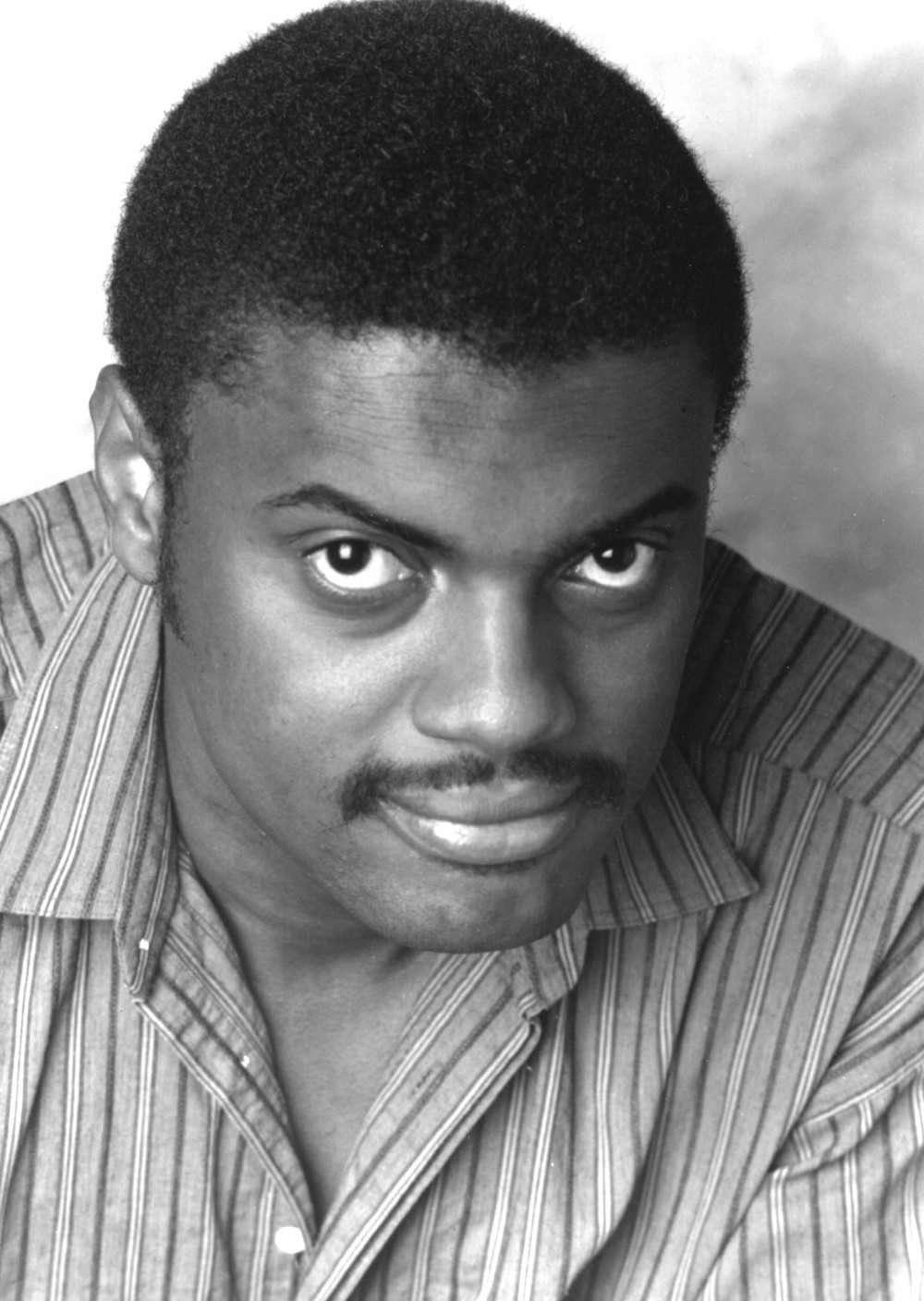
Freddie Hubbard's albums
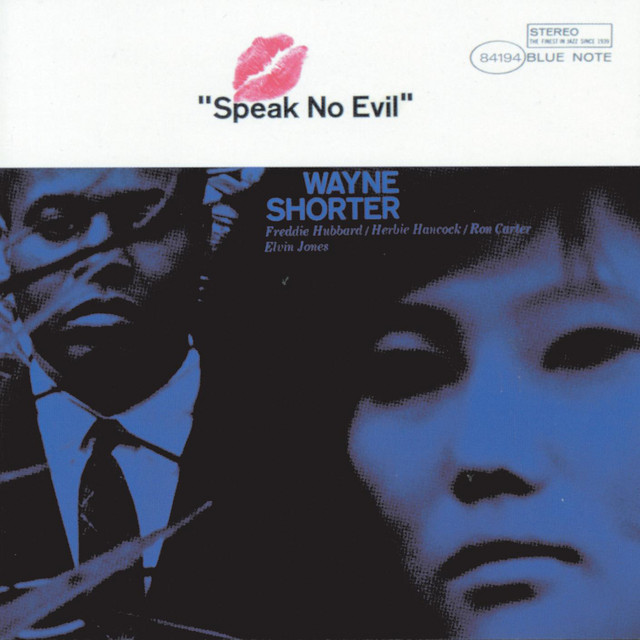
Speak No Evil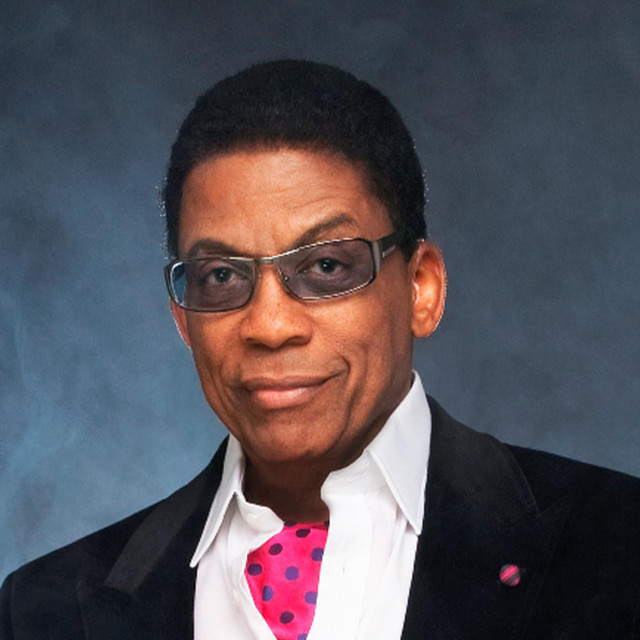
 — Footprints: The Life and Work of Wayne Shorter, Michelle Mercer, 2004
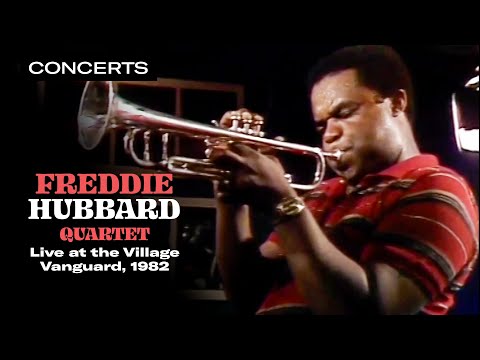
Freddie Hubbard's videos
June 24, 1982, Village Vanguard. Freddie Hubbard
Freddie Hubbard's albums
Empyrean Isles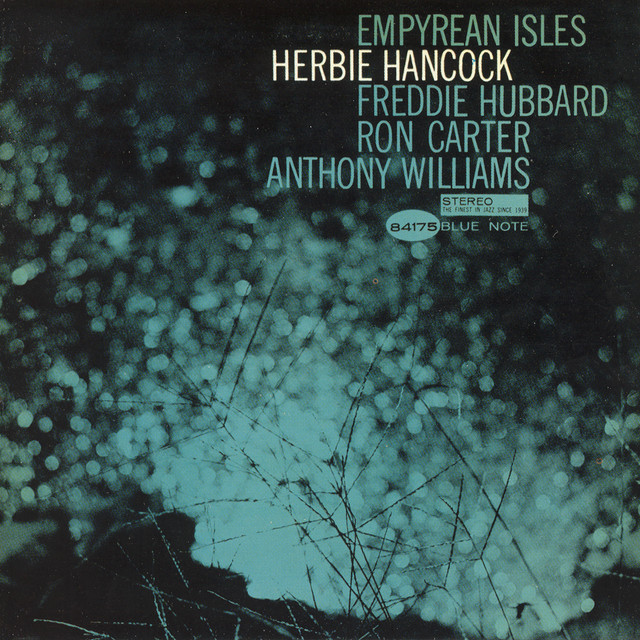
 — Blue Note Records: The Biography, Richard Cook, 2003
Freddie Hubbard's albums
Recorded in October 1961, Mosaic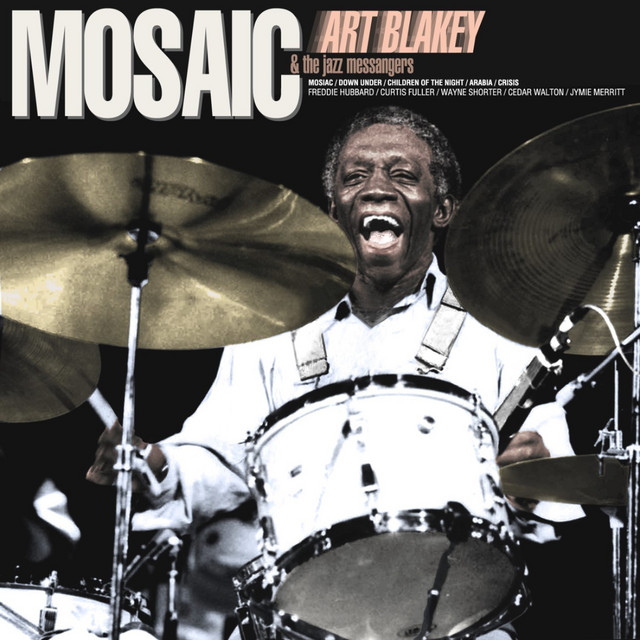
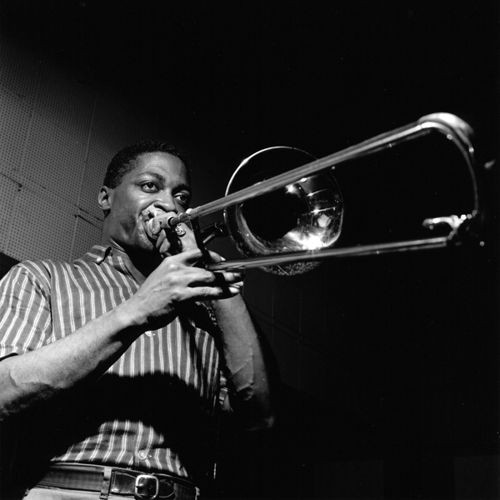
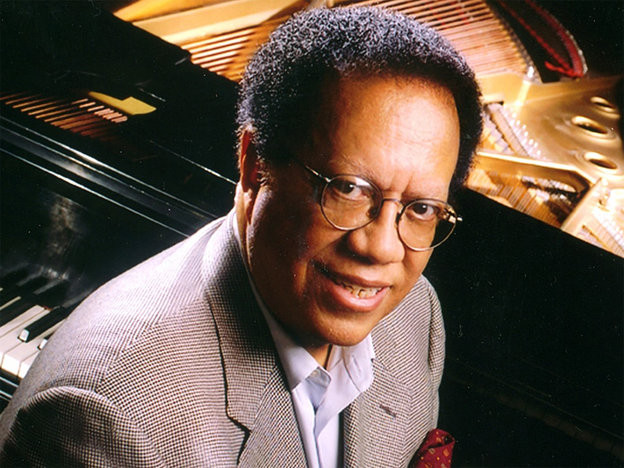
— Blue Note Records: The Biography, Richard Cook, 2003
In 1960 the 22-year-old Freddie Hubbard
— Blue Note Records: The Biography, Richard Cook, 2003
Freddie Hubbard's albums
Freddie Hubbard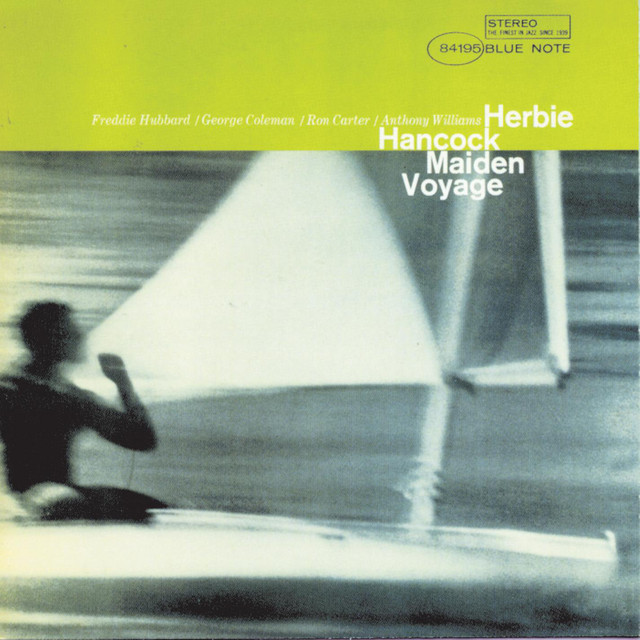
— Blue Note Records: The Biography, Richard Cook, 2003
Freddie Hubbard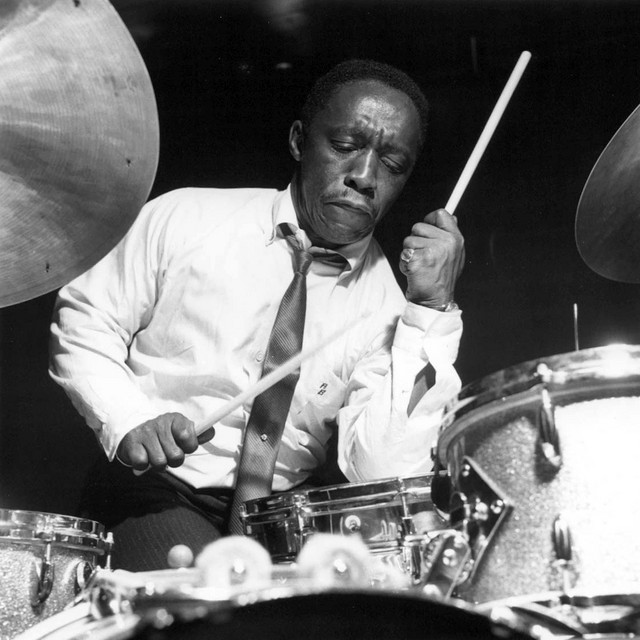
— Art Blakey: Jazz Messenger, Leslie Gourse, 2002
Freddie Hubbard's albums
Curtis Fuller
— Art Blakey: Jazz Messenger, Leslie Gourse, 2002
Freddie Hubbard's albums
On Free for All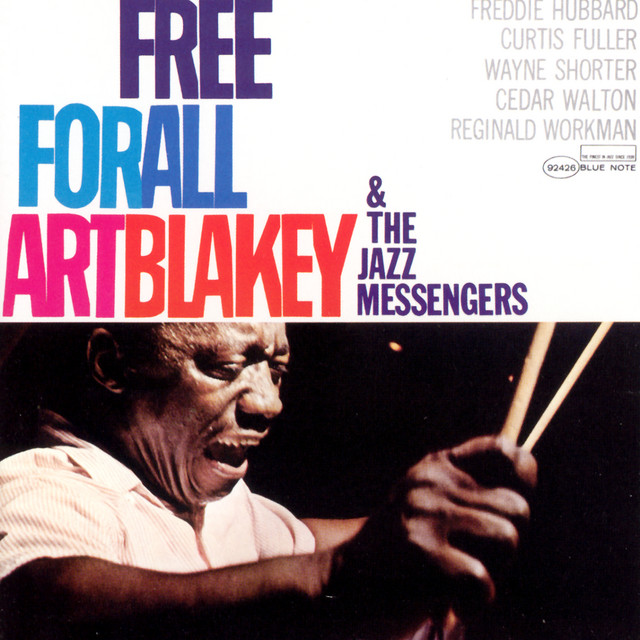
Freddie Hubbard's albums
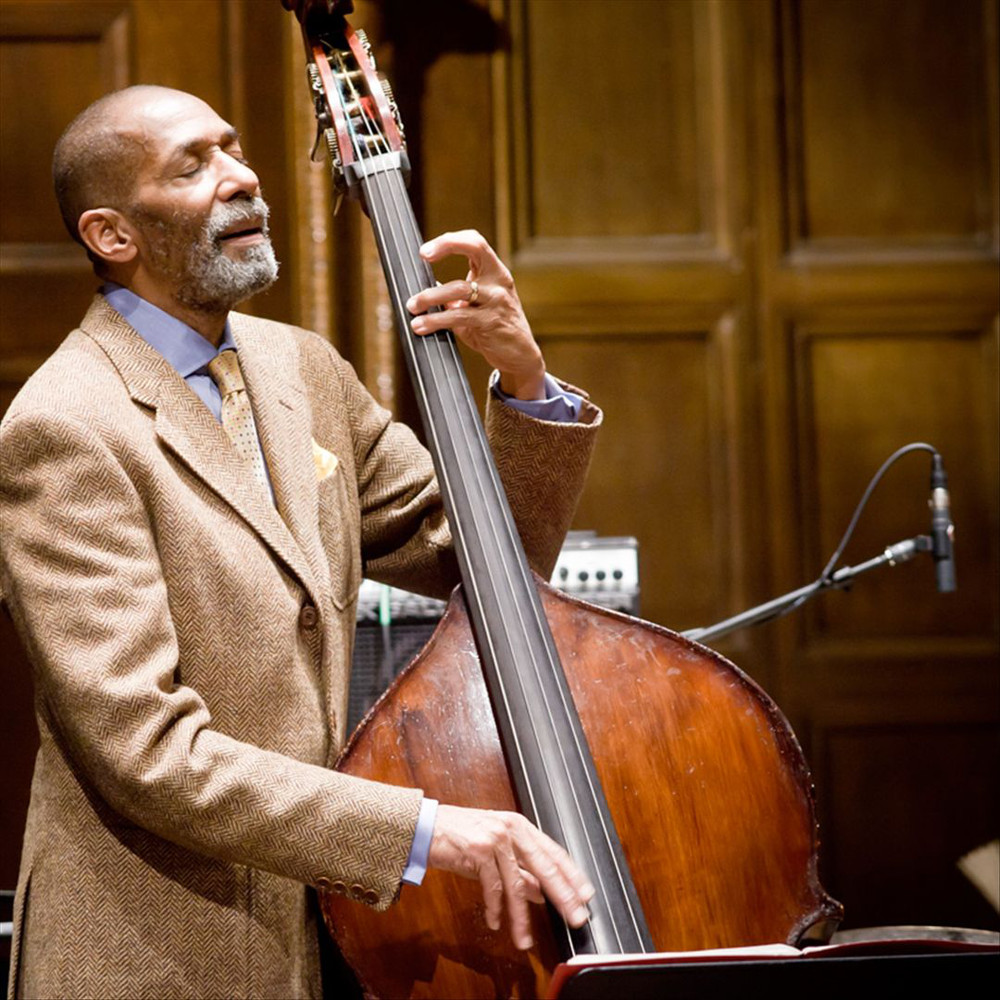
The bass intro that defines Freddie Hubbard's Red Clay (1970) wasn't Hubbard's — bassist Ron Carter invented it on the spot because Freddie never brought the part. "Luckily, the right note hit at the right time," Carter said. The hook that became the song's signature was an improvisation forced by a missing chart.
— Statement stmt-ron-carter-on-freddie-hubbard
Freddie Hubbard's albums
Freddie Hubbard's 1970 CTI track 'Red Clay' was written to order after a producer told him to 'write a hit.' Hubbard recalled that his fellow jazz musicians sneered at him for writing something so corny — yet the commissioned tune became the record he's best remembered for.
— Statement stmt-freddie-hubbard-on-freddie-hubbard
Freddie Hubbard's albums
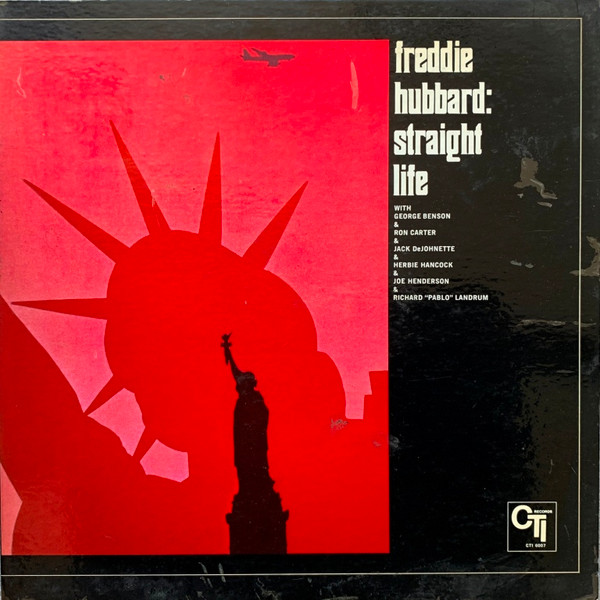
Through the CTI years, beneath Freddie Hubbard's glittering trumpet it was Ron Carter's bass holding the floor — 1970's Straight Life among them. Hubbard's last relayed message was that he was sorry he never got to tell people how many times Ron saved his ass in the studio. The star naming the sideman as his lifeline.
— Statement stmt-ron-carter-on-freddie-hubbard-2
Freddie Hubbard's albums
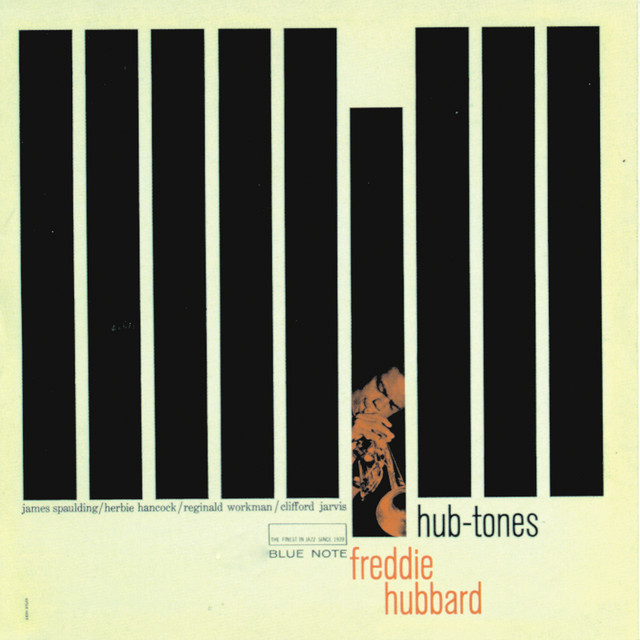
Freddie Hubbard, the lyrical hard-bop trumpeter of Hub-Tones, also turns up on Ascension, the 1965 wall-of-sound free-jazz session. The tidy melodist standing inside the most extreme date of the era is the surprise.
Freddie Hubbard's albums
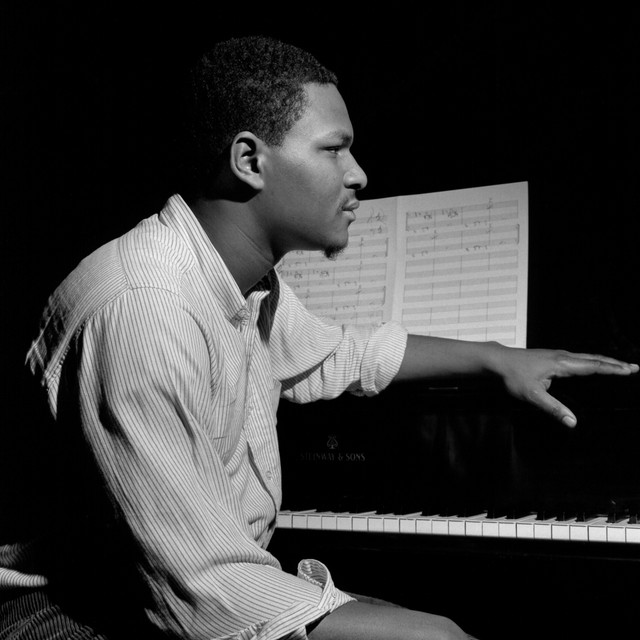
In 1961, pianist Cedar Walton brought his new composition "Mosaic" to a rehearsal with Art Blakey's Jazz Messengers. He later said the horn players—Freddie Hubbard, Curtis Fuller, and Wayne Shorter—devoured the tune "like eating cornflakes," playing it better than he could himself.
— Statement stmt-cedar-walton-on-freddie-hubbard
Freddie Hubbard's albums
In the 1960s, Freddie Hubbard was constantly measured against fellow trumpeter Lee Morgan every time he took the stand. He later said that pressure, rather than wearing him down, was exactly what kept him pushing forward.
— Statement stmt-freddie-hubbard-on-freddie-hubbard-2
Freddie Hubbard said
But Creed said, write a hit, so I wrote "Red Clay." And all my friends who were jazz musicians, they said, man, you writing that square stuff.
On writing "Red Clay" at producer Creed Taylor's request during his CTI years.
Freddie Hubbard said
I mean, every time you played, you were being watched and people compared you with - look at little Lee Morgan. So that competition kind of kept me going, you know.
Looking back on the 1960s and the constant comparison with Lee Morgan.
About Freddie Hubbard
Yeah, well, you know, that only got there because Freddie didn't bring the part in, I came up with the intro to it and we got lucky and struck the right note at the right time.
On how he came up with the bass intro to Freddie Hubbard's "Red Clay".
About Freddie Hubbard
And those guys, Freddie Hubbard, Curtis Fuller and Wayne Shorter, they ate it up like it was Post Toasties. They played it better than I could.
On bringing his tune "Mosaic" to an Art Blakey Jazz Messengers rehearsal.
About Freddie Hubbard
One of the last things Freddie communicated to this person, before the book came out, was that he was sorry we didn't get together because he could tell him how many times I saved his ass on the dates he was doing.
Asked about his role on CTI-era sessions, Carter relays a message the late Hubbard sent for his book.
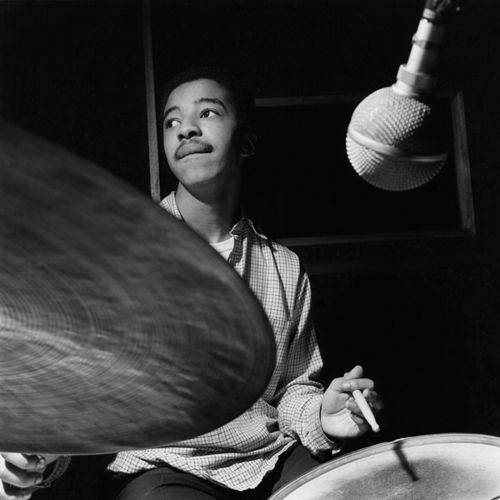 Tony Williams