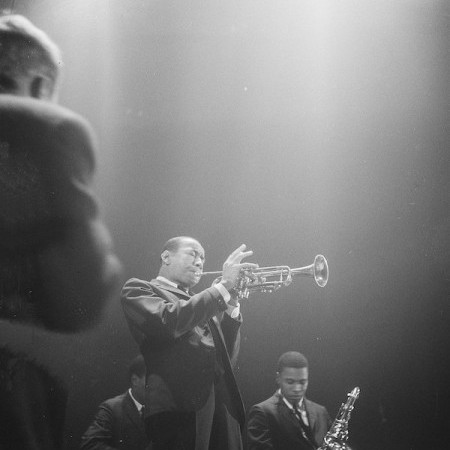
The Jazz Messengers were called a 'school.' Blakey said bringing along young people was the jazz tradition — he launched Lee Morgan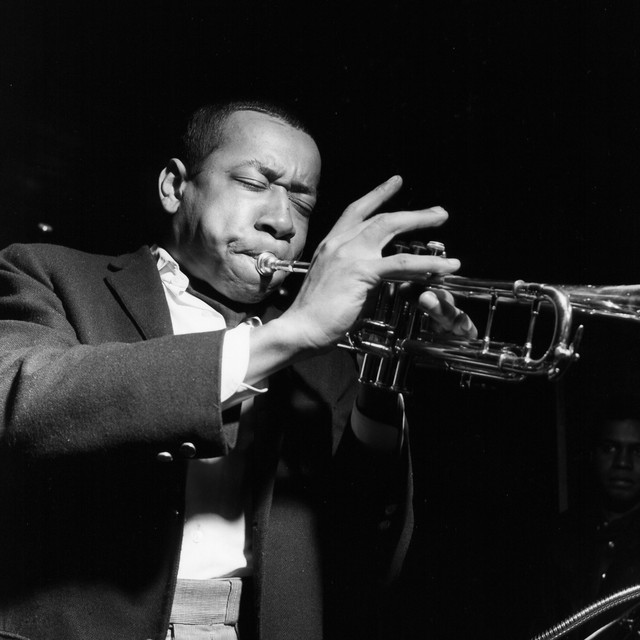
 — Art Blakey: Jazz Messenger, Leslie Gourse, 2002
(1919–1990)
United States
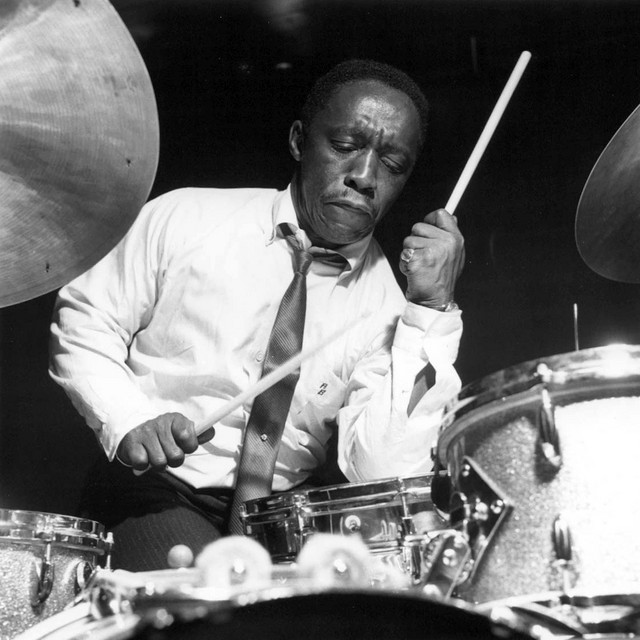
Art Blakey (1919–1990) — Drums, Vocals. Led A Night at Birdland Vol.1, Moanin', Gretsch Drum Night At Birdland. Worked with Lee Morgan, Curtis Fuller, Freddie Hubbard.
Blakey's drums explode. His cymbal work is ferocious and his energy goads the whole band forward. He led the Jazz Messengers for decades and mentored an extraordinary number of great players — Morgan, Shorter, Wynton, Blanchard, all came through his band. He is jazz's greatest teacher.
The Jazz Messengers were called a 'school.' Blakey said bringing along young people was the jazz tradition — he launched Lee Morgan
— Art Blakey: Jazz Messenger, Leslie Gourse, 2002
Art Blakey's albums
The Sidewinder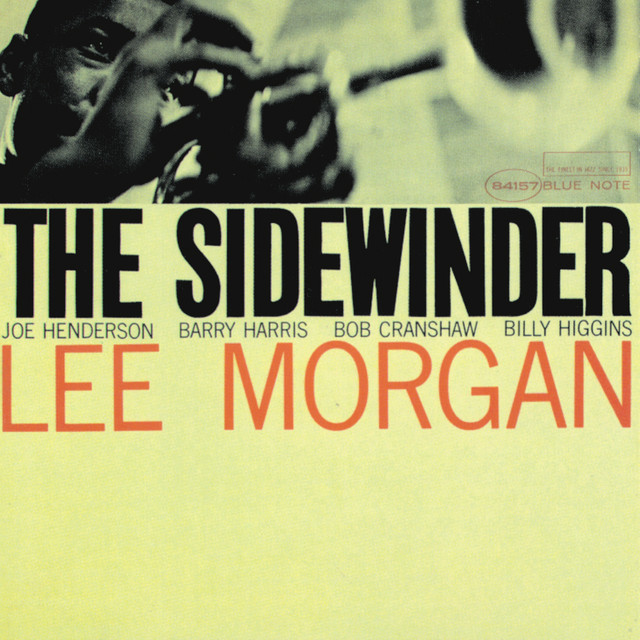
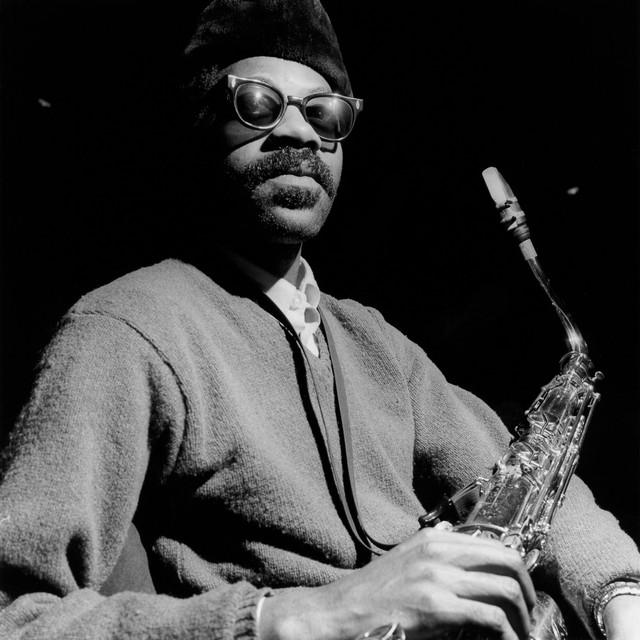
Art Blakey said
"Bringing along young talent is the jazz tradition. I get my youth from the kids."
On the role of the Jazz Messengers as a finishing school for young musicians.
Art Blakey's leader album
Mulgrew Miller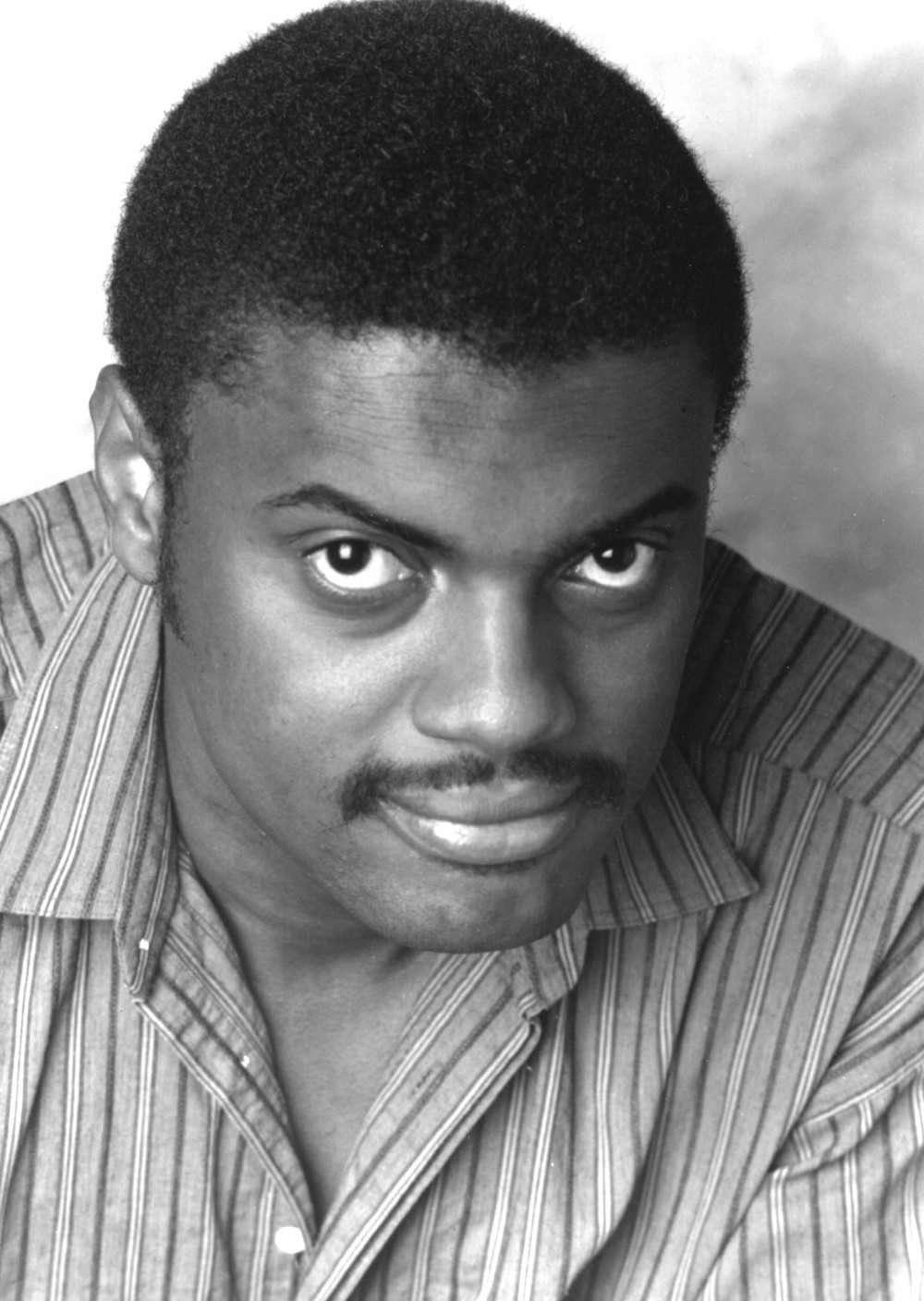
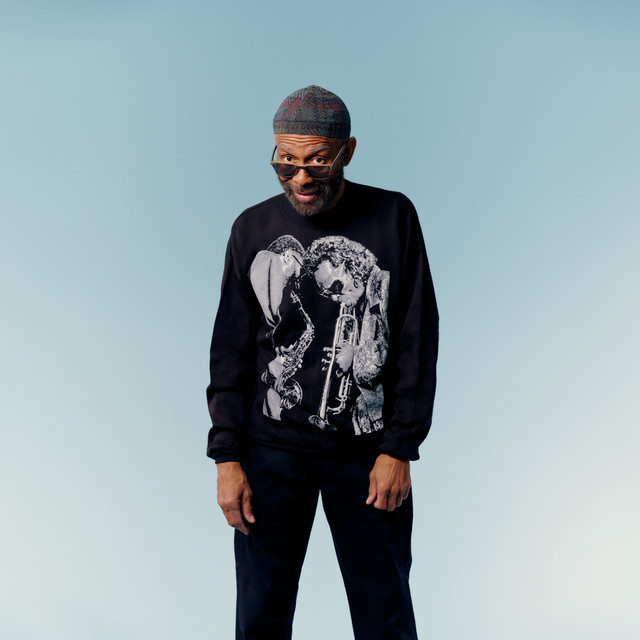
 — Blue Note Records: The Biography, Richard Cook, 2001
Art Blakey's leader album
Reggie Workman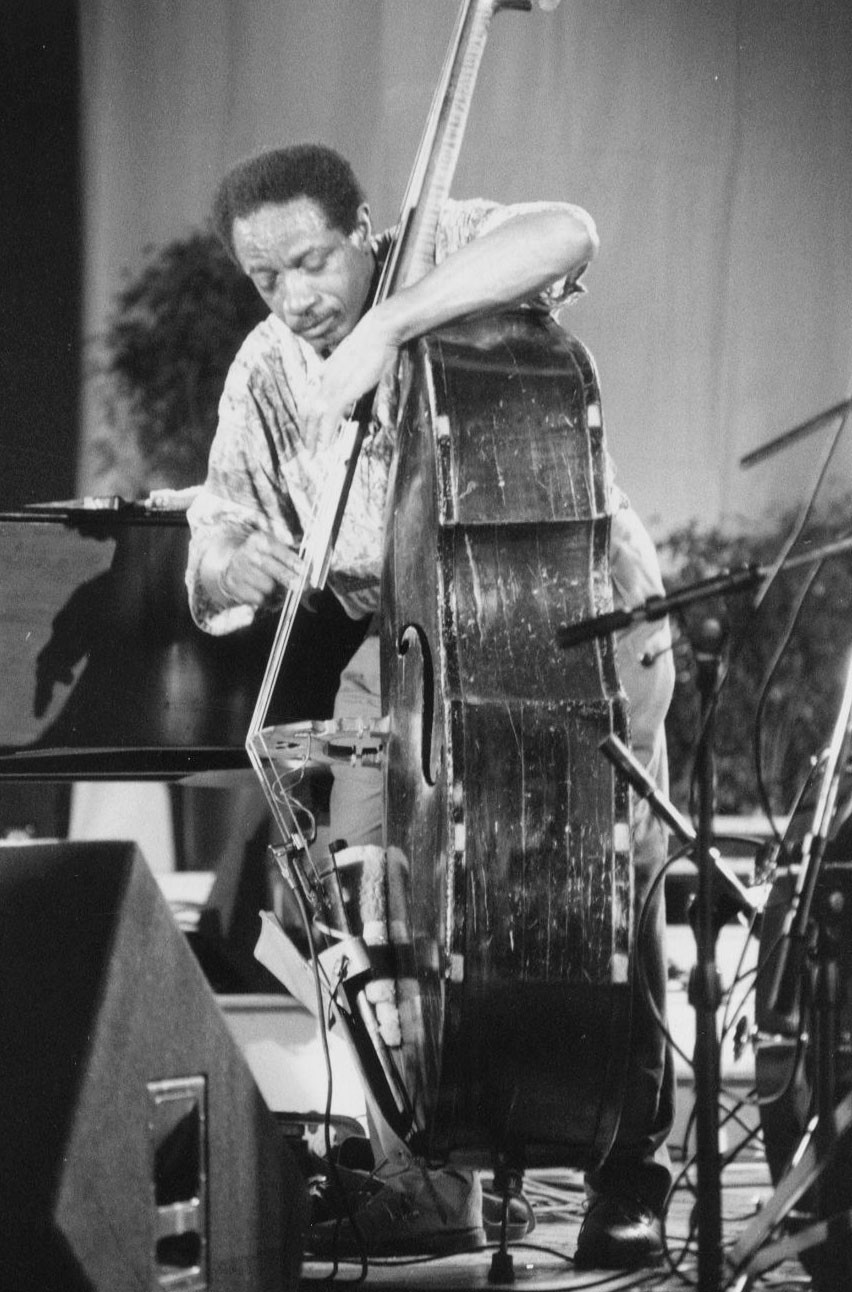
Art Blakey's videos
November 1959, Théâtre des Champs-Élysées, Paris. The Jazz Messengers with the Lee Morgan
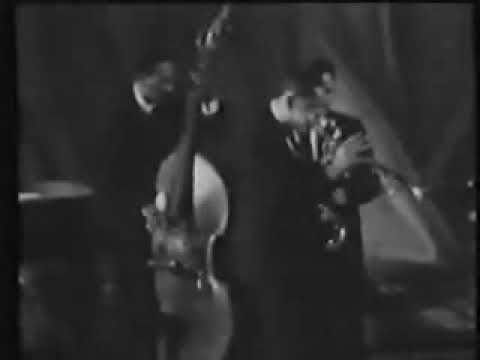 — Blakey & Jazz Messengers — Paris 1959, 1959
Art Blakey's leader album
Cedar Walton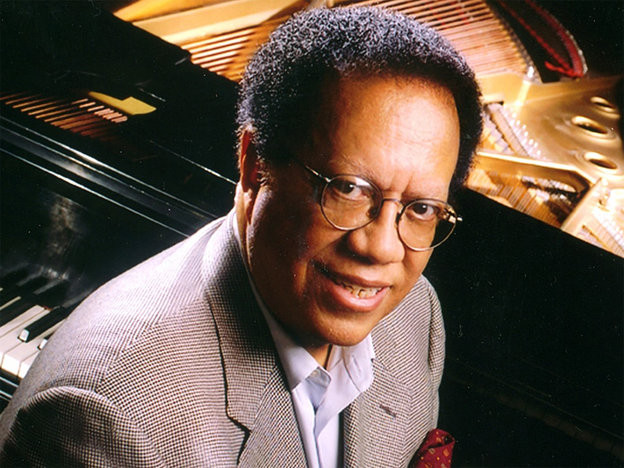
— Art Blakey: Jazz Messenger, Leslie Gourse, 2002
Curtis Fuller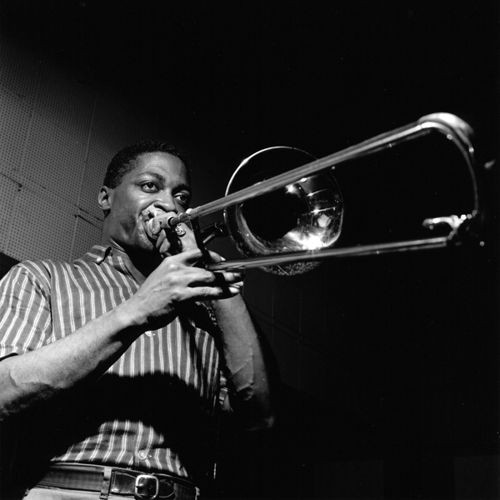
— Art Blakey: Jazz Messenger, Leslie Gourse, 2002
Art Blakey
— Art Blakey: Jazz Messenger, Leslie Gourse, 2002
Art Blakey's leader album
Recorded for Blue Note in October 1958, Moanin'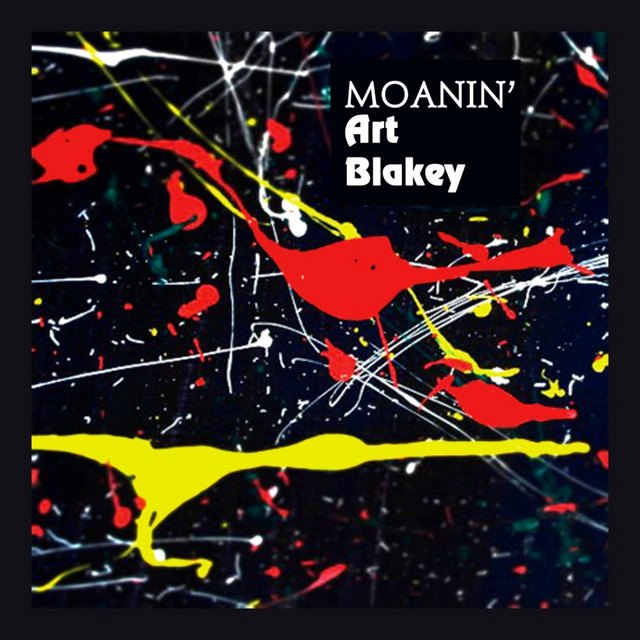
— Blue Note Records: The Biography, Richard Cook, 2003
Art Blakey
— Art Blakey: Jazz Messenger, Leslie Gourse, 2002
Art Blakey's leader album
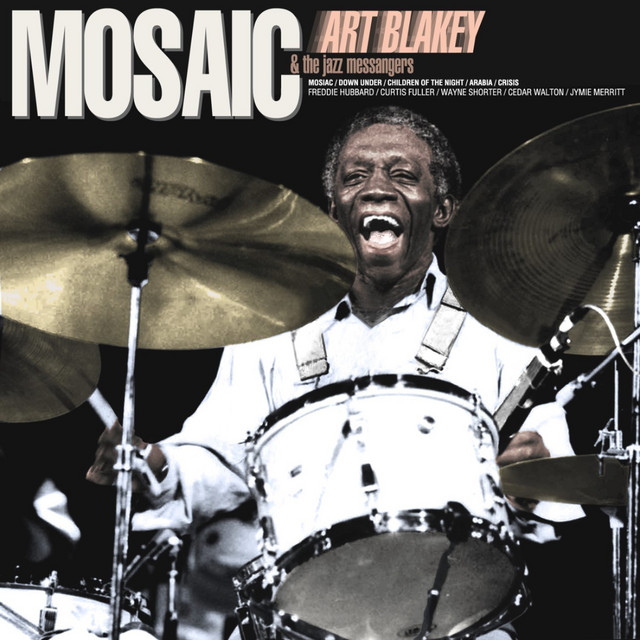
Recorded in October 1961, Mosaic
— Blue Note Records: The Biography, Richard Cook, 2003
Freddie Hubbard
— Art Blakey: Jazz Messenger, Leslie Gourse, 2002
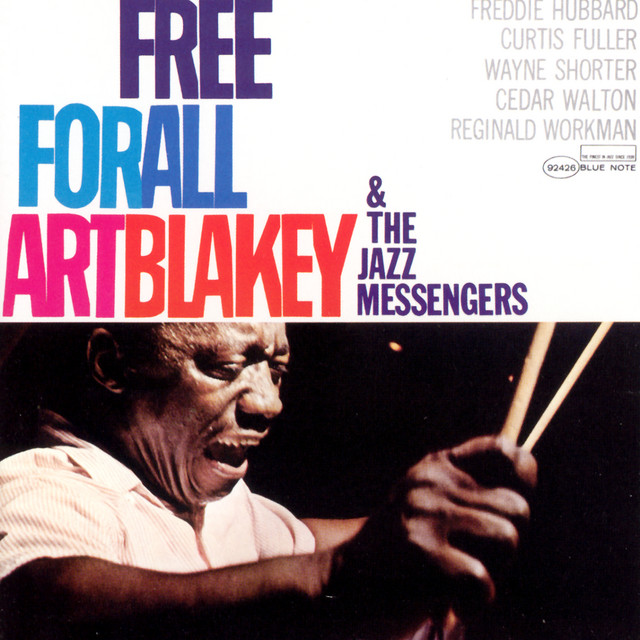
Art Blakey's leader album
Cedar Walton
— Art Blakey: Jazz Messenger, Leslie Gourse, 2002
Art Blakey's leader album
Curtis Fuller
— Art Blakey: Jazz Messenger, Leslie Gourse, 2002
After traveling to West Africa in 1947, Art Blakey
— Art Blakey: Jazz Messenger, Leslie Gourse, 2002
Lee Morgan joined Art Blakey
— Statement stmt-0014
"Art took me in when I was 18. I learned more than drums from him." — Lee Morgan on joining Blakey
— Statement stmt-0014
"Bringing along young talent is the jazz tradition. I get my youth from the kids." — Blakey
— Statement stmt-blakey-young-talents
Art Blakey's leader album
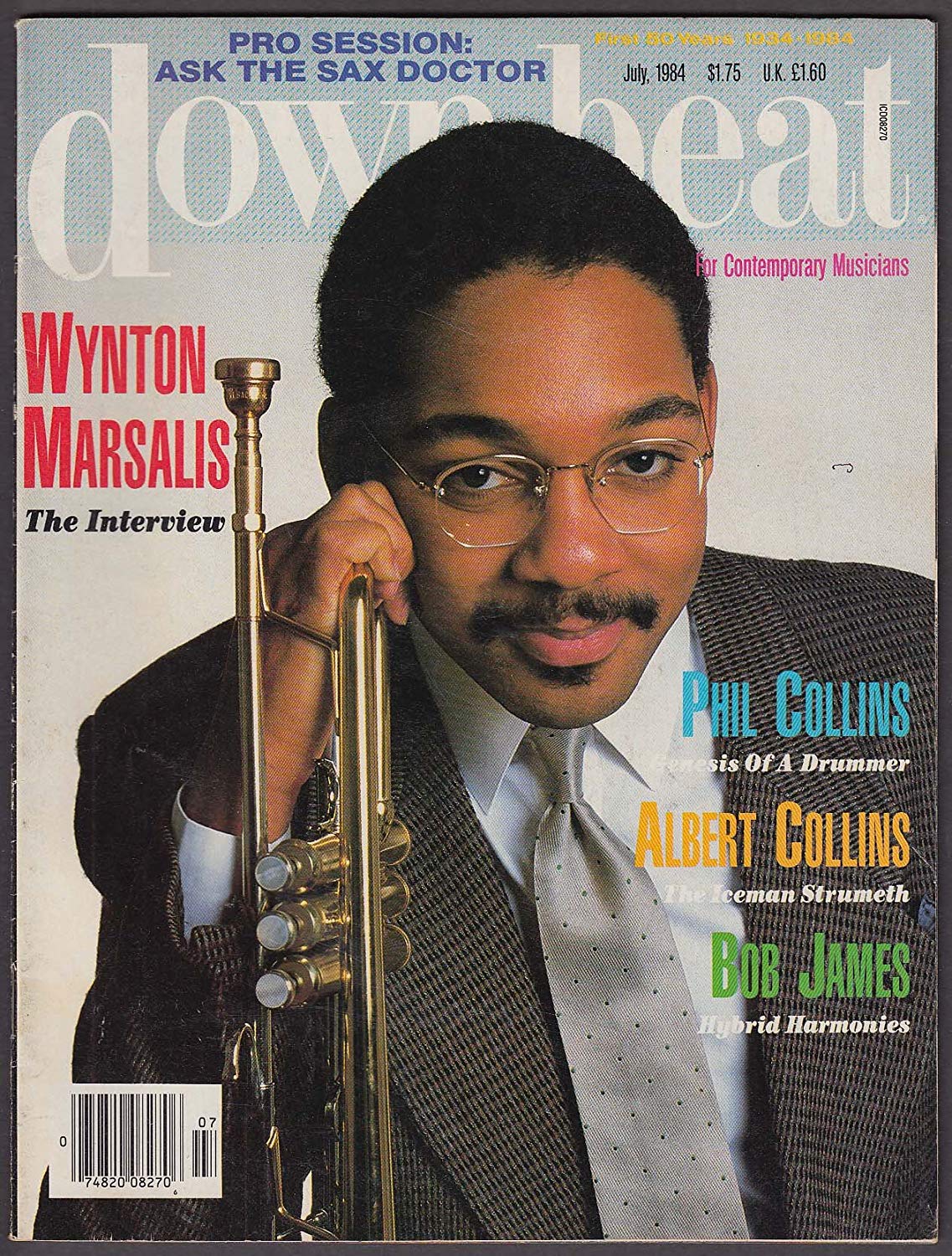
Wynton Marsalis joined Art Blakey's band as a teenager without having heard a single Blakey record — just playing scales over the chords, not yet knowing that a solo is something you construct, as he admitted at twenty-two. That was the starting point of the man later cast as jazz's traditionalist-in-chief.
— Statement stmt-wynton-marsalis-on-art-blakey
Art Blakey's leader album
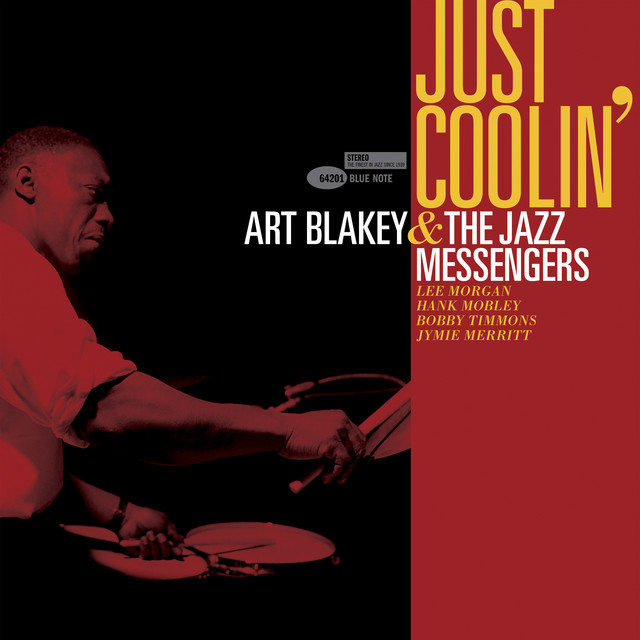
Moanin' (1958) first appeared under the plain eponymous title 'Art Blakey and the Jazz Messengers.' The opening tune, written by pianist Bobby Timmons, caught on so widely that the whole record came to be known by its name — the sideman's song, not the leader's, gave the album its title.
Art Blakey's albums
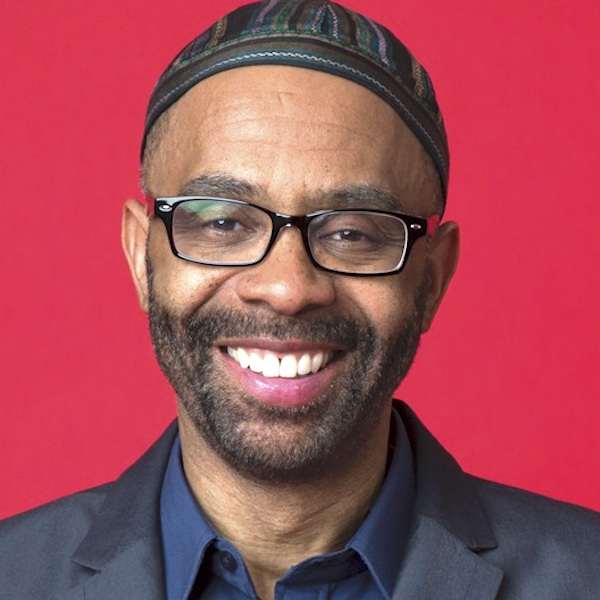
Kenny Garrett says Art Blakey's press roll wasn't just a dynamic cue — dropping it in the second chorus forced the soloist to resolve whatever they were saying, right then. Garrett calls it Blakey's way of teaching young Jazz Messengers how to become bandleaders themselves.
— Statement stmt-kenny-garrett-on-art-blakey
Art Blakey's leader album
Art Blakey's Jazz Messengers is remembered as a finishing school for young players, but Branford Marsalis recalls Blakey as the man who first showed him how weak his ballad playing was. Before he became one of the genre's leading saxophonists, he was simply a rookie who couldn't yet handle a ballad.
— Statement stmt-branford-marsalis-on-art-blakey
About Art Blakey
'Art took me in when I was 18. I learned more than drums from him'
On joining the Jazz Messengers at age 18 in 1956.
About Art Blakey
He was the first guy to make me understand how bad I was on ballads.
On what Art Blakey taught him during his time in the Jazz Messengers.
About Art Blakey
I'm embarrassed to admit it, but when I joined Art Blakey's band, I hadn't even listened to Art Blakey's records. I was just playing scales on chords - I didn't know you were supposed to construct a solo.
In 1984, at 22, looking back on joining Art Blakey's band as a teenager.
About Art Blakey
I saw that with Art Blakey. He might not have children, but he was a paternalistic person.
In 1991, while describing his own life on the road as a family man.
About Art Blakey
That's like two times around the song, and the second course he would do a press roll and you have to finish your statement, but mainly Art was teaching us how to be leaders.
On what Art Blakey drilled into him about building a solo during his time with the Jazz Messengers.
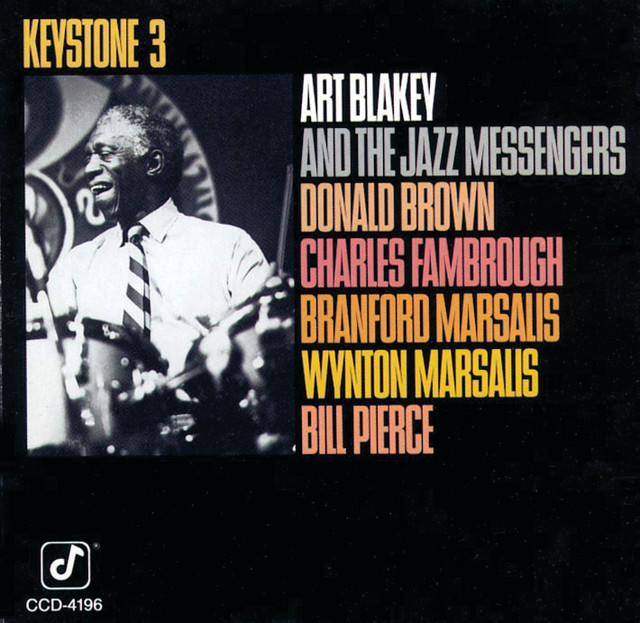
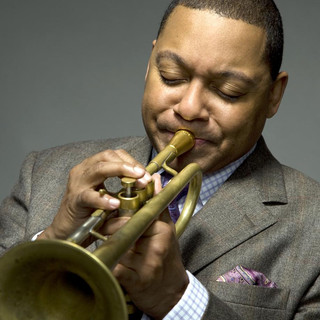 Wynton Marsalis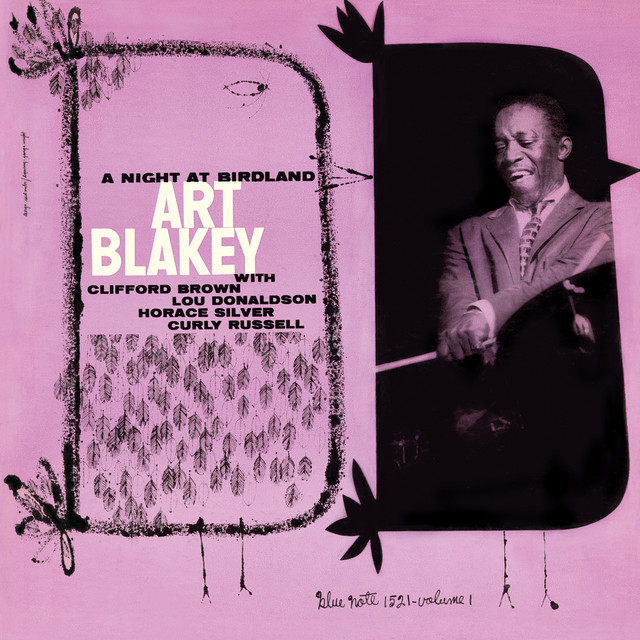


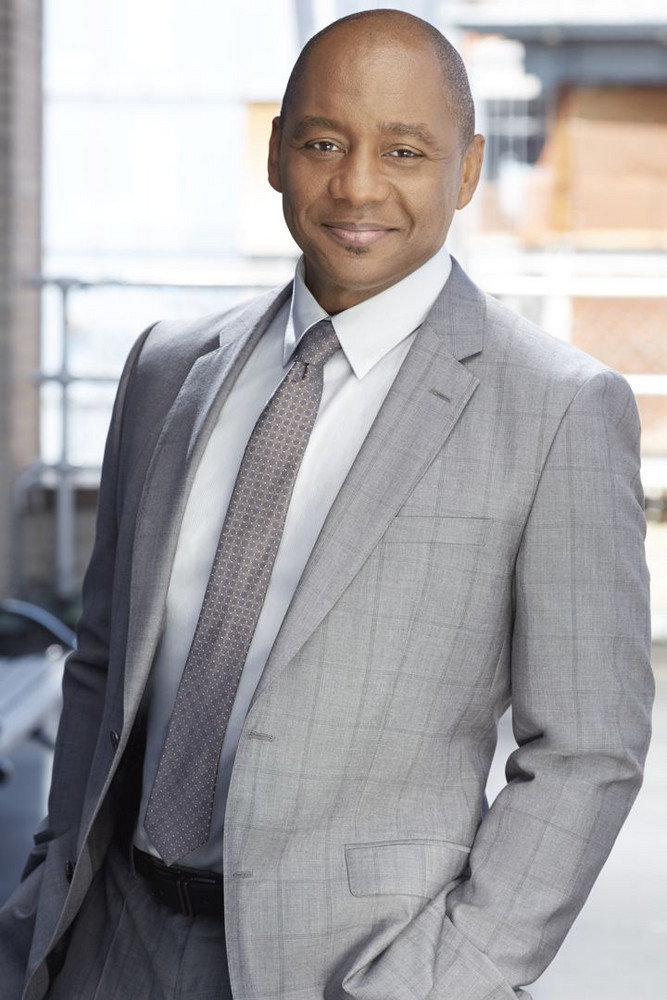 Branford Marsalis