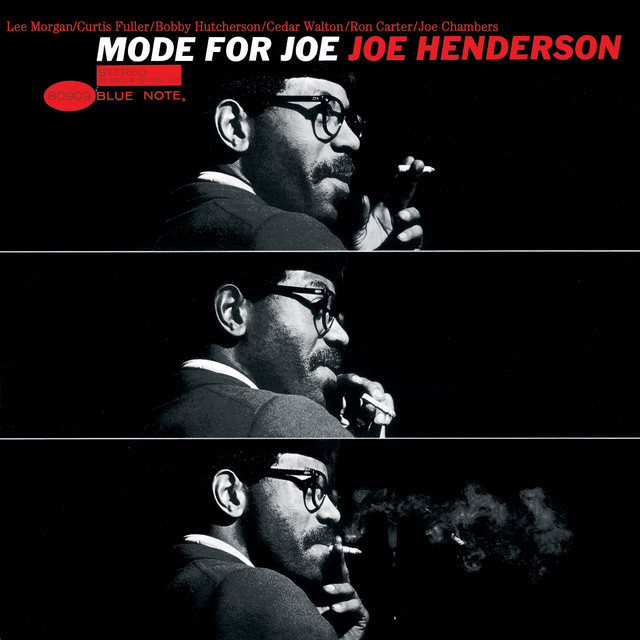
Mode for Joe
Joe Henderson · 1966 · Blue Note
Personnel
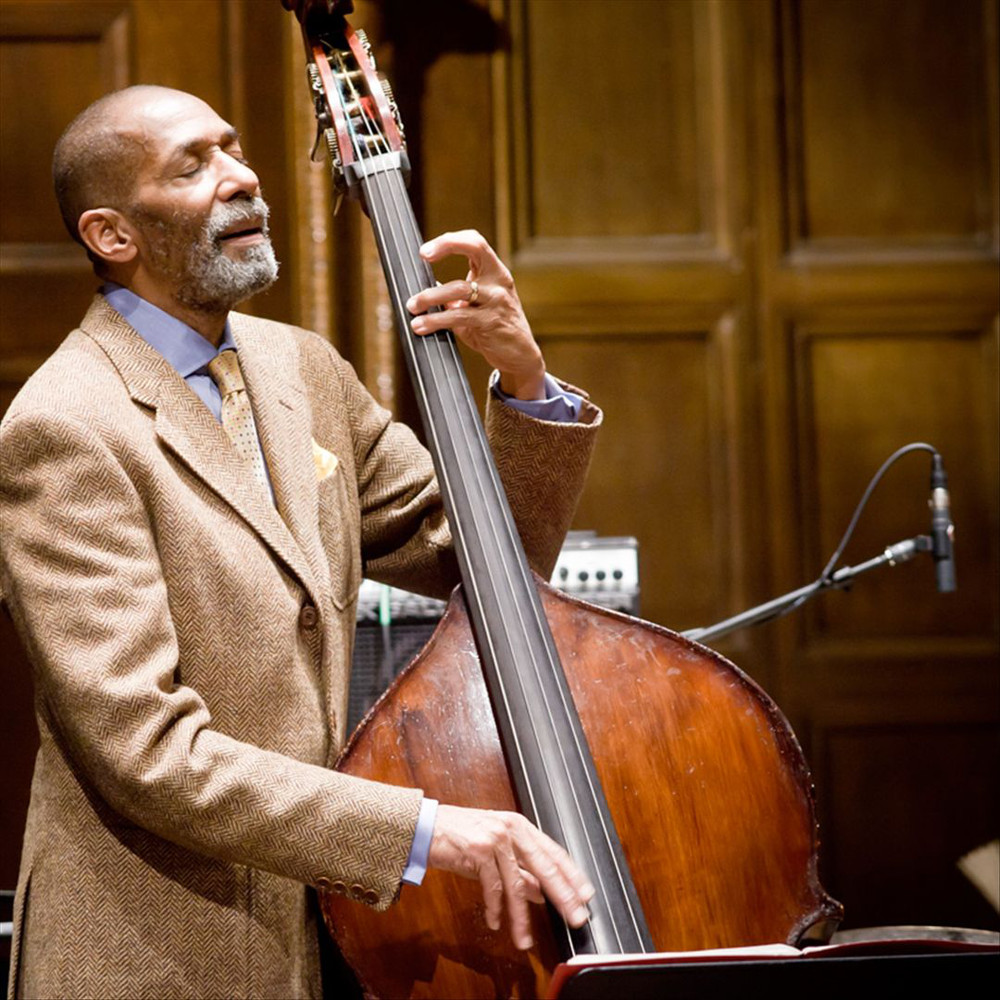
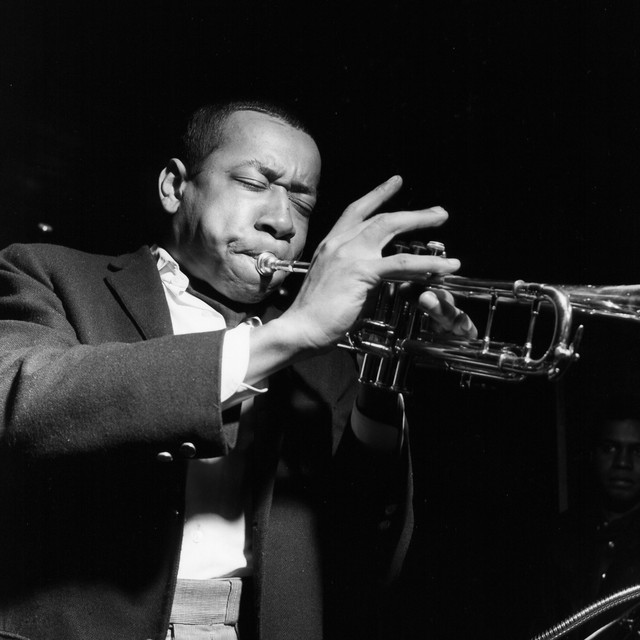
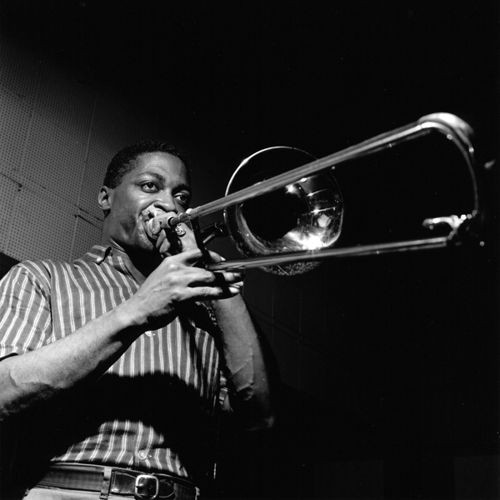
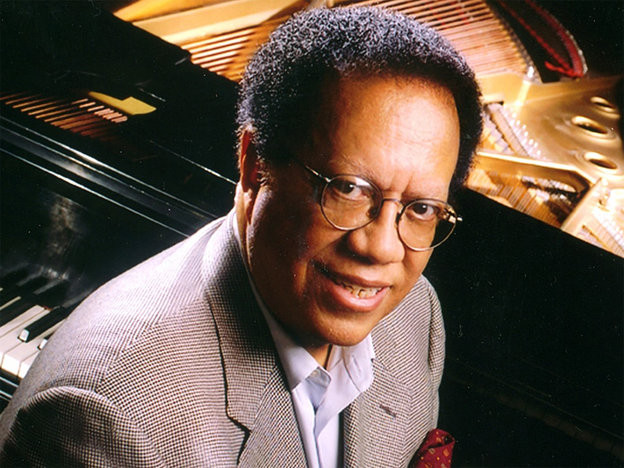
Cedar Walton
played Piano on this album
The title track "Mode for Joe" is Walton's composition—its modal architecture gave Henderson a framework within which he delivered one of his most transcendent recorded solos.
The title track of Mode for Joe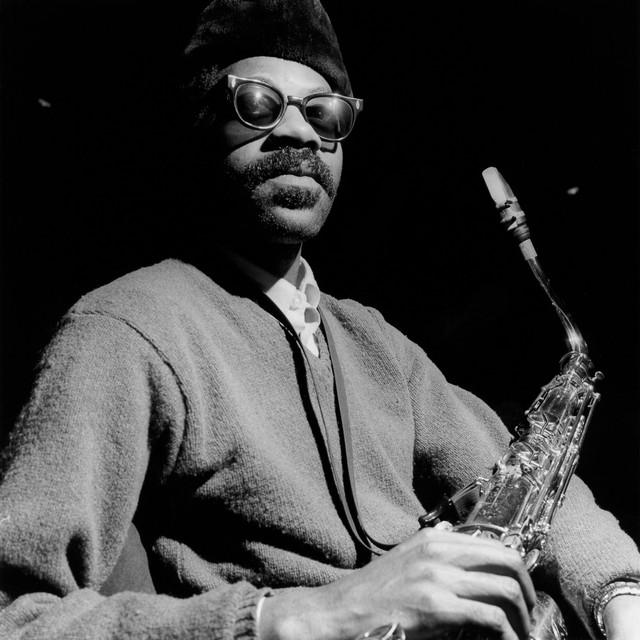
Joe Henderson is remembered as a master tenor and composer. Yet bassist Ron Carter says he never once turned up with enough material — always two songs, ten minutes short — and would ask the band to compose on the spot: 'We're making an LP here, come on, Joe.'
For years the received ranking of Blue Note's tenors put Wayne Shorter on top. But drummer Joe Chambers, who was in the room, remembered it differently: 'Joe and Wayne were equal talents — Joe just had more soul.'
In 1961, pianist Cedar Walton brought his new composition "Mosaic" to a rehearsal with Art Blakey's Jazz Messengers. He later said the horn players—Freddie Hubbard, Curtis Fuller, and Wayne Shorter—devoured the tune "like eating cornflakes," playing it better than he could himself.
The 1961 album Mosaic is filed under Art Blakey's name, but the title tune was written by the pianist, Cedar Walton. The record everyone remembers as the bandleader's takes its name from the small print.
Vibraphonist Bobby Hutcherson died in 2016, yet his name is credited on the 2021 album Deciphering the Message. The record layers archival tape of his old Blue Note-era performances under new rhythm tracks, so a musician already gone five years still 'plays' on it.
Joe Chambers drummed through Blue Note's mid-1960s golden age — In the Beginning (1965), Mode for Joe (1966), Tender Moments (1968) — and resurfaces half a century later on Deciphering the Message (2021), an album that reworks that same vault, with the original session player still in the room.
Featured in Episodes
Featured in Notes
Around 1966