









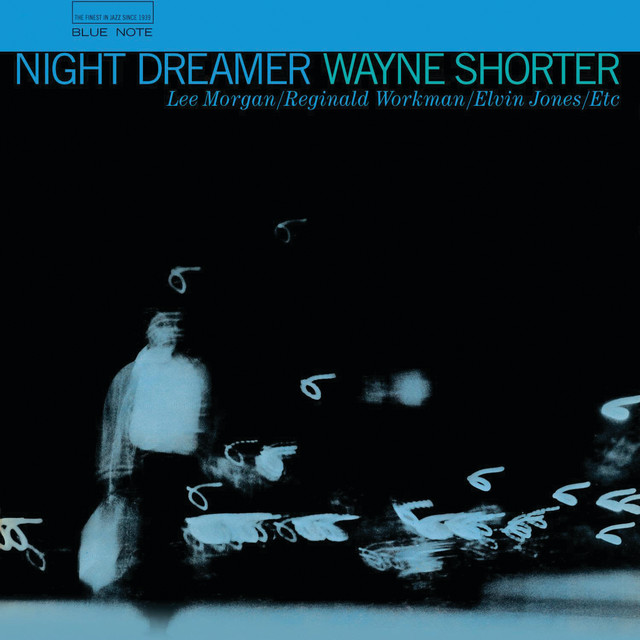
1964 · Night Dreamer
The 1964–66 Blue Note period was when Wayne Shorter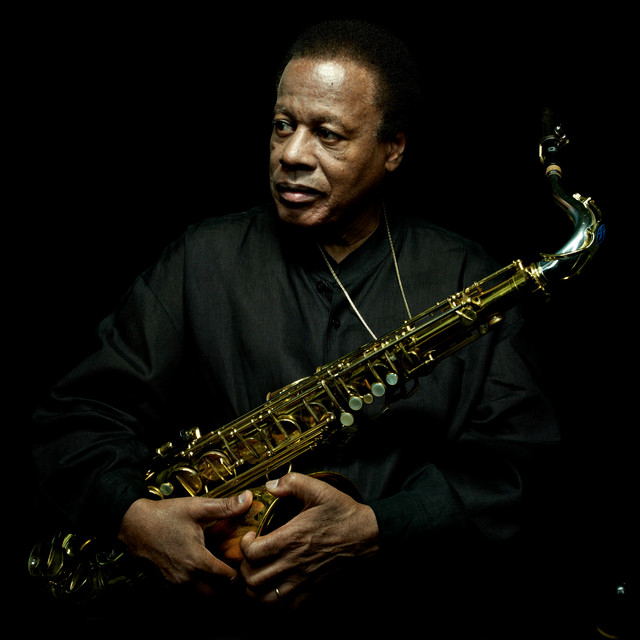
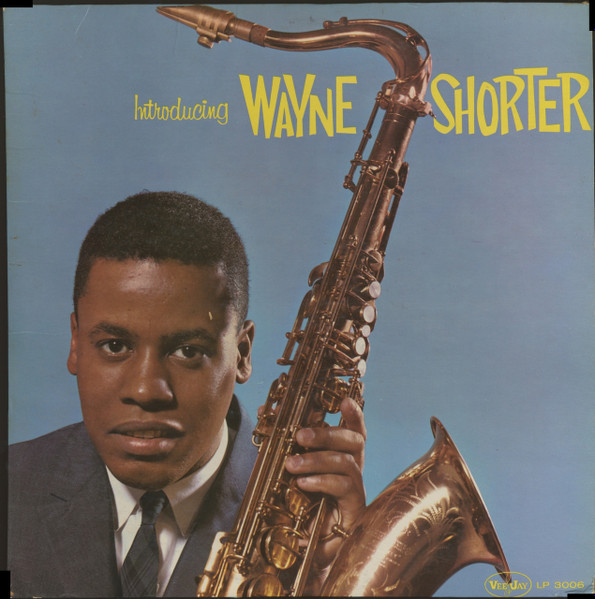
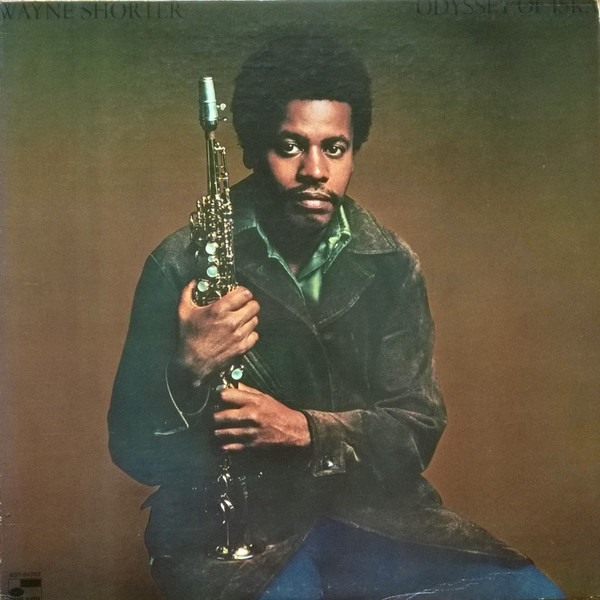
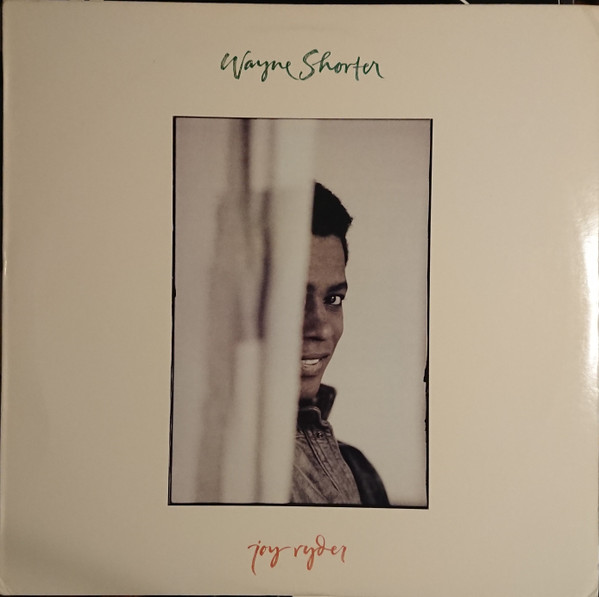
7 albums as leader and 42 as sideman (1960–2021), each listed chronologically.

Weather Report
1976 · Columbia

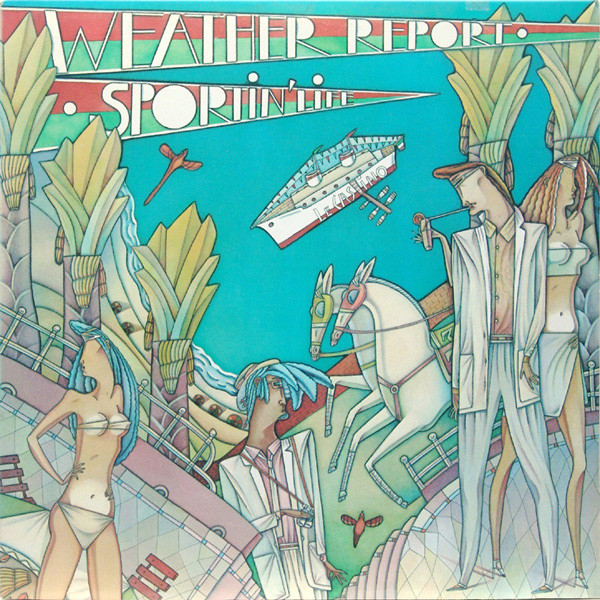
Weather Report
1977 · Columbia
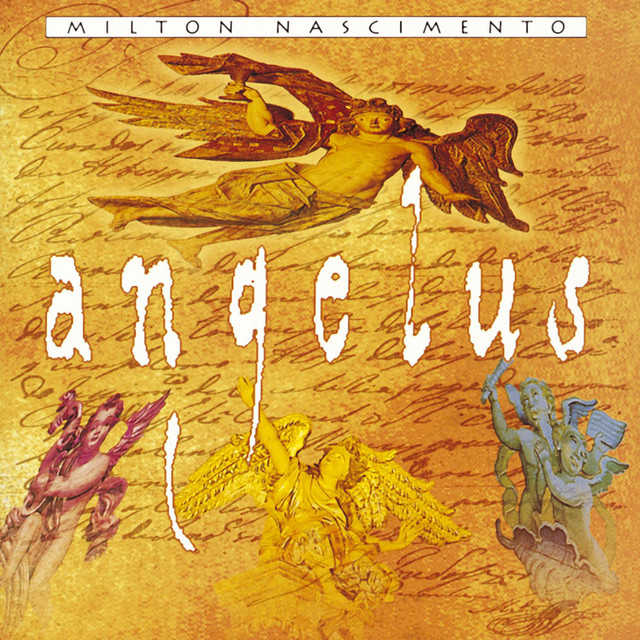
Milton Nascimento
1993 · Warner Music Brasil
1964 · Night Dreamer
The 1964–66 Blue Note period was when Wayne Shorter
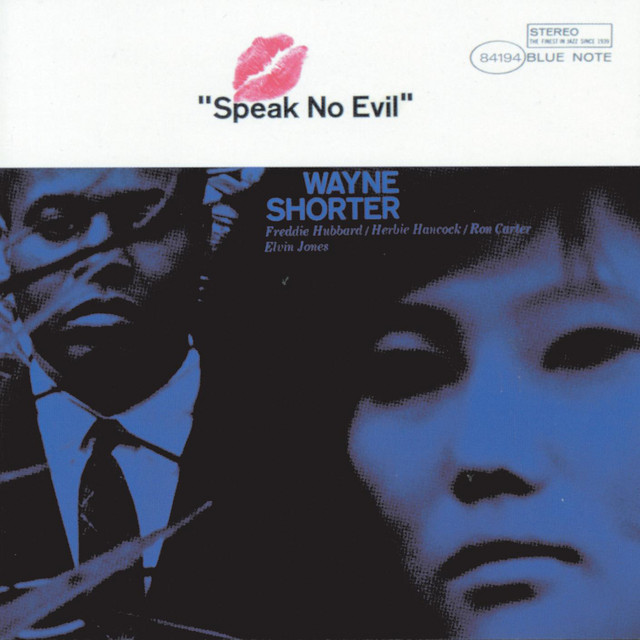
1966 · Speak No Evil
Speak No Evil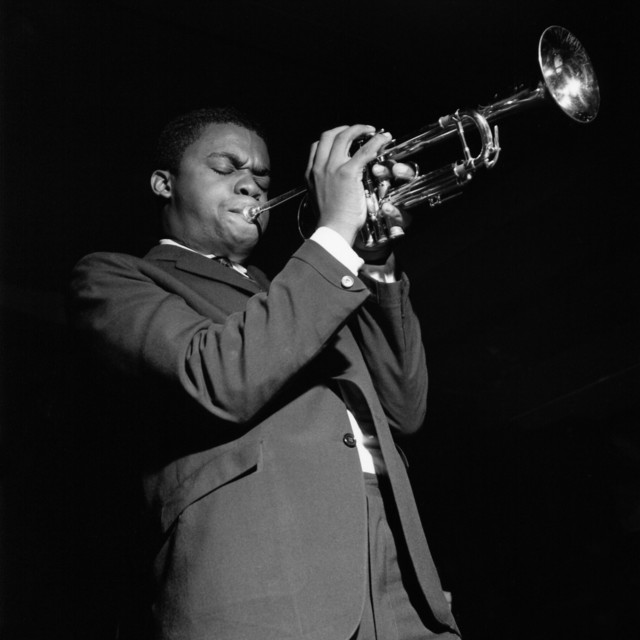

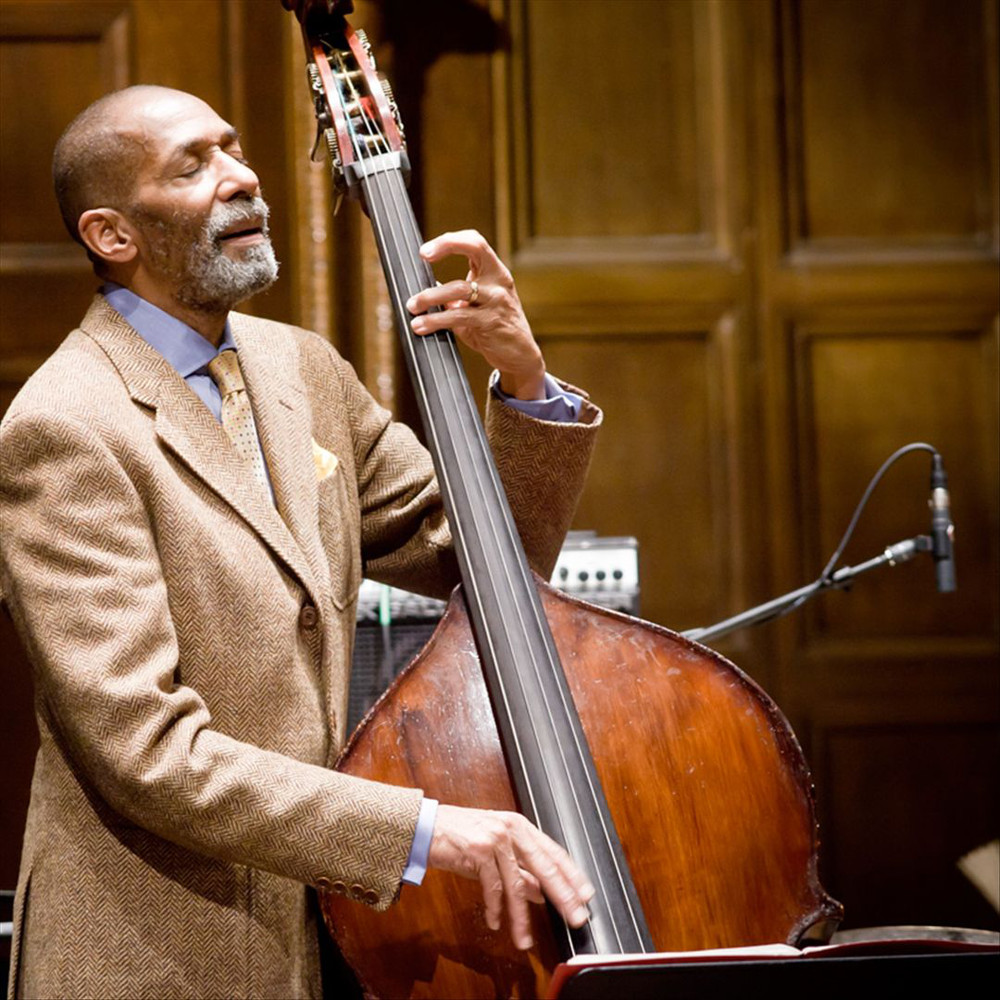
 — Footprints: The Life and Work of Wayne Shorter, Michelle Mercer, 2004
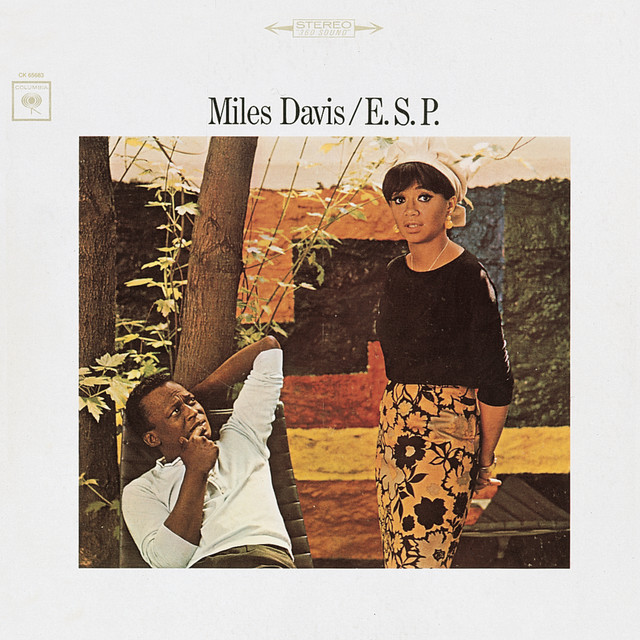
1965 · E.S.P.
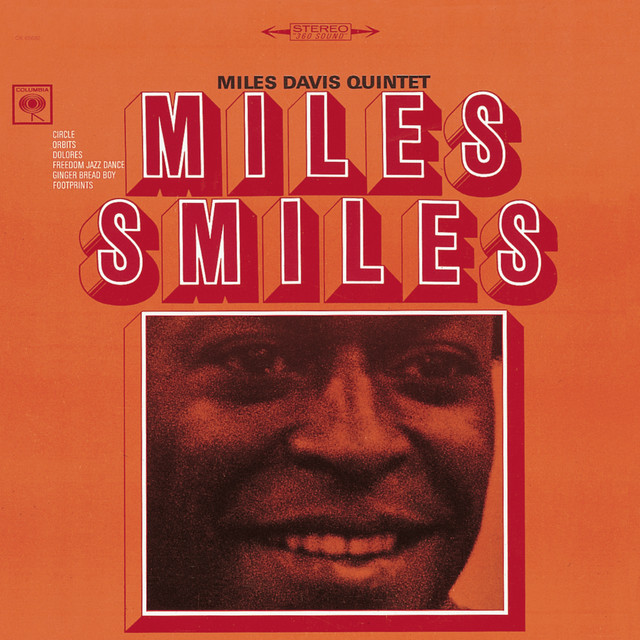
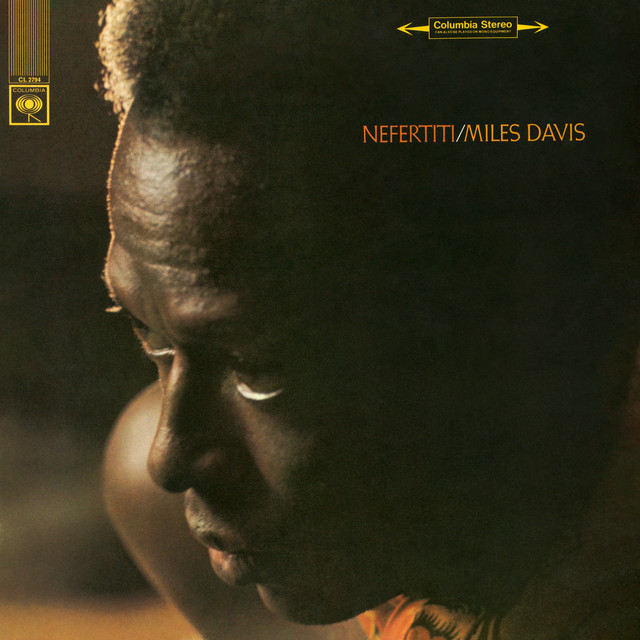
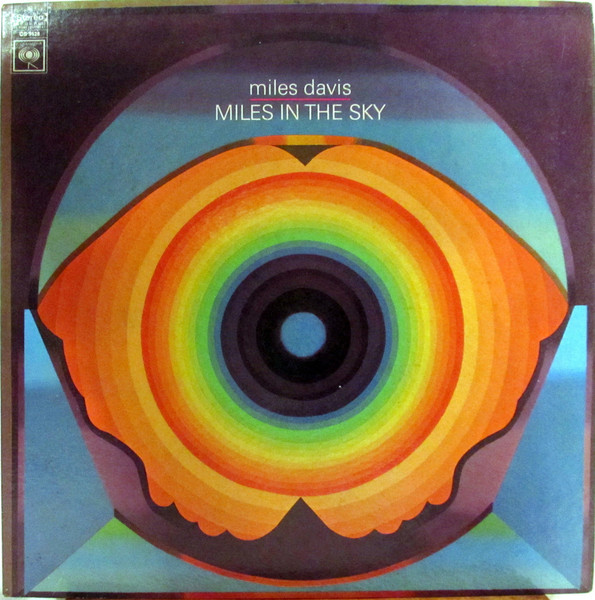
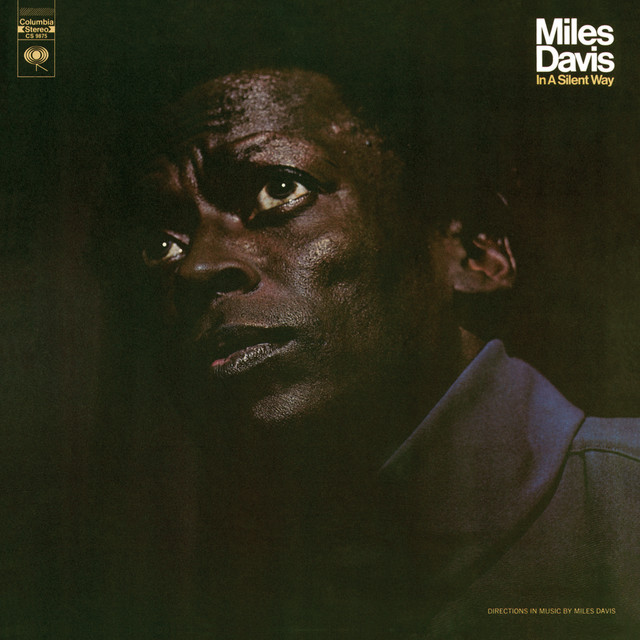
The Second Great Quintet of 1964–68. Each member had independent careers, but together they fundamentally reinvented how jazz treated time.
1970 · Bitches Brew
Miles Davis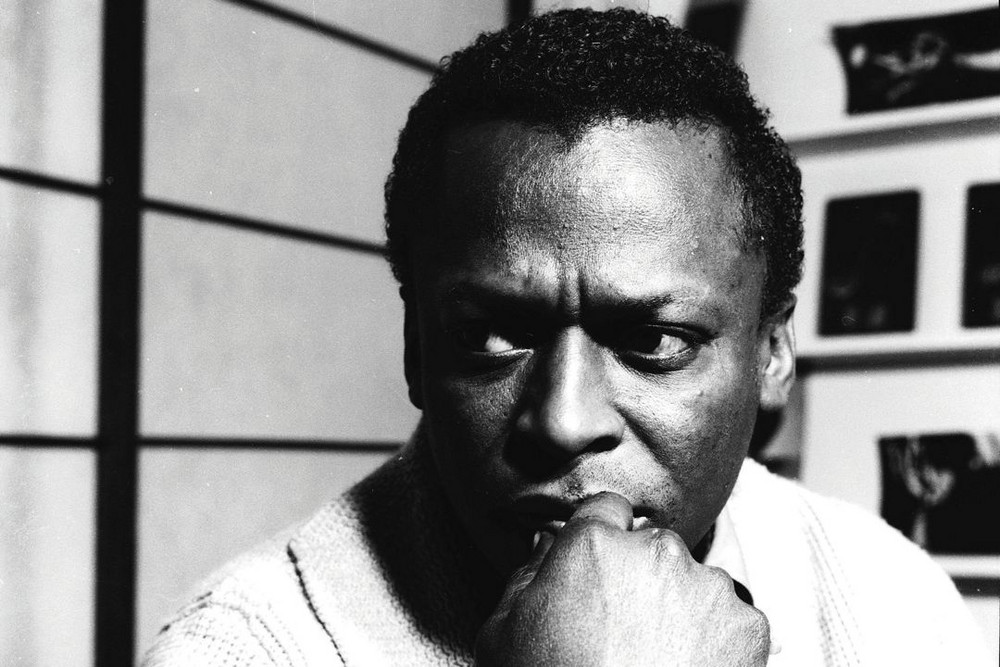
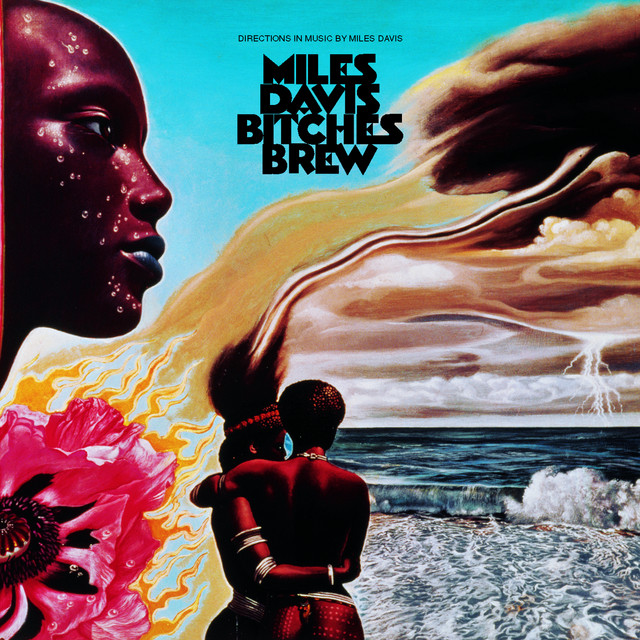
 — So What: The Life of Miles Davis, John Szwed, 2002
1976 · Jaco Pastorius
September 1978, WDR's Rockpalast. The complete Weather Report concert during Jaco Pastorius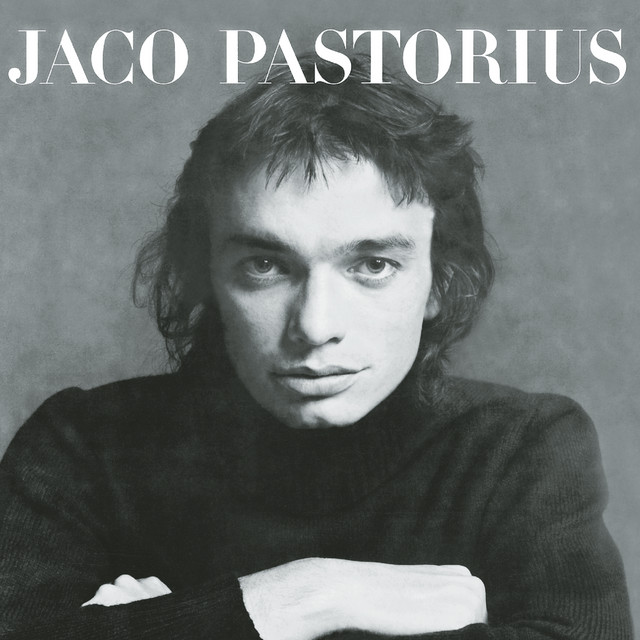
1965 · JuJu
JuJu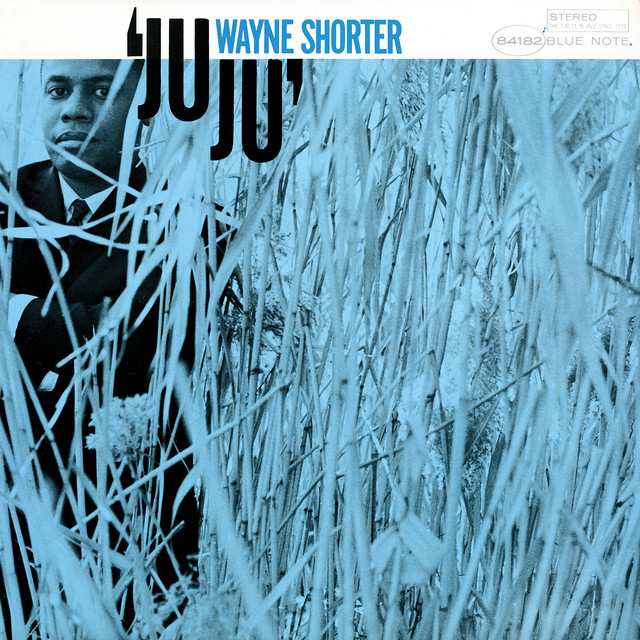
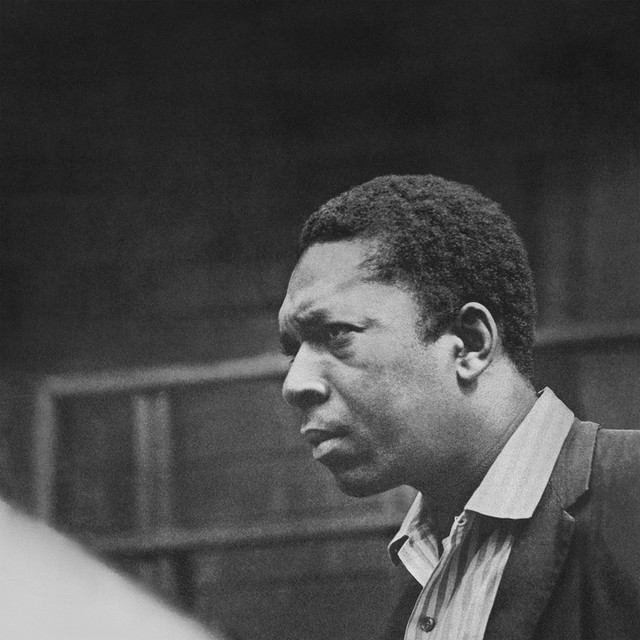
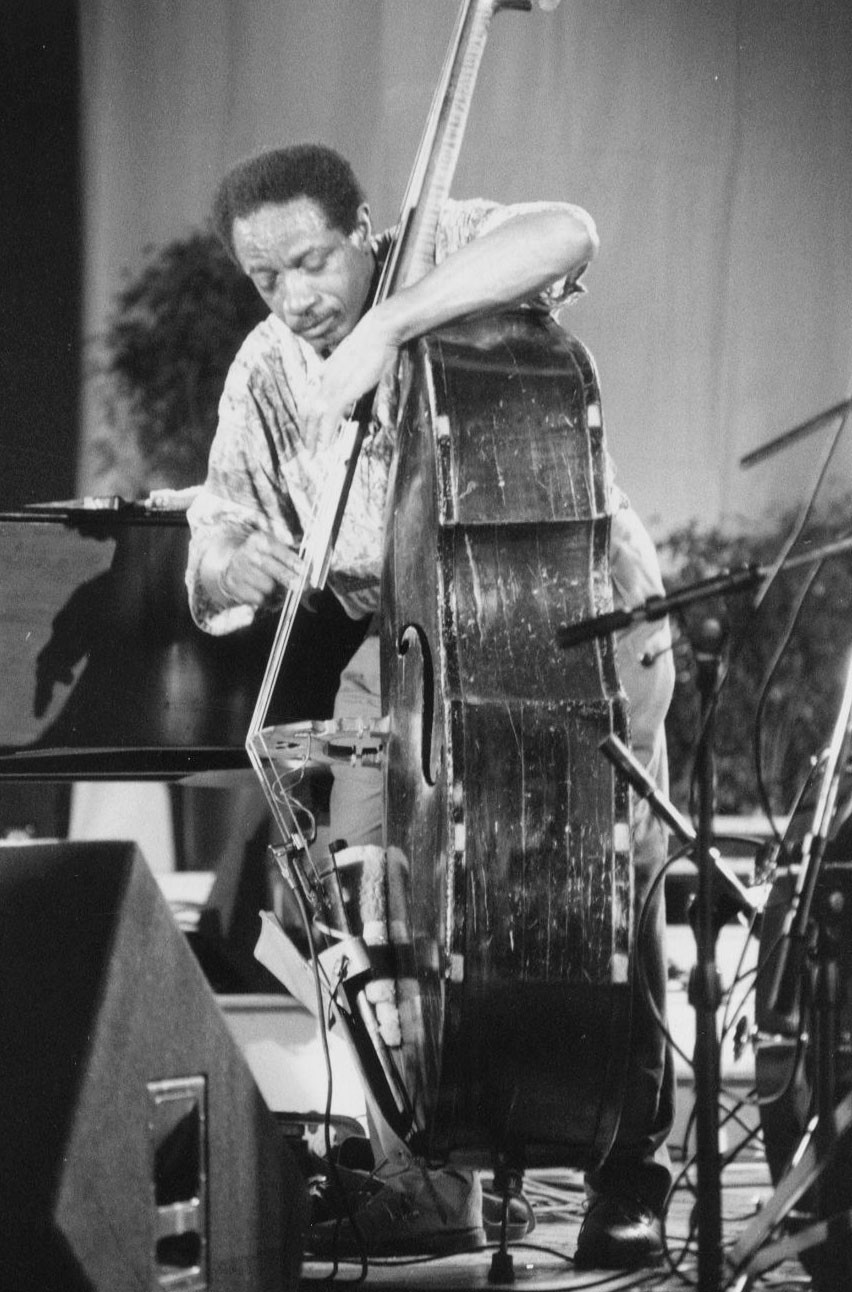
— Footprints: The Life and Work of Wayne Shorter, Michelle Mercer, 2004
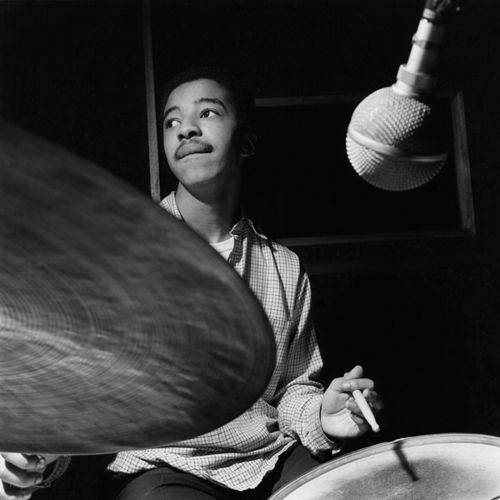 Tony Williams
 Chick Corea
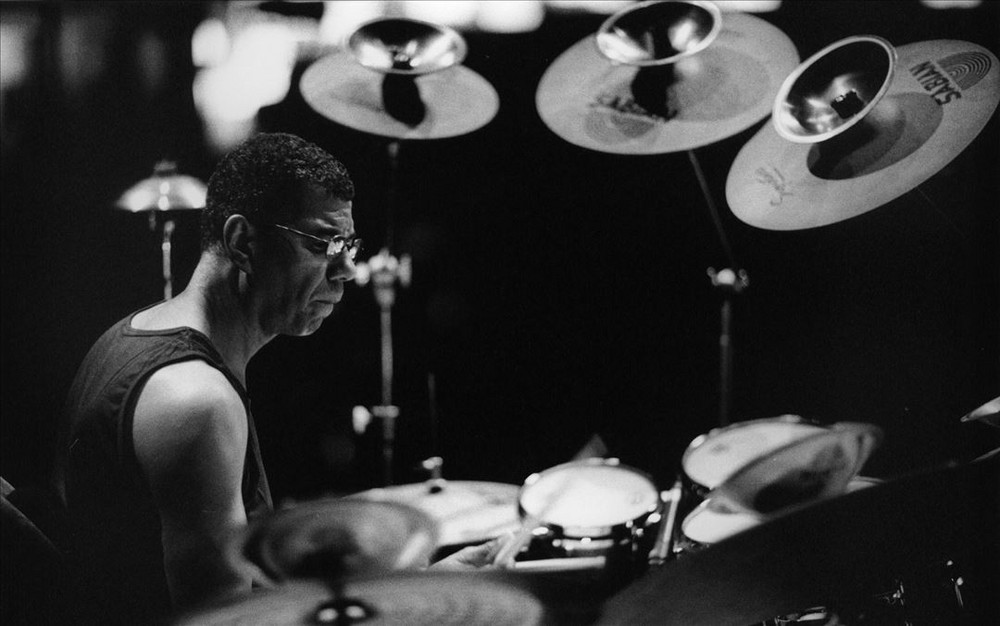 Jack DeJohnette
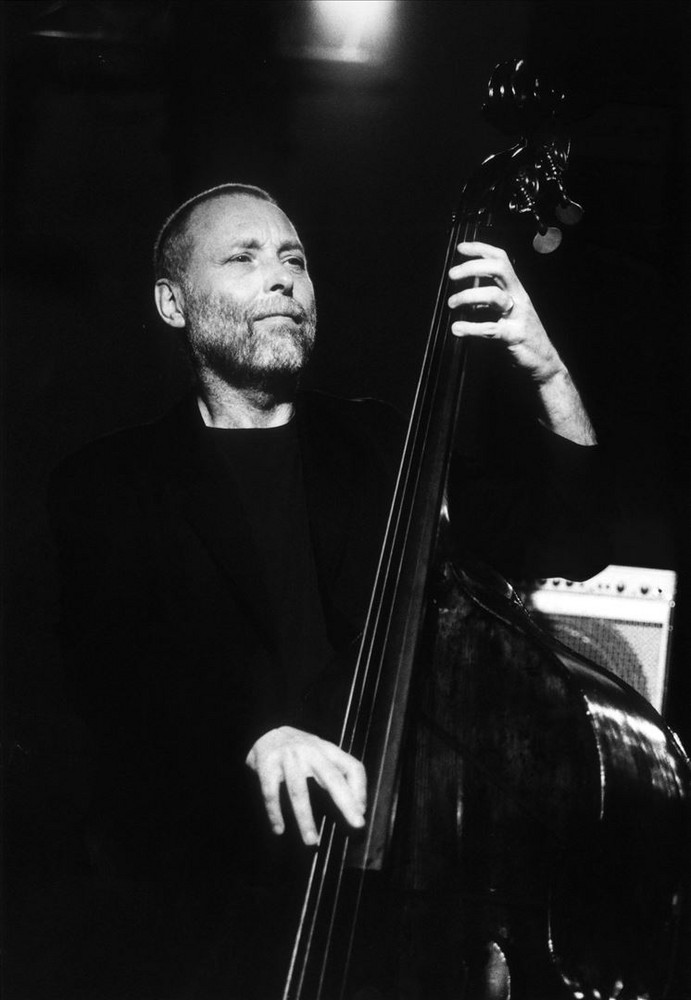 Dave Holland
 Jaco Pastorius
 Joe Zawinul