Joe Henderson's albums
The Sidewinder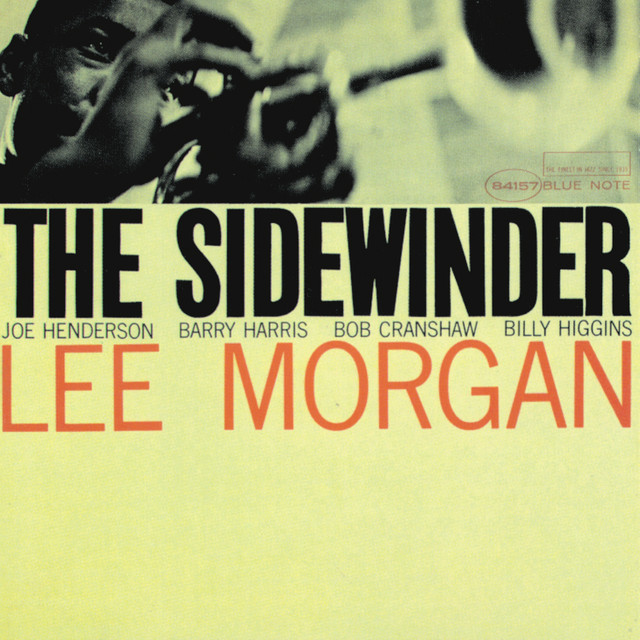
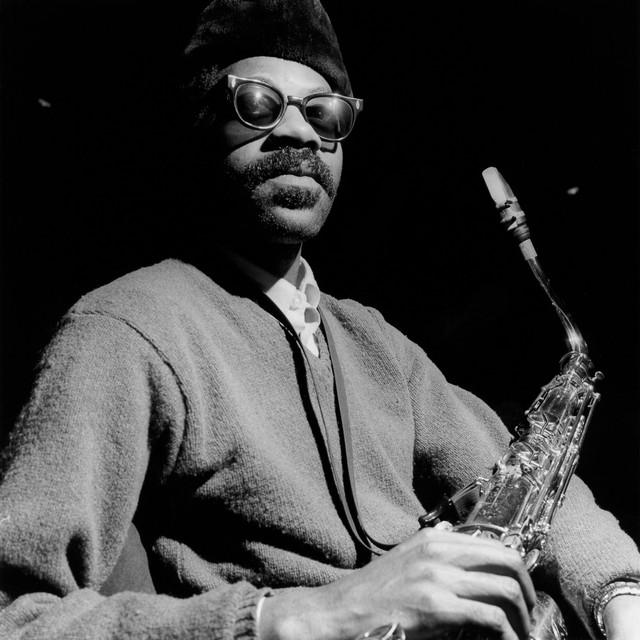
(1937–2001)
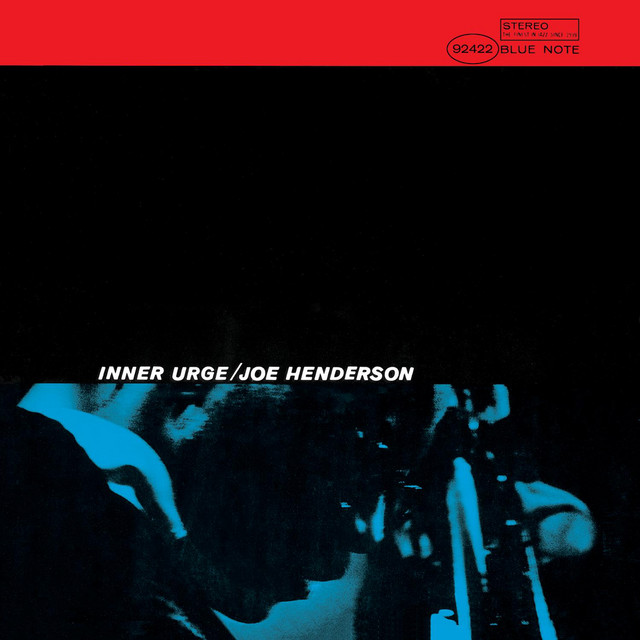
Joe Henderson (1937–2001) — Tenor Saxophone, Saxophone. Led Page One, Inner Urge, Mode for Joe. Worked with Ron Carter, Herbie Hancock, Jack DeJohnette.
On first listen he seems cool and cerebral — but the core is pure blues. He doesn't dazzle, but with every repeated hearing new discoveries emerge. His phrase architecture is so distinctive that even a lifetime of listening never quite reaches the bottom.
Joe Henderson's albums
The Sidewinder
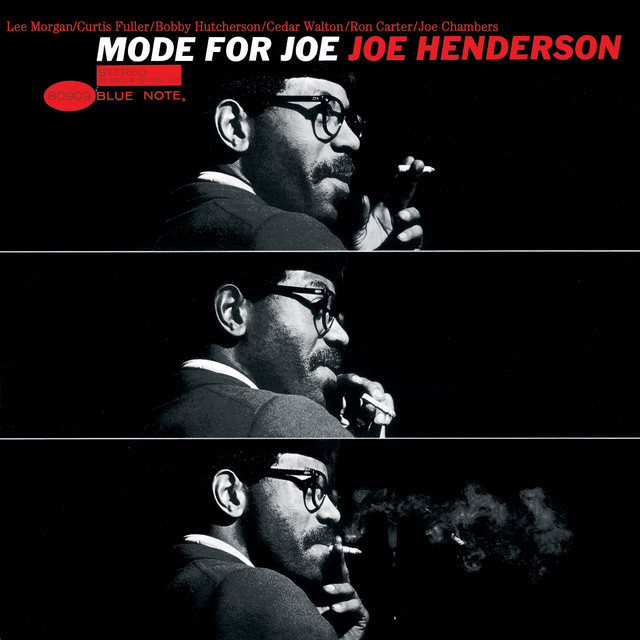
Joe Henderson's leader album
Page One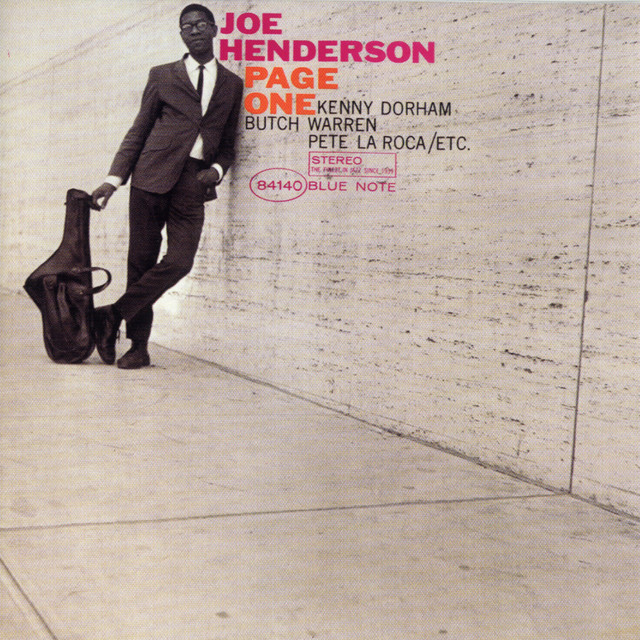
Joe Henderson
 — Blue Note Records: The Biography, Richard Cook, 2003
In June 1963 Joe Henderson
— Blue Note Records: The Biography, Richard Cook, 2003
Joe Henderson's albums
Joe Henderson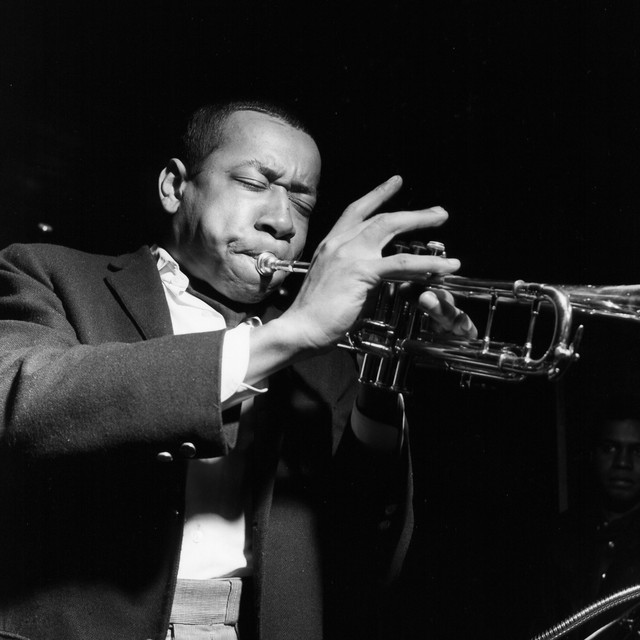
— Blue Note Records: The Biography, Richard Cook, 2003
Cedar Walton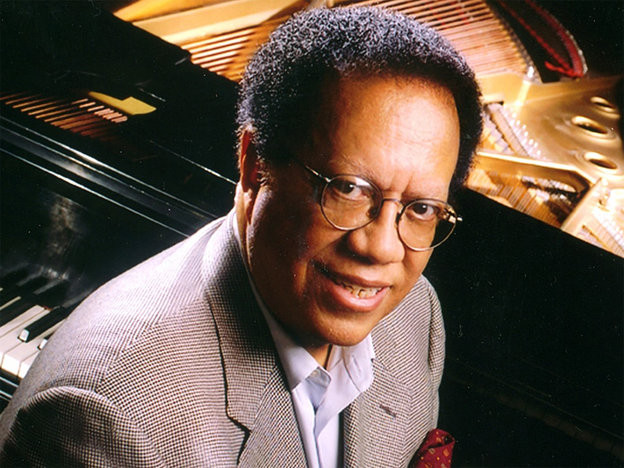
— Blue Note Records: The Biography, Richard Cook, 2003
Joe Henderson's leader album
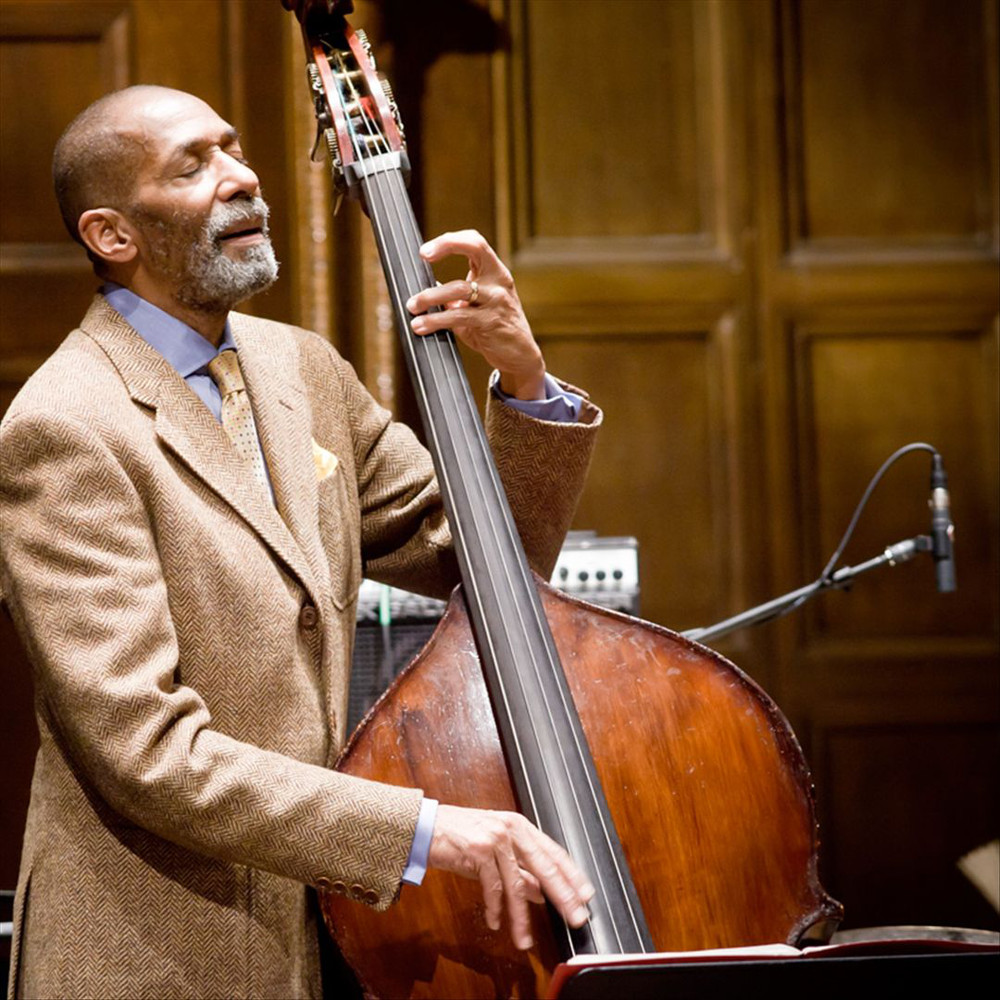
Joe Henderson is remembered as a master tenor and composer. Yet bassist Ron Carter says he never once turned up with enough material — always two songs, ten minutes short — and would ask the band to compose on the spot: 'We're making an LP here, come on, Joe.'
— Statement stmt-ron-carter-on-joe-henderson
Joe Henderson's albums
For years the received ranking of Blue Note's tenors put Wayne Shorter on top. But drummer Joe Chambers, who was in the room, remembered it differently: 'Joe and Wayne were equal talents — Joe just had more soul.'
— Statement stmt-joe-chambers-on-joe-henderson
Joe Henderson's albums
The Sidewinder (1964) is a Lee Morgan hard-bop date, yet its title track became an unexpected commercial hit on jukeboxes and the charts — a straight-ahead session that boosted Blue Note enough that imitation openers followed for years. Joe Henderson, known as a cerebral tenor, is at the center of it.
Joe Henderson's albums
In the 1960s, as a sideman in Horace Silver's band, Joe Henderson said he didn't want to make Silver's music into something other than what Silver had envisioned — he wanted to make it even more exactly what Silver had envisioned. Long before he became known for his own singular voice as a leader, Henderson framed the sideman's job as service, not self-assertion.
— Statement stmt-joe-henderson-on-horace-silver
Joe Henderson's leader album
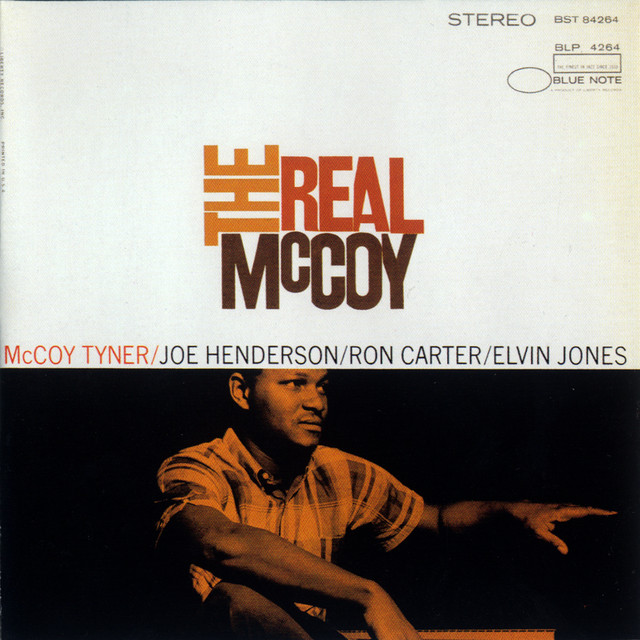
McCoy Tyner said of Joe Henderson, his front line on The Real McCoy (1967), that you could tell whose sound it was in one note. That same instantly identifiable tenor turns up in the credits of an R&B album in 1982, a long way from the Blue Note session.
— Statement stmt-mccoy-tyner-on-joe-henderson
Joe Henderson said
I didn't want to make Horace Silver's music different from what he had in mind. I wanted to make it even more of what he had in mind.
On how he approached interpreting a bandleader's music during his 1960s sideman years.
About Joe Henderson
Joe, he never had enough music. And he was always two tunes short, ten minutes, and this is an LP, man, come on Joe.
Recalling that Henderson routinely arrived at recording sessions short of material.
About Joe Henderson
He didn't talk a whole lot so it's difficult to read him in terms of his emotion for the moment. He played great.
On Henderson's reticent personality and his playing.
About Joe Henderson
Joe was a great thinker in terms of improvisation and he had a great sound, he had a distinguished sound. I could tell him from any other, like I could with John.
Asked to talk about Henderson's playing, just after discussing their album The Real McCoy.
About Joe Henderson
Joe and Wayne are equal talents as far as I'm concerned, but Joe played with more soul.
Comparing Henderson with Wayne Shorter while recalling his Blue Note years.
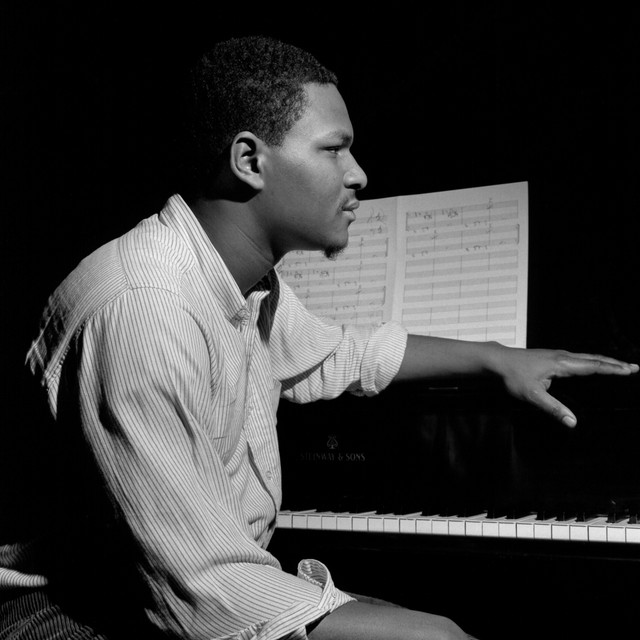 McCoy Tyner
 Ron Carter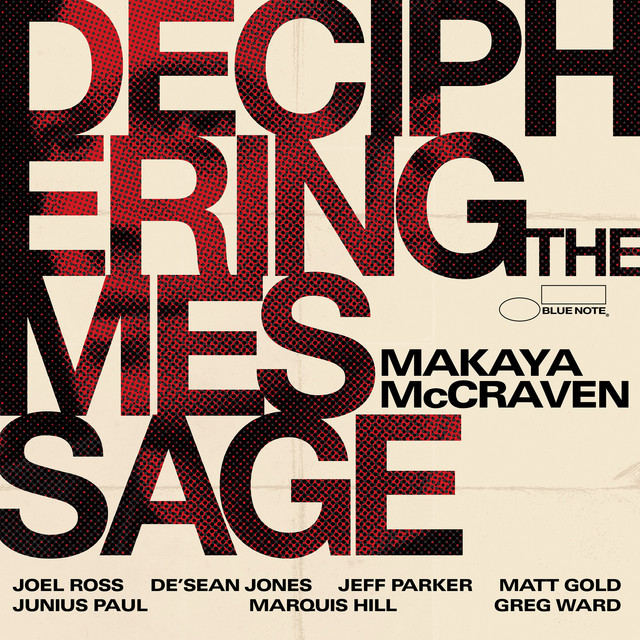

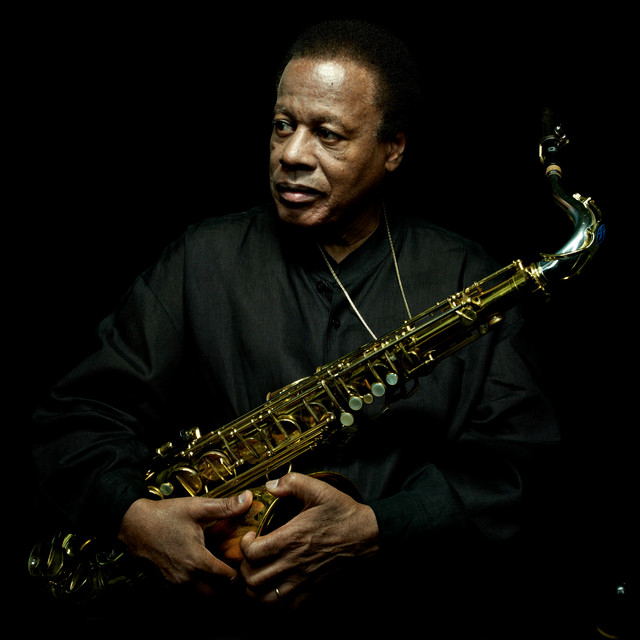 Wayne Shorter