Elvin Jones in Three Different Rooms
Elvin Jones
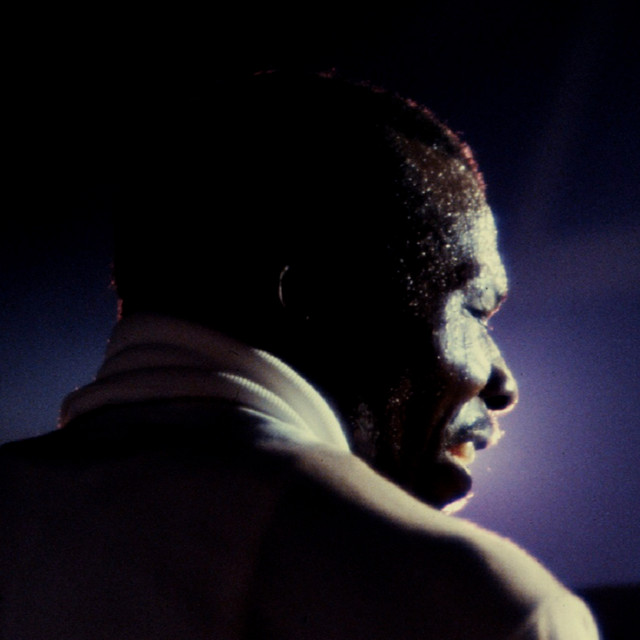
Elvin Jones plays the same kit on all three tracks, but the storm he raises depends entirely on whose music he is serving. As a leader on Youngblood he is loose and generous with young players; behind Coltrane on Acknowledgement he pushes with turbulent, searching intensity; inside Jimmy Garrison's freer sextet he becomes reactive and coloristic. Same drummer, three different personalities.
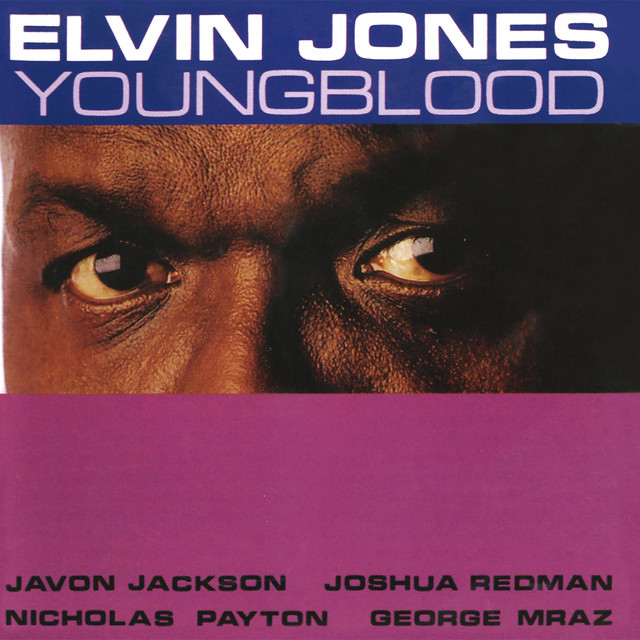
On 'Angel Eyes' from Youngblood, Elvin leads his own young band and it shows in restraint rather than force. Behind 's tenor he leaves space instead of crowding the melody, letting the ballad breathe. When 's trumpet enters, he still doesn't reach for more volume — as a leader, Elvin chooses generosity over control.
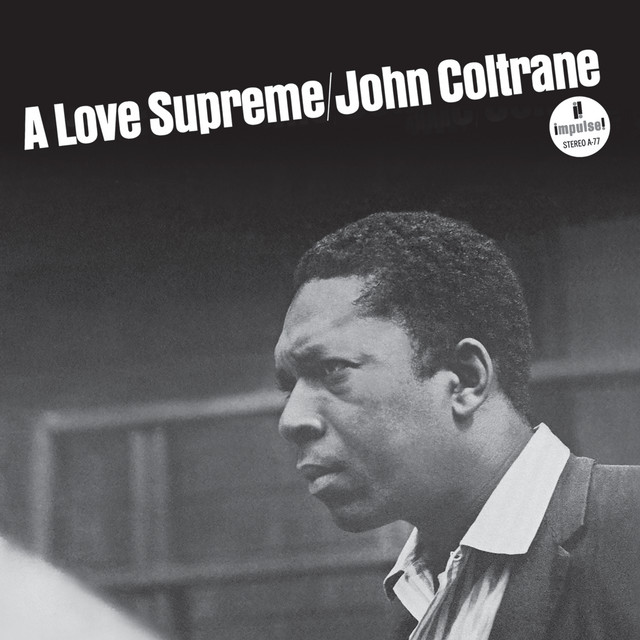
A Love Supreme, Pt. I – Acknowledgement
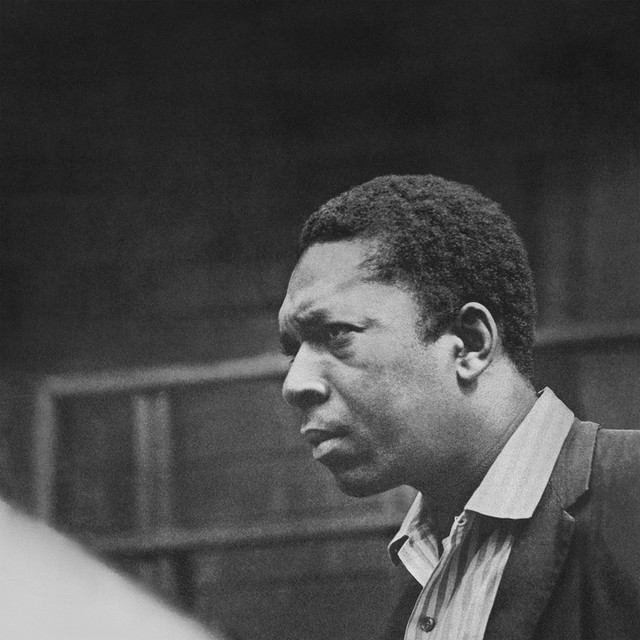
John Coltrane — A Love Supreme (1965)
On 'Acknowledgement,' the role flips completely. Before even states the famous four-note theme, Elvin's cymbals are already churning, stacking triplets against 's chords. While anchors the piece with his repeating bass figure, Elvin keeps blurring the beat's edges, turning the search itself into rhythm.
All That We Knew
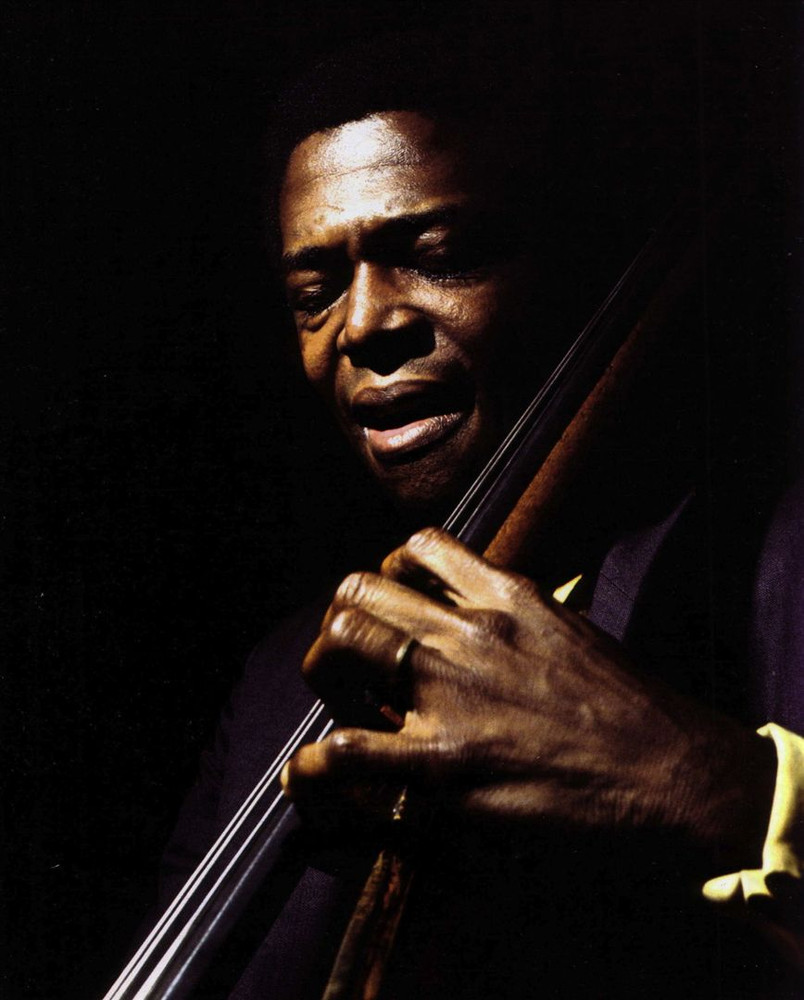
Jimmy Garrison — Jimmy Garrison Sextet (1964)
On Jimmy Garrison's own date, 'All That We Knew,' Elvin shows a third face. As 's alto and 's flute weave around each other in loose, near-free lines, he stops keeping strict time and instead colors the space, dropping accents into the gaps left by 's baritone sax. Here he isn't driving the music — he's listening and answering.