

1965 · E.S.P.
The Second Great Quintet of 1964–68. Each member had independent careers, but together they fundamentally reinvented how jazz treated time.
2 albums as leader and 9 as sideman (1964–1987), each listed chronologically.
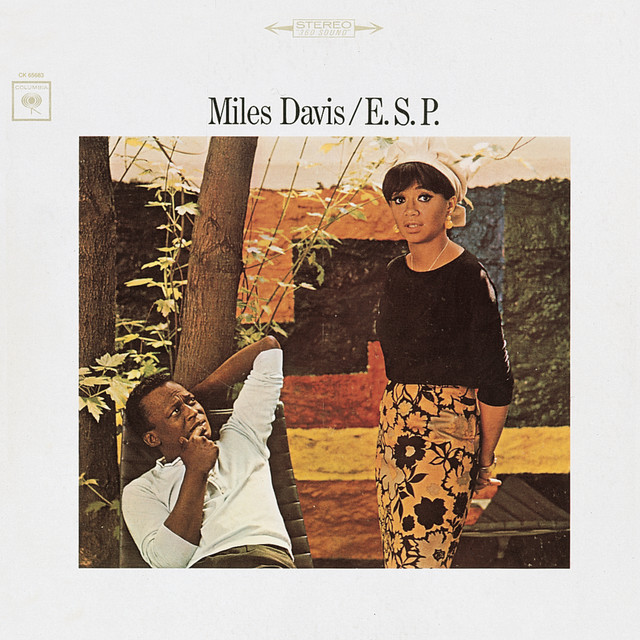
1965 · E.S.P.
The Second Great Quintet of 1964–68. Each member had independent careers, but together they fundamentally reinvented how jazz treated time.
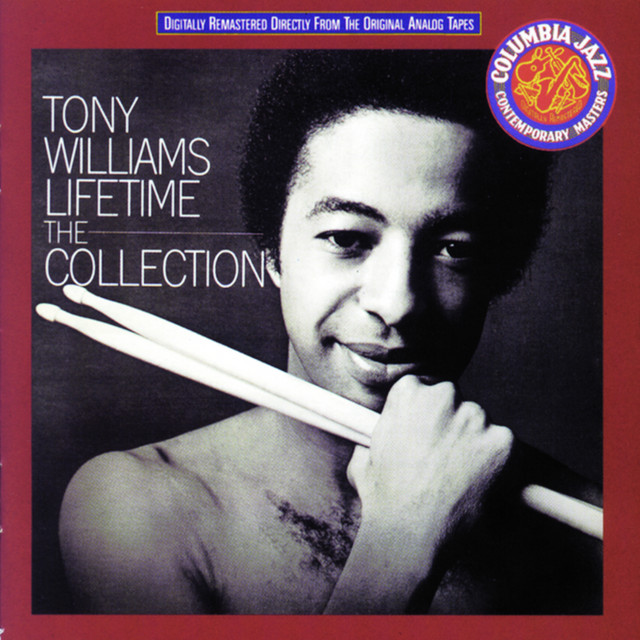
1964 · Life Time
In 1963, Miles Davis hired 17-year-old Tony Williams as the drummer for his new quintet. Bassist Ron Carter later recalled that Williams opened up a rhythmic vocabulary on drums that nobody had thought possible.
— Statement stmt-ron-carter-on-tony-williams
1964 · Empyrean Isles
Empyrean Isles

 — Blue Note Records: The Biography, Richard Cook, 2003
1968 · Nefertiti
On the title track of Nefertiti
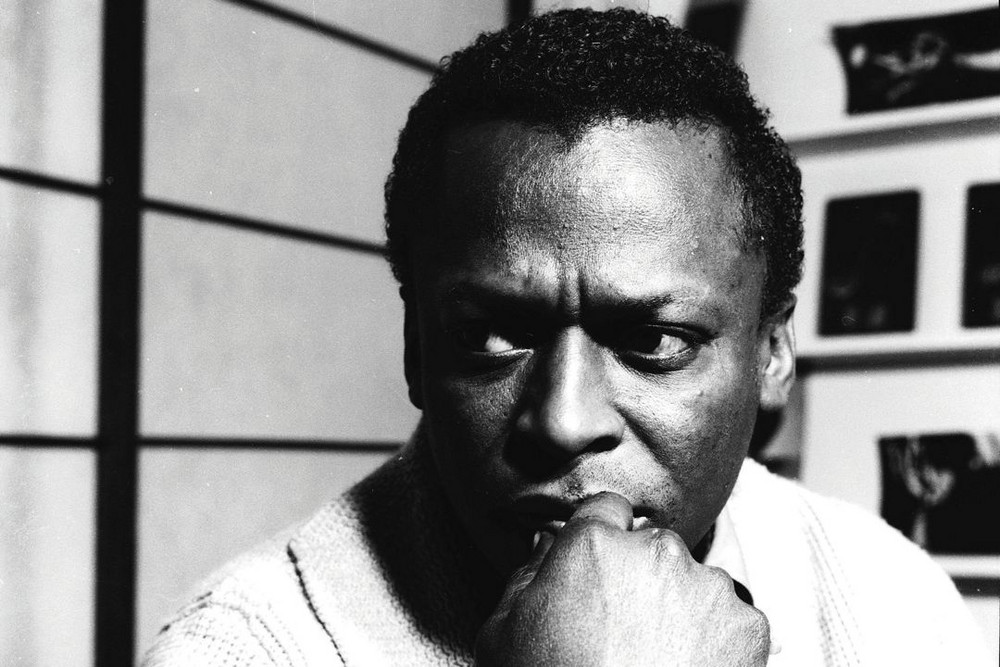
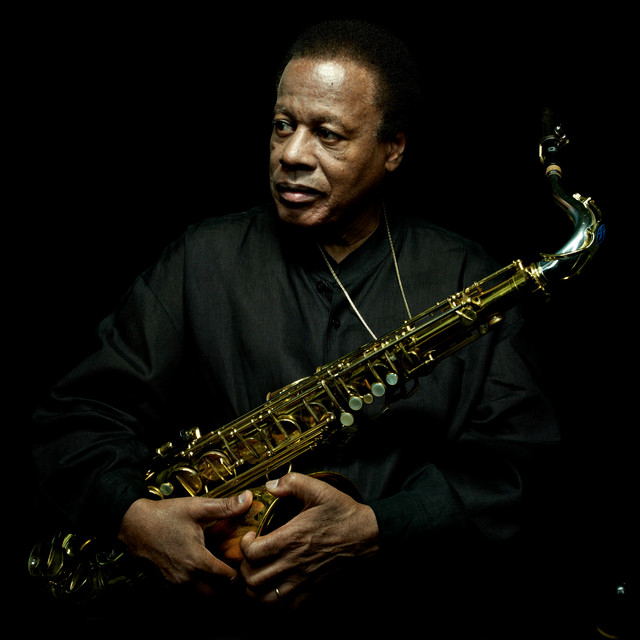
 — Footprints: The Life and Work of Wayne Shorter, Michelle Mercer, 2004
1969 · In a Silent Way
Miles's 1969–70 studio experiments fused rock's rhythmic sensibility with jazz improvisation. Bitches Brew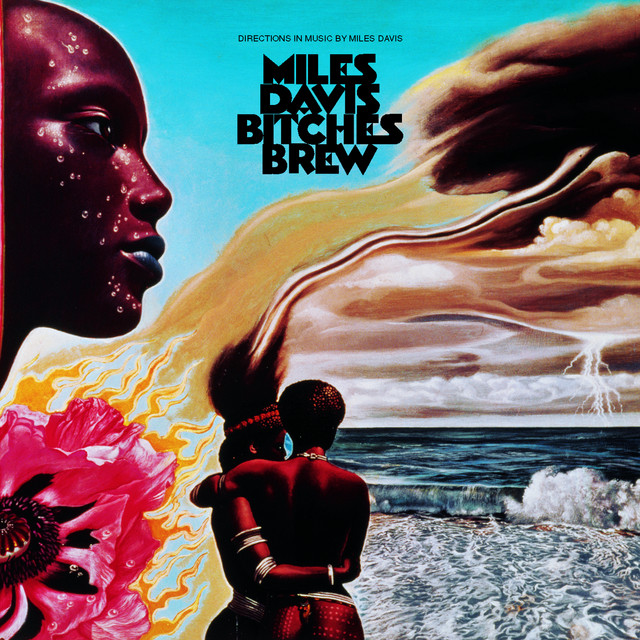


1965 · Maiden Voyage
Freddie Hubbard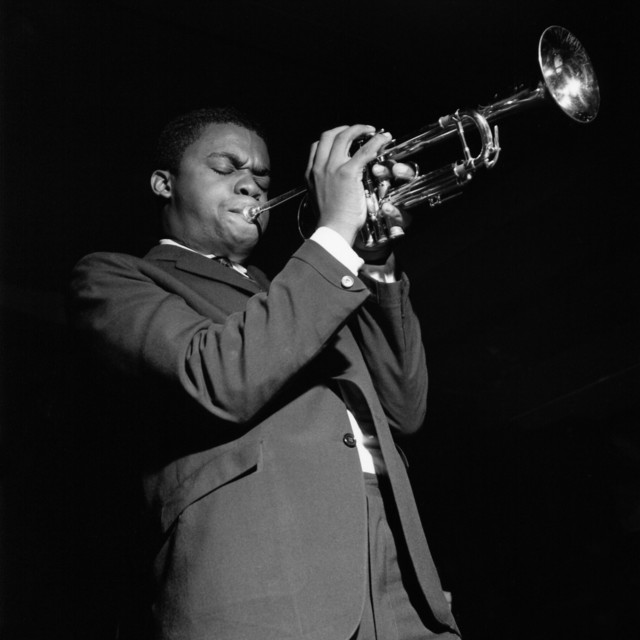

— Blue Note Records: The Biography, Richard Cook, 2003
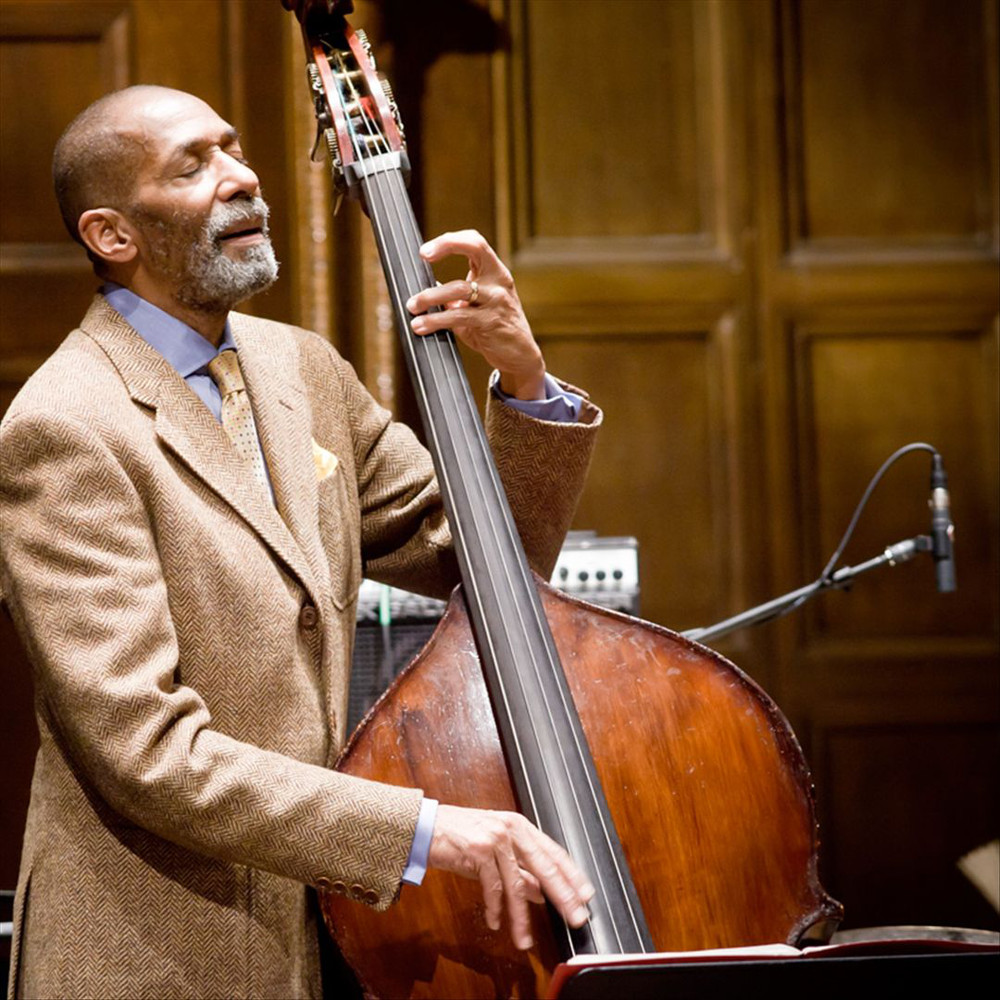 Ron Carter
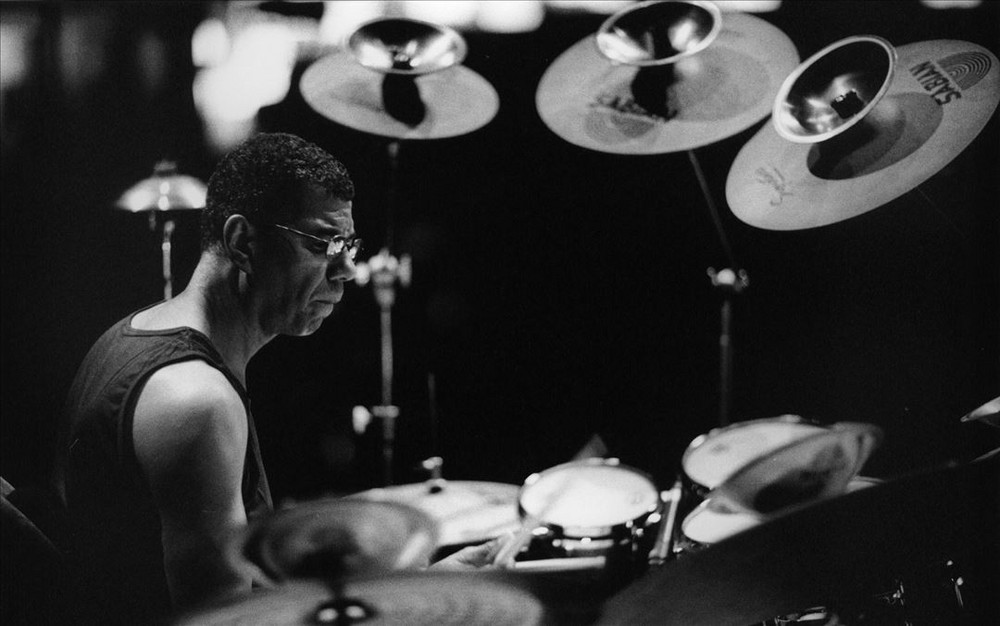 Jack DeJohnette
 Dave Holland