

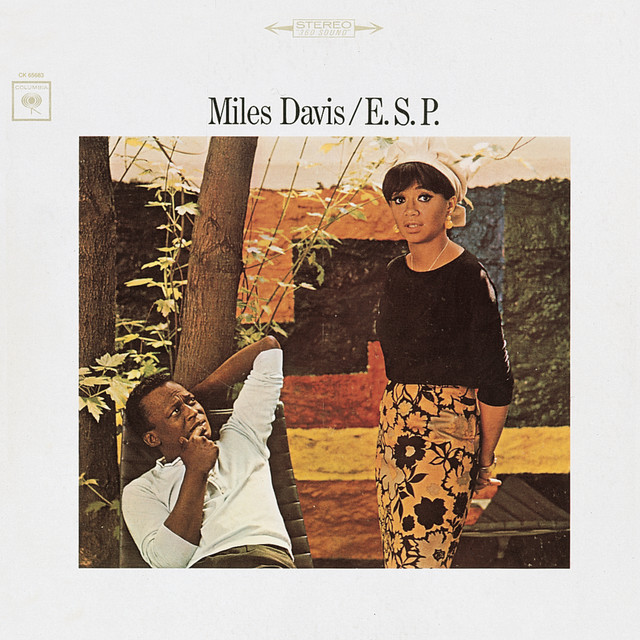



























1965 · E.S.P.
The Second Great Quintet of 1964–68. Each member had independent careers, but together they fundamentally reinvented how jazz treated time.
3 albums as leader and 90 as sideman (1960–2026), each listed chronologically.

Art Blakey, Charlie Persip, Elvin Jones, "Philly" Joe Jones
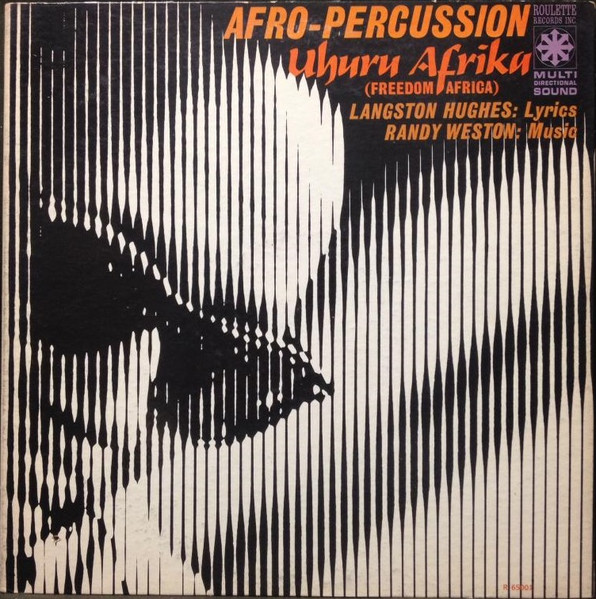
1960 · Roulette
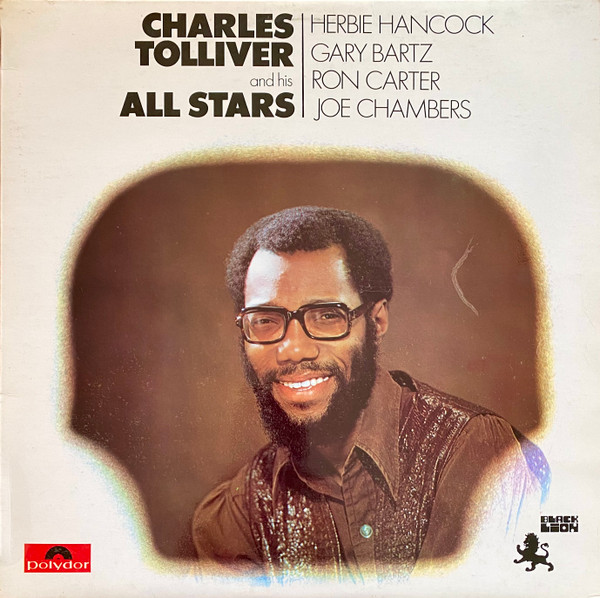
Charles Tolliver And His All Stars
1971 · Polydor

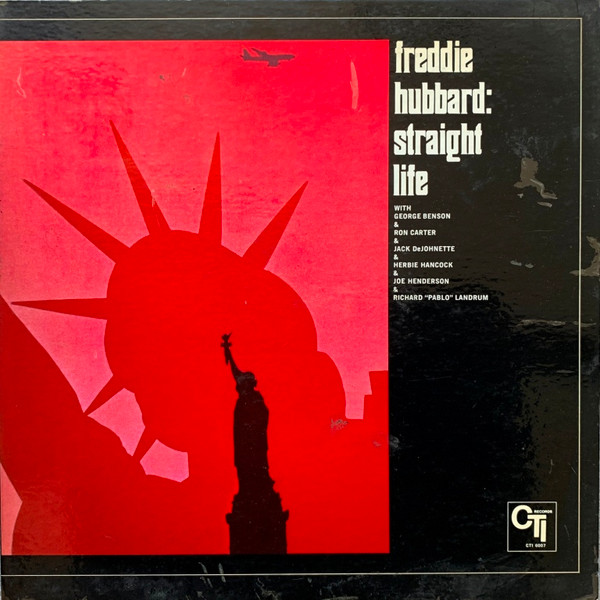
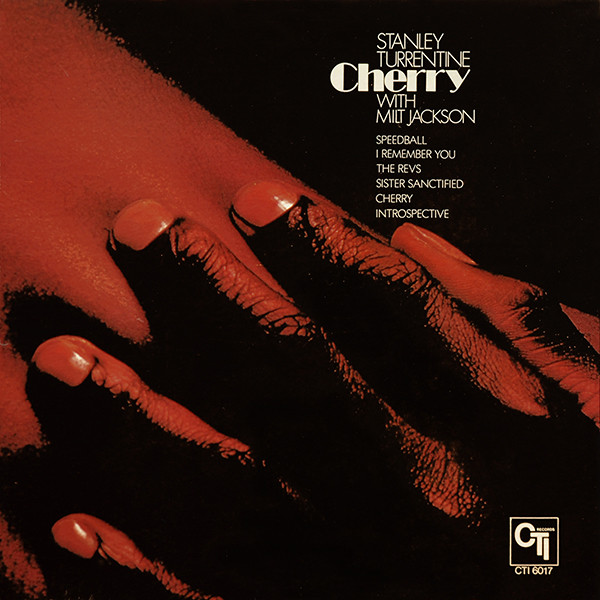
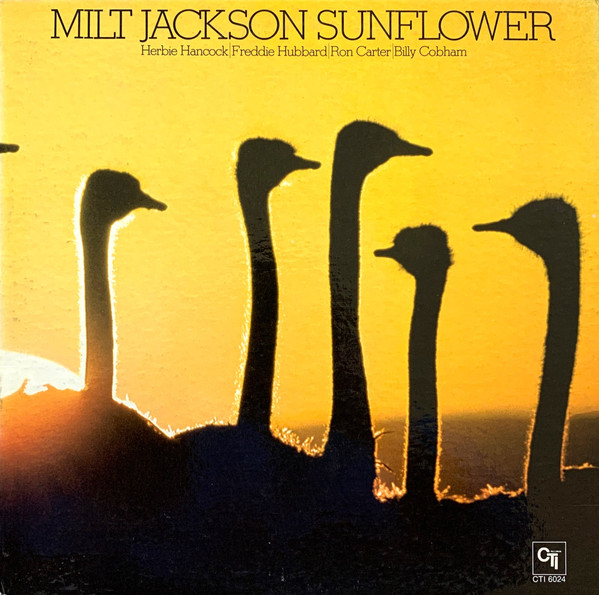
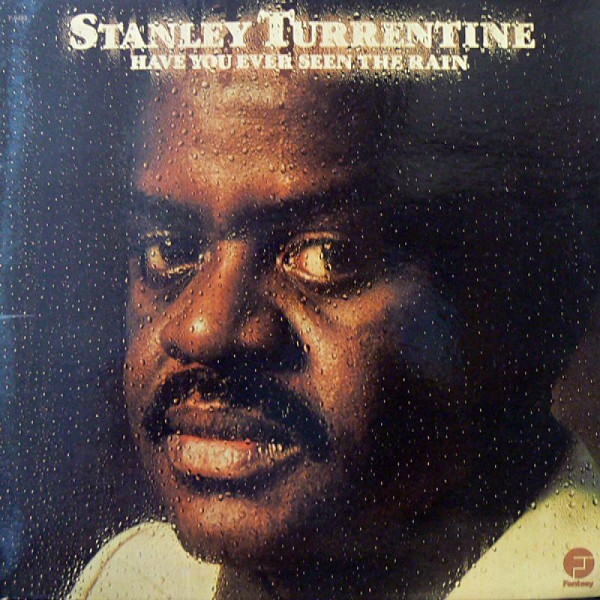
Freddie Hubbard / Stanley Turrentine With Ron Carter, Herbie Hancock, Jack DeJohnette, Eric Gale
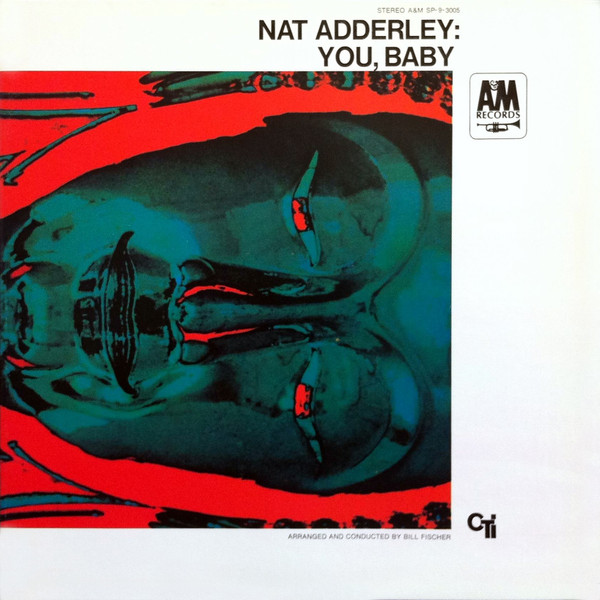
1974 · CTI Records

McCoy Tyner, Sonny Rollins, Ron Carter, Al Foster
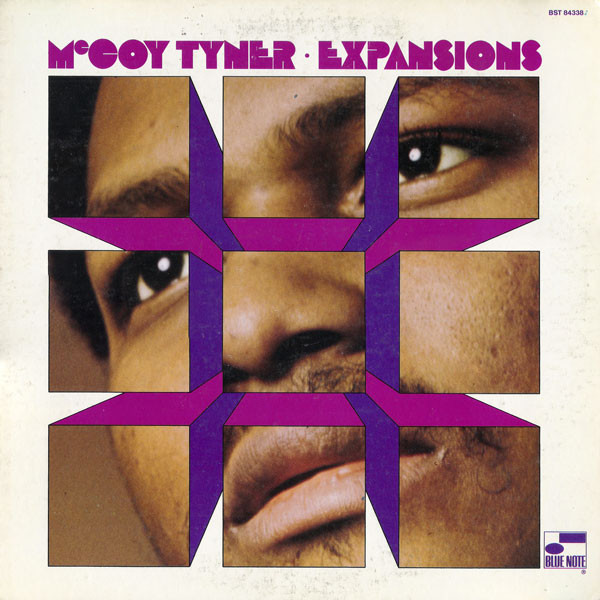
1978 · Milestone (4)

James Spaulding, Wallace Roney, Ron Carter, Kenny Washington, Mulgrew Miller
1989 · Muse Records

Essence All Stars, The
1995 · Hip Bop Essence

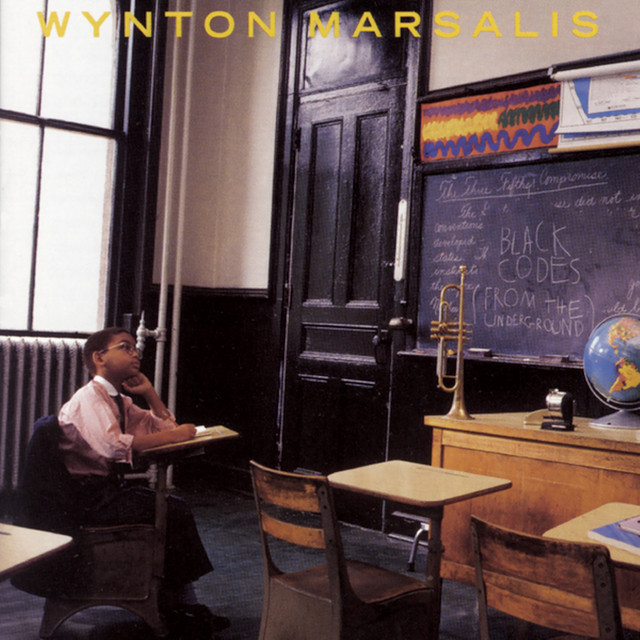
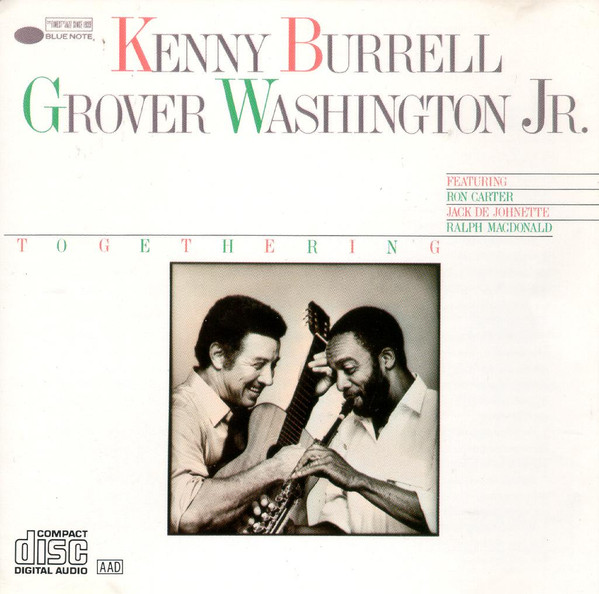
Kenny Burrell, Ron Carter, Tim Hagans, Craig Handy, Cedar Walton, Lenny White
1995 · Hip Bop Essence

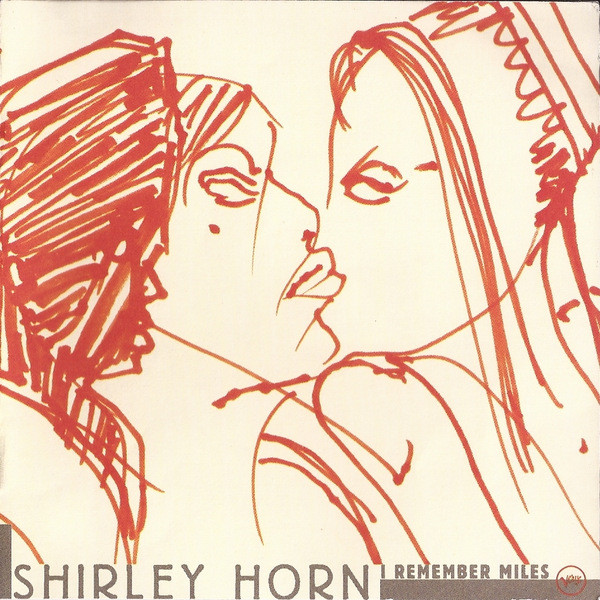
Bill Frisell, Ron Carter, Paul Motian
2006 · Nonesuch
1965 · E.S.P.
The Second Great Quintet of 1964–68. Each member had independent careers, but together they fundamentally reinvented how jazz treated time.
1966 · Speak No Evil
Speak No Evil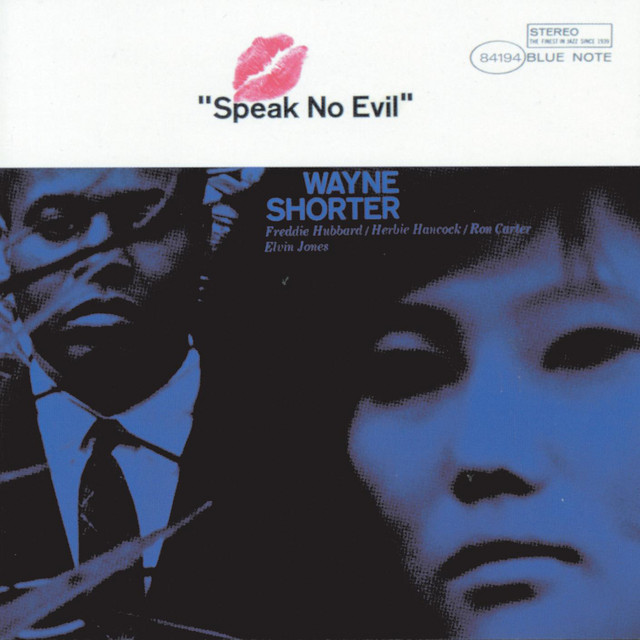
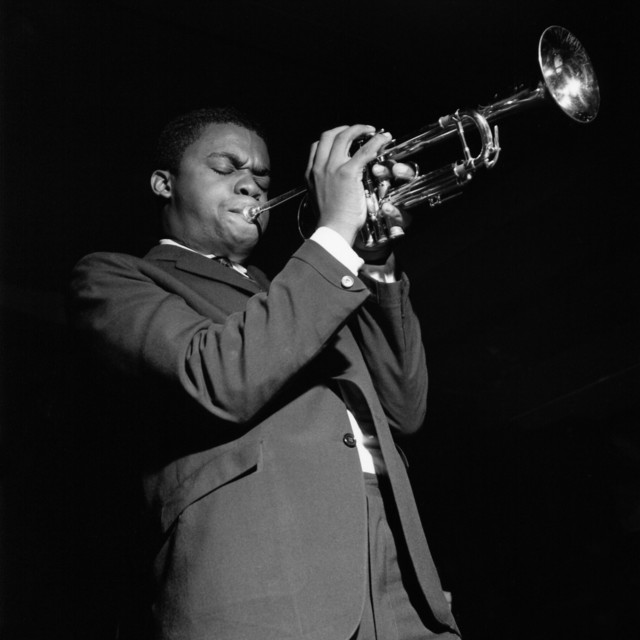
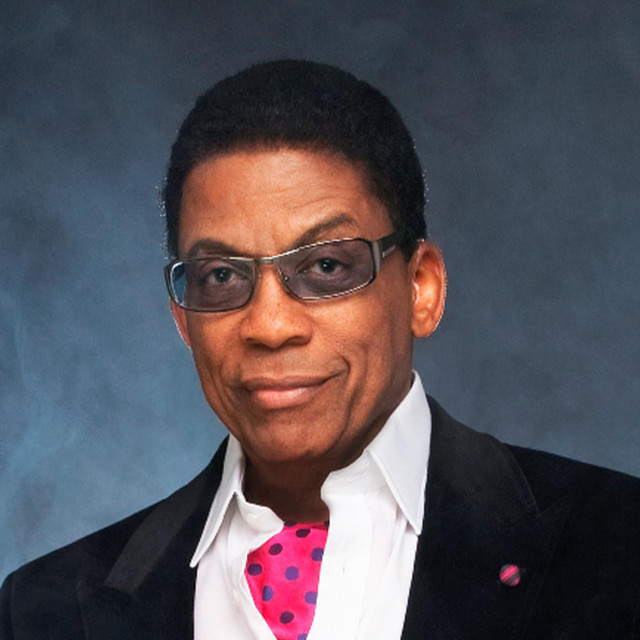
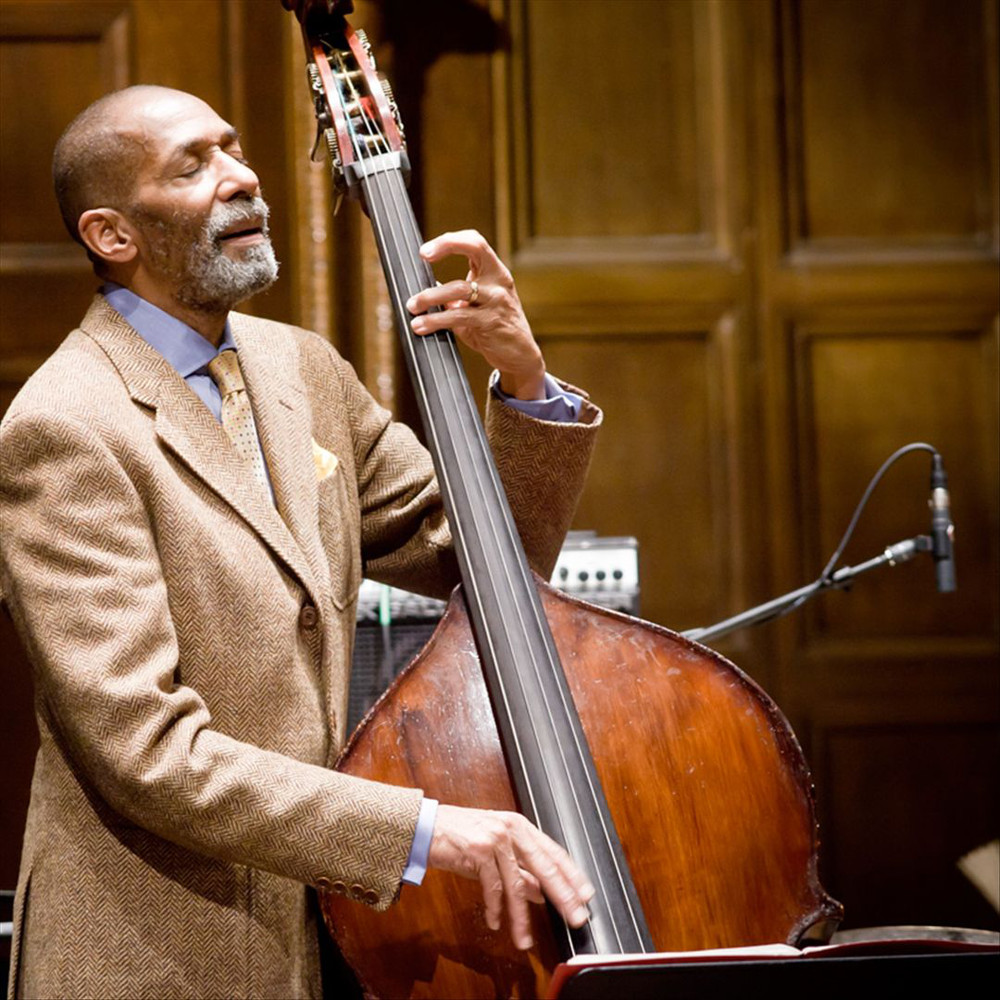
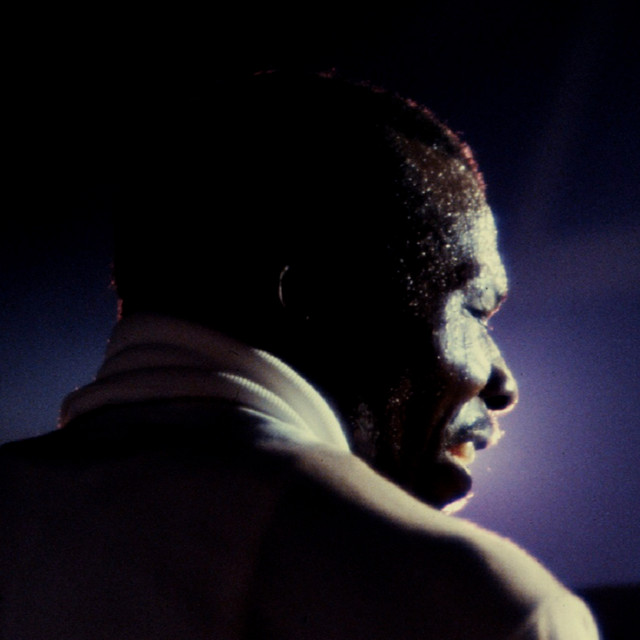
 — Footprints: The Life and Work of Wayne Shorter, Michelle Mercer, 2004
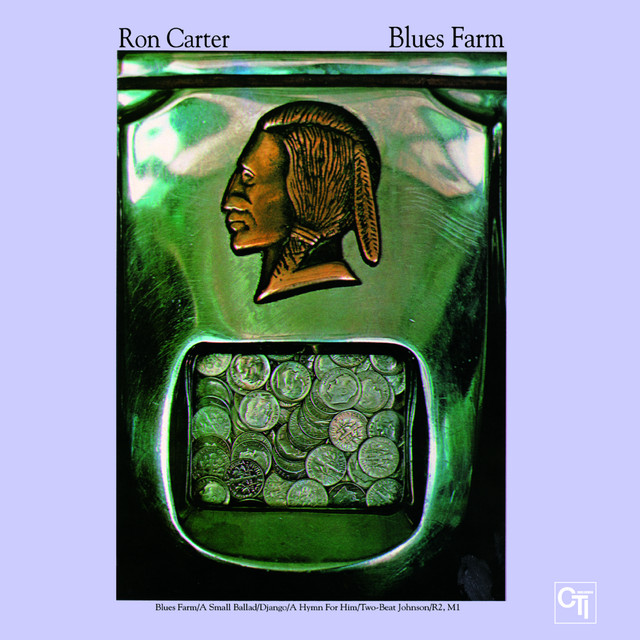
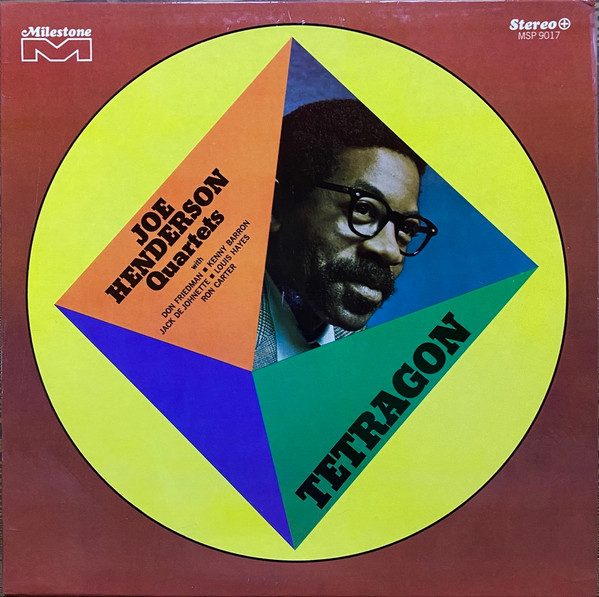
1973 · Blues Farm
Joe Henderson is remembered as a master tenor and composer. Yet bassist Ron Carter says he never once turned up with enough material — always two songs, ten minutes short — and would ask the band to compose on the spot: 'We're making an LP here, come on, Joe.'
— Statement stmt-ron-carter-on-joe-henderson
1964 · Empyrean Isles
Empyrean Isles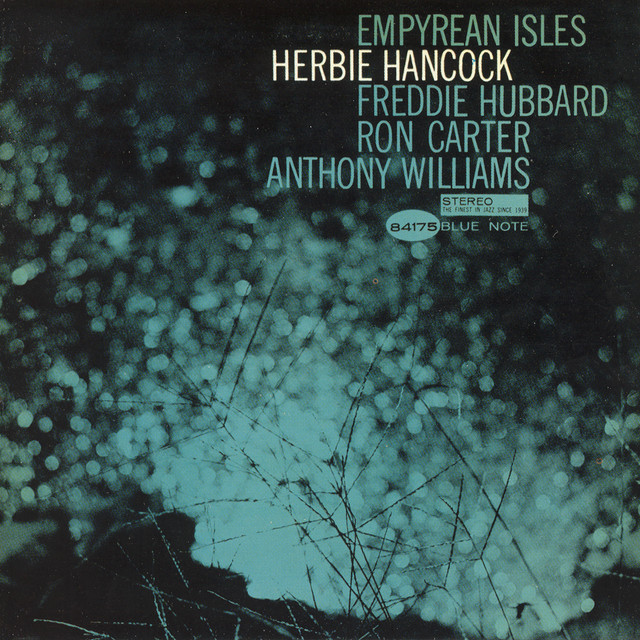
 — Blue Note Records: The Biography, Richard Cook, 2003
1964 · Life Time
In 1963, Miles Davis hired 17-year-old Tony Williams as the drummer for his new quintet. Bassist Ron Carter later recalled that Williams opened up a rhythmic vocabulary on drums that nobody had thought possible.
— Statement stmt-ron-carter-on-tony-williams
1965 · In the Beginning
Ron Carter is remembered as the bass of Miles Davis's classic quintet. But shortly before he took that chair, he recalls, he filled in for one night at the Half Note when Paul Chambers fell ill — the man about to inherit the seat quietly covering the one leaving it.
— Statement stmt-ron-carter-on-paul-chambers
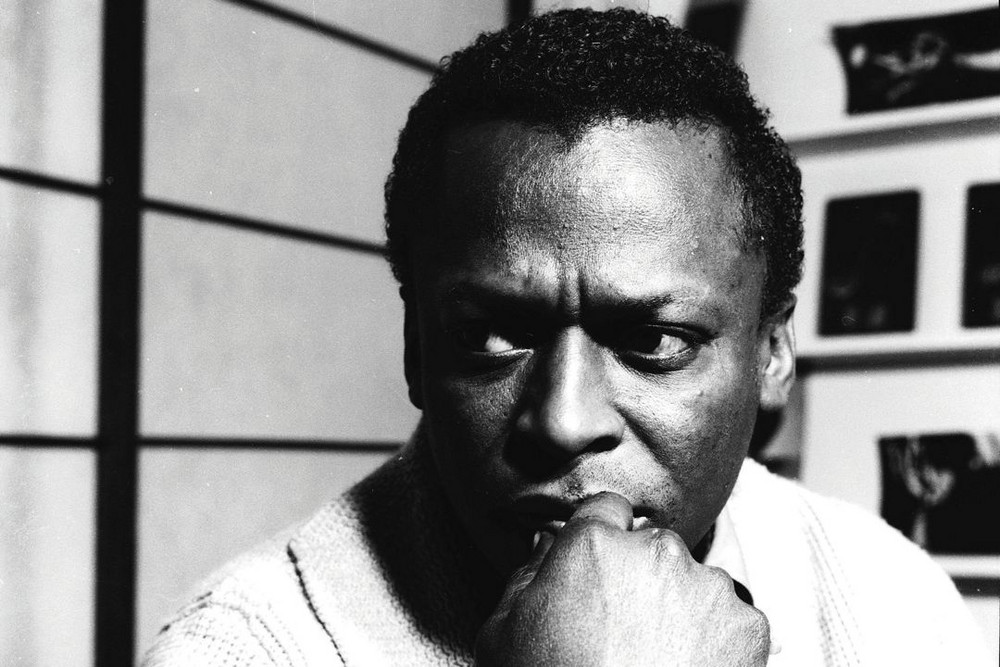 Miles Davis
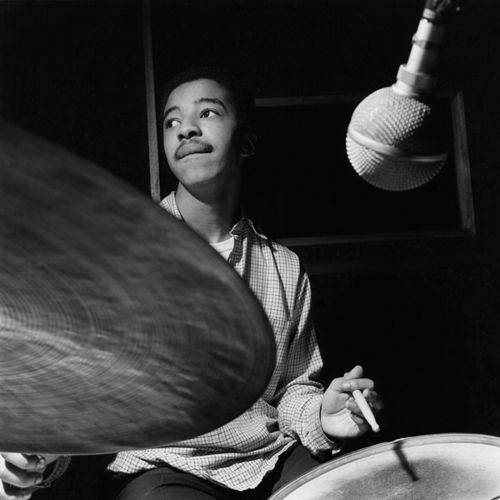 Tony Williams
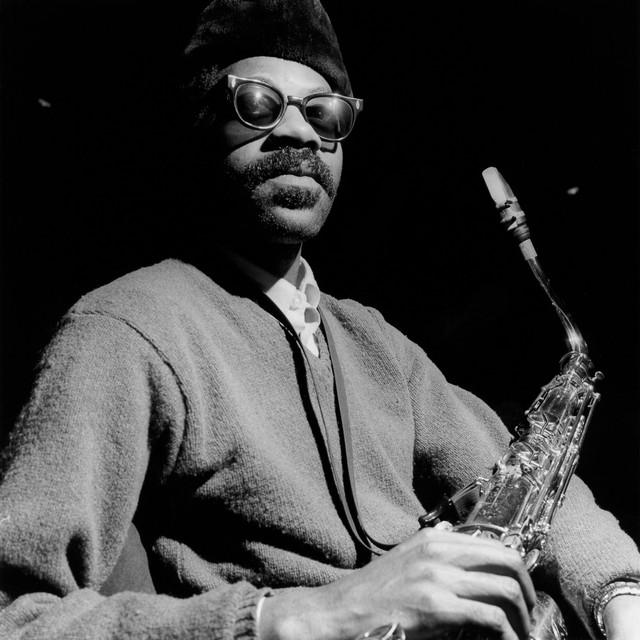 Joe Henderson
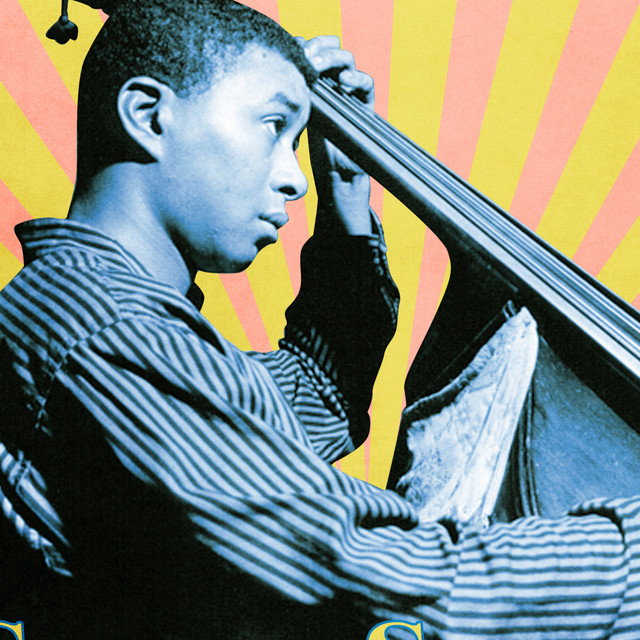 Paul Chambers