Library — Drums

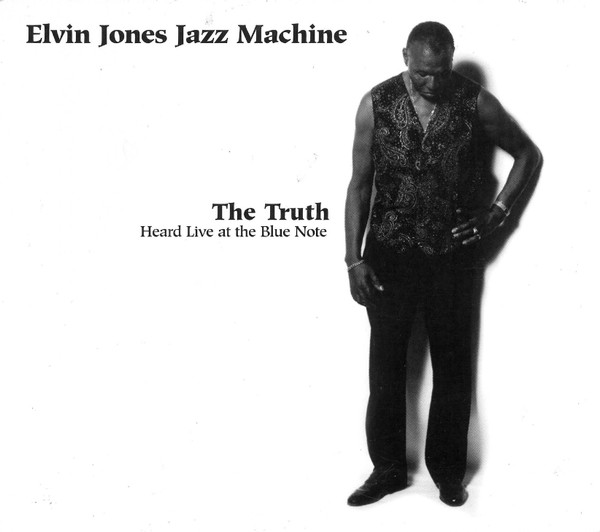
Elvin Jones

3 albums as leader and 40 as sideman (1956–2021), each listed chronologically.

As Leader · 3

As Sideman · 40

Notes on these albums · 6

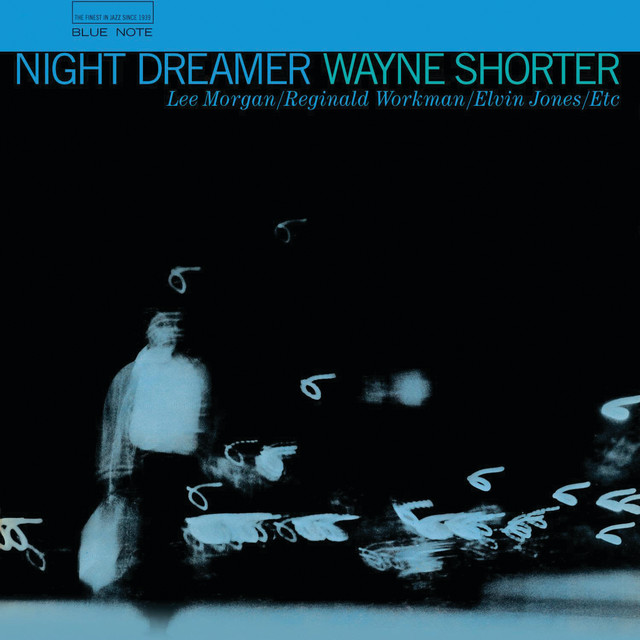
1964 · Night Dreamer

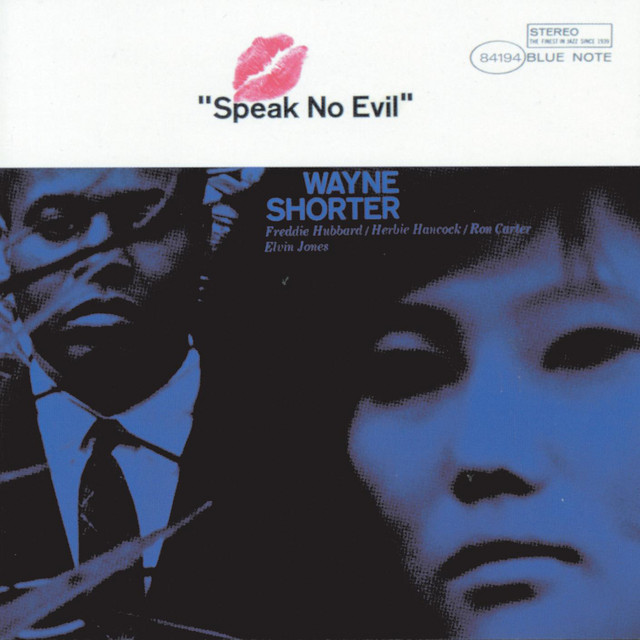
Speak No Evil
Speak No Evil
Wayne Shorter · 1966
Night Dreamer
Night Dreamer
Wayne Shorter · 1964

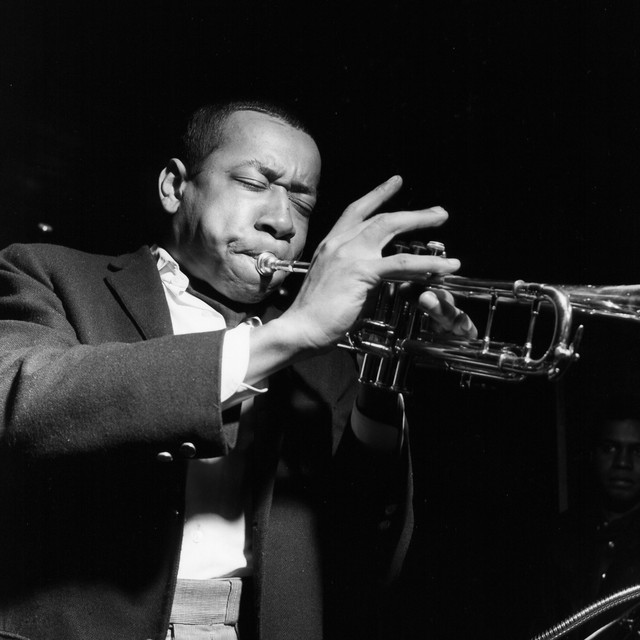
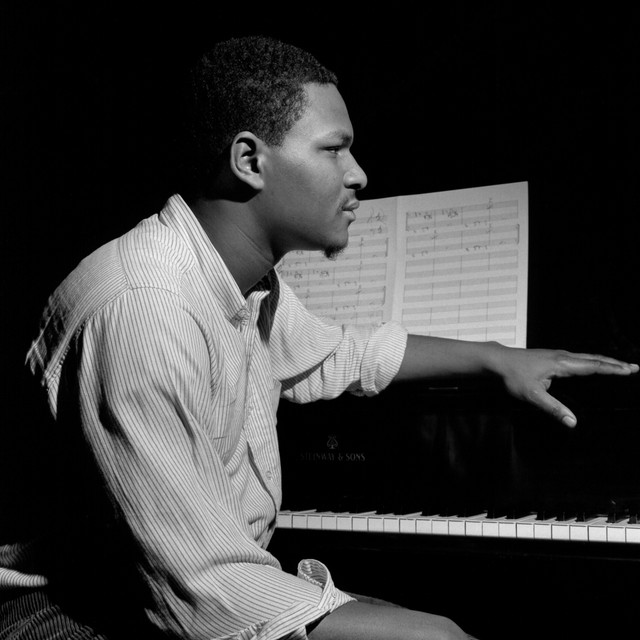
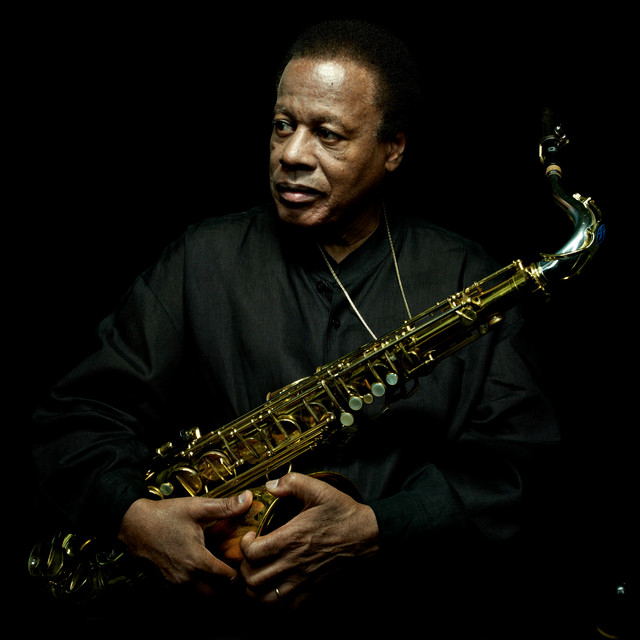
The 1964–66 Blue Note period was when Wayne ShorterWayne ShorterWayne Shorterウェイン・ショーター's compositional voice matured rapidly. On Night DreamerNight DreamerNight DreamerWayne Shorter · 1964 and Speak No EvilSpeak No EvilSpeak No EvilWayne Shorter · 1966 he established his signature 'mysterious beauty' language. Lee MorganLee MorganLee Morganリー・モーガン, McCoy TynerMcCoy TynerMcCoy Tynerマッコイ・タイナー, and Elvin JonesElvin JonesElvin Jonesエルヴィン・ジョーンズ brought it to life.
Go to Night Dreamer

1965 · A Love Supreme

A Love Supreme
A Love Supreme
John Coltrane · 1965
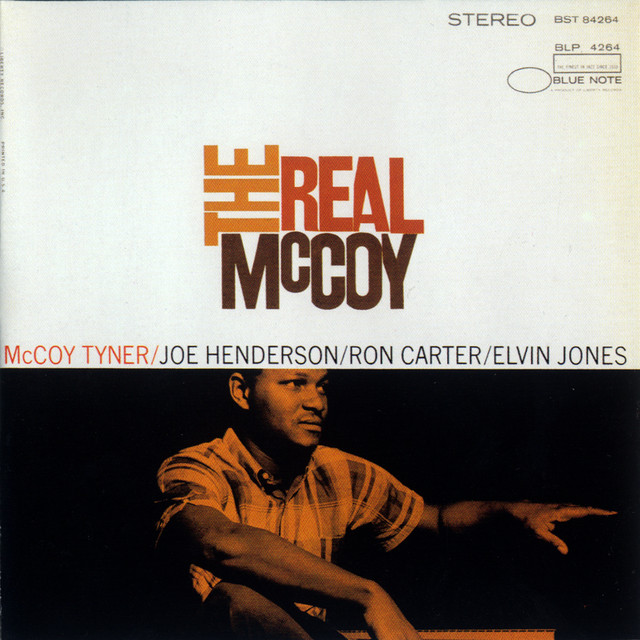
The Real McCoy
The Real McCoy
McCoy Tyner · 1967

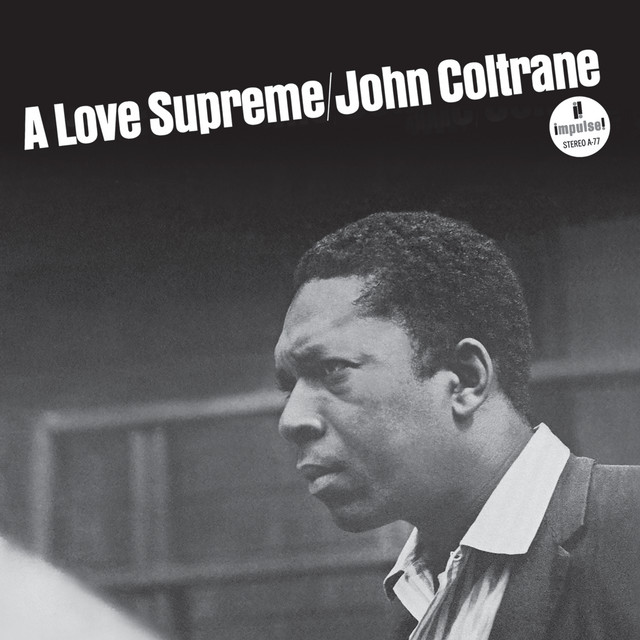
The four years of the Coltrane Classic Quartet (1961–65) represent one of the most concentrated periods of creation in jazz history. ElvinElvin JonesElvin Jonesエルヴィン・ジョーンズ's polyrhythm and McCoyMcCoy TynerMcCoy Tynerマッコイ・タイナー's wide-voicing left hand gave Coltrane something to push against.

Go to A Love Supreme

1966 · Speak No Evil

Speak No Evil
Speak No Evil
Wayne Shorter · 1966

Speak No EvilSpeak No EvilSpeak No EvilWayne Shorter · 1966 (December 1964) is widely cited as Wayne ShorterWayne ShorterWayne Shorterウェイン・ショーター's Blue Note masterpiece. Freddie HubbardFreddie HubbardFreddie Hubbardフレディ・ハバード in the front line, three Second Great Quintet members (Herbie HancockHerbie HancockHerbie Hancockハービー・ハンコック, Ron CarterRon CarterRon Carterロン・カーター), plus Elvin JonesElvin JonesElvin Jonesエルヴィン・ジョーンズ — a dream lineup.

— Footprints: The Life and Work of Wayne Shorter, Michelle Mercer, 2004

sourced
Go to Speak No Evil

1961 · My Favorite Things

My Favorite Things
My Favorite Things
John Coltrane · 1961
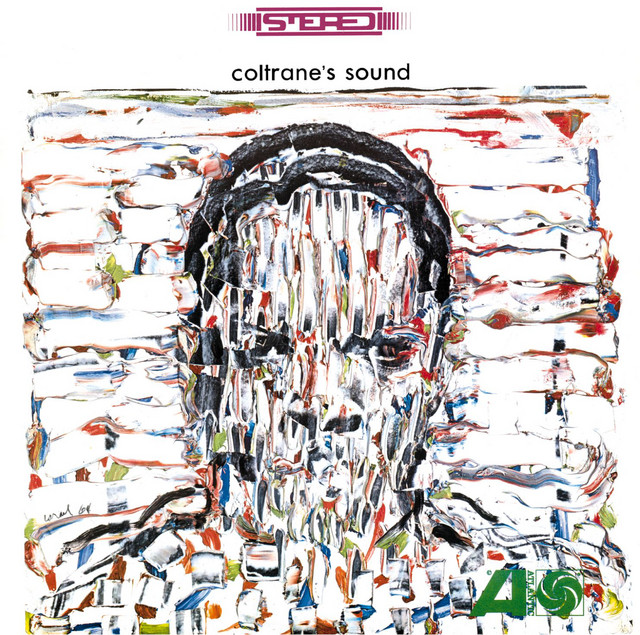
Coltrane's Sound
Coltrane's Sound
John Coltrane · 1964
A Love Supreme
A Love Supreme
John Coltrane · 1965
Night Dreamer
Night Dreamer
Wayne Shorter · 1964

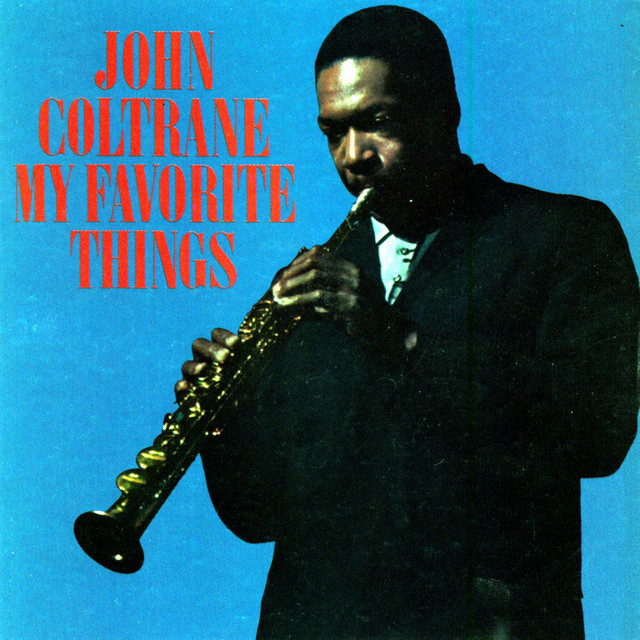
Elvin JonesElvin JonesElvin Jonesエルヴィン・ジョーンズ appears on 14 albums — from My Favorite ThingsMy Favorite ThingsMy Favorite ThingsJohn Coltrane · 1961 through A Love SupremeA Love SupremeA Love SupremeJohn Coltrane · 1965 with Coltrane, crossing into Shorter's world on Night DreamerNight DreamerNight DreamerWayne Shorter · 1964.

Go to My Favorite Things

1965 · JuJu

JuJu
JuJu
Wayne Shorter · 1965

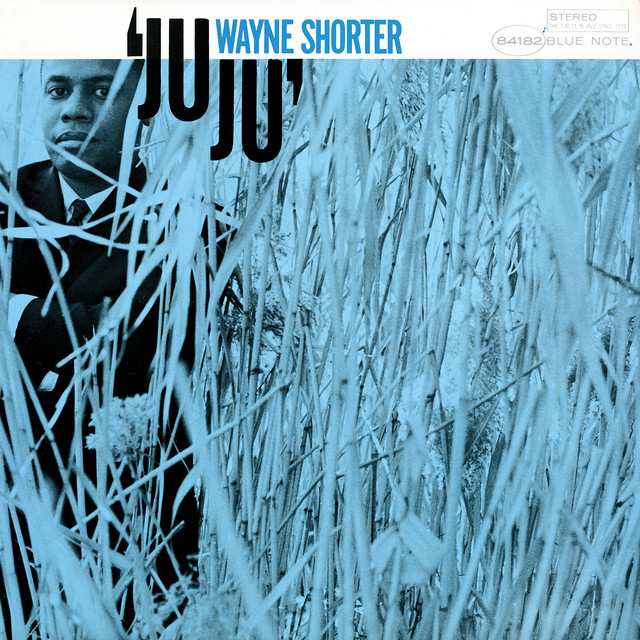
JuJuJuJuJuJuWayne Shorter · 1965 (1964) borrowed John ColtraneJohn ColtraneJohn Coltraneジョン・コルトレーン's golden quartet rhythm section (McCoy TynerMcCoy TynerMcCoy Tynerマッコイ・タイナー, Elvin JonesElvin JonesElvin Jonesエルヴィン・ジョーンズ, Reggie WorkmanReggie WorkmanReggie Workmanレジー・ワークマン) for Wayne ShorterWayne ShorterWayne Shorterウェイン・ショーター. Absorbing Coltrane's gravity, Shorter's distinct compositional voice emerged decisively.

— Footprints: The Life and Work of Wayne Shorter, Michelle Mercer, 2004

sourced
Go to JuJu

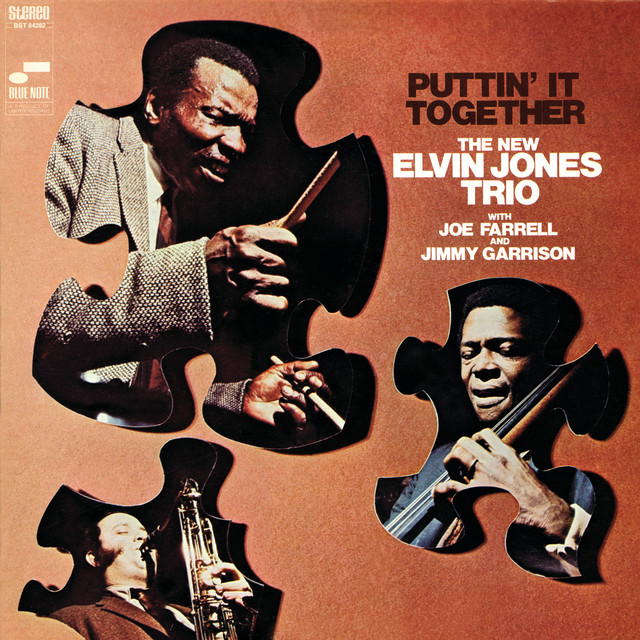
1968 · Puttin' It Together and 1 more

Puttin' It Together
Puttin' It Together
Elvin Jones · 1968
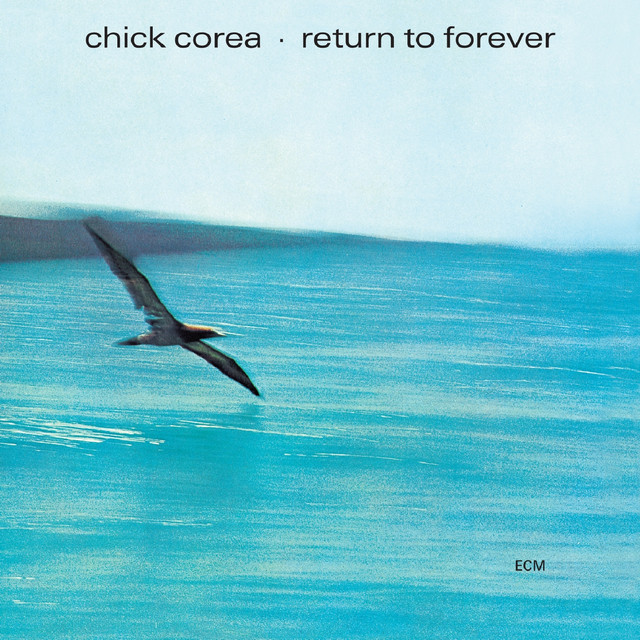
Return to Forever
Return to Forever
Return to Forever · 1972
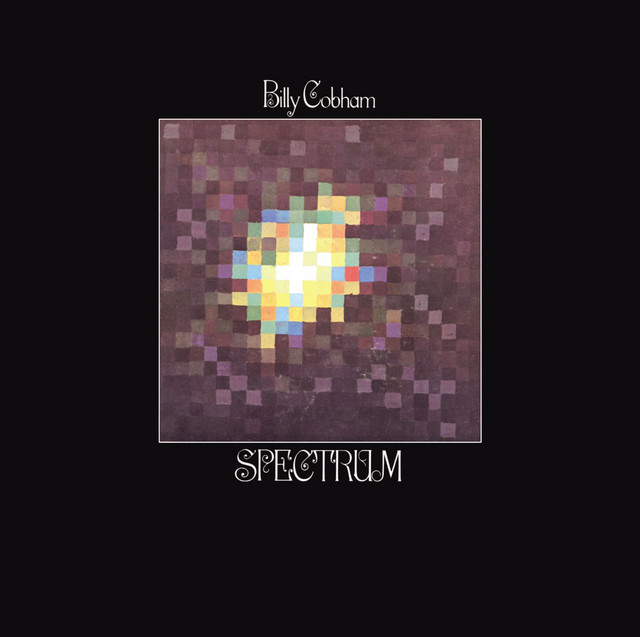
Spectrum
Spectrum
Billy Cobham · 1973
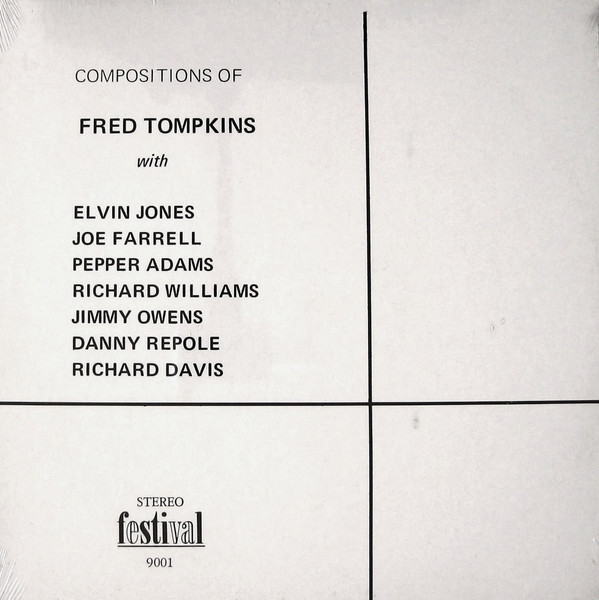
Compositions Of Fred Tompkins
Fred Tompkins · 1973

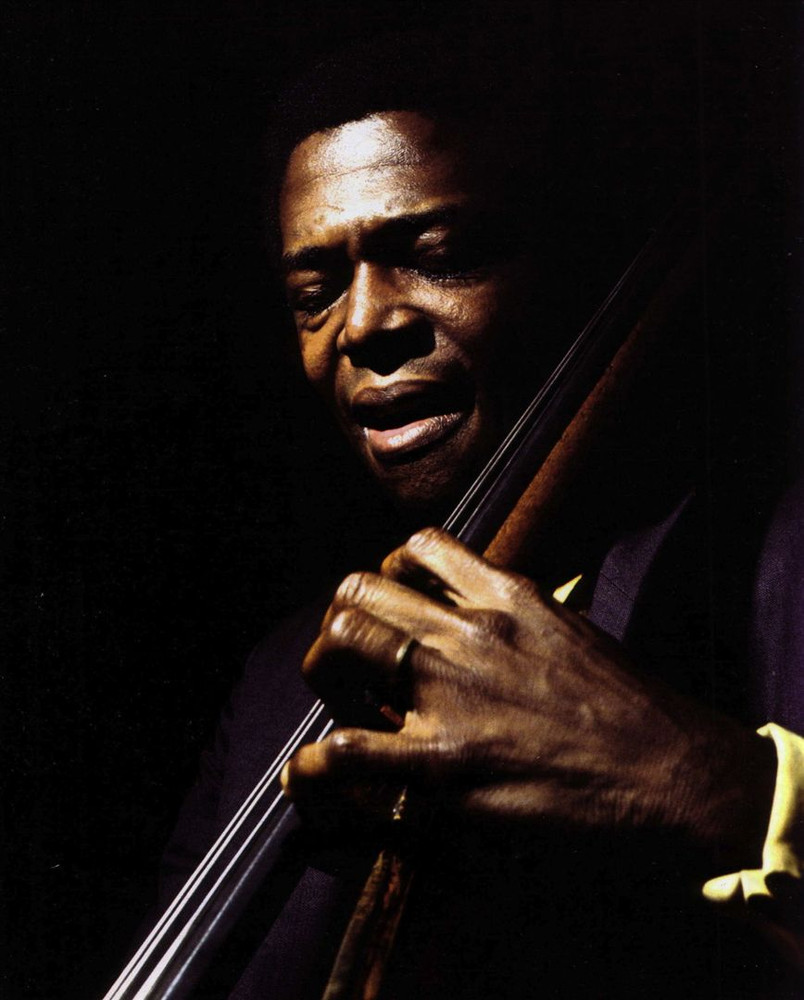
Joe Farrell was blowing tenor in Elvin Jones's hard-bop quartet on Puttin' It Together (1968). Five years later he turns up next to rock guitarist Tommy Bolin on Billy Cobham's Spectrum (1973), one of fusion's landmark records.
Go to Puttin' It Together

Elvin Jones on video

← Back to Elvin Jones