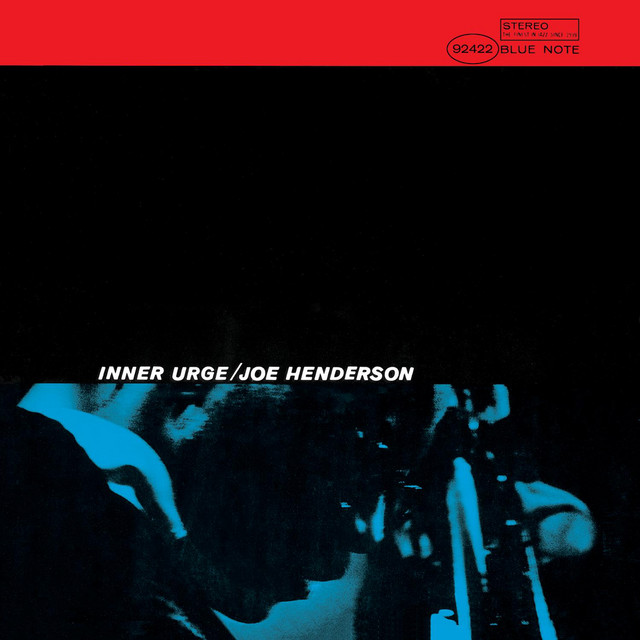
Inner Urge
Joe Henderson · 1965 · Blue Note
Personnel
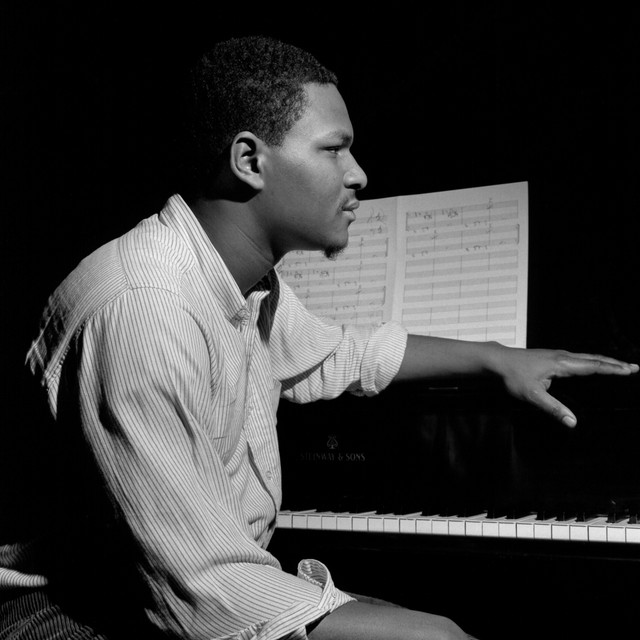
McCoy Tyner
played Piano on this album
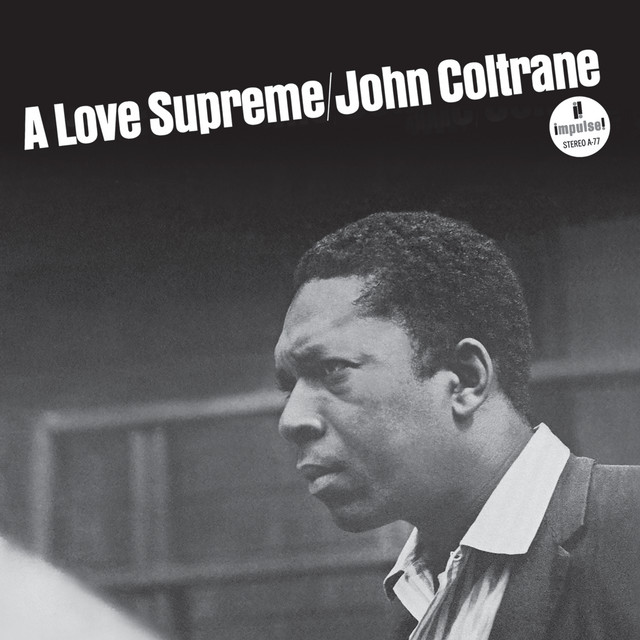
Recorded nine days before A Love Supreme with the same rhythm section he shared in Coltrane's quartet, Tyner's voicings gave Henderson a "wall" to play against—post-bop modal intensity filtered through a distinctly non-Coltrane vision.
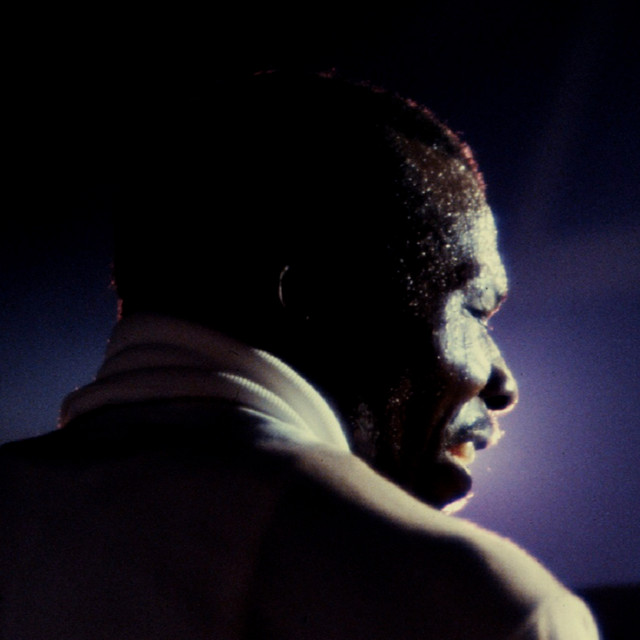
McCoy Tyner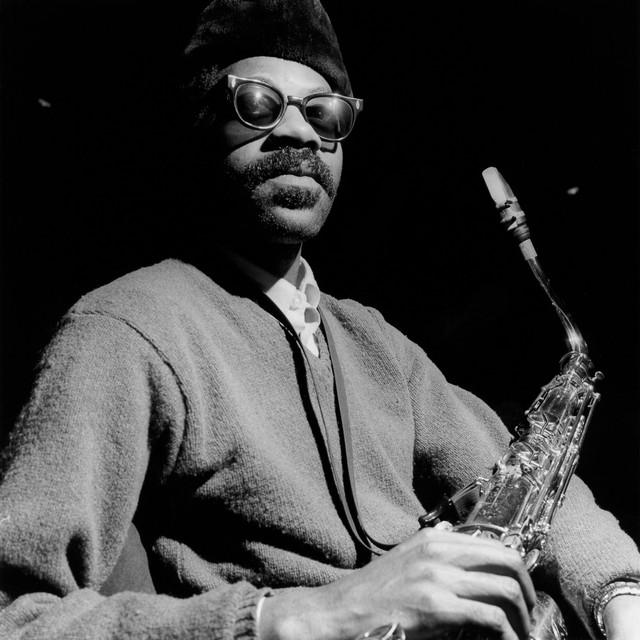
The Sidewinder (1964) is a Lee Morgan hard-bop date, yet its title track became an unexpected commercial hit on jukeboxes and the charts — a straight-ahead session that boosted Blue Note enough that imitation openers followed for years. Joe Henderson, known as a cerebral tenor, is at the center of it.
Bob Cranshaw's unreleased 1964 Blue Note session bass takes weren't destined to gather dust in a vault. In 2021 they resurfaced, rebuilt into a new record called Deciphering the Message.
McCoy Tyner said of Joe Henderson, his front line on The Real McCoy (1967), that you could tell whose sound it was in one note. That same instantly identifiable tenor turns up in the credits of an R&B album in 1982, a long way from the Blue Note session.
Around 1965