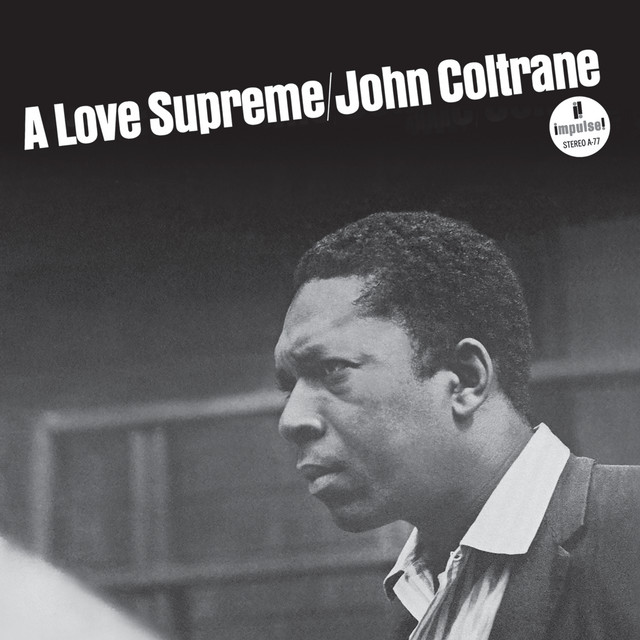
A Love Supreme
Library — Album

A Love Supreme

John Coltrane · 1965 · Impulse!

Tracks

Personnel

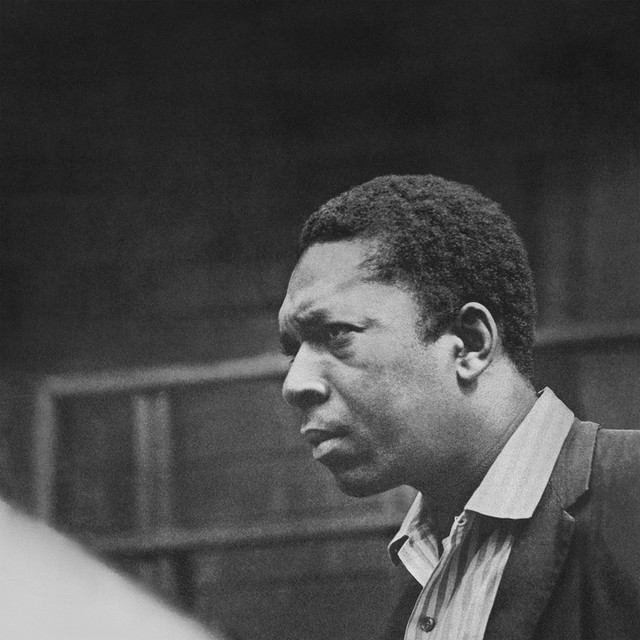
John Coltrane
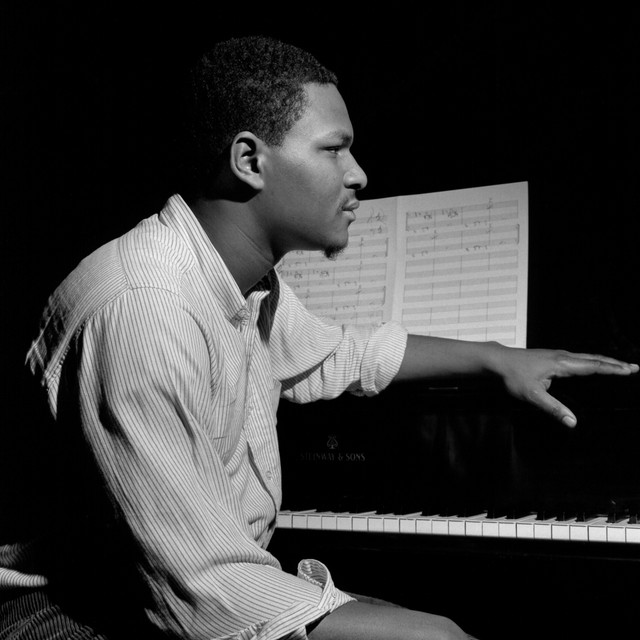
McCoy Tyner

McCoy's wide-voiced left hand gave Coltrane a wall to push against — not counterpoint, but colliding harmony.
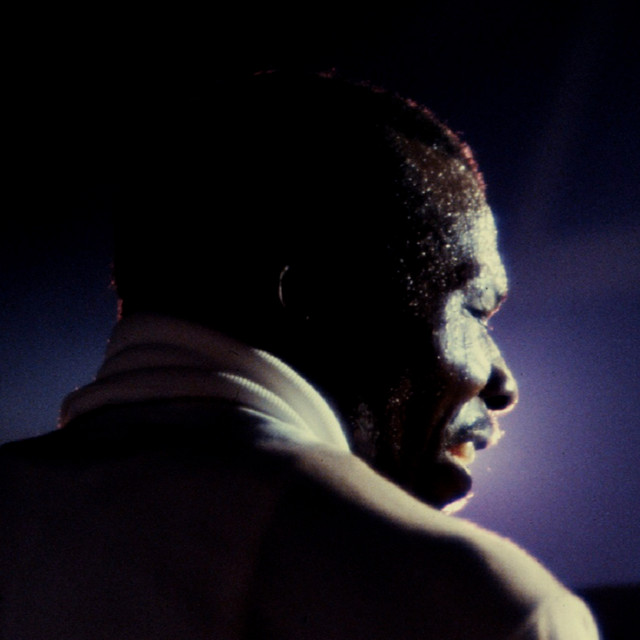
Elvin Jones

Elvin's drumming became the eye of the storm — creating the hurricane alongside Coltrane while remaining at its center.
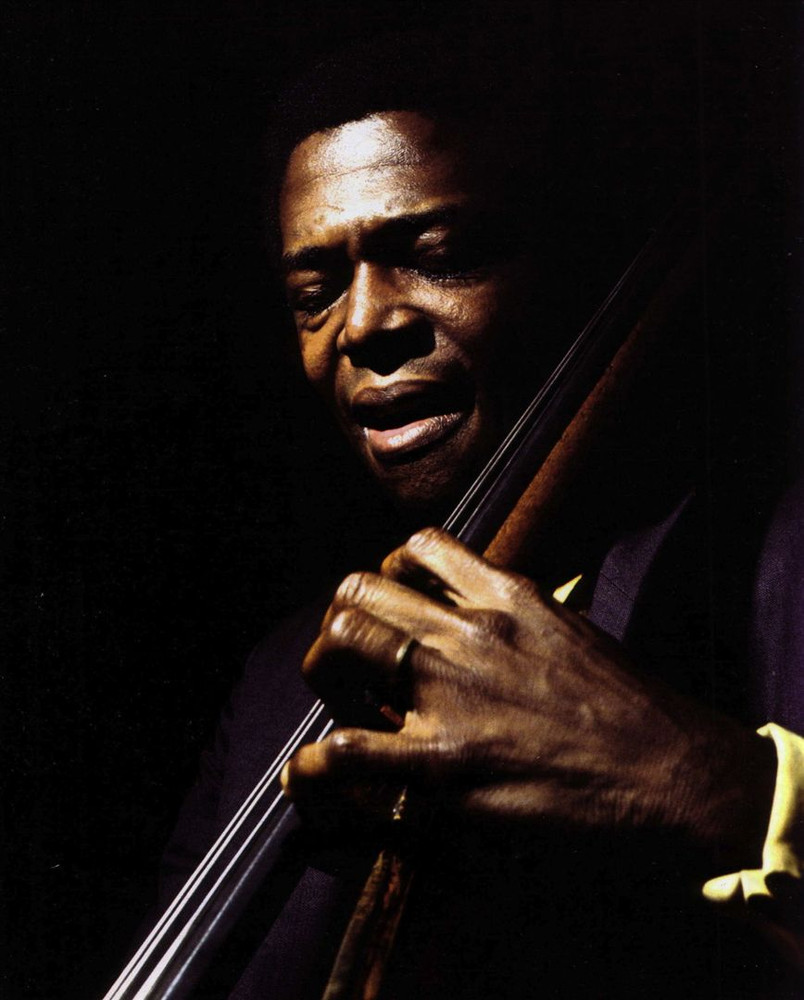
Jimmy Garrison

Garrison's arco and fierce pizzicato became inseparable from Coltrane's sound.

The four years of the Coltrane Classic Quartet (1961–65) represent one of the most concentrated periods of creation in jazz history. ElvinElvin JonesElvin Jonesエルヴィン・ジョーンズ's polyrhythm and McCoyMcCoy TynerMcCoy Tynerマッコイ・タイナー's wide-voicing left hand gave Coltrane something to push against.

John ColtraneMcCoy TynerJimmy GarrisonElvin Jones

July 26, 1965, Antibes, France. The only known live performance of 'A Love SupremeA Love SupremeA Love SupremeJohn Coltrane · 1965' in its entirety. Officially archived by INA (the French national audiovisual institute). The classic quartet at its most ferocious, near the end of the era.

Elvin JonesJimmy GarrisonJohn ColtraneMcCoy Tynersourced

August 1965, Comblain-la-Tour, Belgium. RTBF's color broadcast — a rare and valuable color film of the classic quartet, captured just days after the Antibes 'A Love SupremeA Love SupremeA Love SupremeJohn Coltrane · 1965' performance, with the band still riding that intensity.

Elvin JonesJimmy GarrisonJohn ColtraneMcCoy Tynersourced

McCoy TynerMcCoy TynerMcCoy Tynerマッコイ・タイナー anchored John ColtraneJohn ColtraneJohn Coltraneジョン・コルトレーン's classic quartet from 1960 to 1965. His left-hand quartal voicings and right-hand pentatonic flurries provided the harmonic foundation of A Love SupremeA Love SupremeA Love SupremeJohn Coltrane · 1965.

McCoy TynerJohn Coltranesourced

Jimmy GarrisonJimmy GarrisonJimmy Garrisonジミー・ギャリソン joined John ColtraneJohn ColtraneJohn Coltraneジョン・コルトレーン's quartet in late 1961. His pedal-point bass on the opening of A Love SupremeA Love SupremeA Love SupremeJohn Coltrane · 1965, anchoring the four-note 'a love supreme' motif, became his most celebrated contribution.

Jimmy GarrisonJohn Coltranesourced

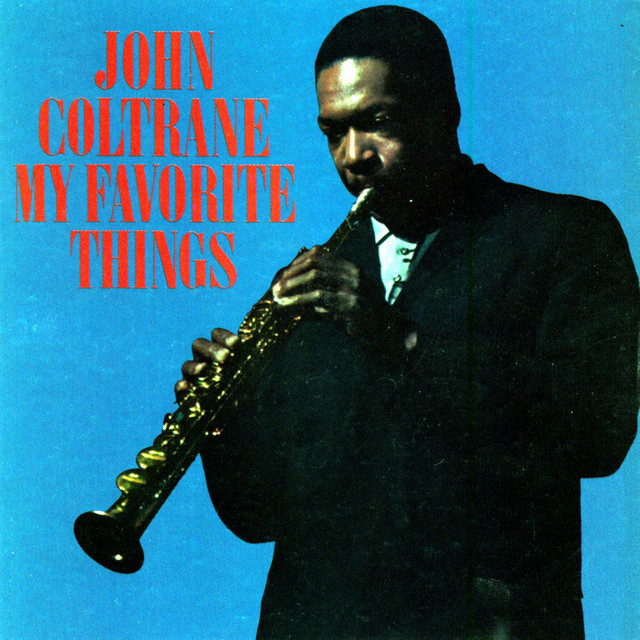
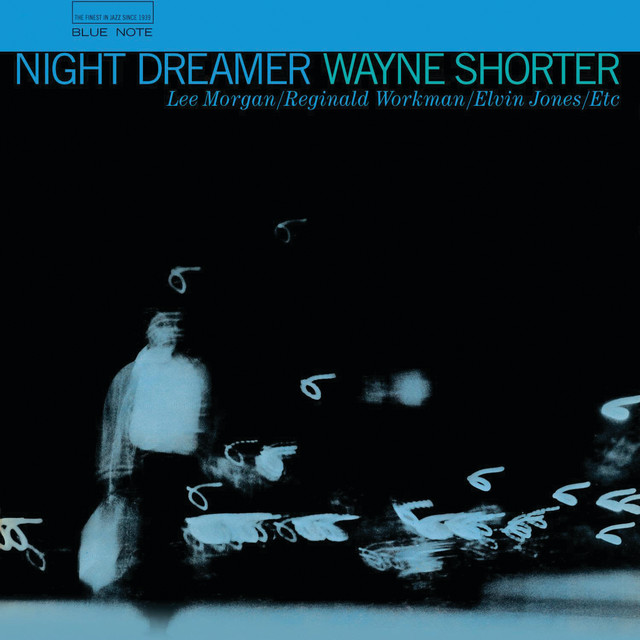
Elvin JonesElvin JonesElvin Jonesエルヴィン・ジョーンズ appears on 14 albums — from My Favorite ThingsMy Favorite ThingsMy Favorite ThingsJohn Coltrane · 1961 through A Love SupremeA Love SupremeA Love SupremeJohn Coltrane · 1965 with Coltrane, crossing into Shorter's world on Night DreamerNight DreamerNight DreamerWayne Shorter · 1964.

Elvin Jones

The pianist of Coltrane's celebrated quartet didn't leave over any lack of loyalty — he left over where the music was heading. As Coltrane pushed deeper into free jazz in 1965, Tyner walked, saying he simply didn't want to play that way. The irony is that he's right there on Ascension, the very record marking that turn.

John ColtraneMcCoy Tyner

McCoy Tyner recalled that what Coltrane wanted in a bassist wasn't someone who kept strict time, but someone free enough to hear the music and step away from its form. Jimmy Garrison fit that description, anchoring records like A Love Supreme.

Jimmy GarrisonJohn ColtraneMcCoy Tyner

Featured in Notes

🎵
🎵

Around 1965

E.S.P.
Four For Trane
Group Therapy
In the Beginning
Inner Urge
← John Coltrane