







1961 · Mosaic
Recorded in October 1961, Mosaic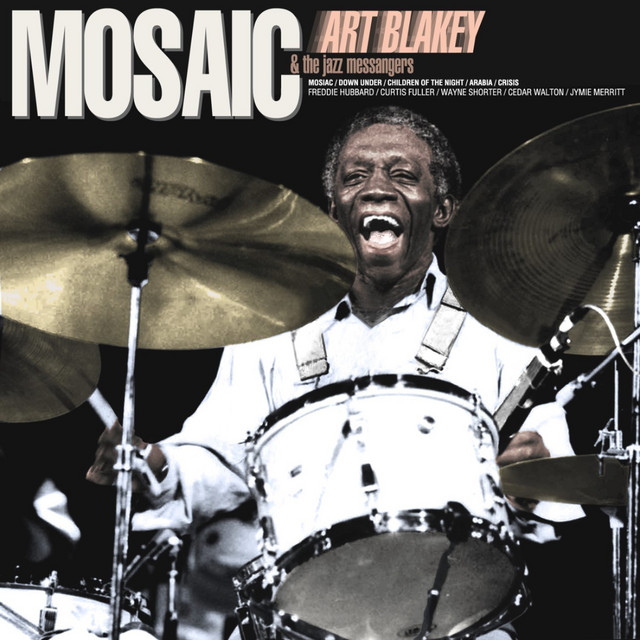
 — Blue Note Records: The Biography, Richard Cook, 2003
2 albums as leader and 21 as sideman (1957–2021), each listed chronologically.
1961 · Mosaic
Recorded in October 1961, Mosaic
— Blue Note Records: The Biography, Richard Cook, 2003
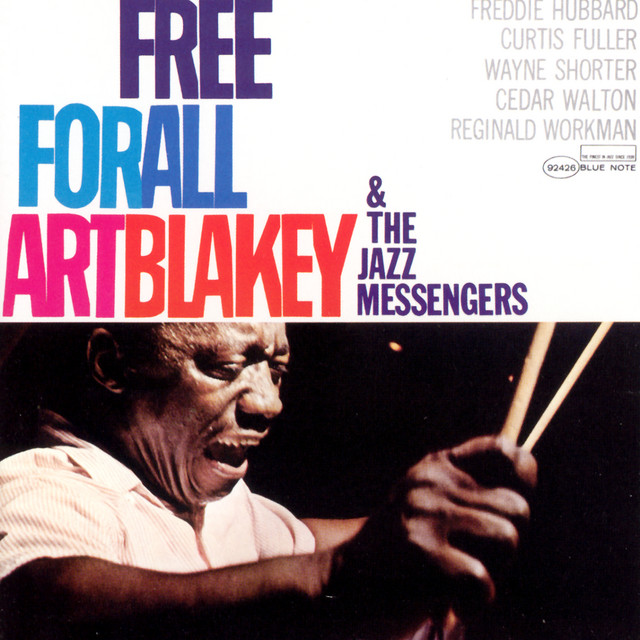
1964 · Free for All
In 1961, pianist Cedar Walton brought his new composition "Mosaic" to a rehearsal with Art Blakey's Jazz Messengers. He later said the horn players—Freddie Hubbard, Curtis Fuller, and Wayne Shorter—devoured the tune "like eating cornflakes," playing it better than he could himself.
— Statement stmt-cedar-walton-on-freddie-hubbard
1959 · Blues-ette
On the title track of Coltrane's 1959 Giant Steps, pianist Tommy Flanagan reportedly hadn't fully absorbed the tune's dense chord changes before the take, and his solo trails off into near silence. The album's signature piece is remembered as much for its accompanist's hesitation as for its harmonic breakthrough.
1958 · Modern Jazz Survey 2 / Baritones & French Horns
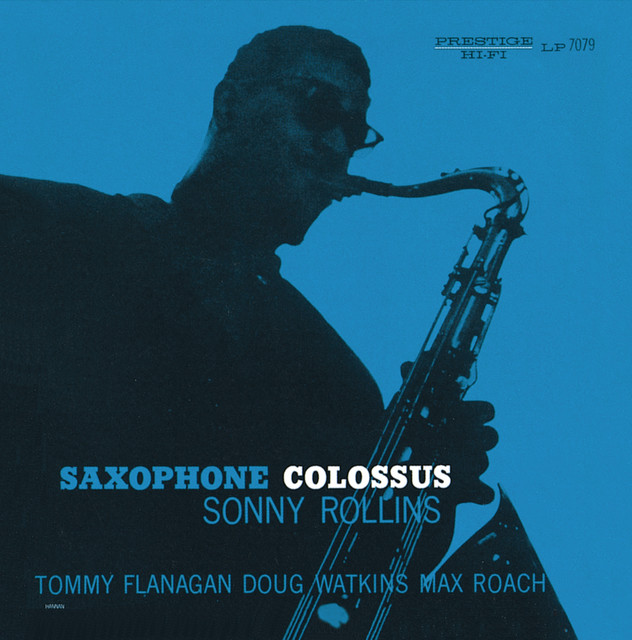
In 1956, bassist Doug Watkins showed up for what was just another single-day Prestige date, indistinguishable from the dozens of hard-bop sessions he played that year. That session became Sonny Rollins's Saxophone Colossus, now regarded as one of jazz's most enduring records.
1966 · Mode for Joe
The title track of Mode for Joe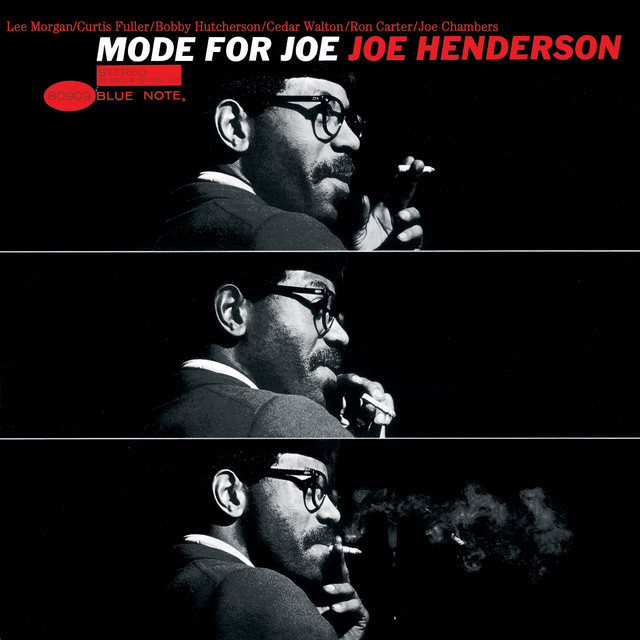
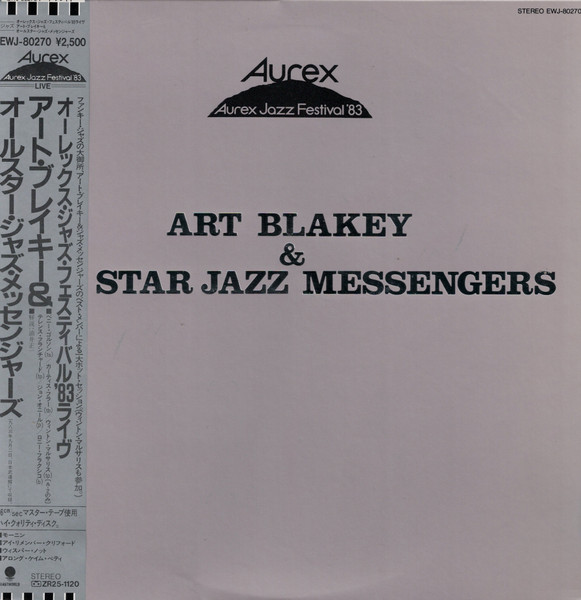
1983 · Aurex Jazz Festival '83
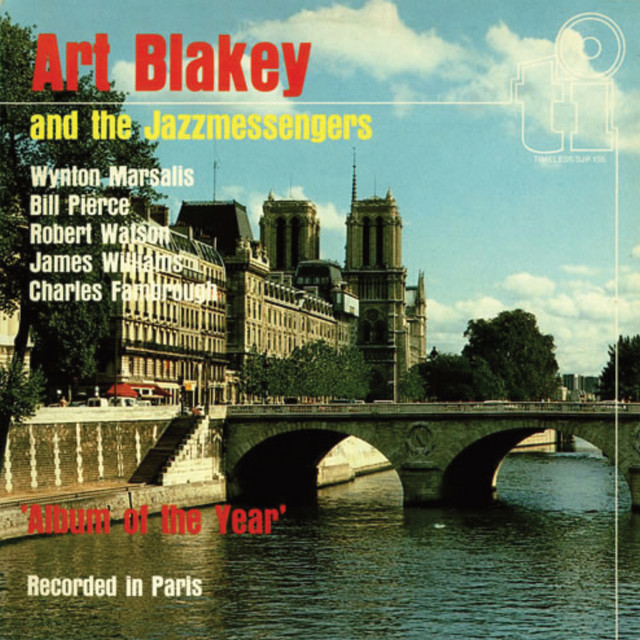
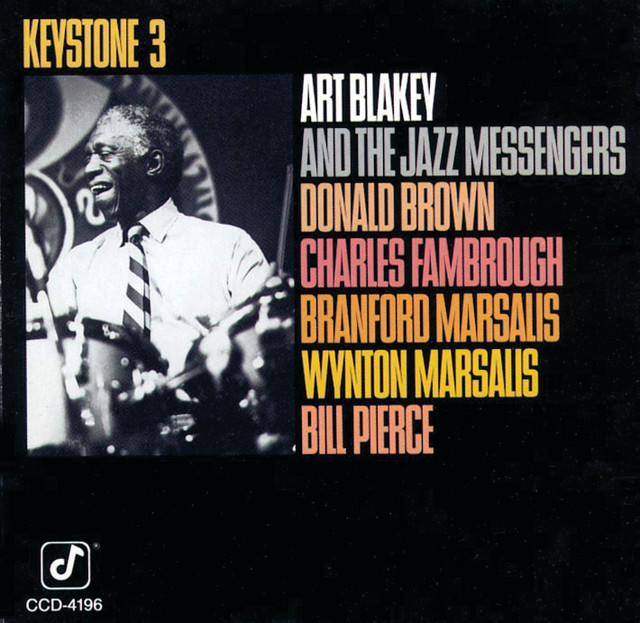
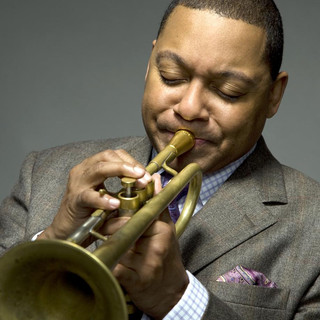
Wynton Marsalis joined Art Blakey's band as a teenager without having heard a single Blakey record — just playing scales over the chords, not yet knowing that a solo is something you construct, as he admitted at twenty-two. That was the starting point of the man later cast as jazz's traditionalist-in-chief.
— Statement stmt-wynton-marsalis-on-art-blakey
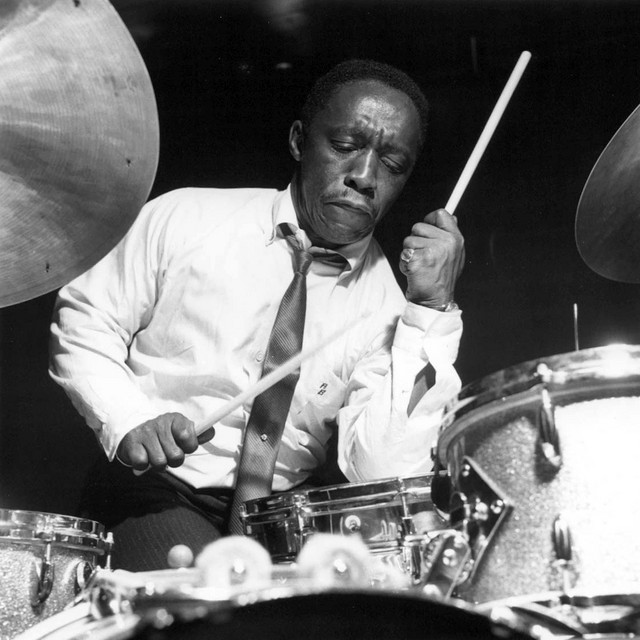 Art Blakey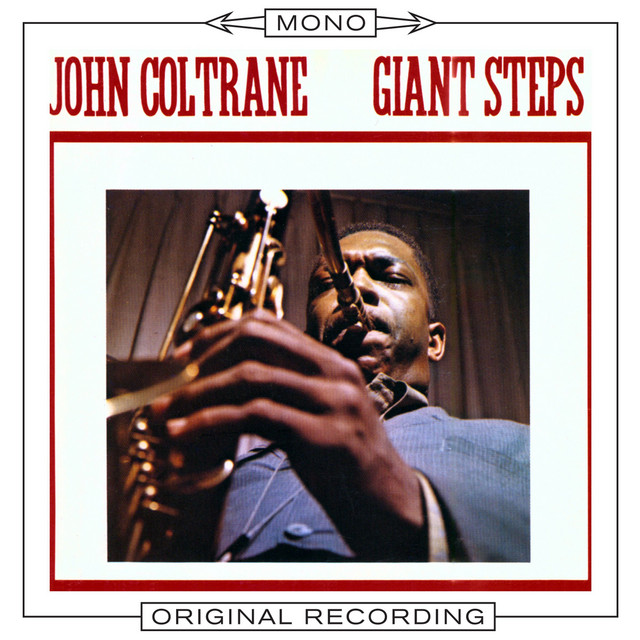
 Tommy Flanagan
 Wynton Marsalis