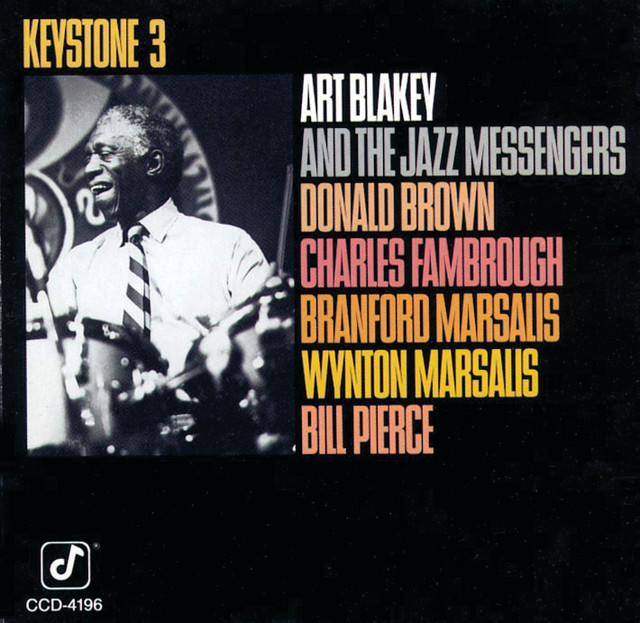
Keystone 3
Art Blakey · 1982 · Concord
Personnel
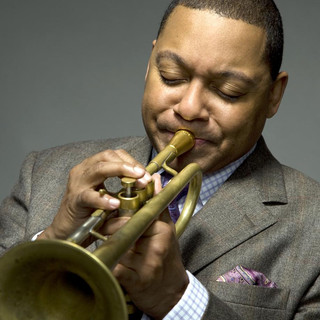

Donald Browncoming soon
played Piano on this album
Billy Piercecoming soon
played Tenor Saxophone on this album
Mulgrew Miller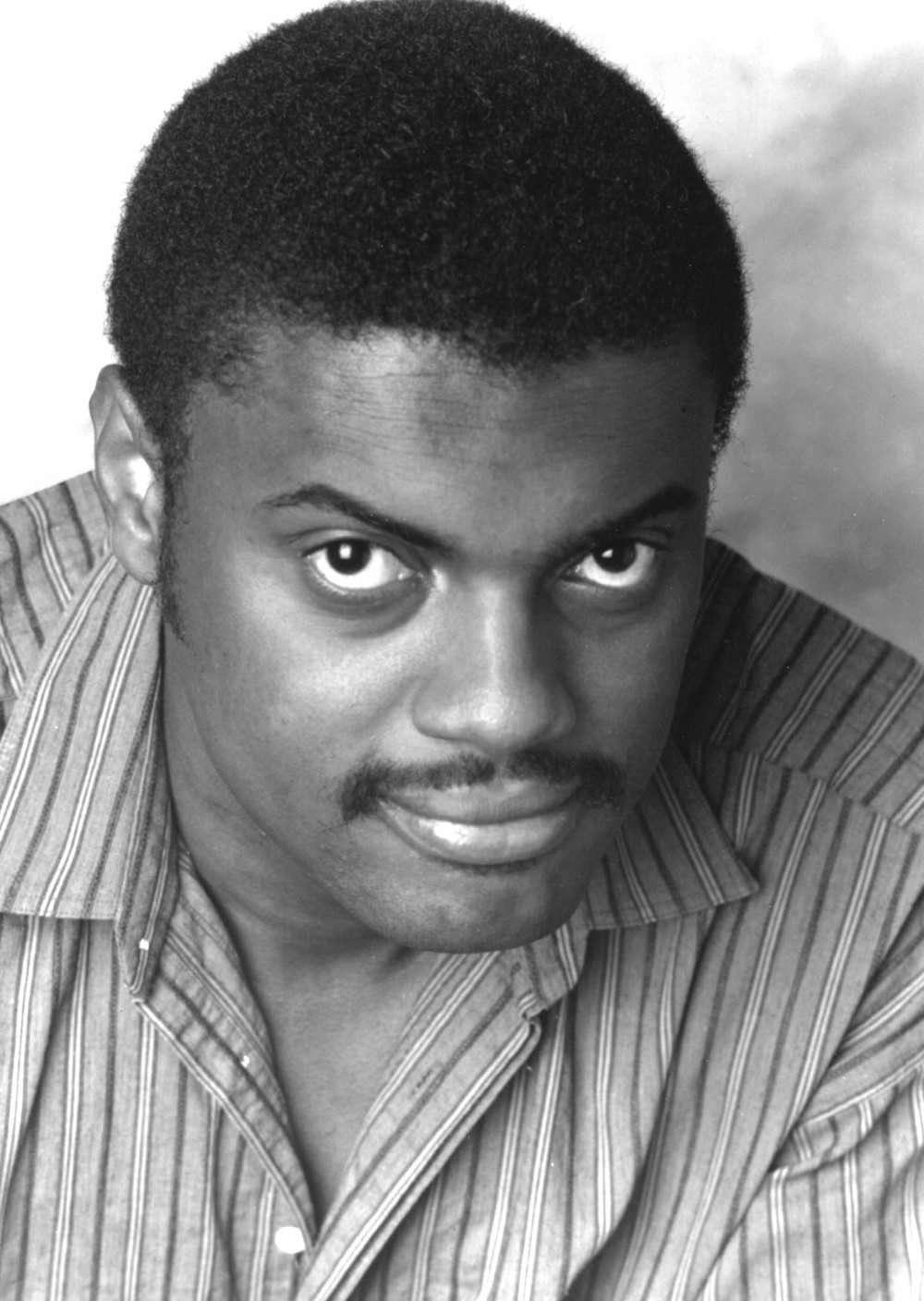

Wynton Marsalis joined Art Blakey's band as a teenager without having heard a single Blakey record — just playing scales over the chords, not yet knowing that a solo is something you construct, as he admitted at twenty-two. That was the starting point of the man later cast as jazz's traditionalist-in-chief.
Art Blakey's Jazz Messengers is remembered as a finishing school for young players, but Branford Marsalis recalls Blakey as the man who first showed him how weak his ballad playing was. Before he became one of the genre's leading saxophonists, he was simply a rookie who couldn't yet handle a ballad.
In 1981, bassist Charles Fambrough stood next to a still-unknown teenage trumpeter, Wynton Marsalis, in Art Blakey's Jazz Messengers. After Album of the Year and Keystone 3, Fambrough was called back for Marsalis's own debut as a leader, Wynton Marsalis (1982).
Featured in Notes
Around 1982