Library — Double Bass

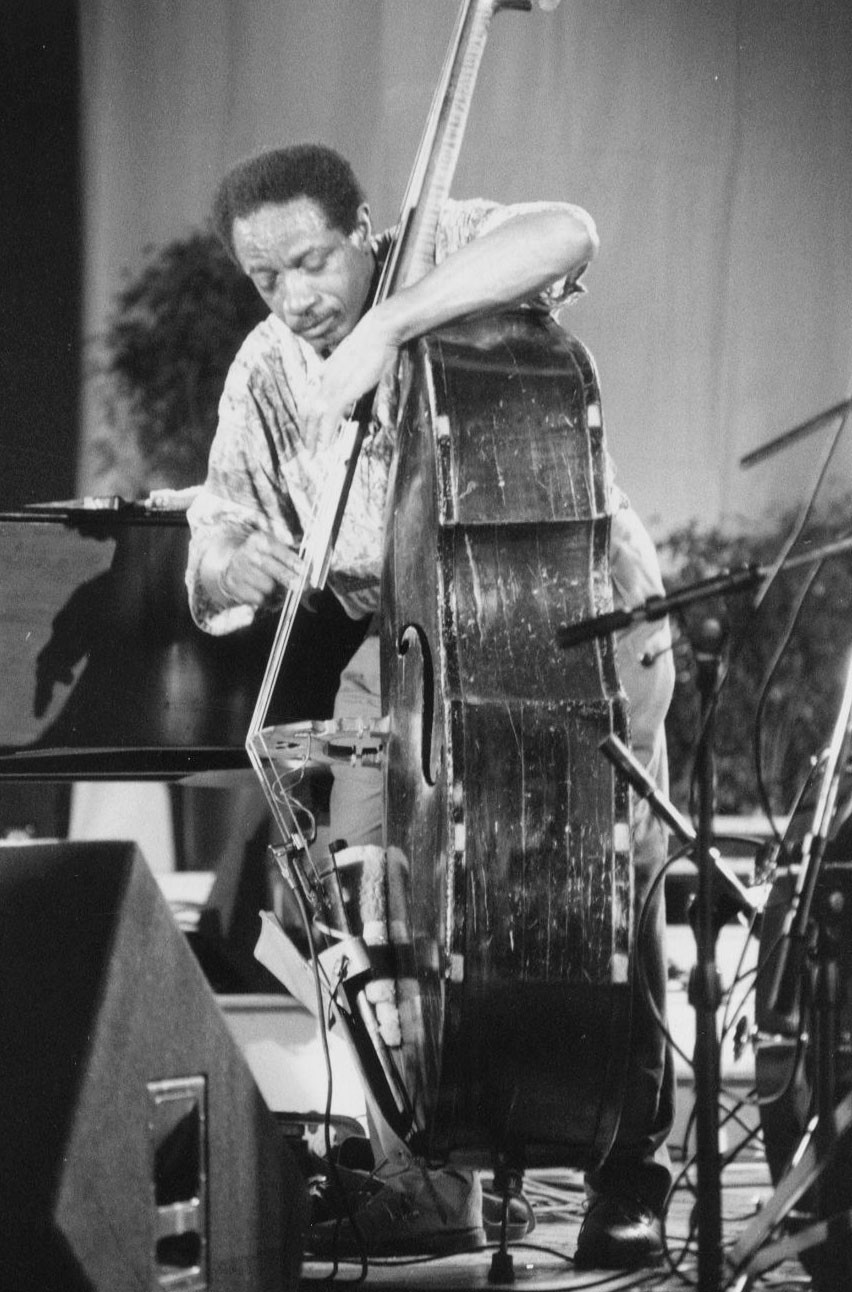
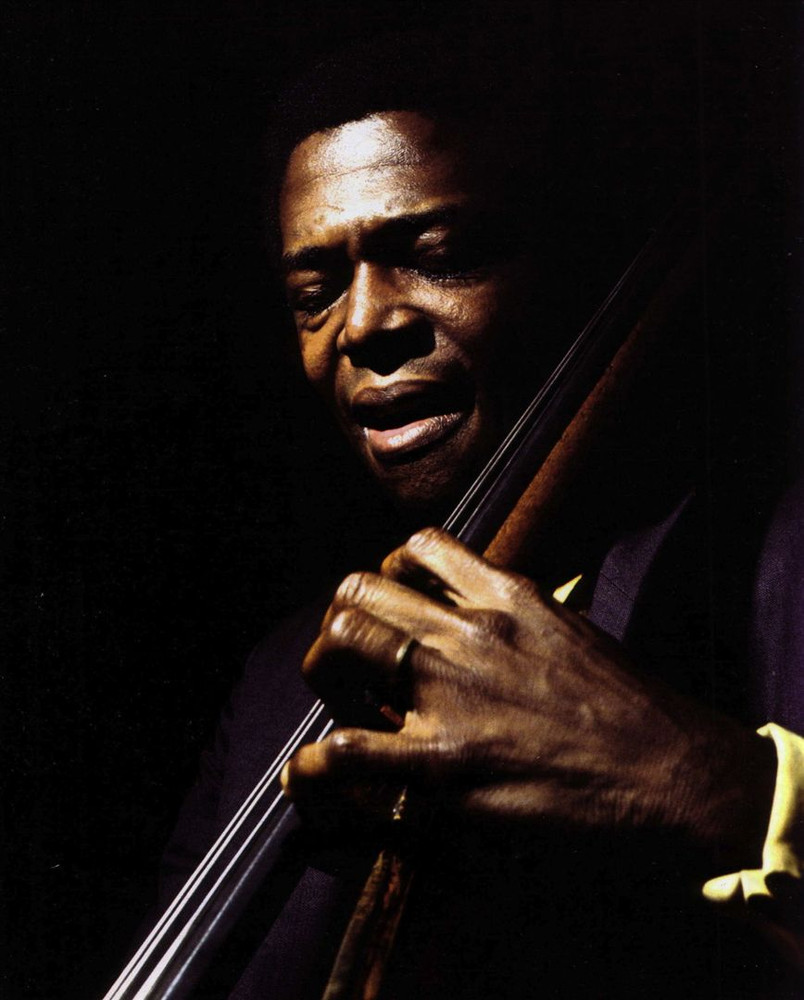
Reggie Workman

1 album as leader and 22 as sideman (1961–2021), each listed chronologically.

As Leader · 1

As Sideman · 22

Notes on these albums · 6

1962 · Hub-Tones

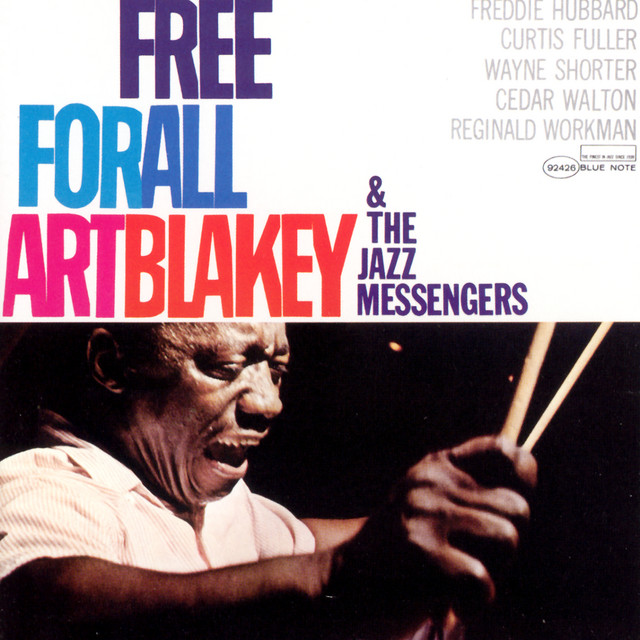
Free for All
Free for All
Art Blakey · 1964
Hub-Tones
Hub-Tones
Freddie Hubbard · 1962

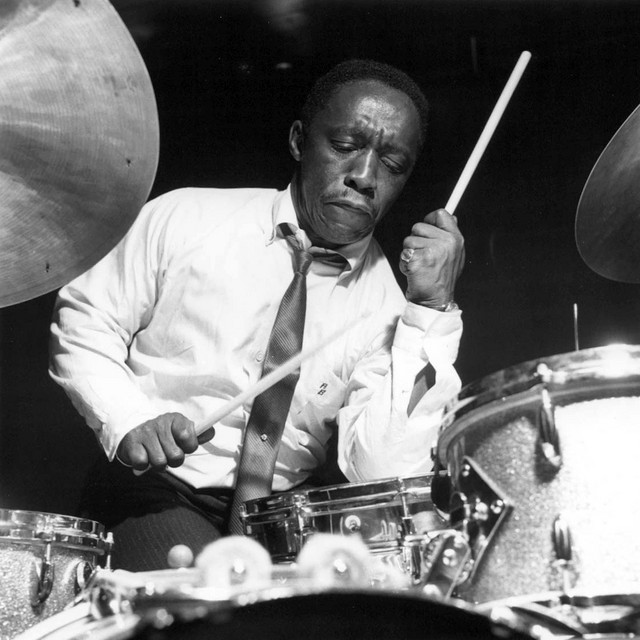
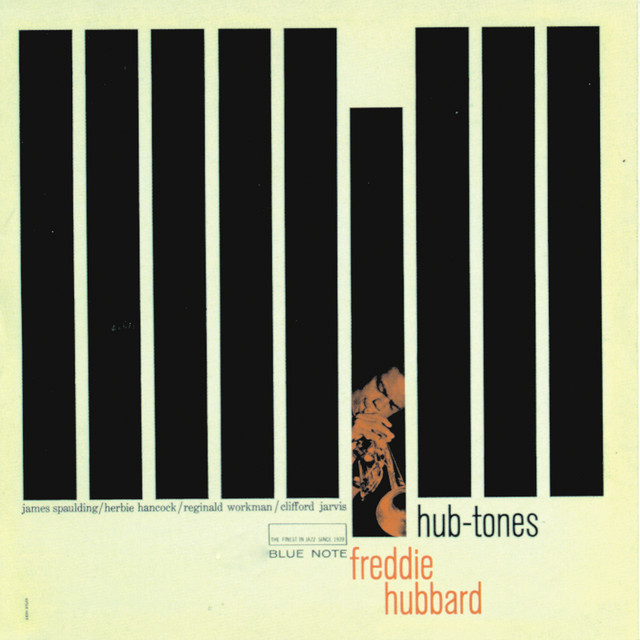
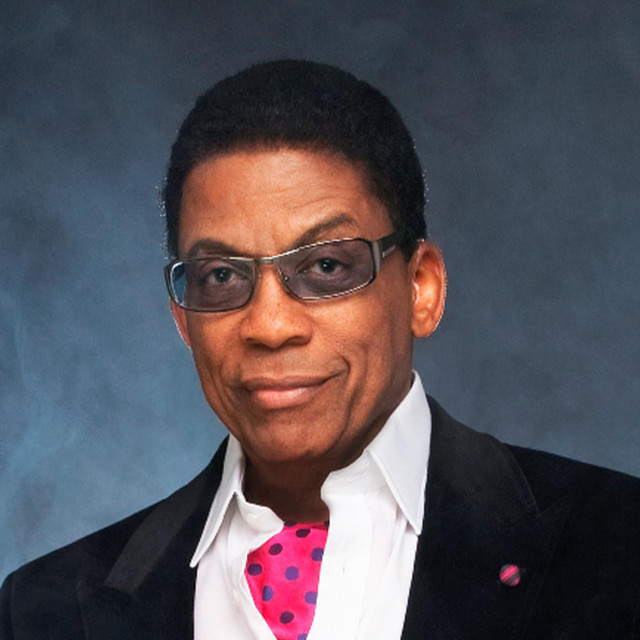
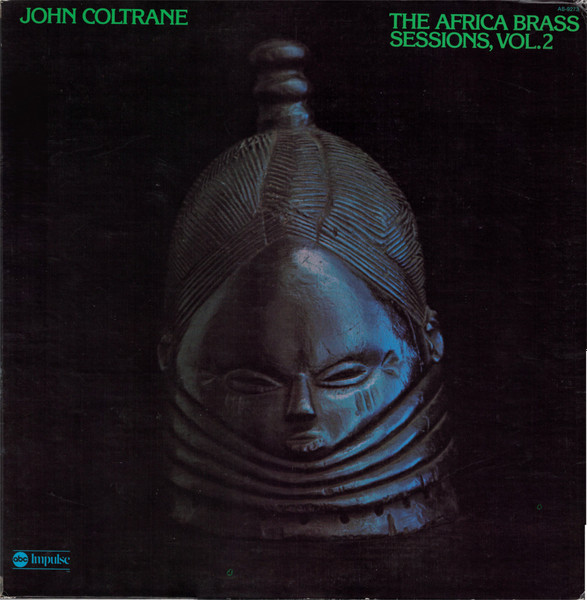
Reggie WorkmanReggie WorkmanReggie Workmanレジー・ワークマン was one of John ColtraneJohn ColtraneJohn Coltraneジョン・コルトレーン's bassists in the early 1961 sessions before Jimmy GarrisonJimmy GarrisonJimmy Garrisonジミー・ギャリソン became the permanent member. He continued recording with Wayne ShorterWayne ShorterWayne Shorterウェイン・ショーター and Art BlakeyArt BlakeyArt Blakeyアート・ブレイキー, remaining at the forefront of the avant-garde. On Hub-TonesHub-TonesHub-TonesFreddie Hubbard · 1962 he appeared alongside a young Herbie HancockHerbie HancockHerbie Hancockハービー・ハンコック.

Go to Hub-Tones

1965 · JuJu

JuJu
JuJu
Wayne Shorter · 1965

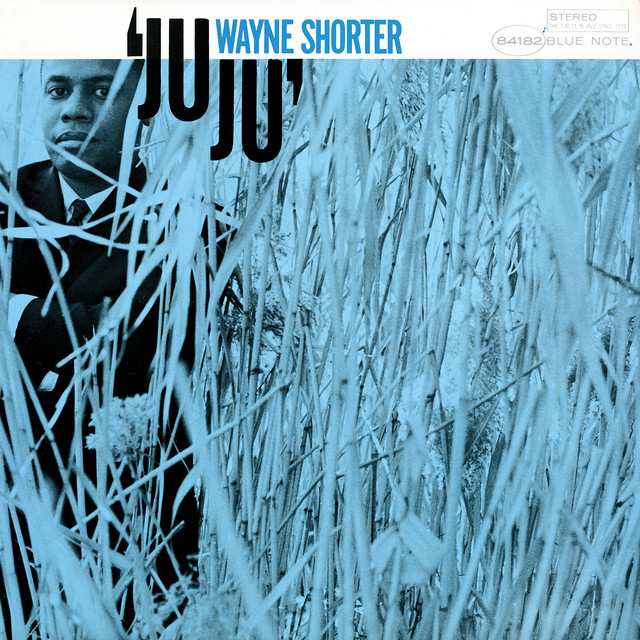
JuJuJuJuJuJuWayne Shorter · 1965 (1964) borrowed John ColtraneJohn ColtraneJohn Coltraneジョン・コルトレーン's golden quartet rhythm section (McCoy TynerMcCoy TynerMcCoy Tynerマッコイ・タイナー, Elvin JonesElvin JonesElvin Jonesエルヴィン・ジョーンズ, Reggie WorkmanReggie WorkmanReggie Workmanレジー・ワークマン) for Wayne ShorterWayne ShorterWayne Shorterウェイン・ショーター. Absorbing Coltrane's gravity, Shorter's distinct compositional voice emerged decisively.

— Footprints: The Life and Work of Wayne Shorter, Michelle Mercer, 2004

sourced
Go to JuJu

1964 · Night Dreamer

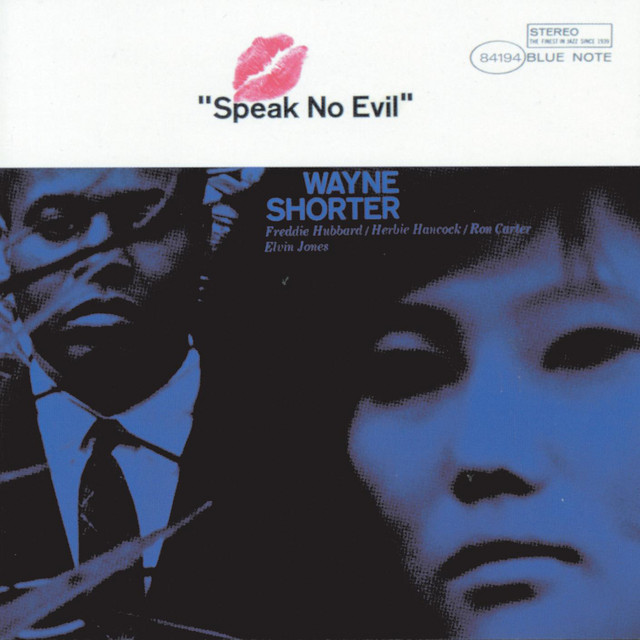
Speak No Evil
Speak No Evil
Wayne Shorter · 1966
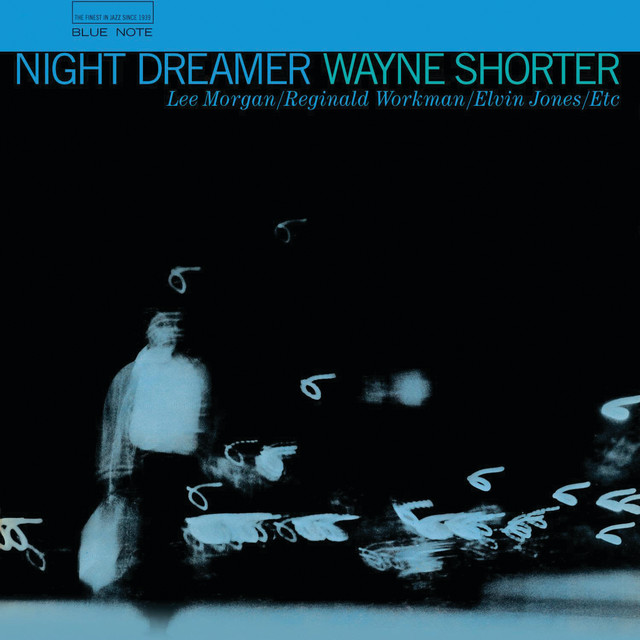
Night Dreamer
Night Dreamer
Wayne Shorter · 1964

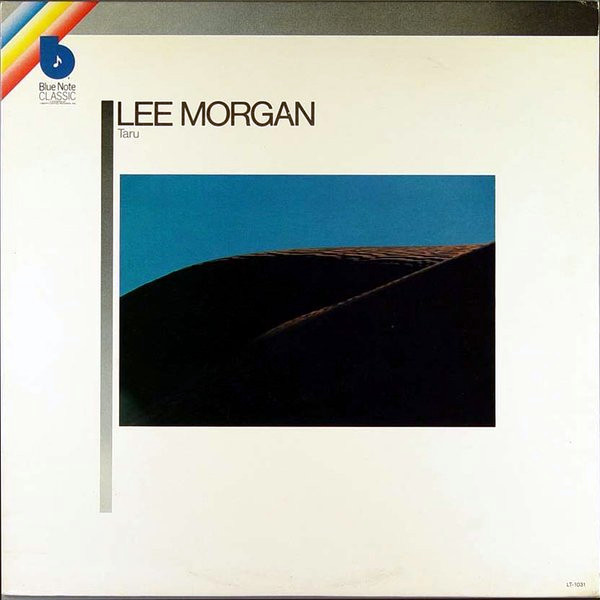
The 1964–66 Blue Note period was when Wayne ShorterWayne ShorterWayne Shorterウェイン・ショーター's compositional voice matured rapidly. On Night DreamerNight DreamerNight DreamerWayne Shorter · 1964 and Speak No EvilSpeak No EvilSpeak No EvilWayne Shorter · 1966 he established his signature 'mysterious beauty' language. Lee MorganLee MorganLee Morganリー・モーガン, McCoy TynerMcCoy TynerMcCoy Tynerマッコイ・タイナー, and Elvin JonesElvin JonesElvin Jonesエルヴィン・ジョーンズ brought it to life.
Go to Night Dreamer

1961 · Olé Coltrane

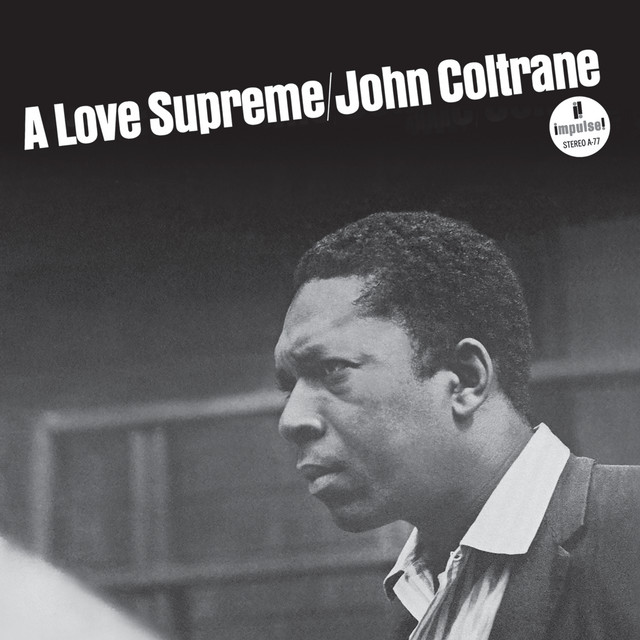
A Love Supreme
A Love Supreme
John Coltrane · 1965
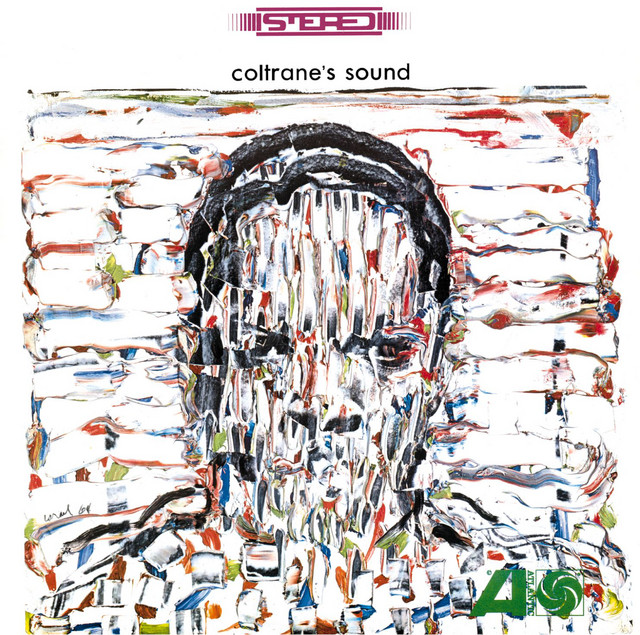
Coltrane's Sound
Coltrane's Sound
John Coltrane · 1964
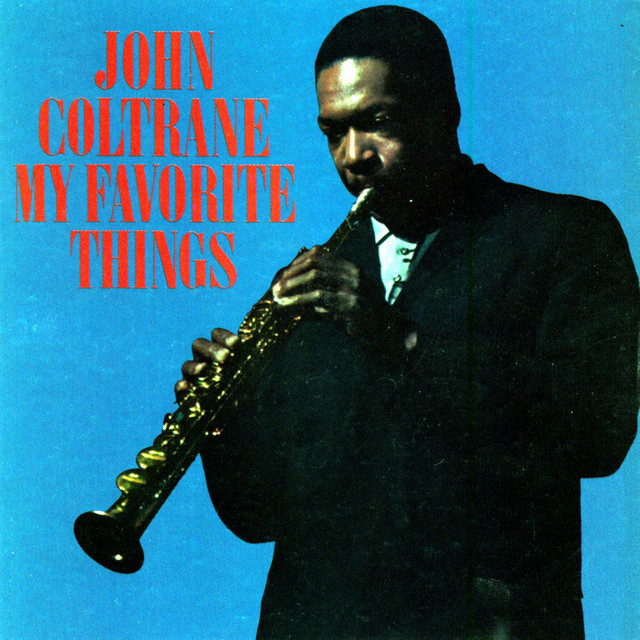
My Favorite Things
My Favorite Things
John Coltrane · 1961
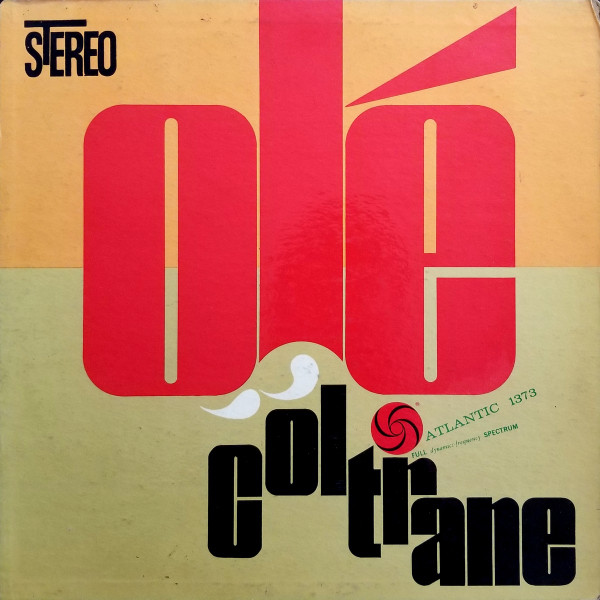
Olé Coltrane
Olé Coltrane
John Coltrane · 1961

The pianist of Coltrane's celebrated quartet didn't leave over any lack of loyalty — he left over where the music was heading. As Coltrane pushed deeper into free jazz in 1965, Tyner walked, saying he simply didn't want to play that way. The irony is that he's right there on Ascension, the very record marking that turn.

— Statement stmt-mccoy-tyner-on-john-coltrane-3

Go to Olé Coltrane

1964 · Free for All

Free for All
Free for All
Art Blakey · 1964

On Free for AllFree for AllFree for AllArt Blakey · 1964 (February 1964), Art BlakeyArt BlakeyArt Blakeyアート・ブレイキー's ferocious drumming pushed the band to the edge of free jazz, and Freddie HubbardFreddie HubbardFreddie Hubbardフレディ・ハバード met the pressure head-on. A studio session that crackles with the energy of a live performance — one of hard bop's most violent moments.

Go to Free for All

1964 · Search for the New Land

Deciphering the Message
Makaya McCraven · 2021
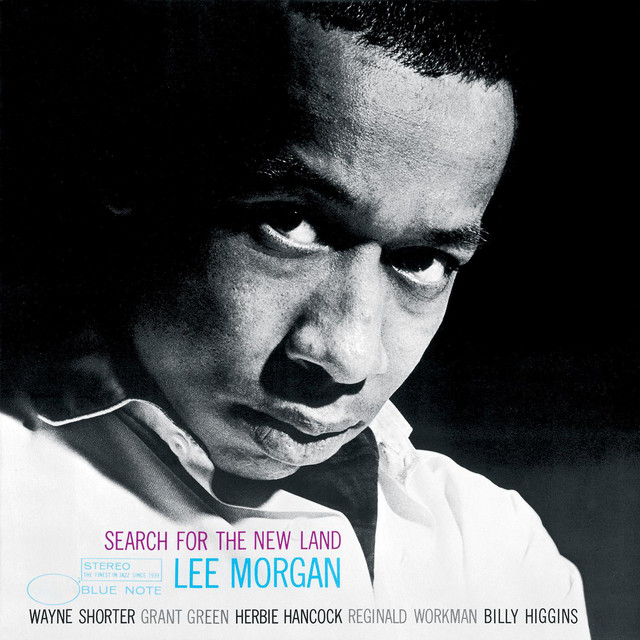
Search for the New Land
Lee Morgan · 1964
Takin' Off
Herbie Hancock · 1962
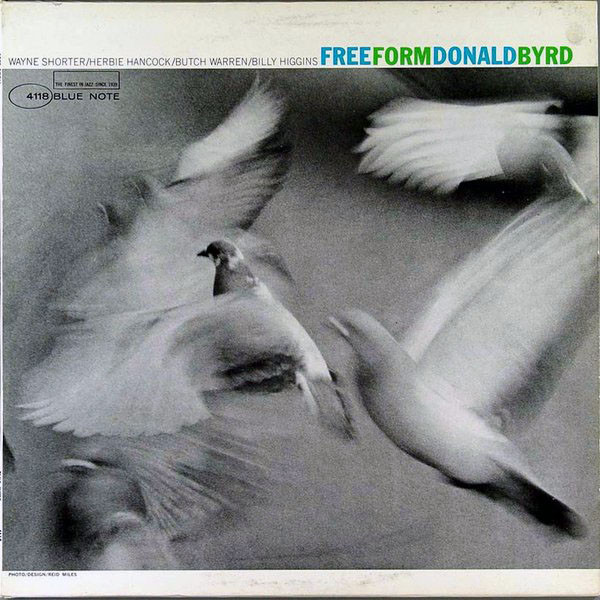
Free Form
Free Form
Donald Byrd · 1966

The funky feel of 'Watermelon Man' on Herbie Hancock's 1962 debut Takin' Off came from drummer Billy Higgins, who landed his stroke right between straight eighths and swung triplets. The tune would soon travel far.

— Statement stmt-herbie-hancock-on-billy-higgins
Go to Search for the New Land

Reggie Workman on video

← Back to Reggie Workman