



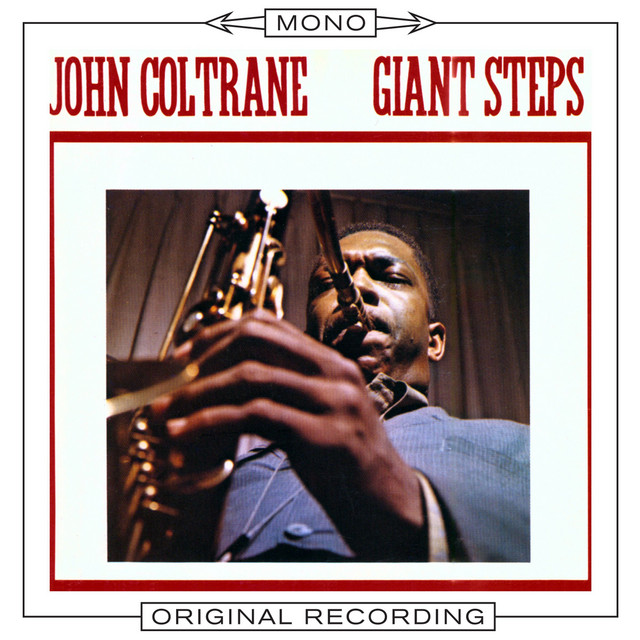
1960 · Giant Steps
In May 1959, Tommy Flanagan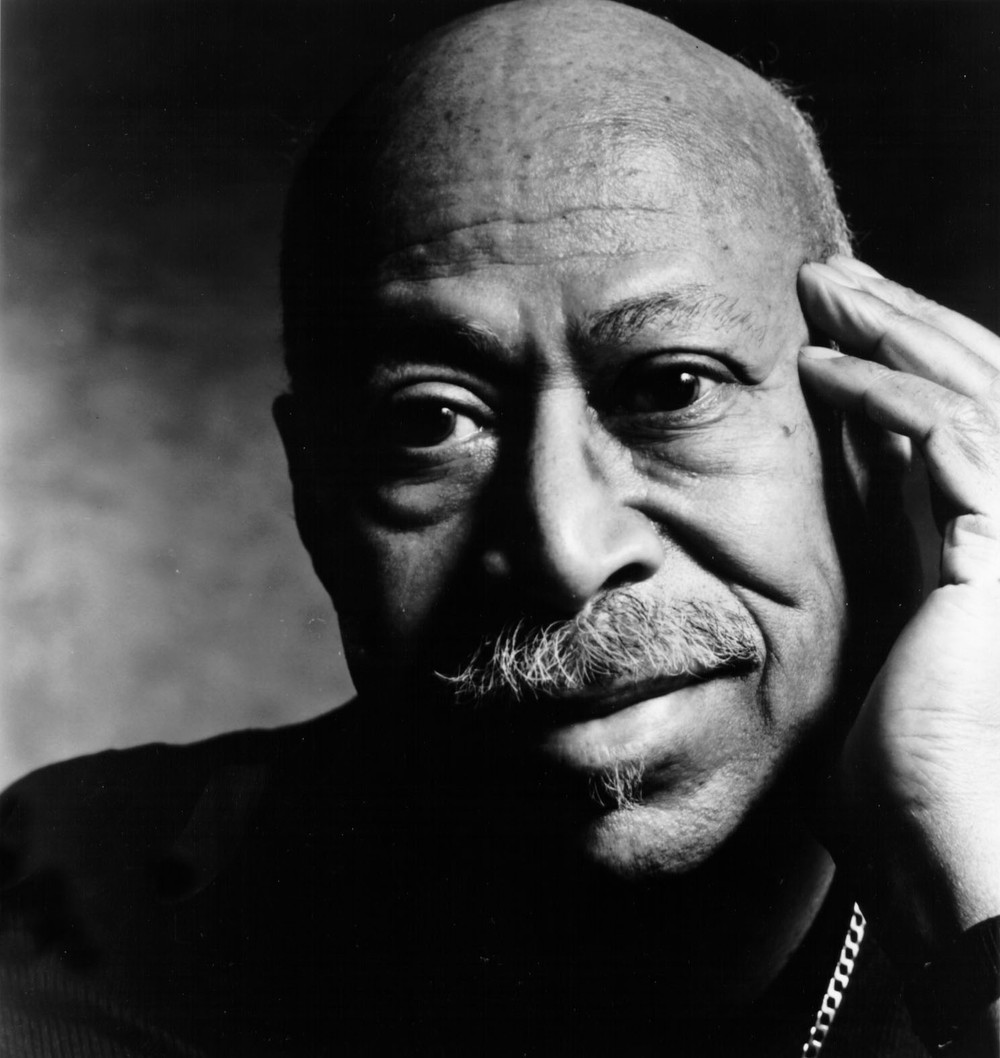
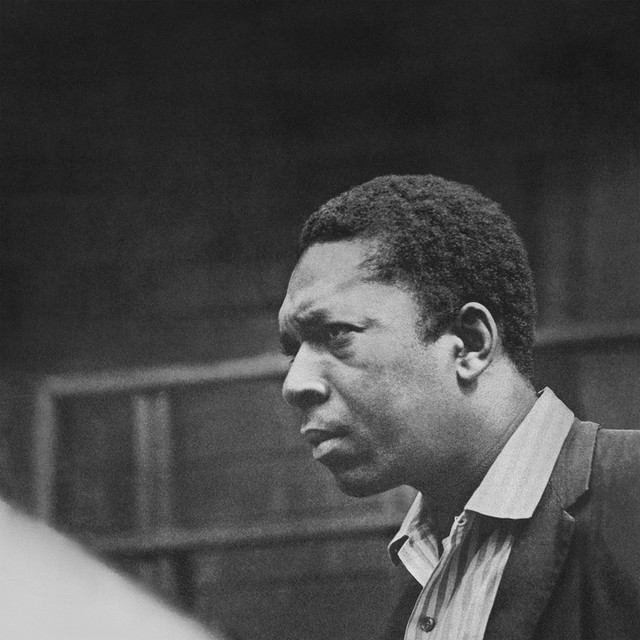
 — John Coltrane: His Life and Music, Lewis Porter, 1998
10 albums as leader and 20 as sideman (1957–2005), each listed chronologically.

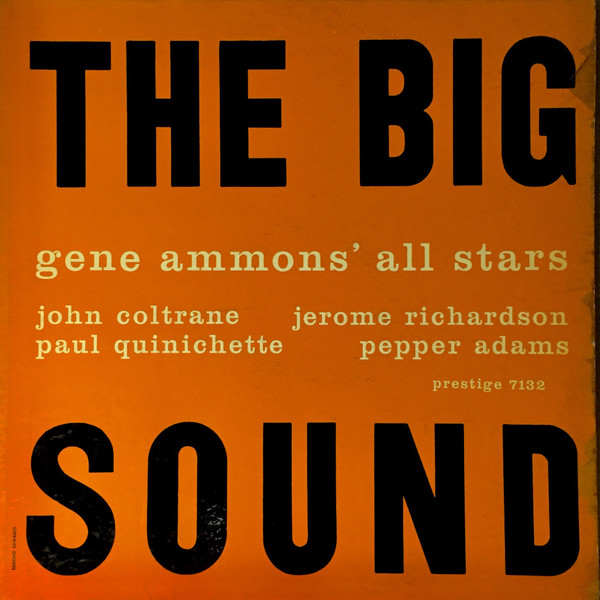
Idrees Sulieman, Webster Young, John Coltrane, Bobby Jaspar With Mal Waldron, Kenny Burrell, Paul Chambers, Art Taylor
1957 · Prestige
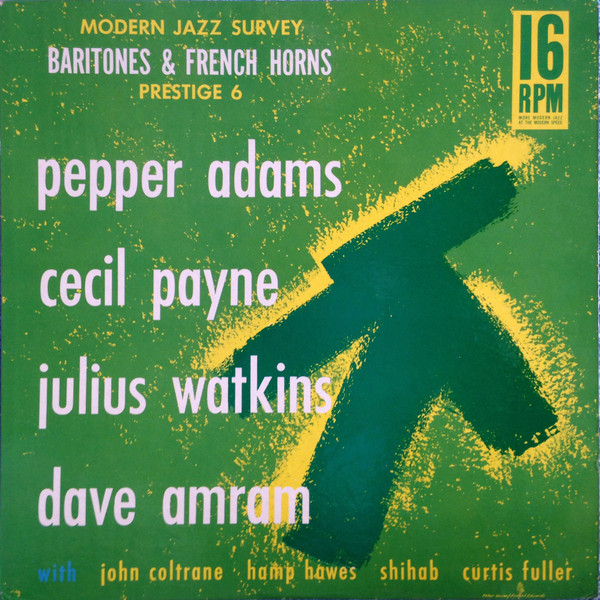
Pepper Adams, Cecil Payne, Julius Watkins, David Amram
1958 · Prestige

Wilbur Harden, John Coltrane, Tommy Flanagan, Doug Watkins, Louis Hayes
1958 · Savoy Records

Michel Legrand - Miles Davis
1959 · Philips

Tommy Flanagan, John Coltrane, Kenny Burrell, Idrees Sulieman
1959 · New Jazz
Thelonious Monk With John Coltrane
1961 · Jazzland
1960 · Giant Steps
In May 1959, Tommy Flanagan
— John Coltrane: His Life and Music, Lewis Porter, 1998
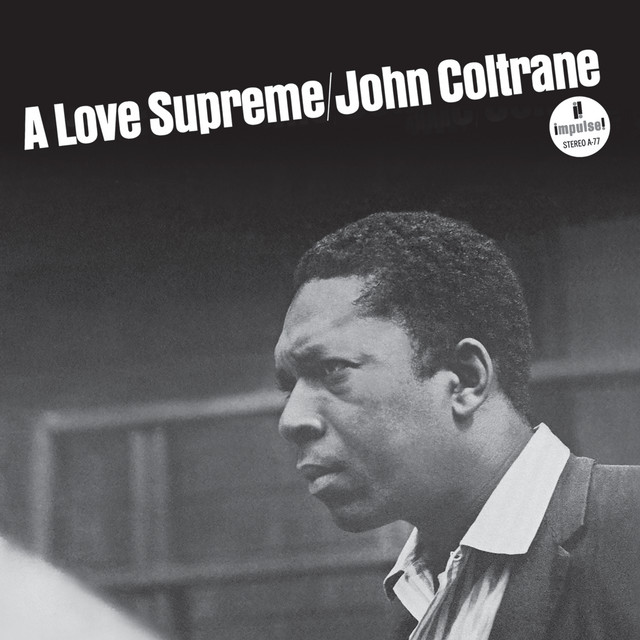
1965 · A Love Supreme
The four years of the Coltrane Classic Quartet (1961–65) represent one of the most concentrated periods of creation in jazz history. Elvin
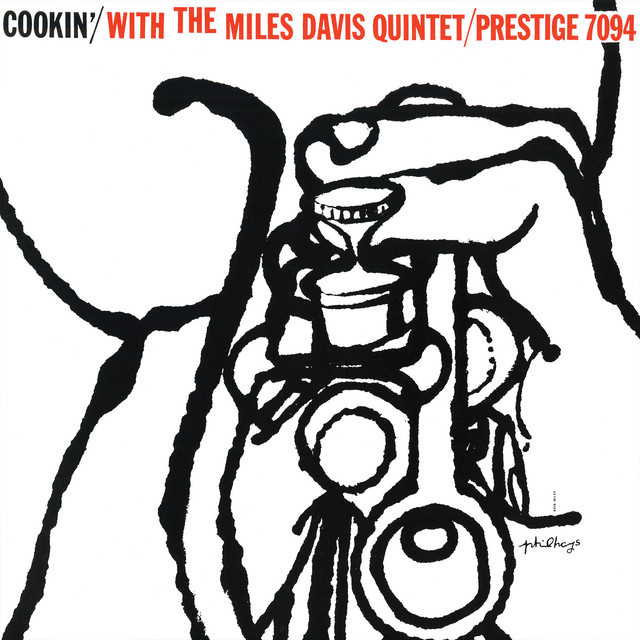
1957 · Cookin' with the Miles Davis Quintet
In two marathon sessions in May and October 1956, Miles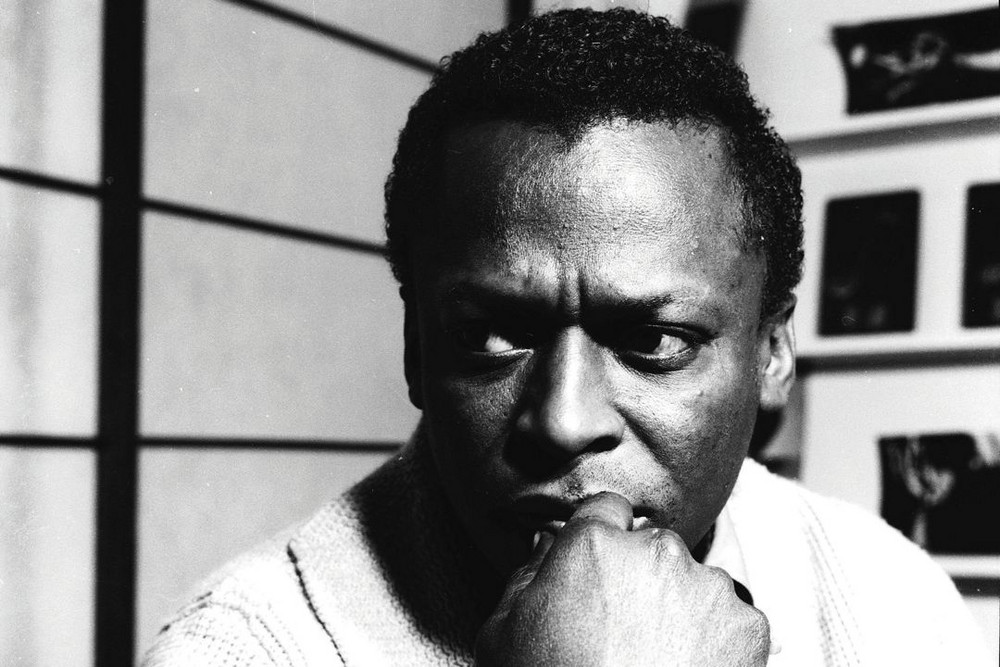
 — Kind of Blue: The Making of the Miles Davis Masterpiece, Ashley Kahn, 2000
1959 · Kind of Blue
Kind of Blue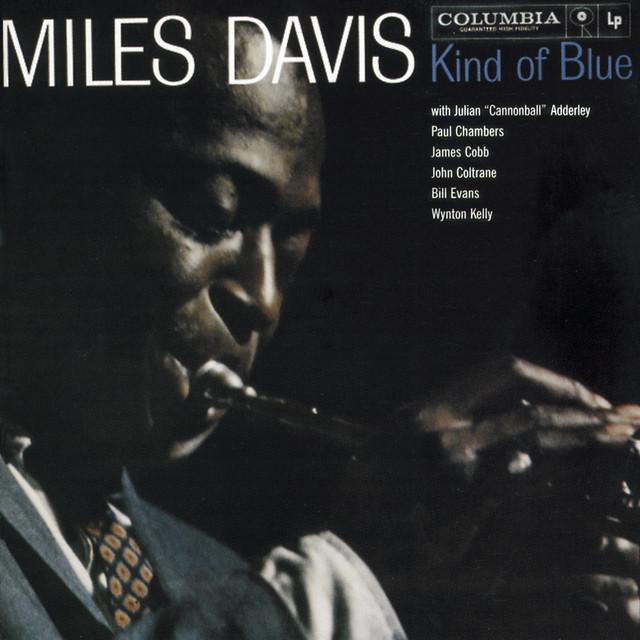
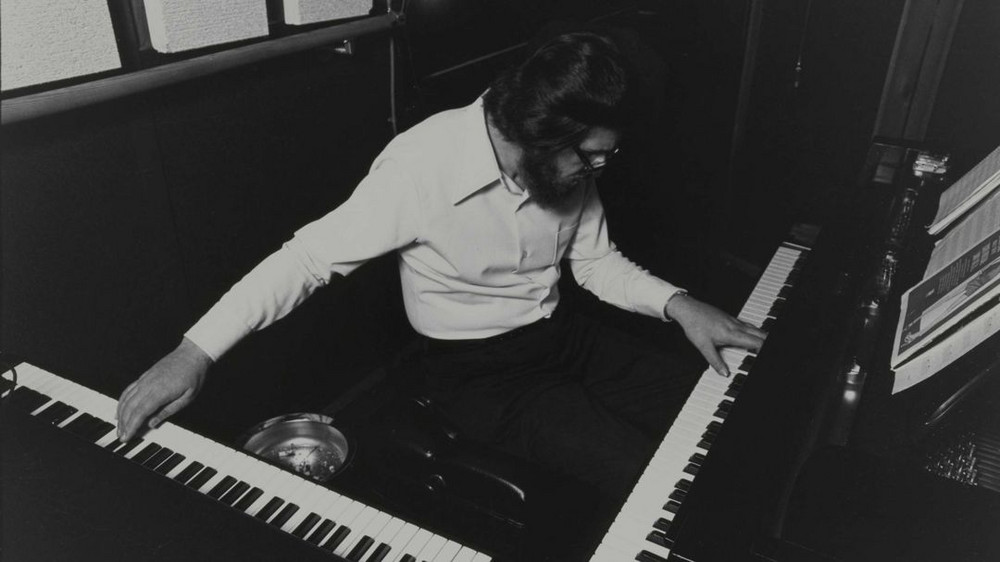
— Kind of Blue: The Making of the Miles Davis Masterpiece, Ashley Kahn, 2000
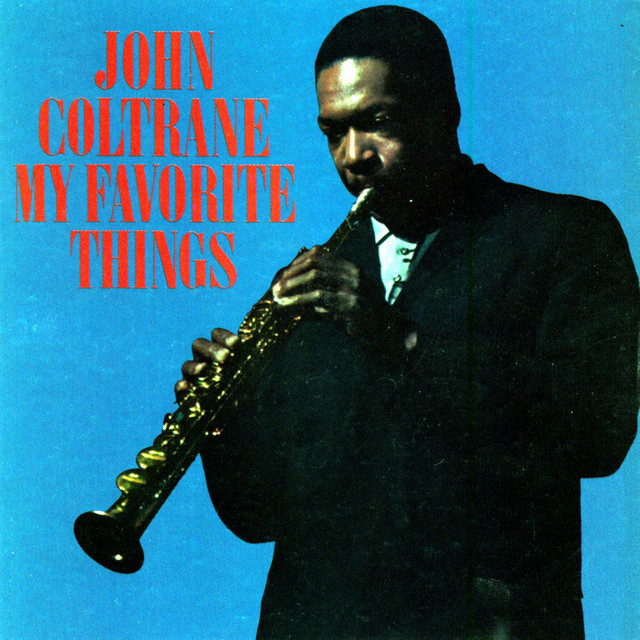
1961 · My Favorite Things
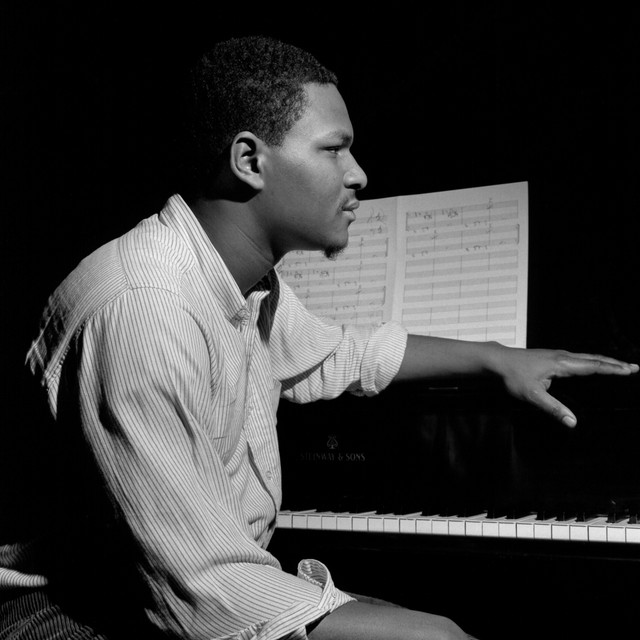
The pianist of Coltrane's celebrated quartet didn't leave over any lack of loyalty — he left over where the music was heading. As Coltrane pushed deeper into free jazz in 1965, Tyner walked, saying he simply didn't want to play that way. The irony is that he's right there on Ascension, the very record marking that turn.
— Statement stmt-mccoy-tyner-on-john-coltrane-3
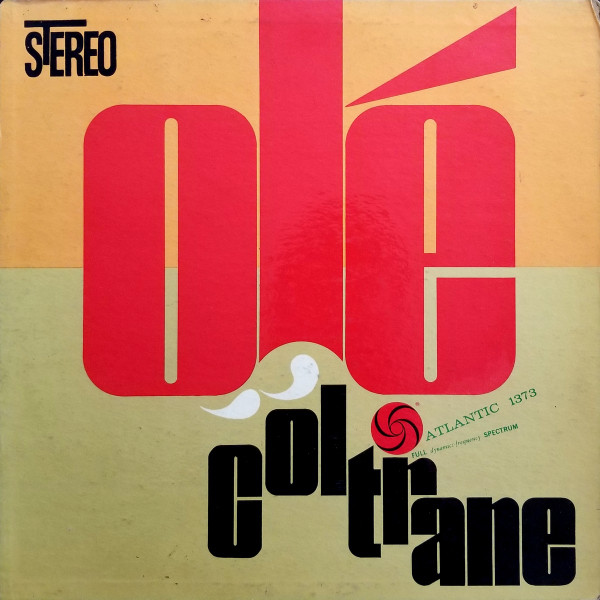
1961 · Olé Coltrane
McCoy Tyner recalled that what Coltrane wanted in a bassist wasn't someone who kept strict time, but someone free enough to hear the music and step away from its form. Jimmy Garrison fit that description, anchoring records like A Love Supreme.
— Statement stmt-mccoy-tyner-on-jimmy-garrison
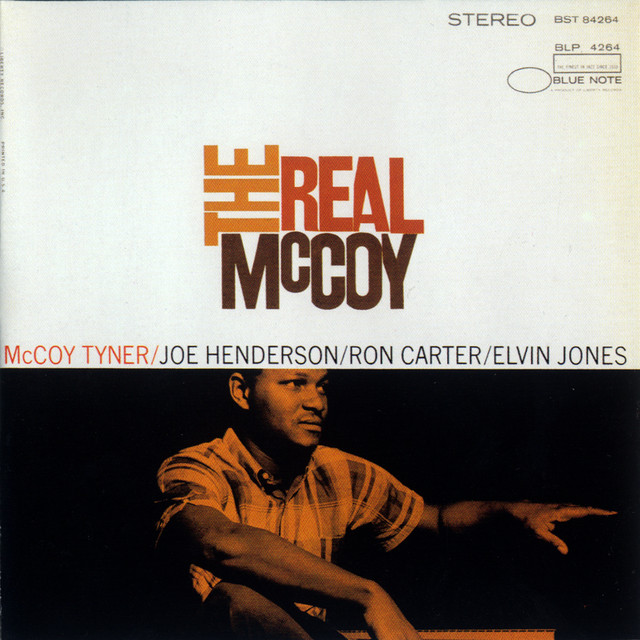
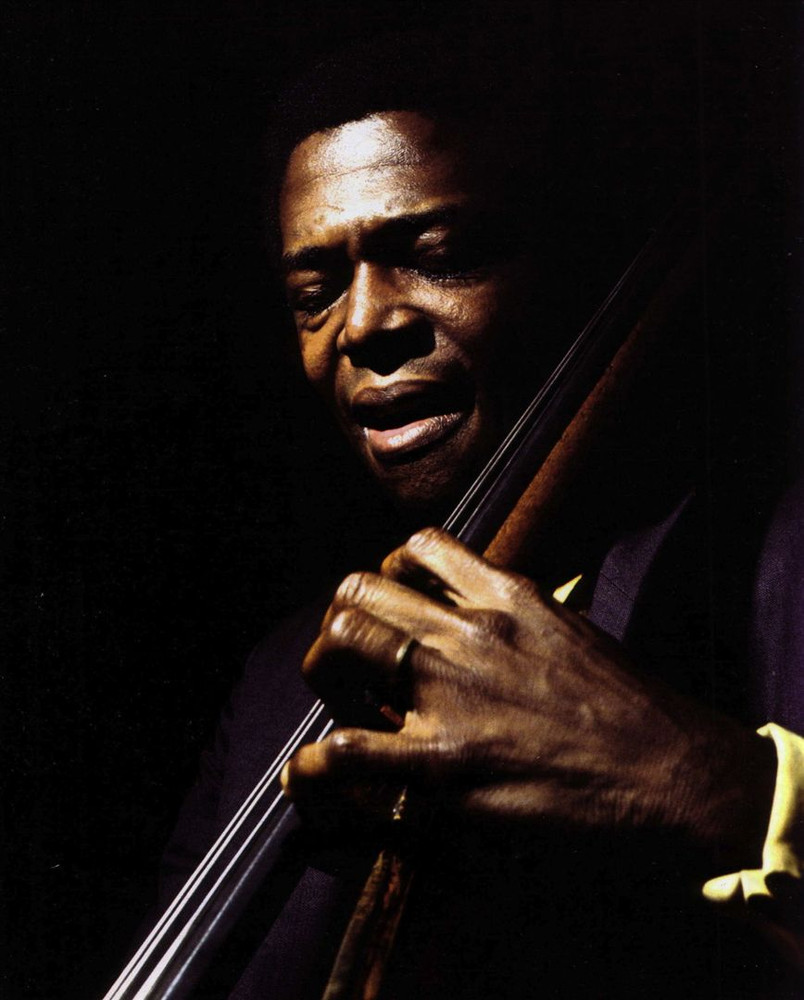 Jimmy Garrison
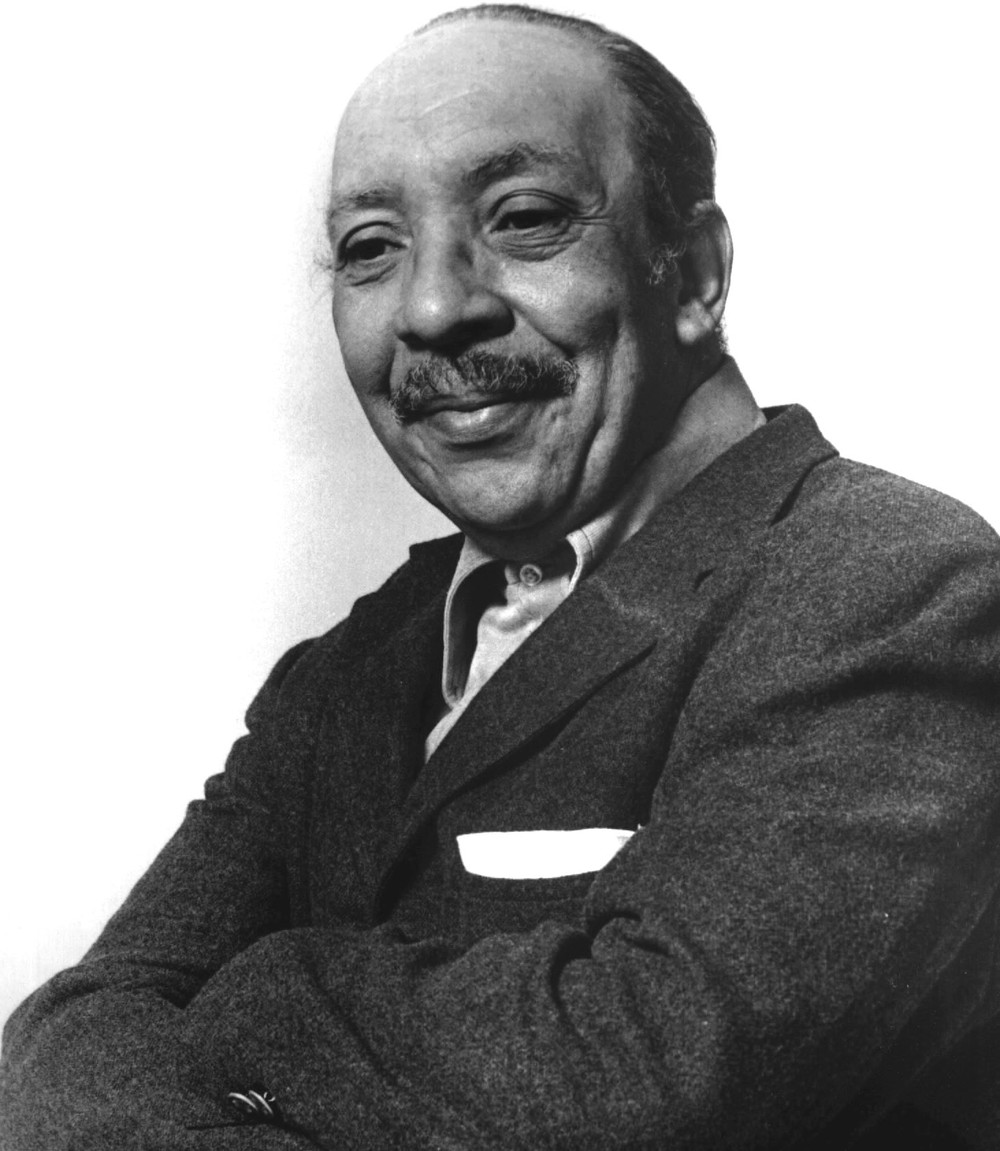 Red Garland
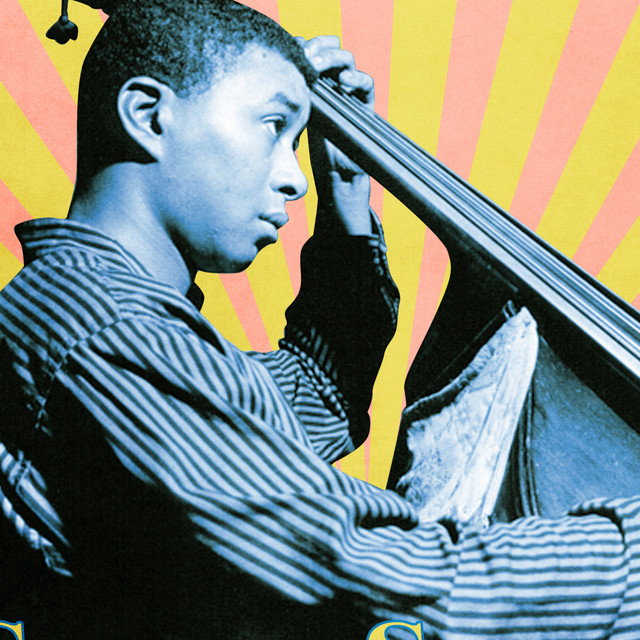 Paul Chambers
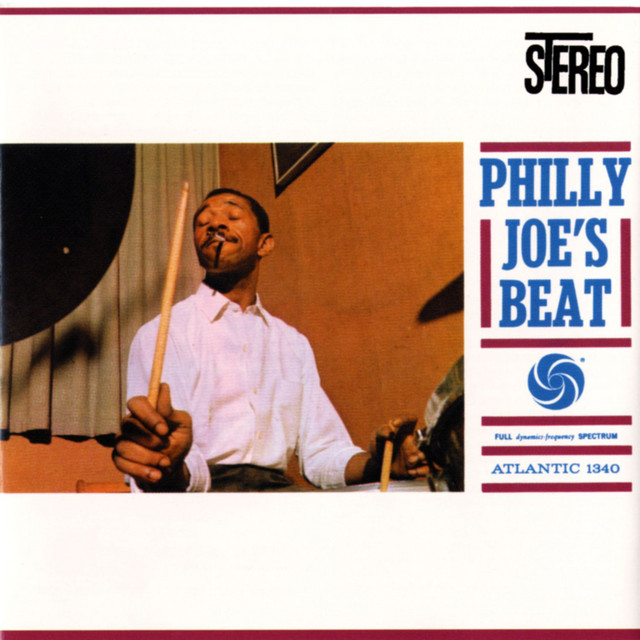 Philly Joe Jones
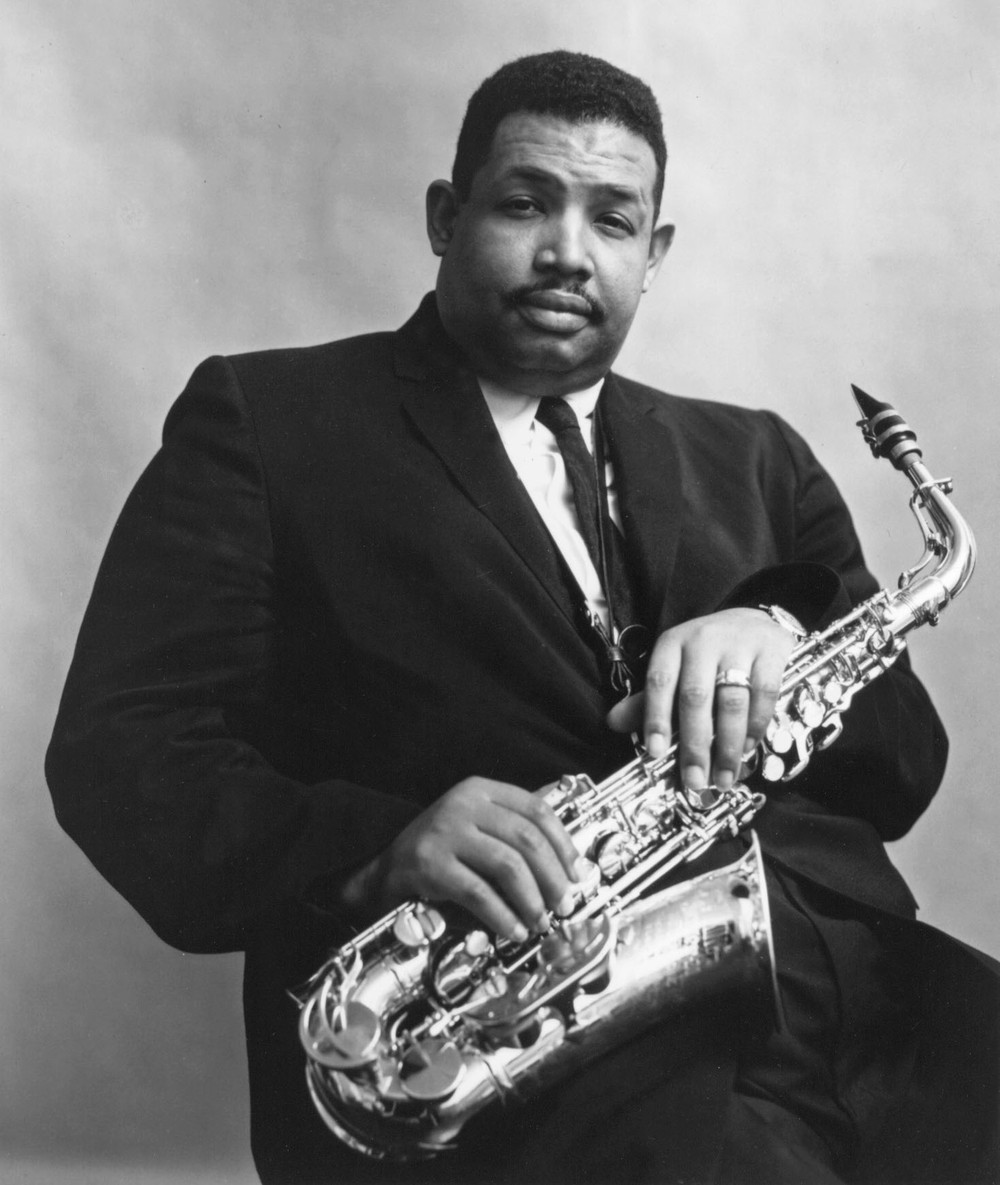 Cannonball Adderley