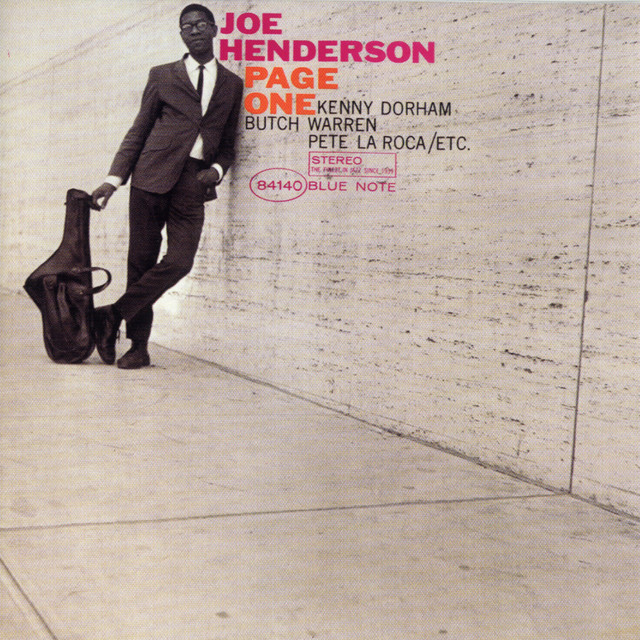
Page One
Joe Henderson · 1963 · Blue Note
Personnel
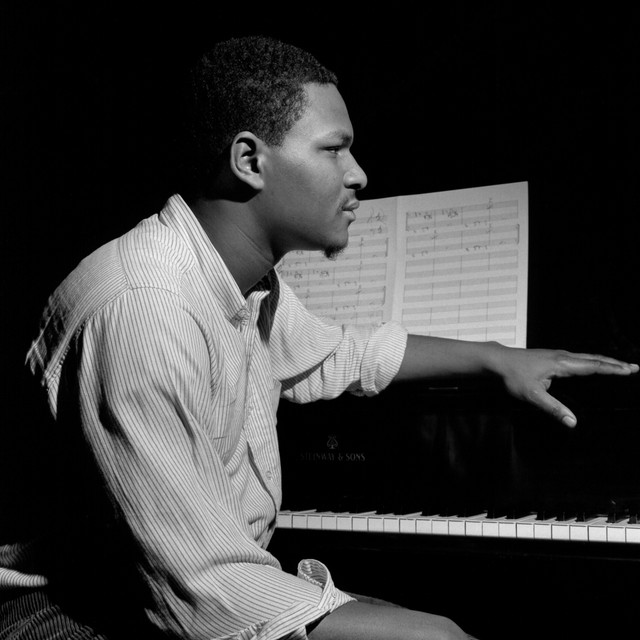
McCoy Tyner
played Piano on this album
Because of his Impulse! contract, Tyner's name could only appear as "etc." on the cover. Yet his playing provides the deep modal foundation of the album, giving Henderson and Dorham a rich harmonic landscape to converse within.
Pete LaRocacoming soon
played Drums on this album
Page One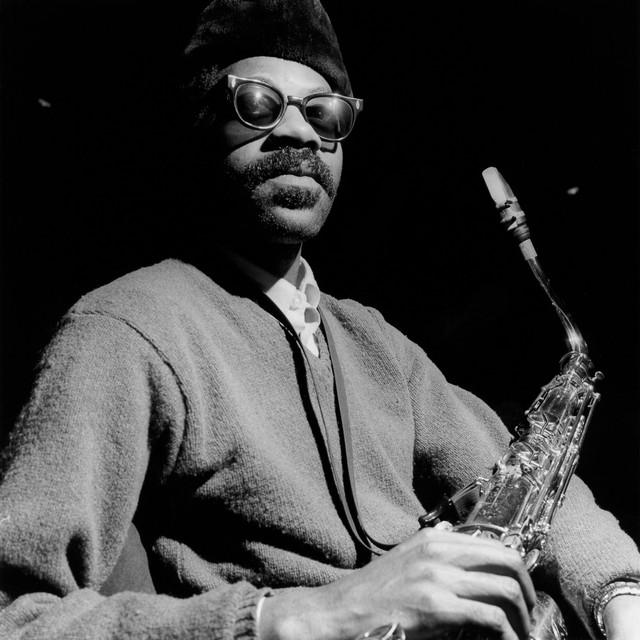
The Sidewinder (1964) is a Lee Morgan hard-bop date, yet its title track became an unexpected commercial hit on jukeboxes and the charts — a straight-ahead session that boosted Blue Note enough that imitation openers followed for years. Joe Henderson, known as a cerebral tenor, is at the center of it.
McCoy Tyner said of Joe Henderson, his front line on The Real McCoy (1967), that you could tell whose sound it was in one note. That same instantly identifiable tenor turns up in the credits of an R&B album in 1982, a long way from the Blue Note session.
Kenny Dorham died in 1972. Decades later, an unreleased Blue Note tape of his was unearthed and layered with a new rhythm section for the 2021 album Deciphering the Message, giving the performance its first release only after his death.
In 1962-63, Butch Warren was the house bassist behind landmark Blue Note sessions -- Joe Henderson's Page One, Herbie Hancock's Takin' Off among them. Within a few years he vanished from the jazz world entirely, living in obscurity back home in Washington, D.C., and was only rediscovered decades later, not long before his death in 2013.
Around 1963