

1975 · Eastern Rebellion
The 1961 album Mosaic is filed under Art Blakey's name, but the title tune was written by the pianist, Cedar Walton. The record everyone remembers as the bandleader's takes its name from the small print.
3 albums as leader and 19 as sideman (1959–2021), each listed chronologically.
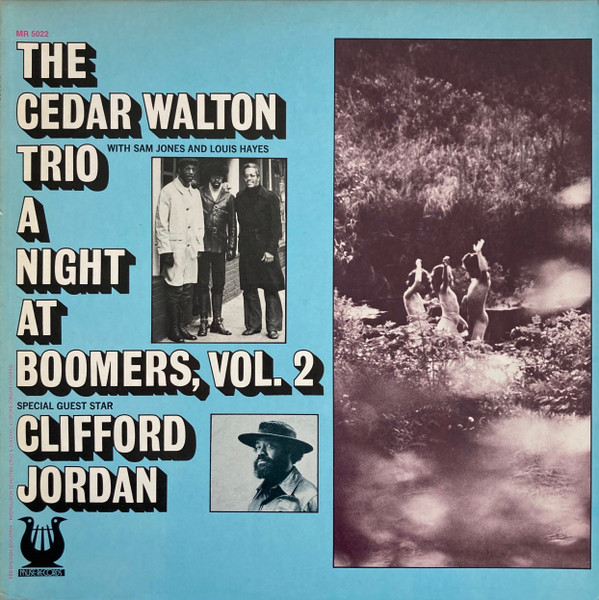
Cedar Walton Trio Special Guest Star Clifford Jordan
1974 · Muse Records
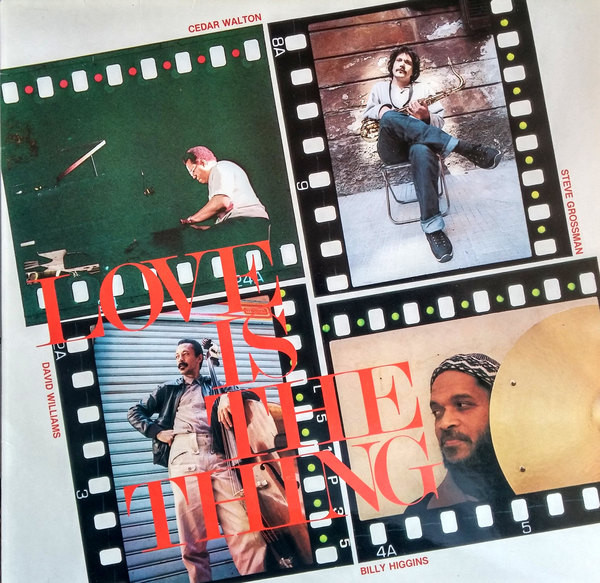
Steve Grossman, Cedar Walton, David Williams, Billy Higgins
1986 · Red Record
Essence All Stars, The
1995 · Hip Bop Essence
Kenny Burrell, Ron Carter, Tim Hagans, Craig Handy, Cedar Walton, Lenny White
1995 · Hip Bop Essence
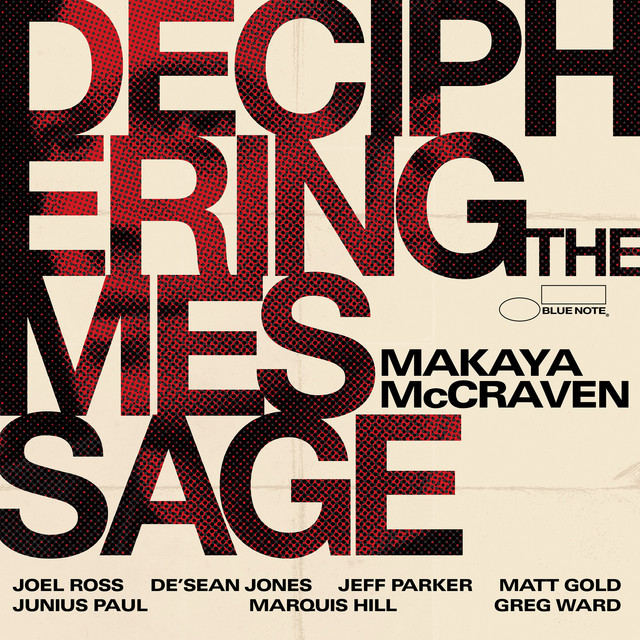
1975 · Eastern Rebellion
The 1961 album Mosaic is filed under Art Blakey's name, but the title tune was written by the pianist, Cedar Walton. The record everyone remembers as the bandleader's takes its name from the small print.
1961 · Mosaic
Cedar Walton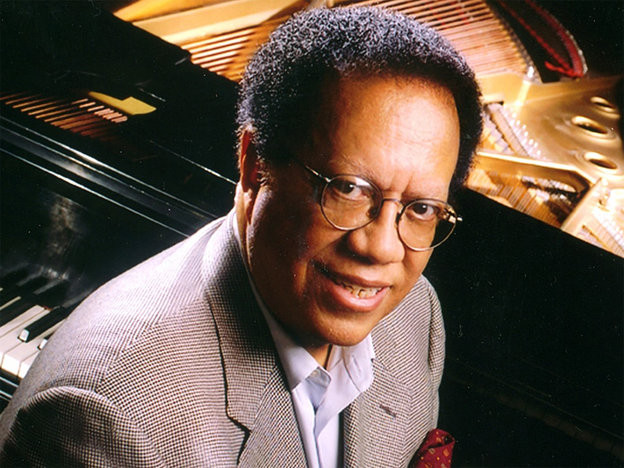
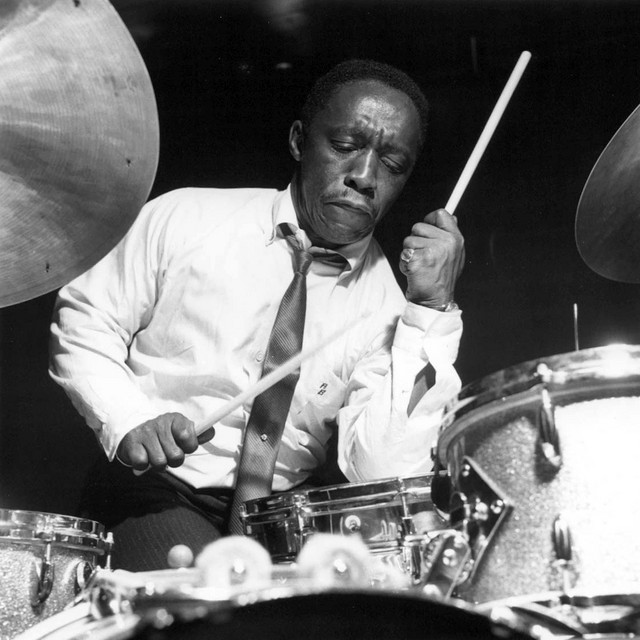
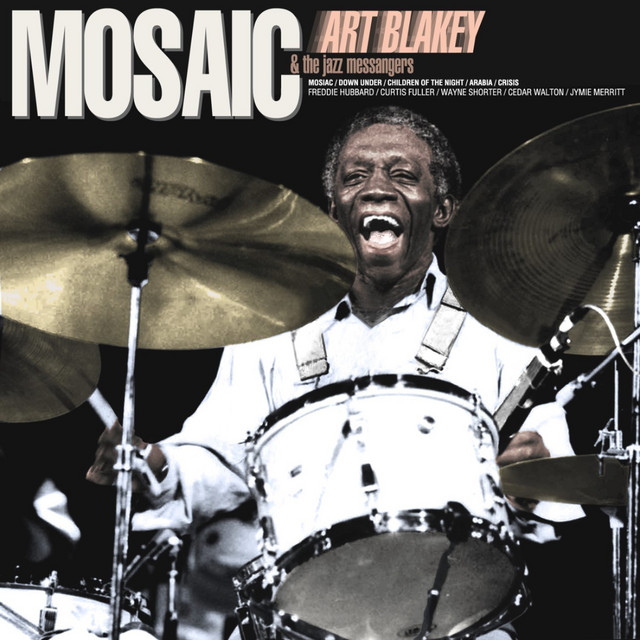
 — Art Blakey: Jazz Messenger, Leslie Gourse, 2002
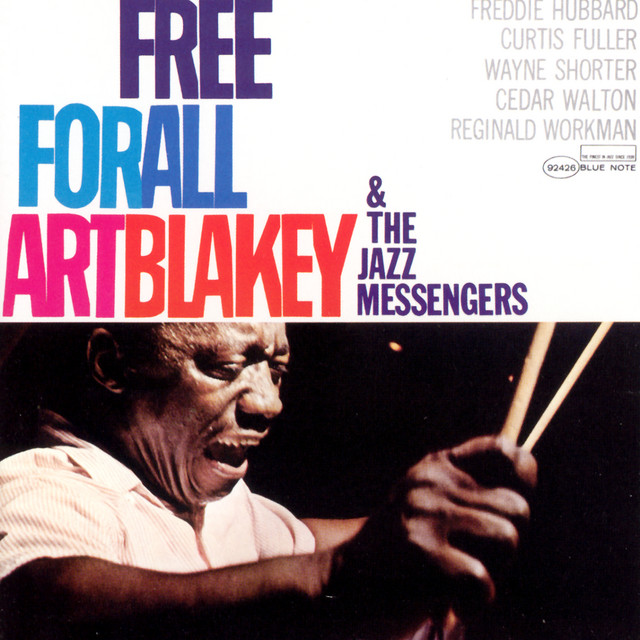
1964 · Free for All
In 1961, pianist Cedar Walton brought his new composition "Mosaic" to a rehearsal with Art Blakey's Jazz Messengers. He later said the horn players—Freddie Hubbard, Curtis Fuller, and Wayne Shorter—devoured the tune "like eating cornflakes," playing it better than he could himself.
— Statement stmt-cedar-walton-on-freddie-hubbard
1966 · Mode for Joe
The title track of Mode for Joe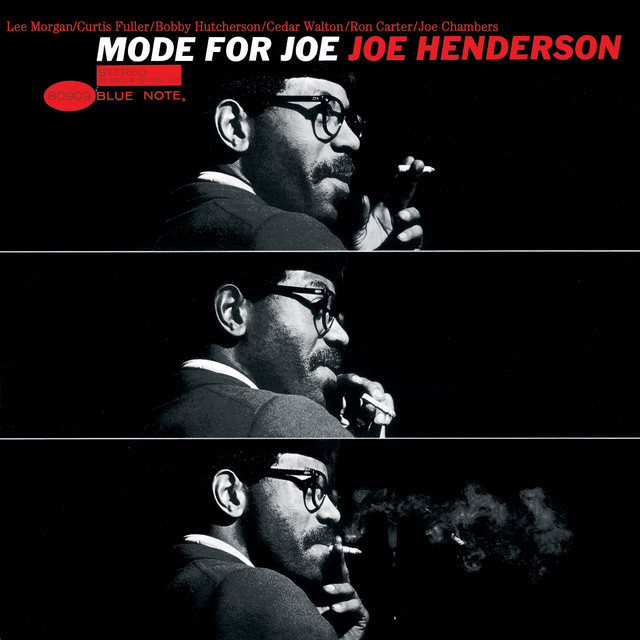
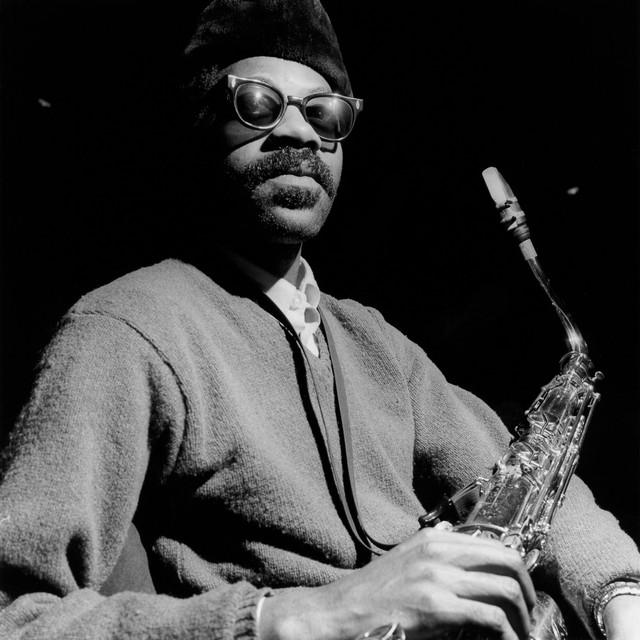
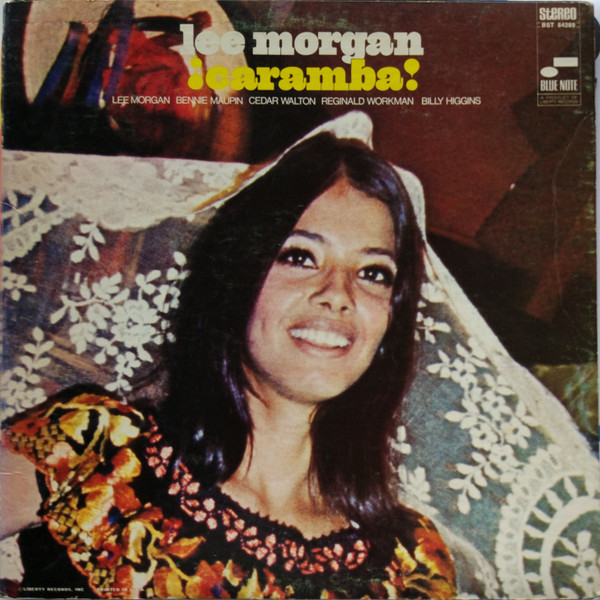
1968 · Caramba and 2 more
Cedar Walton's longtime drummer Billy Higgins is a name in the small print of countless records. But in Leimert Park, Los Angeles, he built a place called The World Stage, gathering and encouraging young musicians. He was never only a player.
— Statement stmt-cedar-walton-on-billy-higgins-2
1975 · Mobius
Frank Foster joined Count Basie's saxophone section in 1953, and he also wrote for the band; his 1955 chart "Shiny Stockings" stayed in the book for decades. The tenor player sitting in the section on April In Paris (1957) and Count Basie At Newport (1957) ended up leading the orchestra himself in 1986, two years after Basie died.
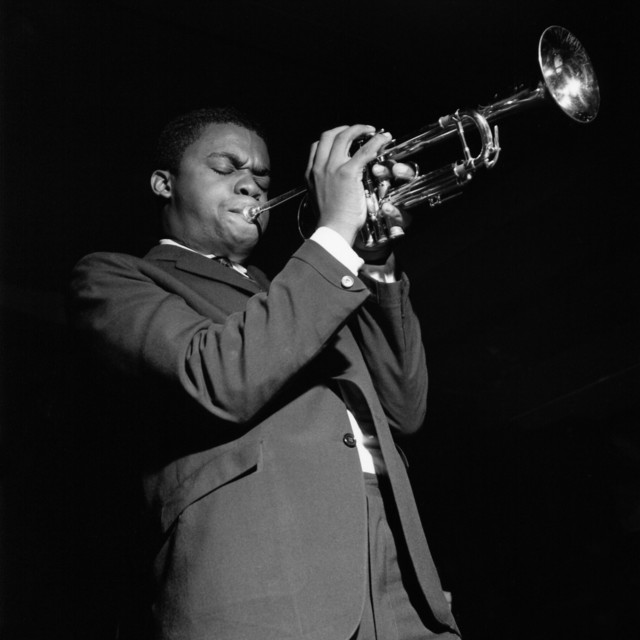 Freddie Hubbard
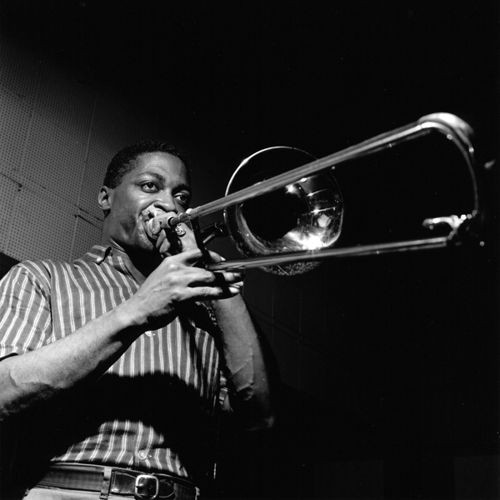 Curtis Fuller
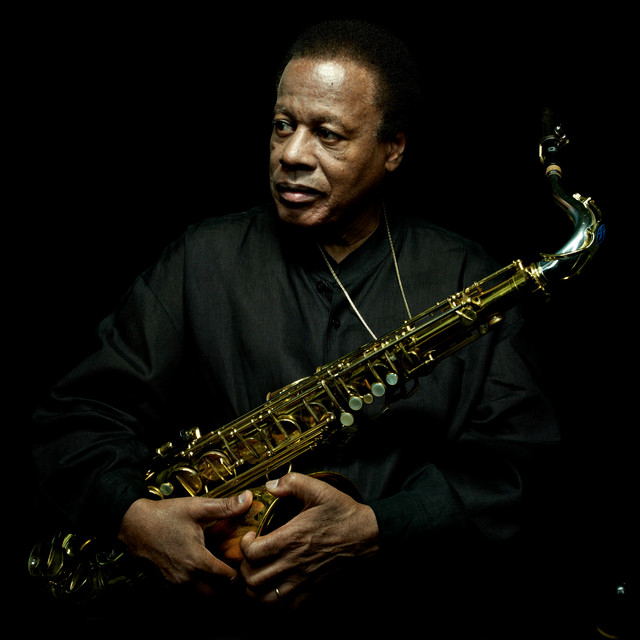 Wayne Shorter