

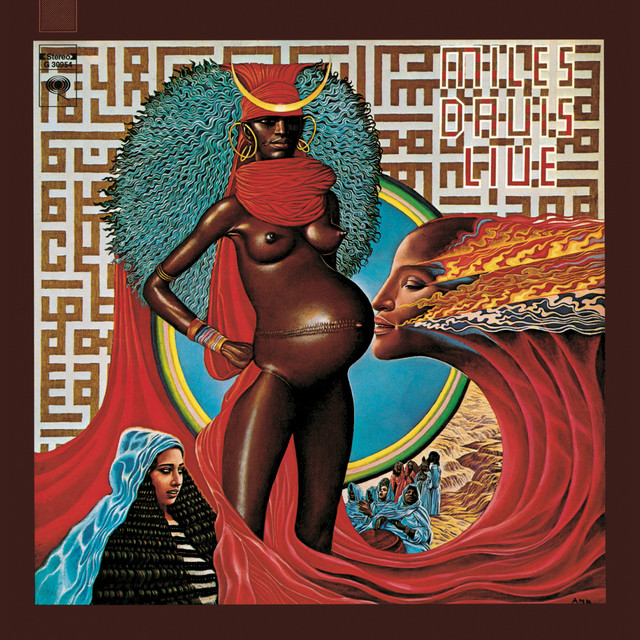






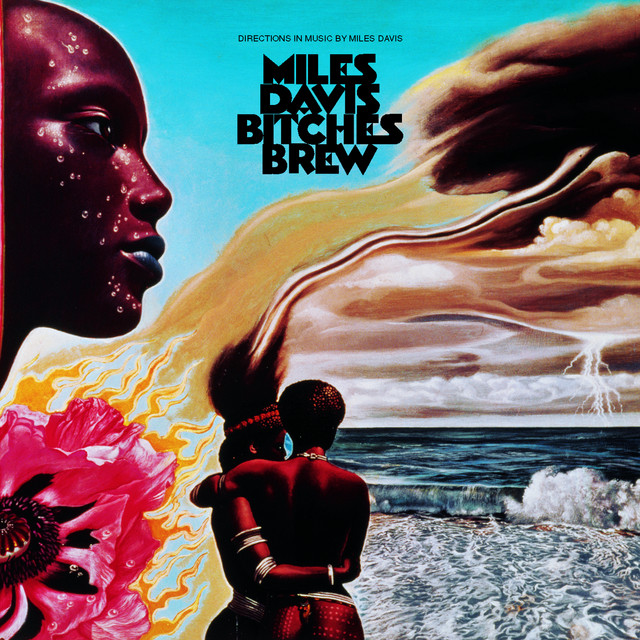
1970 · Bitches Brew
Brazilian percussionist Airto Moreira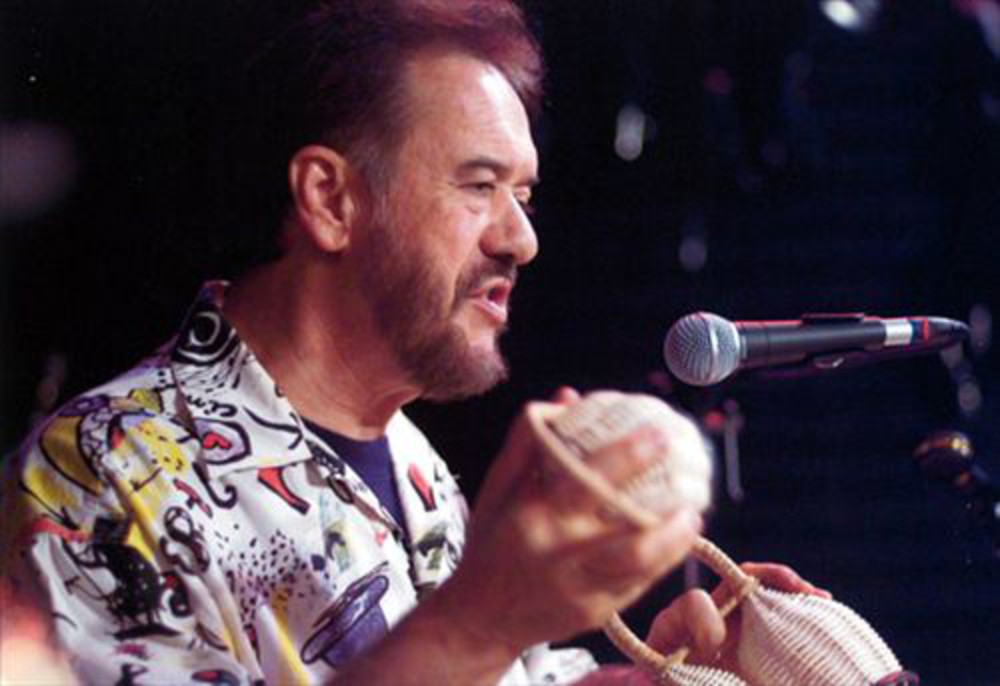
 — Miles: The Autobiography, Miles Davis, 1989
3 albums as leader and 18 as sideman (1970–1996), each listed chronologically.
1970 · Bitches Brew
Brazilian percussionist Airto Moreira
— Miles: The Autobiography, Miles Davis, 1989
1971 · Live-Evil and 1 more
Chick Corea started from a single wish: to have Stanley Clarke — then a young, unknown bassist — play his tunes. After trying several drummers he ended up with percussionist Airto Moreira, and the lineup that fell together almost by accident became the first Return to Forever (1972), the record that launched Clarke.
— Statement stmt-chick-corea-on-stanley-clarke
1972 · Return to Forever
In February 1972 Airto Moreira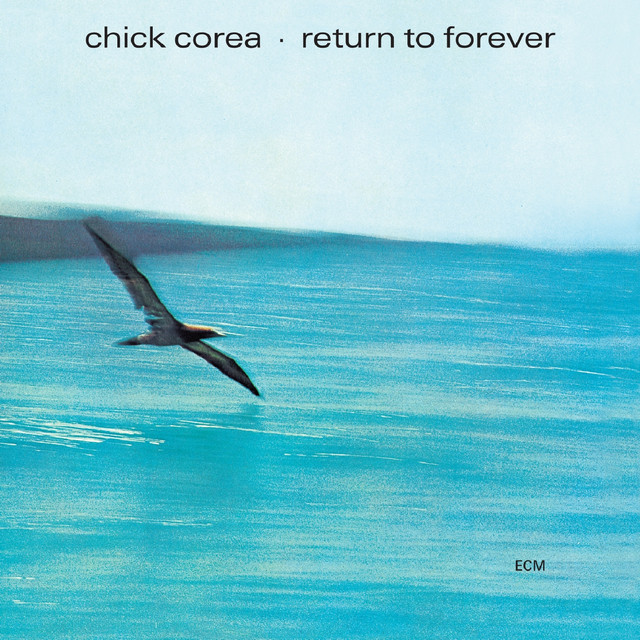
1976 · Black Market
In 1970, Airto Moreira laid down polyrhythmic percussion on Miles Davis's fusion landmark Bitches Brew — and that same year turned up on one of the era's gentlest folk-pop albums, built on little more than acoustic guitar and voice.
1989 · Struck By Lightning
The call came not from Herbie himself but from Tony Williams: Miles Davis wanted Chick Corea in Baltimore in 1968 because Herbie Hancock couldn't make the date. Corea's seat at the piano began as a one-night fill-in — and became the core of Miles's electric period.
— Statement stmt-chick-corea-on-miles-davis-2
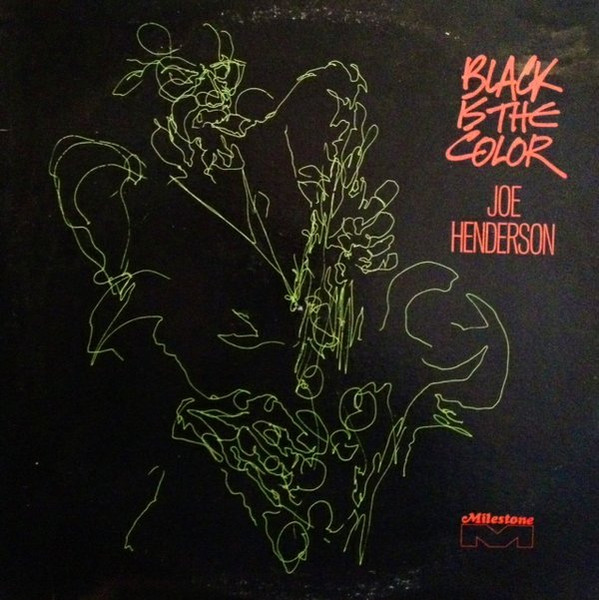
1972 · Black Is The Color
Joe Henderson is remembered as a master tenor and composer. Yet bassist Ron Carter says he never once turned up with enough material — always two songs, ten minutes short — and would ask the band to compose on the spot: 'We're making an LP here, come on, Joe.'
— Statement stmt-ron-carter-on-joe-henderson
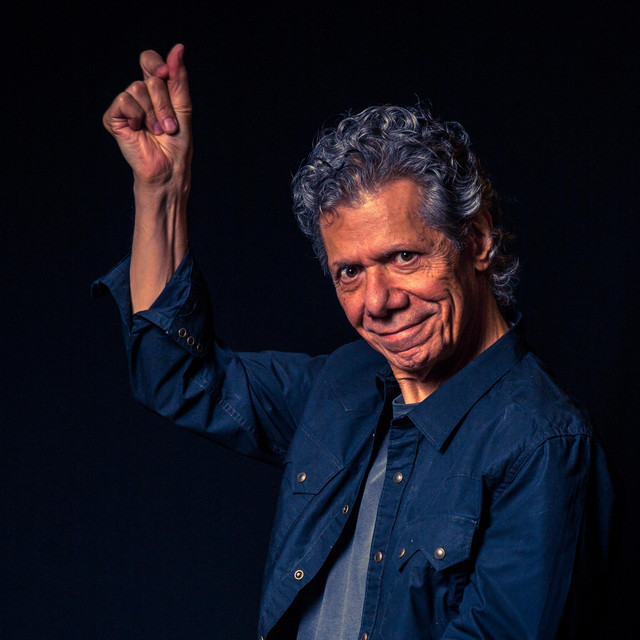 Chick Corea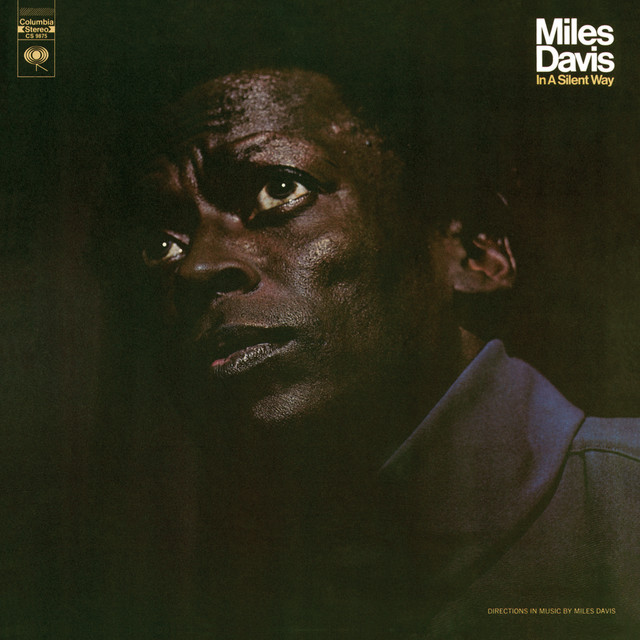
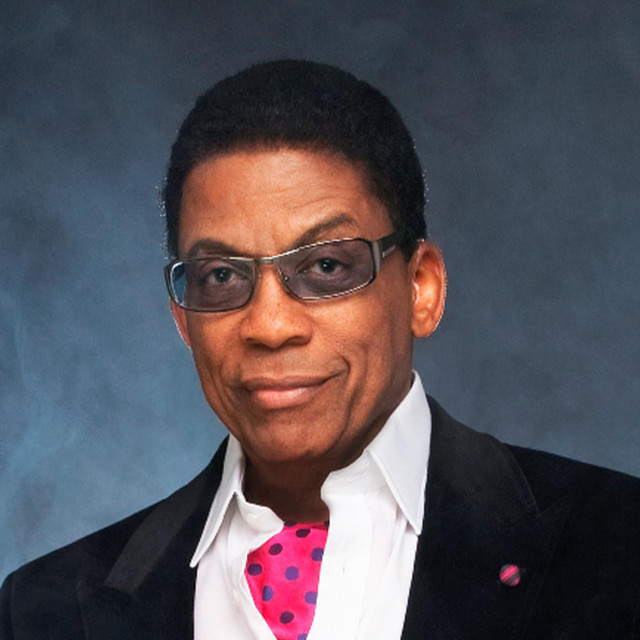 Herbie Hancock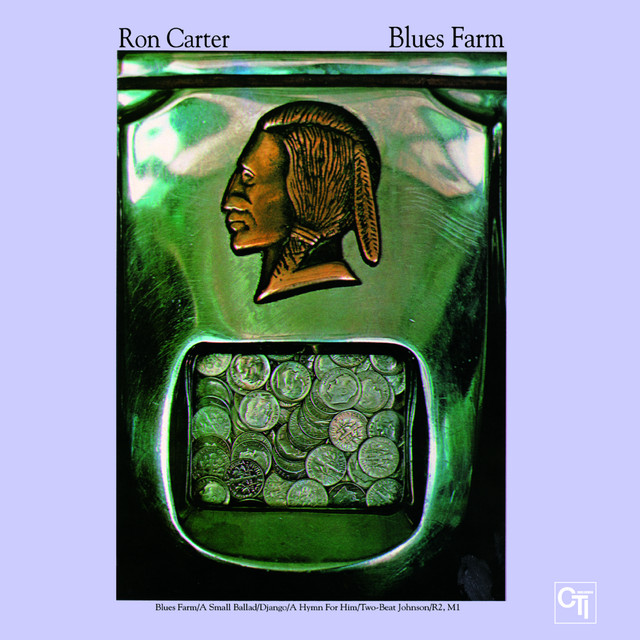
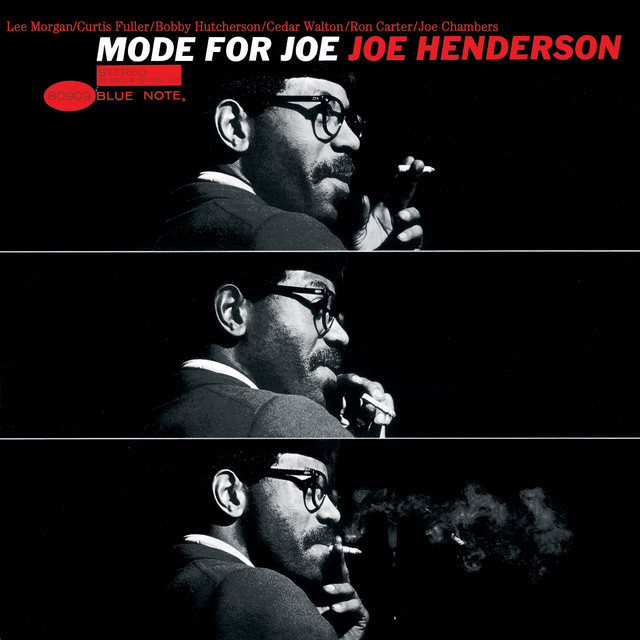
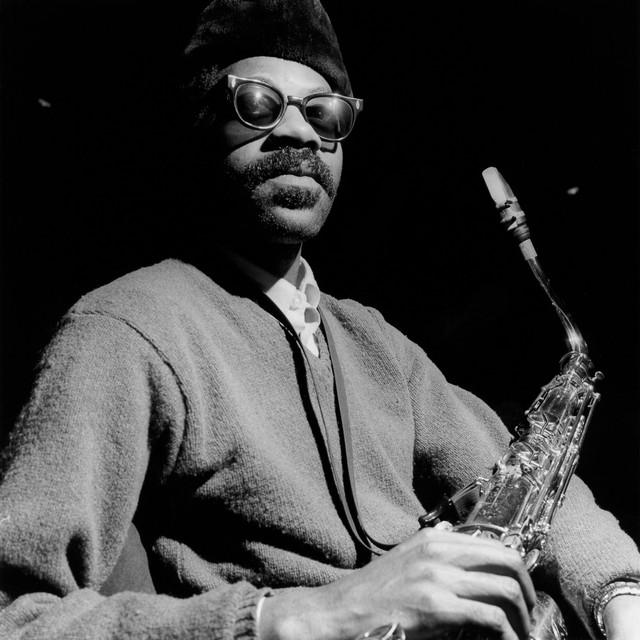 Joe Henderson
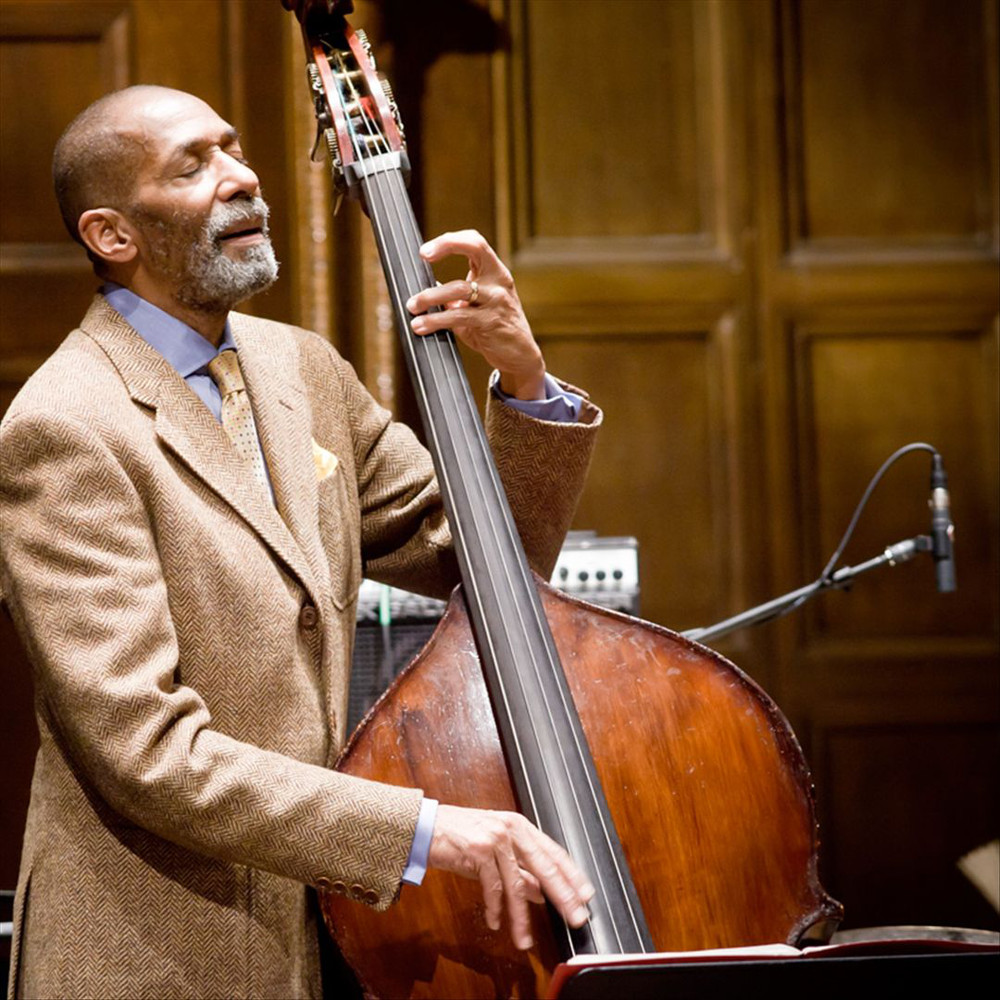 Ron Carter