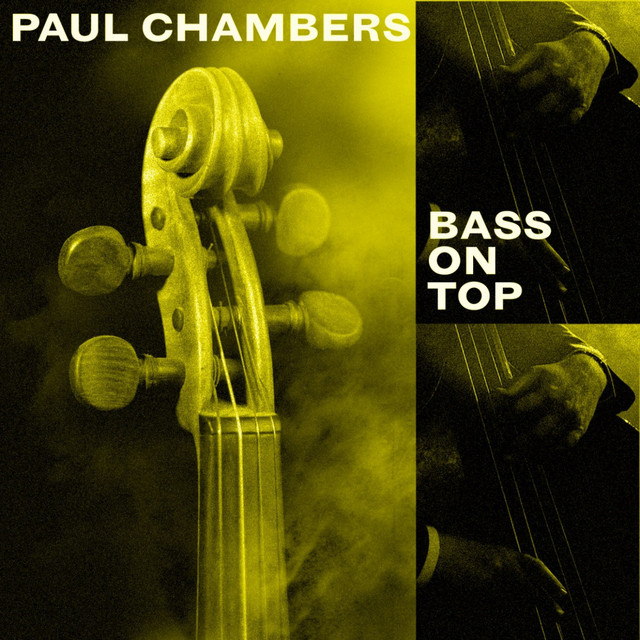
Bass on Top
Paul Chambers · 1957 · Blue Note
Personnel
Paul Chambers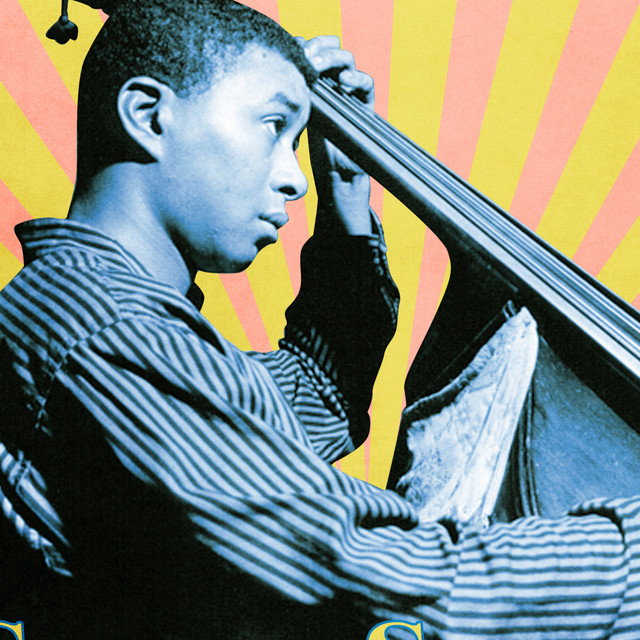
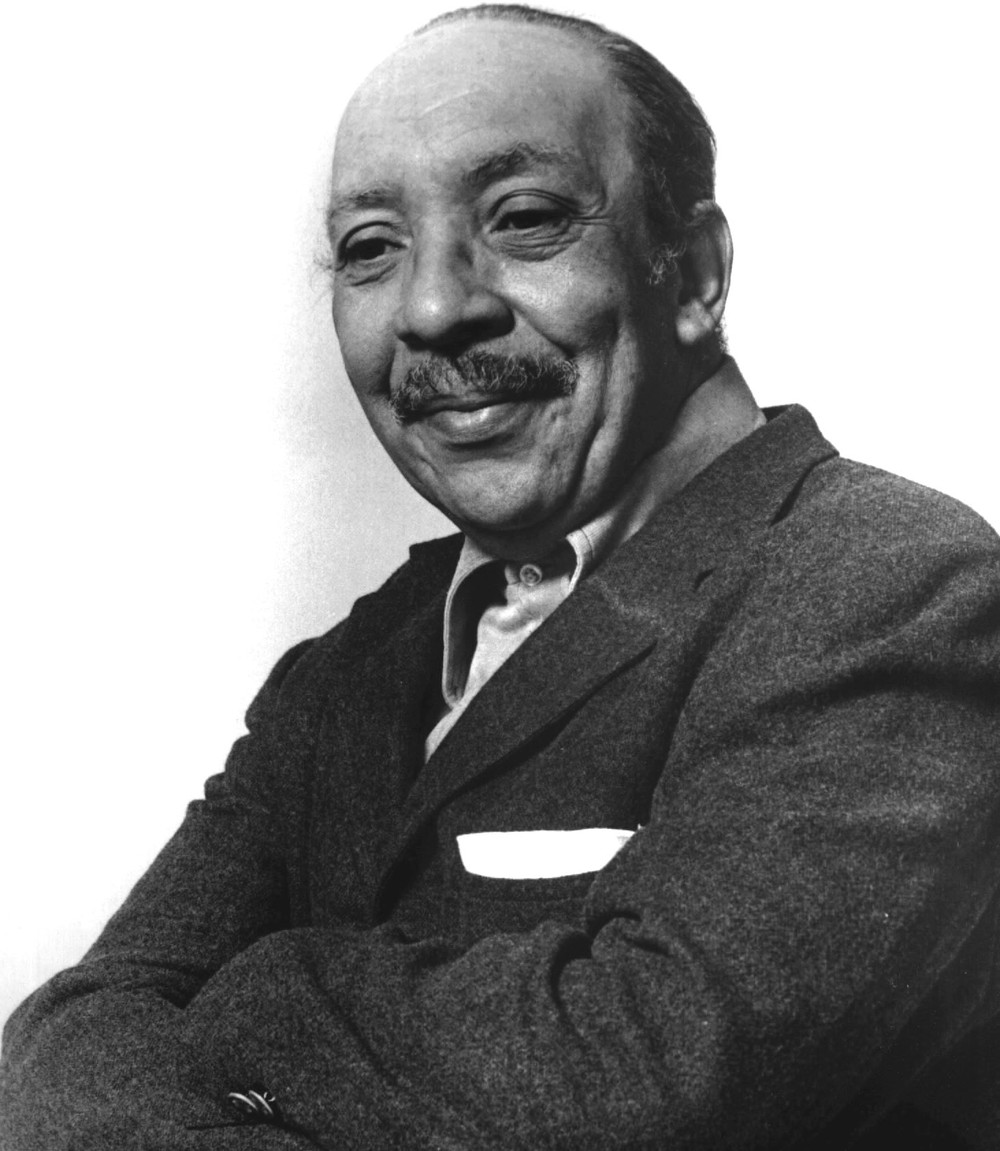

Art Taylor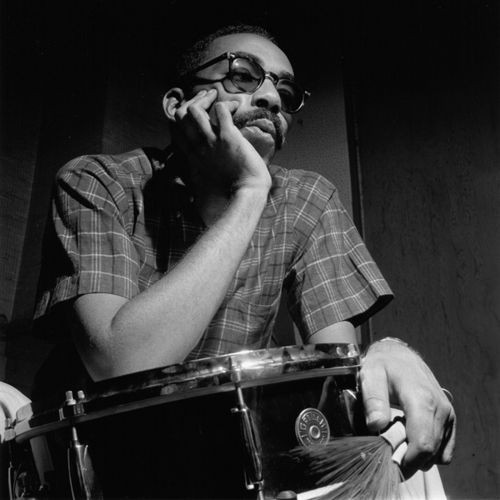
Paul Chambers's name is stamped on a mountain of hard-bop sessions, the immovable anchor of the music. Yet when Kenny Burrell chose him for his 1956 debut as a leader, the reason was almost anticlimactic: "Paul was my student." In Detroit, the definitive bass had been the guitarist's pupil.
Kenny Burrell cut his guitar parts on Blue Note sessions across the 1950s and 60s. Decades later those same master tapes were chopped up and rebuilt into 2021's Deciphering the Message, crediting him on a brand-new record he never actually played a note for.
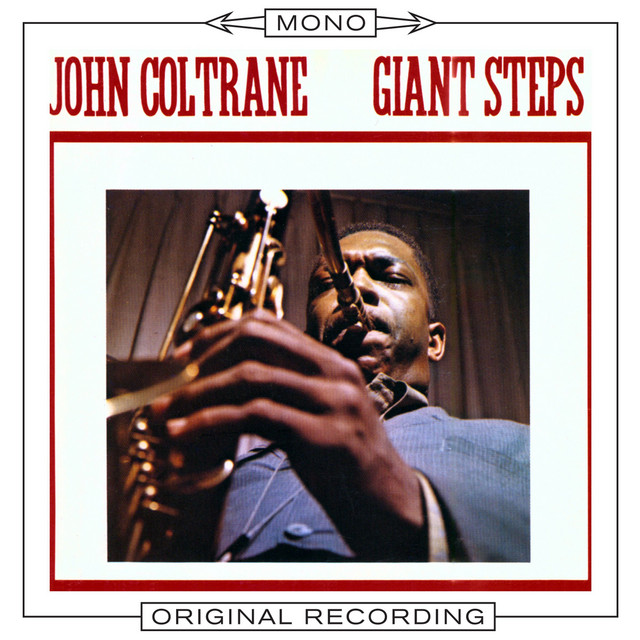
In 1959, John Coltrane's first attempt at recording Giant Steps didn't produce a finished album, so he re-recorded most of it weeks later with a different lineup. The drummer everyone now associates with the record, Art Taylor, wasn't part of that first session.
Somethin' Else (1958) carries Cannonball Adderley's name, and it is one of the few dates where Miles Davis shows up as a sideman. The piano chair went not to anyone from Miles's own band but to Hank Jones, then largely a studio hand.
Around 1957