Library —

James Spaulding

1 album as leader and 5 as sideman (1962–2021), each listed chronologically.

As Leader · 1

As Sideman · 5

Notes on these albums · 4

1962 · Hub-Tones

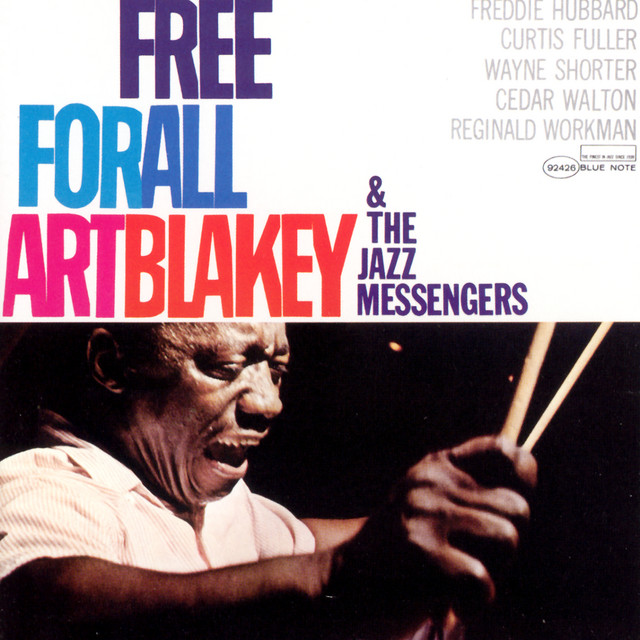
Free for All
Free for All
Art Blakey · 1964
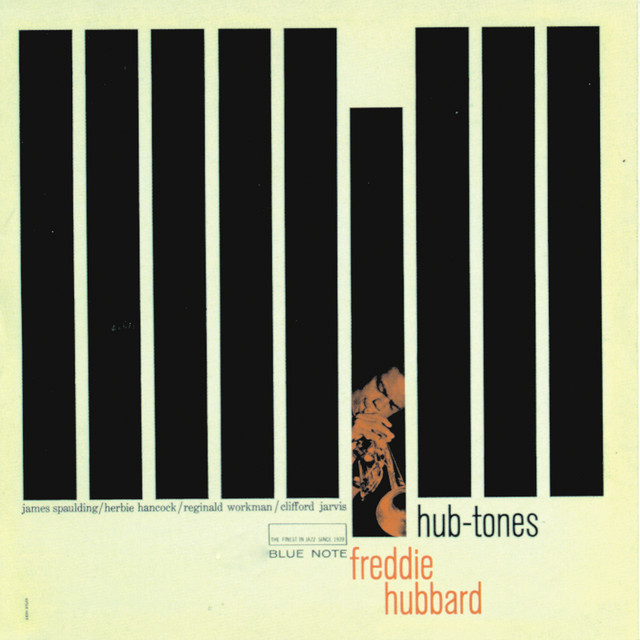
Hub-Tones
Hub-Tones
Freddie Hubbard · 1962

Reggie WorkmanReggie WorkmanReggie Workmanレジー・ワークマン was one of John ColtraneJohn ColtraneJohn Coltraneジョン・コルトレーン's bassists in the early 1961 sessions before Jimmy GarrisonJimmy GarrisonJimmy Garrisonジミー・ギャリソン became the permanent member. He continued recording with Wayne ShorterWayne ShorterWayne Shorterウェイン・ショーター and Art BlakeyArt BlakeyArt Blakeyアート・ブレイキー, remaining at the forefront of the avant-garde. On Hub-TonesHub-TonesHub-TonesFreddie Hubbard · 1962 he appeared alongside a young Herbie HancockHerbie HancockHerbie Hancockハービー・ハンコック.

Go to Hub-Tones

1966 · Drums Unlimited

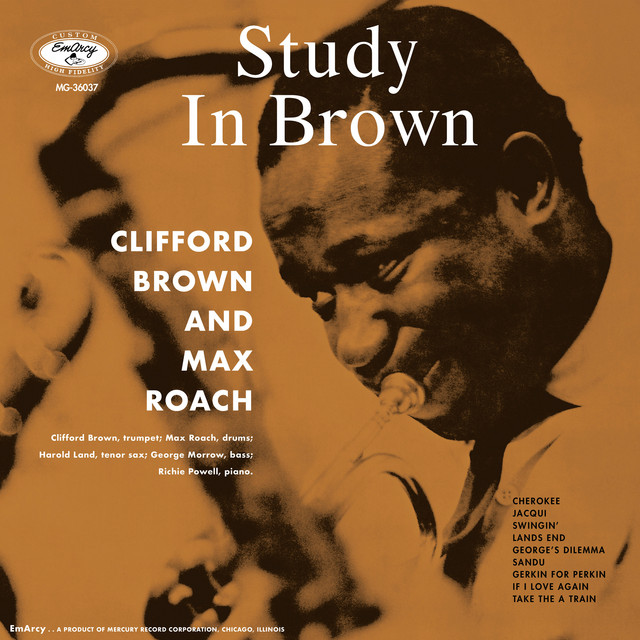
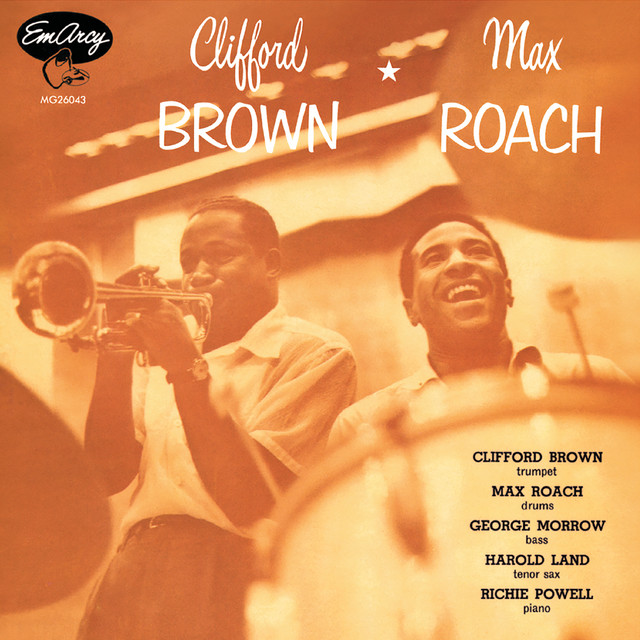
Clifford Brown and Max Roach
Clifford Brown & Max Roach Quintet · 1954
Study in Brown
Study in Brown
Clifford Brown · 1955
Drums Unlimited
Drums Unlimited
Max Roach · 1966
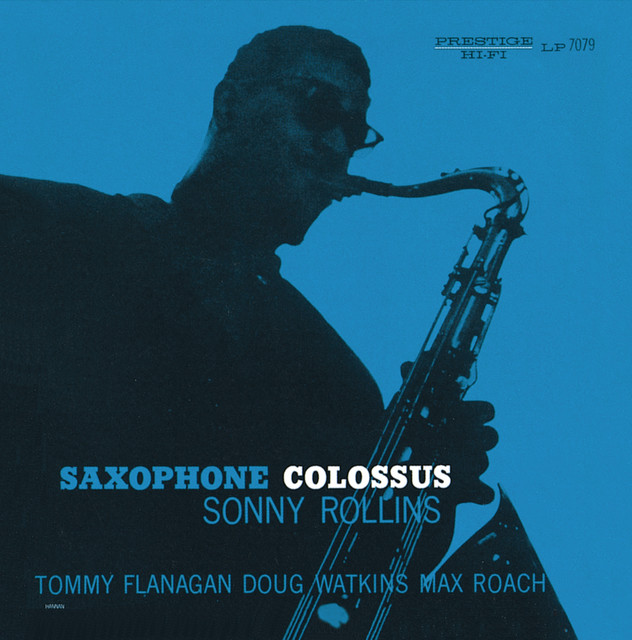
Saxophone Colossus
Saxophone Colossus
Sonny Rollins · 1956

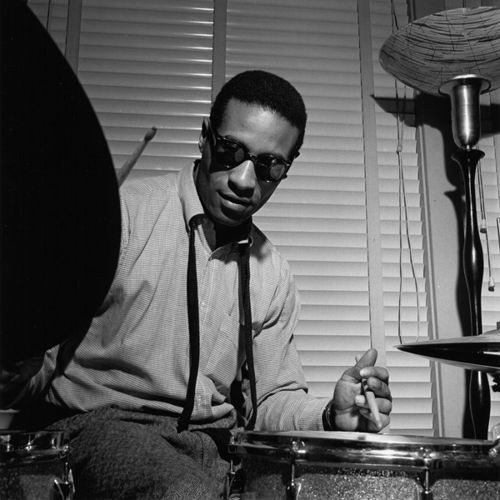
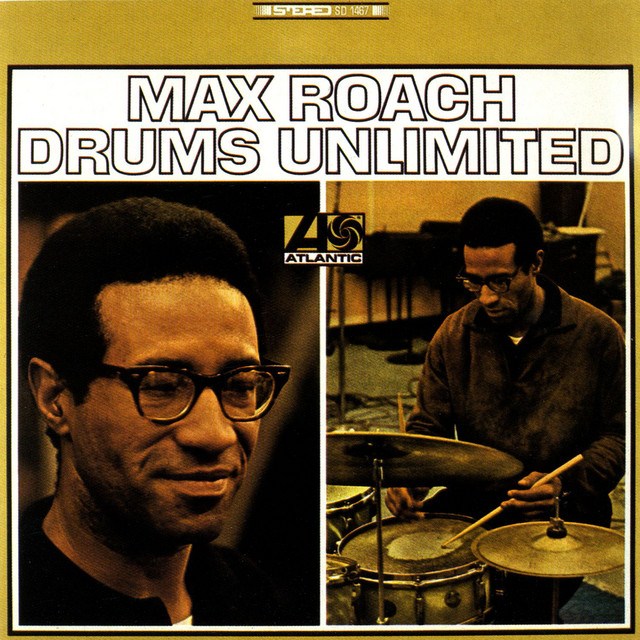
The assumption that drums exist only to keep time behind other instruments is upended on Max Roach's 1966 album Drums Unlimited, which pairs full quintet tracks with pieces built entirely from unaccompanied drum solos — an unusual move for a mainstream jazz label at the time.

Go to Drums Unlimited

1968 · Tender Moments

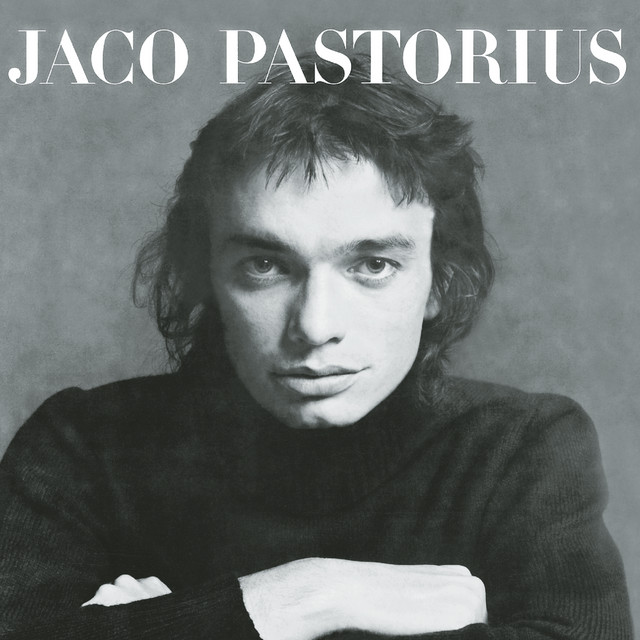
Jaco Pastorius
Jaco Pastorius
Jaco Pastorius · 1976
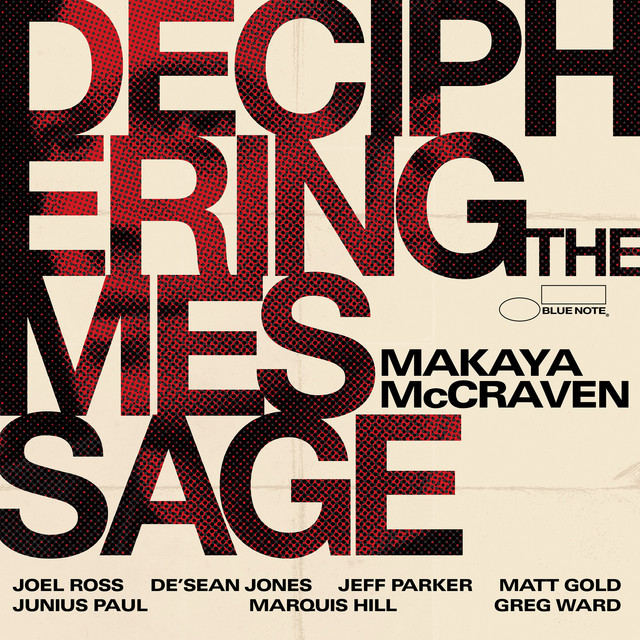
Deciphering the Message
Makaya McCraven · 2021
Word of Mouth
Word of Mouth
Jaco Pastorius · 1981
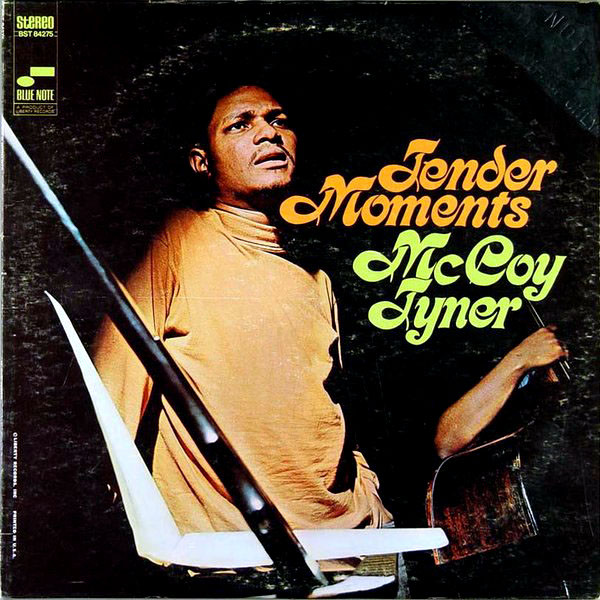
Tender Moments
Tender Moments
McCoy Tyner · 1968

Howard Johnson, jazz's foremost tuba specialist, is credited on Jaco Pastorius's self-titled 1976 debut — the album that redefined what the electric bass could do. He plays a marching-band instrument that has almost no other place in fusion.

Go to Tender Moments

2021 · Deciphering the Message

Deciphering the Message
Makaya McCraven · 2021
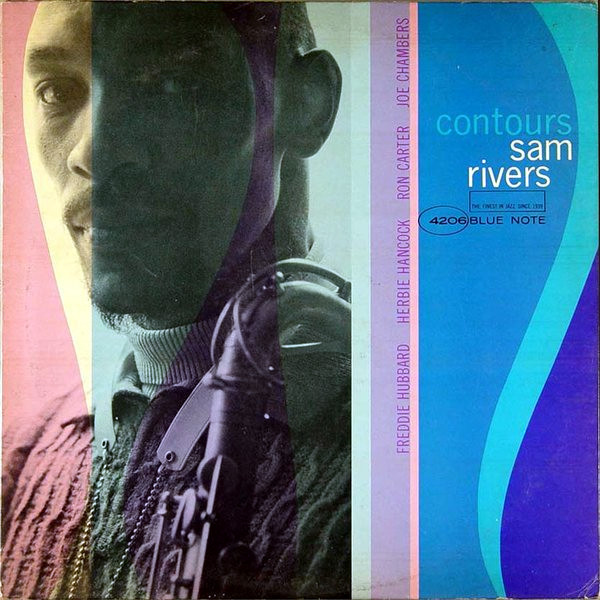
Contours
Contours
Sam Rivers · 1967
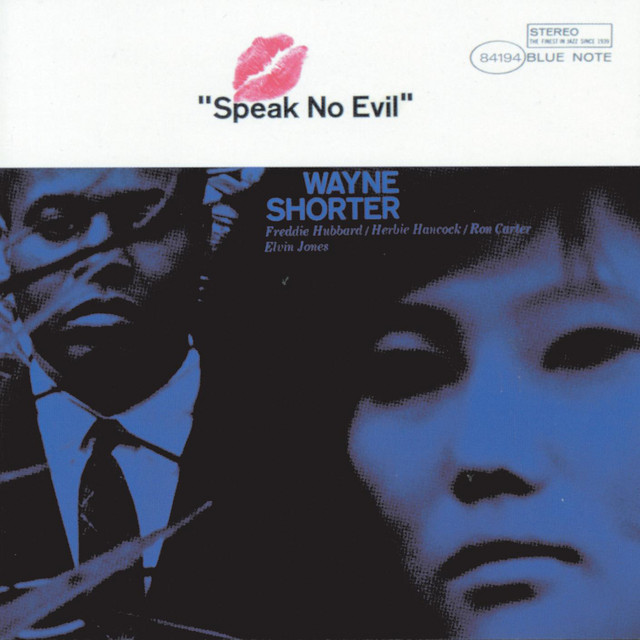
Speak No Evil
Speak No Evil
Wayne Shorter · 1966
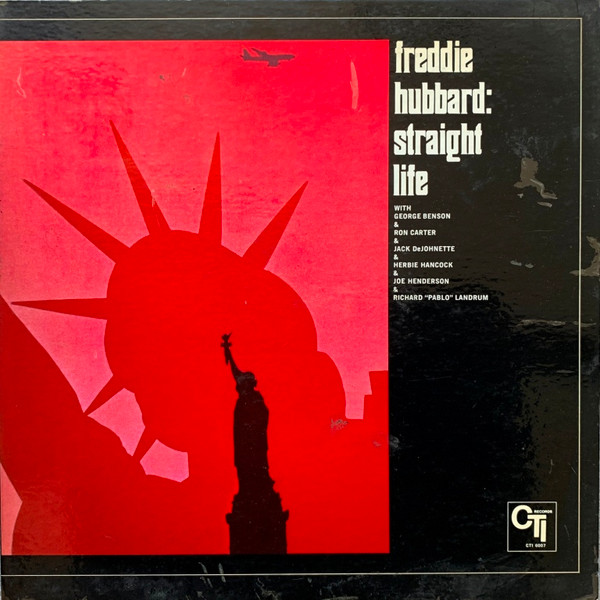
Straight Life
Straight Life
Freddie Hubbard · 1970

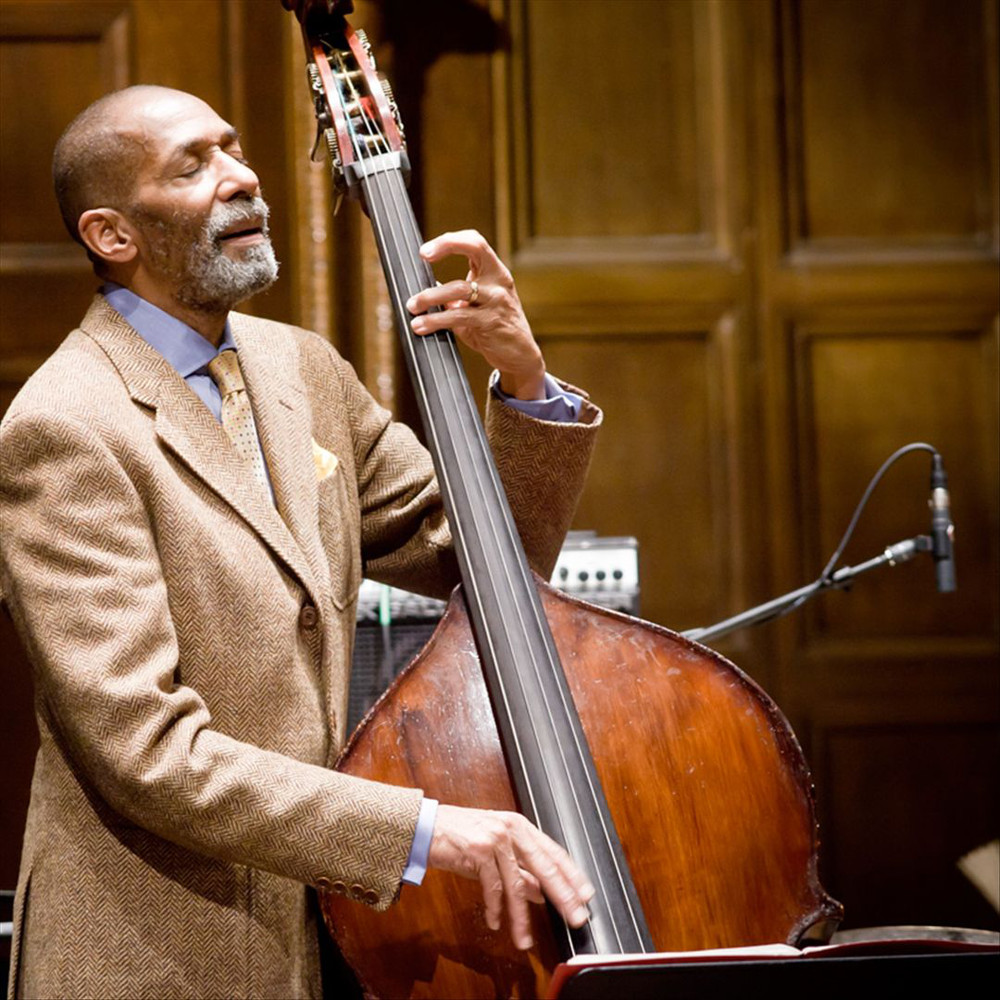
The bass intro that defines Freddie Hubbard's Red Clay (1970) wasn't Hubbard's — bassist Ron Carter invented it on the spot because Freddie never brought the part. "Luckily, the right note hit at the right time," Carter said. The hook that became the song's signature was an improvisation forced by a missing chart.

— Statement stmt-ron-carter-on-freddie-hubbard
Go to Deciphering the Message
← Back to James Spaulding