Library —

Joe Farrell

1 album as leader and 9 as sideman (1968–1984), each listed chronologically.

As Leader · 1

As Sideman · 9

Notes on these albums · 5

1968 · Puttin' It Together and 1 more

Puttin' It Together
Puttin' It Together
Elvin Jones · 1968
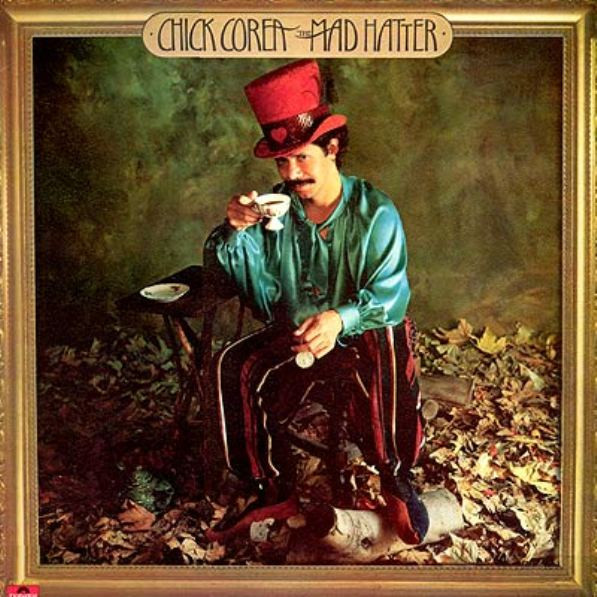
Return to Forever
Return to Forever
Return to Forever · 1972
Spectrum
Spectrum
Billy Cobham · 1973
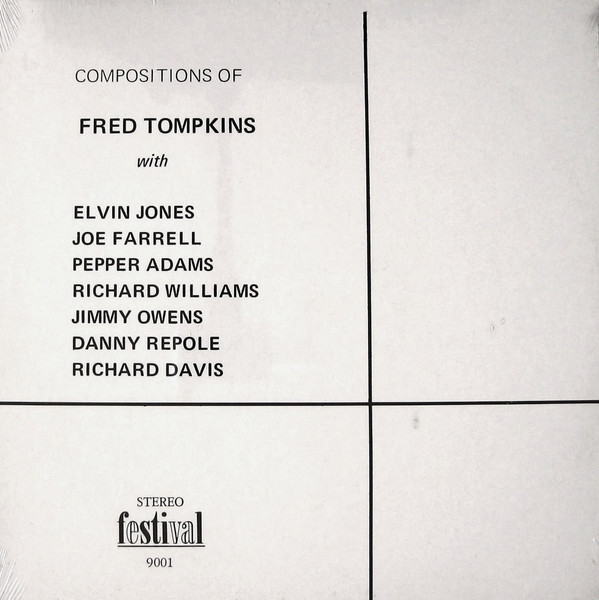
Compositions Of Fred Tompkins
Fred Tompkins · 1973

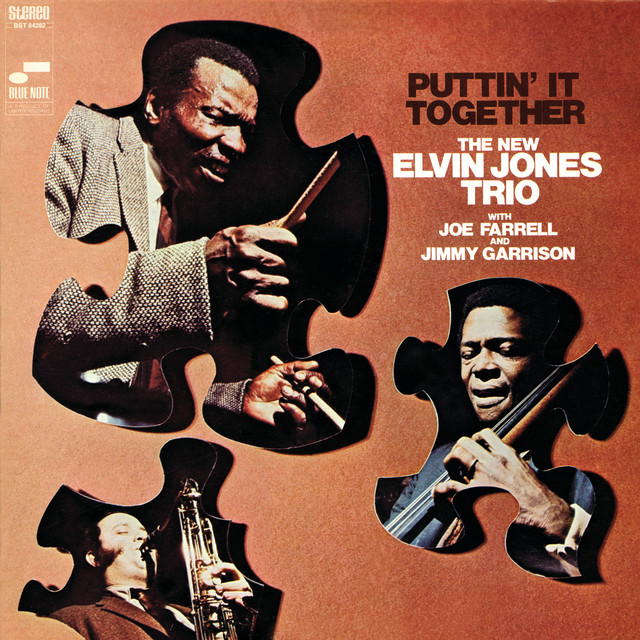
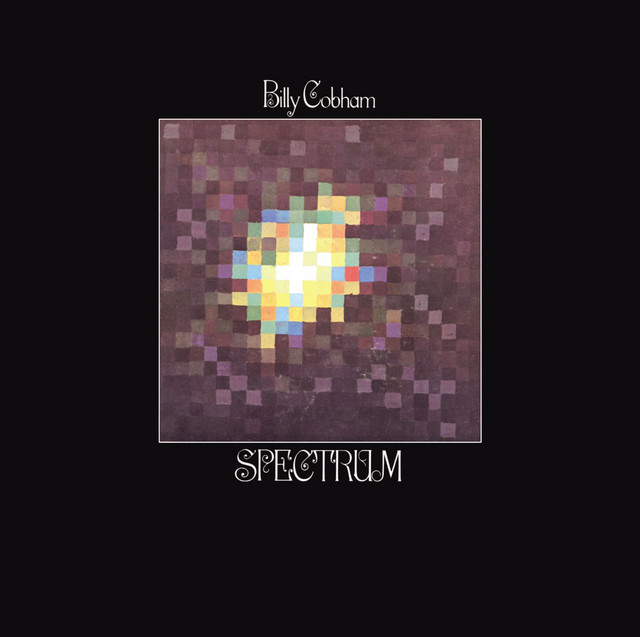
Joe Farrell was blowing tenor in Elvin Jones's hard-bop quartet on Puttin' It Together (1968). Five years later he turns up next to rock guitarist Tommy Bolin on Billy Cobham's Spectrum (1973), one of fusion's landmark records.
Go to Puttin' It Together

1973 · Spectrum

Michael Brecker
Michael Brecker
Michael Brecker · 1987
Spectrum
Spectrum
Billy Cobham · 1973

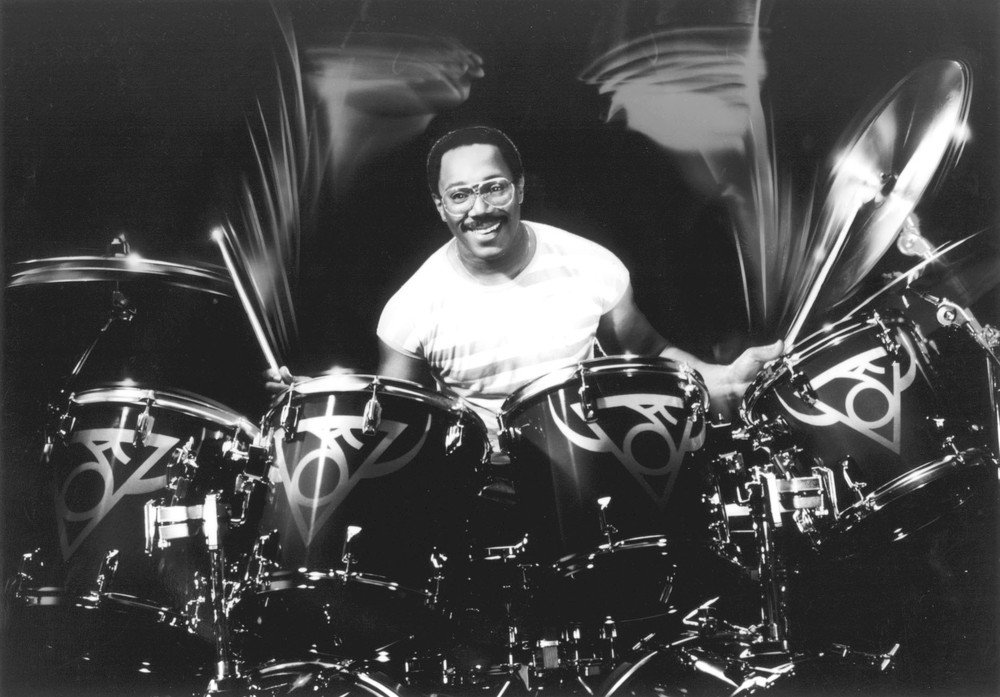
Billy CobhamBilly CobhamBilly Cobhamビリー・コブハム's 1973 album SpectrumSpectrumSpectrumBilly Cobham · 1973 remains one of the most influential jazz-rock fusion recordings. With Tommy Bolin, Jan Hammer, Leland Sklar, Joe Farrell, and Ron Carter on the roster, Billy CobhamBilly CobhamBilly Cobhamビリー・コブハム's powerful drumming defined the vocabulary of fusion drumming.

— Spectrum (Billy Cobham album), Wikipedia, 2024

sourced
Go to Spectrum

1970 · Joe Farrell Quartet

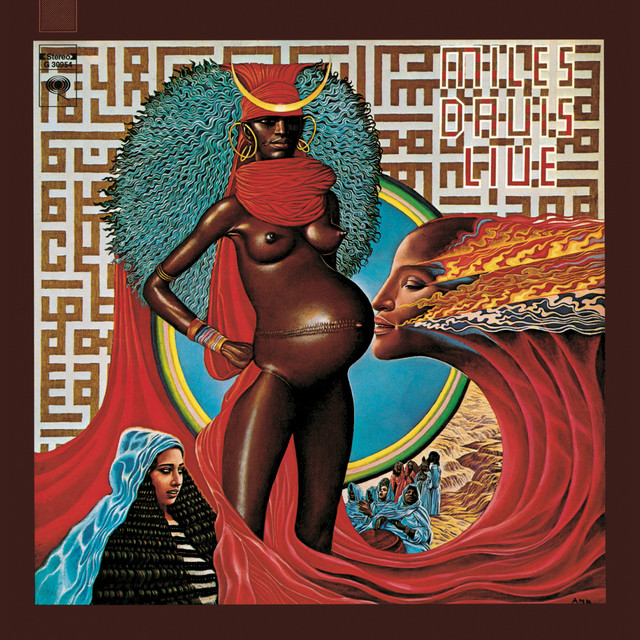
Live-Evil
Live-Evil
Miles Davis · 1971
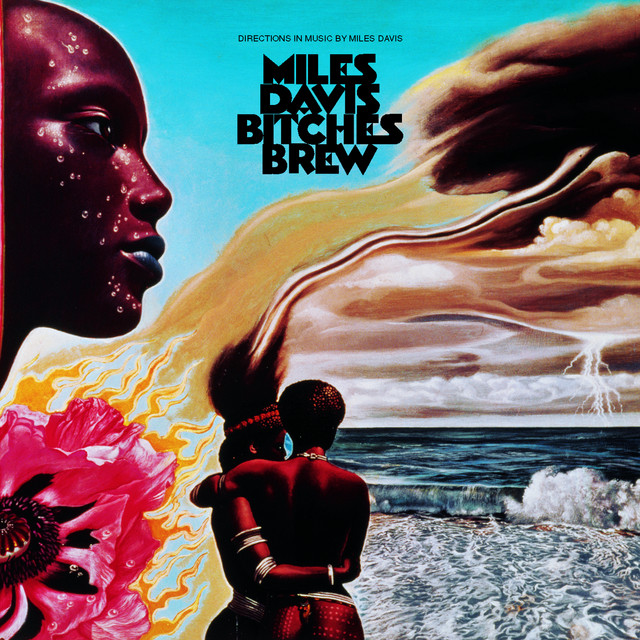
Bitches Brew
Bitches Brew
Miles Davis · 1970
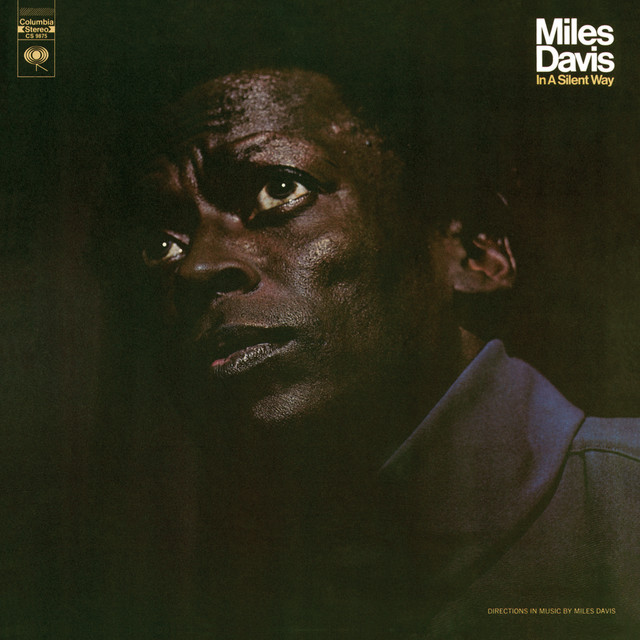
In a Silent Way
In a Silent Way
Miles Davis · 1969
Joe Farrell Quartet
Joe Farrell Quartet
Joe Farrell Quartet · 1970

Just as Bitches Brew (1970) pushed Miles Davis's electric music to its peak, his own rhythm players Chick Corea and Dave Holland walked out — turning an off-hours trio into Circle, a free, near-atonal group, rather than chasing the fusion market.

— Statement stmt-dave-holland-on-chick-corea

Go to Joe Farrell Quartet

1976 · Live In New York, 1974

Live-Evil
Live-Evil
Miles Davis · 1971
Bitches Brew
Bitches Brew
Miles Davis · 1970
Return to Forever
Return to Forever
Return to Forever · 1972
Live In New York, 1974
Chick Corea Quartet · 1976

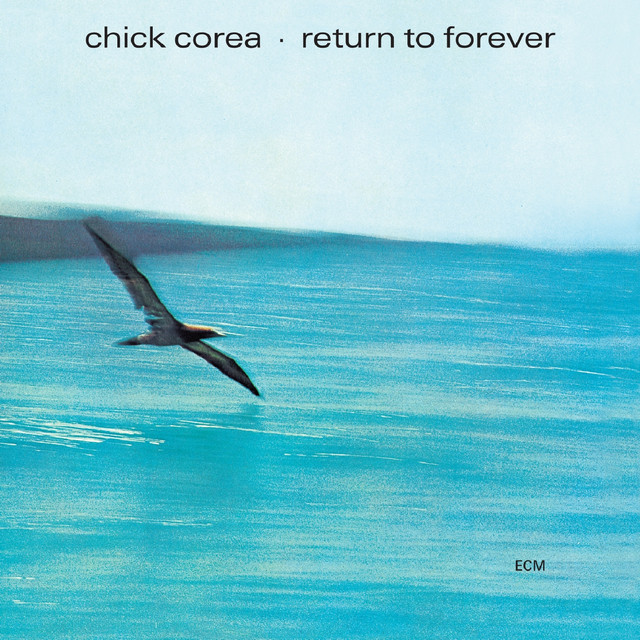
Chick Corea started from a single wish: to have Stanley Clarke — then a young, unknown bassist — play his tunes. After trying several drummers he ended up with percussionist Airto Moreira, and the lineup that fell together almost by accident became the first Return to Forever (1972), the record that launched Clarke.

— Statement stmt-chick-corea-on-stanley-clarke

Go to Live In New York, 1974
← Back to Joe Farrell