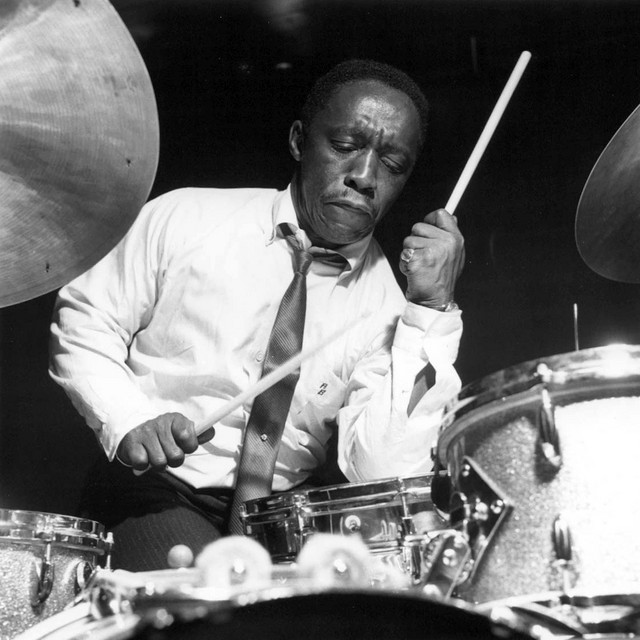
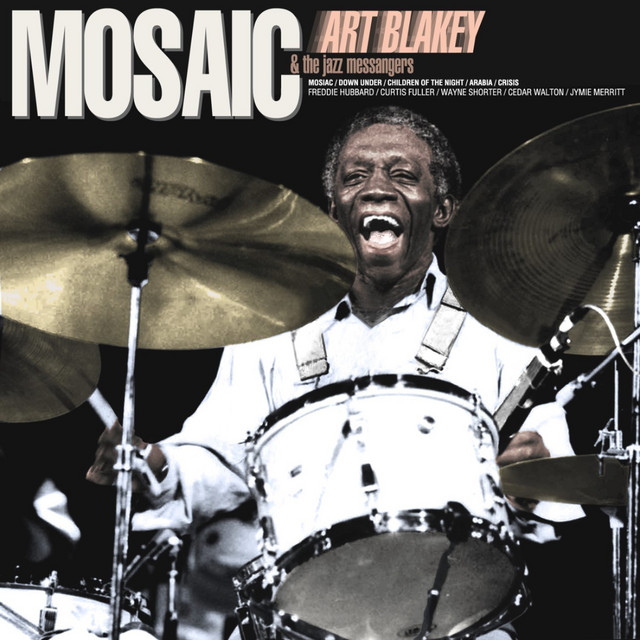
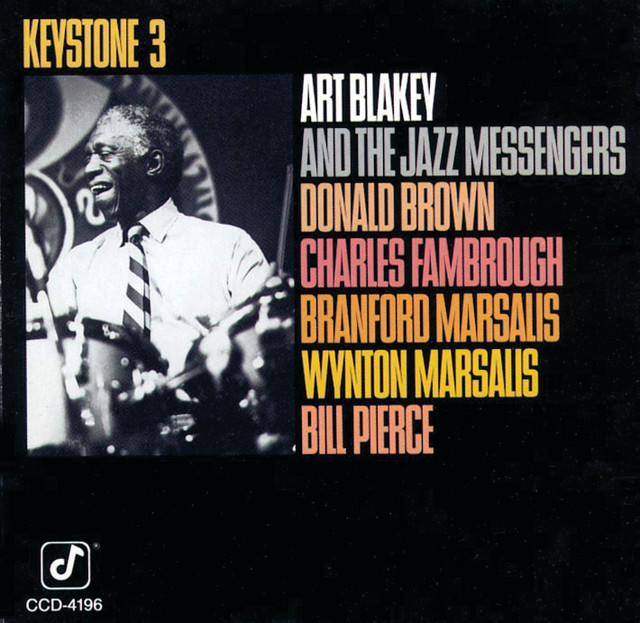
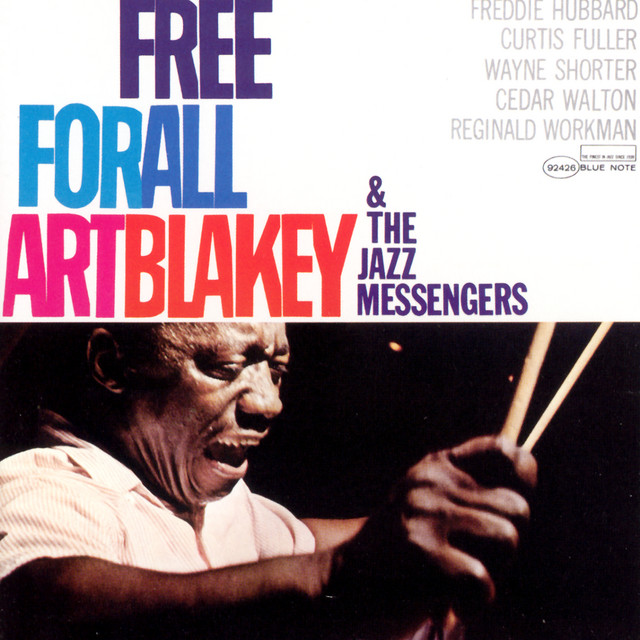
Art Blakey (1919–1990) — Drums, Vocals. Led A Night at Birdland Vol.1, Moanin', Mosaic. Worked with Wayne Shorter, Lee Morgan, Jymie Merritt.
Blakey's drums explode. His cymbal work is ferocious and his energy goads the whole band forward. He led the Jazz Messengers for decades and mentored an extraordinary number of great players — Morgan, Shorter, Wynton, Blanchard, all came through his band. He is jazz's greatest teacher.
The Jazz Messengers were called a 'school.' Blakey said bringing along young people was the jazz tradition — he launched Lee MorganLee Morganリー・モーガン, Wayne ShorterWayne Shorterウェイン・ショーター, Freddie HubbardFreddie Hubbardフレディ・ハバード, and many more.
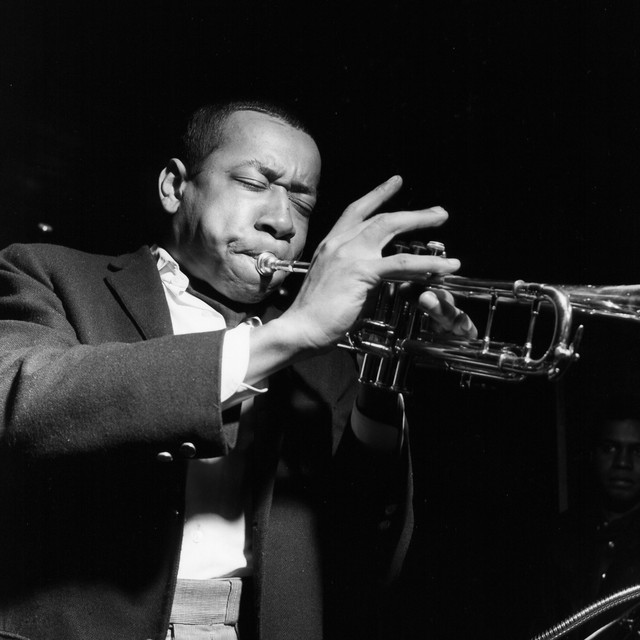
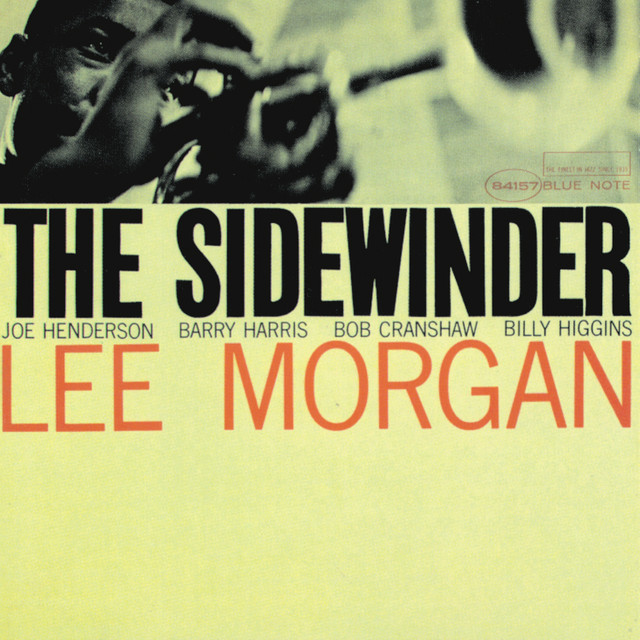
The SidewinderThe SidewinderLee Morgan · 1964 (recorded 1963, released 1964) became an unexpected hit. Its boogaloo beat and simple riff crossed over to general audiences, reportedly rescuing Blue Note Records from financial trouble. The front line with Joe HendersonJoe Hendersonジョー・ヘンダーソン was two Art BlakeyArt Blakeyアート・ブレイキー alumni at their peak.
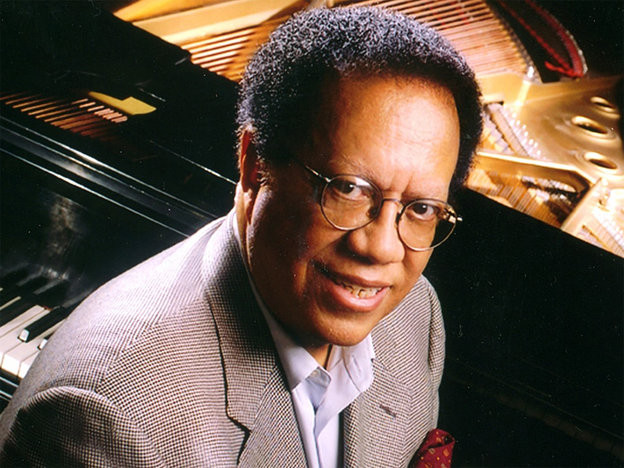
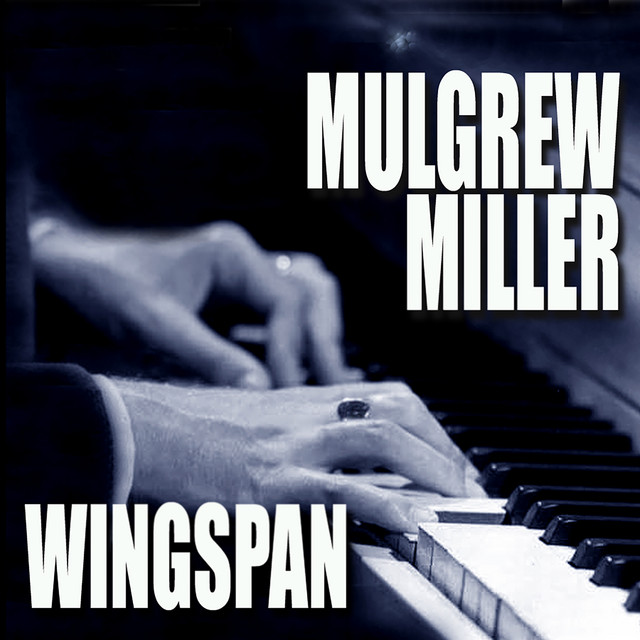
Mulgrew MillerMulgrew Millerマルグリュー・ミラー came up in Woody ShawWoody Shawウディ・ショウ's band, then moved to Art BlakeyArt Blakeyアート・ブレイキー's Jazz Messengers (1983–86), then to Tony WilliamsTony Williamsトニー・ウィリアムス's acoustic quintet. He carried the hard bop tradition with elegance while consistently seeking out younger musicians. He anchored many of Kenny GarrettKenny Garrettケニー・ギャレット's most important recordings.
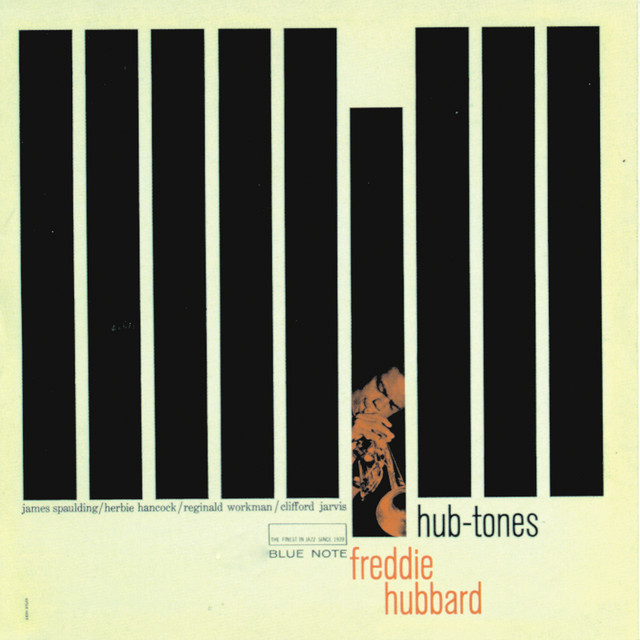
Reggie WorkmanReggie Workmanレジー・ワークマン was one of John ColtraneJohn Coltraneジョン・コルトレーン's bassists in the early 1961 sessions before Jimmy GarrisonJimmy Garrisonジミー・ギャリソン became the permanent member. He continued recording with Wayne ShorterWayne Shorterウェイン・ショーター and Art BlakeyArt Blakeyアート・ブレイキー, remaining at the forefront of the avant-garde. On Hub-TonesHub-TonesFreddie Hubbard · 1962 he appeared alongside a young Herbie HancockHerbie Hancockハービー・ハンコック.
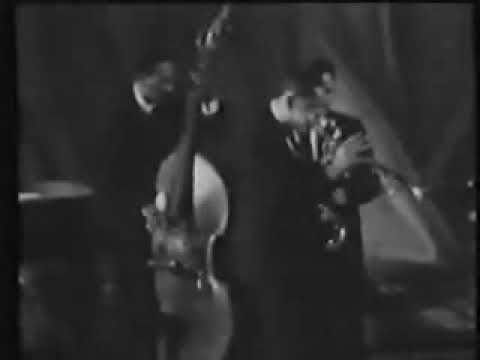
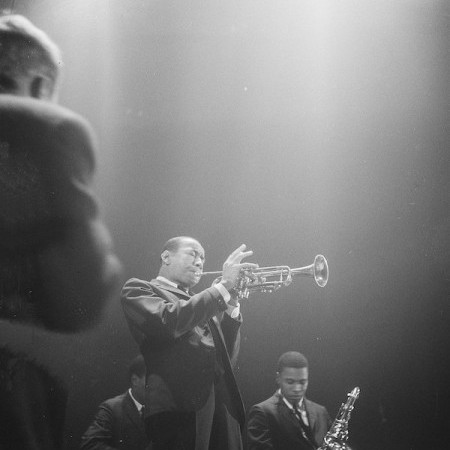
November 1959, Théâtre des Champs-Élysées, Paris. The Jazz Messengers with the Lee MorganLee Morganリー・モーガン / Wayne ShorterWayne Shorterウェイン・ショーター front line. A rare French TV broadcast capturing this lineup live.
Cedar WaltonCedar Waltonシダー・ウォルトン made his name with Art BlakeyArt Blakeyアート・ブレイキー & the Jazz Messengers (1961–64). His original compositions — including 'MosaicMosaicArt Blakey · 1961' and 'Firm Roots' — have become modern jazz standards.
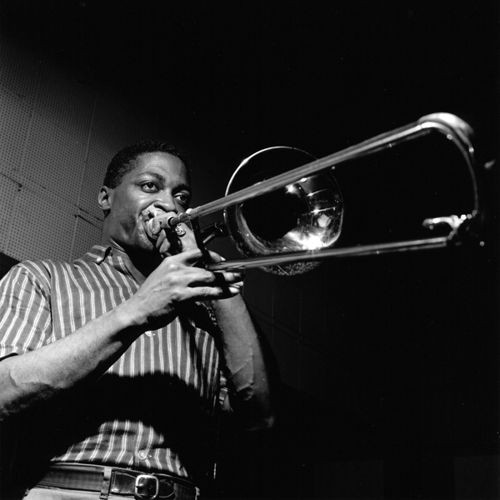
Curtis FullerCurtis Fullerカーティス・フラー expanded the possibilities of trombone in jazz. Beyond his celebrated work with Art BlakeyArt Blakeyアート・ブレイキー's Jazz Messengers, he appeared on John ColtraneJohn Coltraneジョン・コルトレーン's Blue Train — one of the most iconic trombone performances in hard bop.
Art BlakeyArt Blakeyアート・ブレイキー's Jazz Messengers functioned as a finishing school for young players. Blakey famously said he stayed young by playing with the kids, and he launched the careers of Lee MorganLee Morganリー・モーガン, Wayne ShorterWayne Shorterウェイン・ショーター, Freddie HubbardFreddie Hubbardフレディ・ハバード and dozens more.
Recorded for Blue Note in October 1958, Moanin'Moanin'Art Blakey · 1958 is the masterpiece of the Golson-era Messengers. The title track, a gospel-tinged Bobby Timmons composition, helped popularize hard bop with a wider audience.
Art BlakeyArt Blakeyアート・ブレイキー's signature was the thunderous press roll he used to spur soloists, along with a torrential cymbal sound critics nicknamed 'Niagara.' Together they defined the template for hard-bop drumming.
Recorded in October 1961, MosaicMosaicArt Blakey · 1961 inaugurated the six-piece Messengers with Freddie HubbardFreddie Hubbardフレディ・ハバード, Curtis FullerCurtis Fullerカーティス・フラー, Wayne ShorterWayne Shorterウェイン・ショーター, Cedar WaltonCedar Waltonシダー・ウォルトン and Jymie Merritt. The three-horn front line opened a new chapter for the band.
Freddie HubbardFreddie Hubbardフレディ・ハバード served in Art BlakeyArt Blakeyアート・ブレイキー's Jazz Messengers from 1961 to 1964, forming a three-horn front line with Wayne ShorterWayne Shorterウェイン・ショーター and Curtis FullerCurtis Fullerカーティス・フラー. The Messengers experience shaped his discipline and range as a player.
Cedar WaltonCedar Waltonシダー・ウォルトン served as pianist and de facto music director for Art BlakeyArt Blakeyアート・ブレイキー's Messengers from 1961 to 1964. His arranging on MosaicMosaicArt Blakey · 1961 and 'Ugetsu' marked a turning point in his career.
Curtis FullerCurtis Fullerカーティス・フラー co-founded the Jazztet with Benny Golson in 1959, then anchored the trombone chair in Art BlakeyArt Blakeyアート・ブレイキー's three-horn Messengers from 1961 to 1965. On MosaicMosaicArt Blakey · 1961 his robust tone was key to the band's density.
After traveling to West Africa in 1947, Art BlakeyArt Blakeyアート・ブレイキー converted to Islam and took the name Abdullah Ibn Buhaina. Friends called him 'Bu,' and the 1961 Messengers album 'Buhaina's Delight' takes its title from the name.
Lee Morgan joined Art BlakeyArt Blakeyアート・ブレイキー's Jazz Messengers at age 18 (1956). "Art took me in when I was 18. I learned more than drums from him." The Messengers served as a finishing school for the next generation — Wayne Shorter, Freddie Hubbard, and Cedar Walton all passed through.
— Statement stmt-0014
fact-checked
"Art took me in when I was 18. I learned more than drums from him." — Lee Morgan on joining BlakeyArt Blakeyアート・ブレイキー's Jazz Messengers in 1956.
— Statement stmt-0014
"Bringing along young talent is the jazz tradition. I get my youth from the kids." — BlakeyArt Blakeyアート・ブレイキー on the Jazz Messengers' role as a finishing school for young musicians.
— Statement stmt-blakey-young-talents
About Art Blakey
'Art took me in when I was 18. I learned more than drums from him'