Library — Trumpet

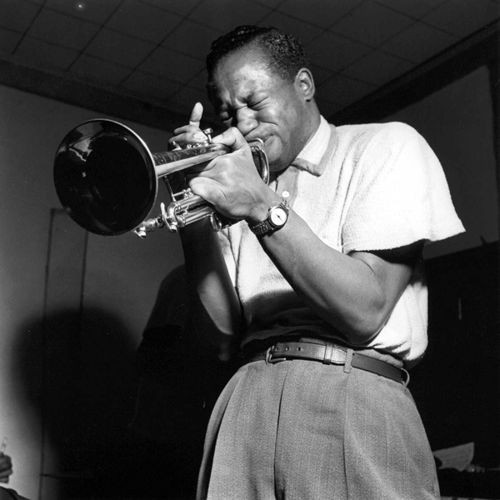
Clifford Brown

4 albums as leader and 3 as sideman (1954–2021), each listed chronologically.

As Leader · 4

As Sideman · 3

Notes on these albums · 4

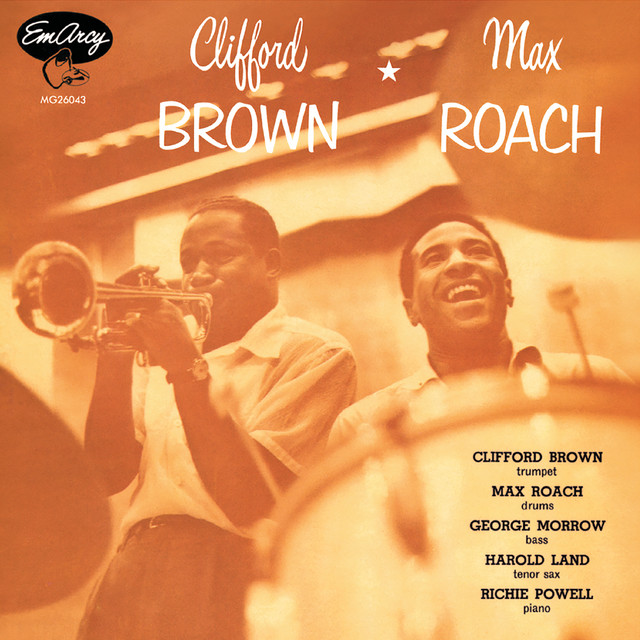
1954 · Clifford Brown and Max Roach

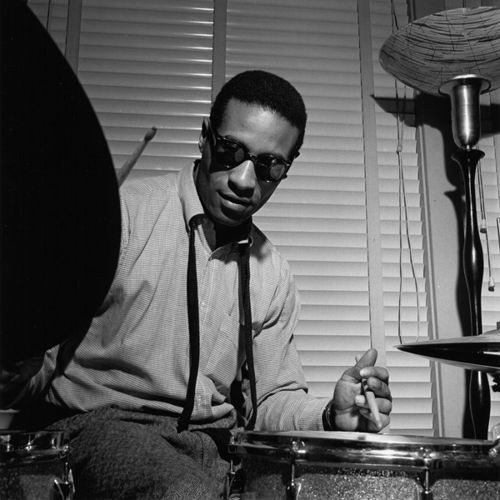
Clifford Brown and Max Roach
Clifford Brown & Max Roach Quintet · 1954
Study in Brown
Study in Brown
Clifford Brown · 1955
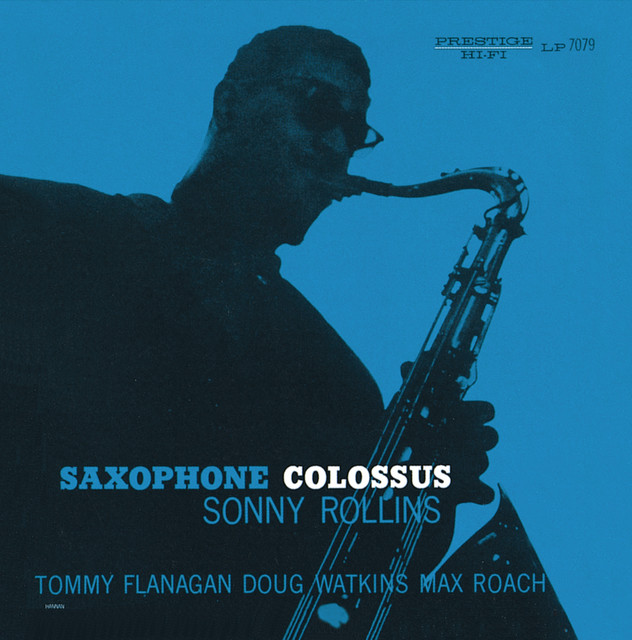
Saxophone Colossus
Saxophone Colossus
Sonny Rollins · 1956

The 1954–56 Clifford BrownClifford BrownClifford Brownクリフォード・ブラウン-Max RoachMax RoachMax Roachマックス・ローチ Quintet refined bebop's vocabulary to a peak of elegance. When Brownie died at 26 in 1956, the abrupt end left Rollins asking what to do next — a question that produced Saxophone ColossusSaxophone ColossusSaxophone ColossusSonny Rollins · 1956.

Go to Clifford Brown and Max Roach

1954 · A Night at Birdland Vol.1

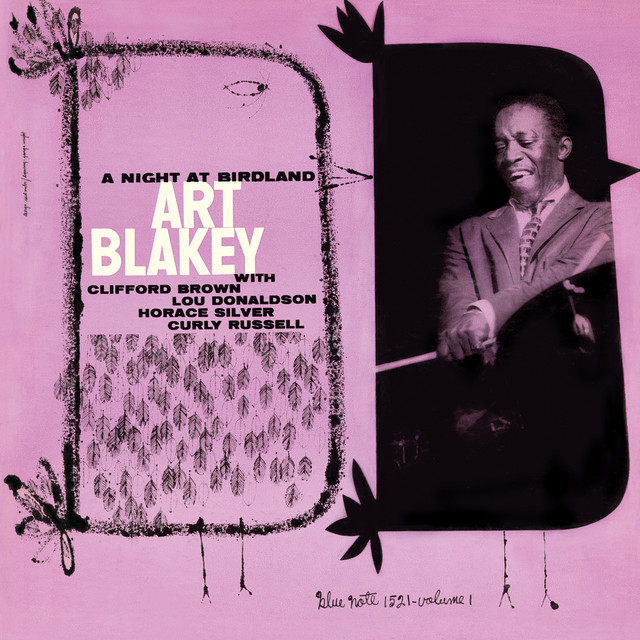
A Night at Birdland Vol.1
Art Blakey · 1954

On February 21, 1954, Clifford BrownClifford BrownClifford Brownクリフォード・ブラウン electrified the Birdland audience during the A Night at Birdland Vol.1A Night at Birdland Vol.1A Night at Birdland Vol.1Art Blakey · 1954 live session. His luminous tone and endlessly inventive improvisation became one of the most dramatic documents of hard bop's birth. Brown would die in a car accident the following year, at 25.

Go to A Night at Birdland Vol.1

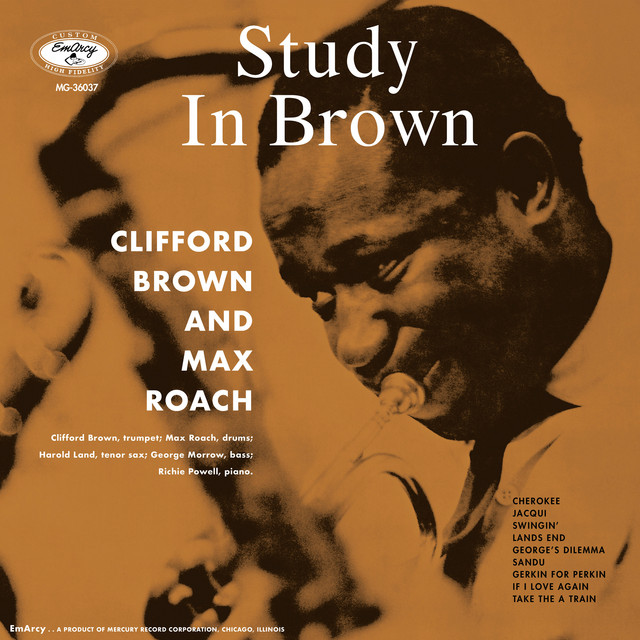
1955 · Study in Brown

Clifford Brown and Max Roach
Clifford Brown & Max Roach Quintet · 1954
Study in Brown
Study in Brown
Clifford Brown · 1955
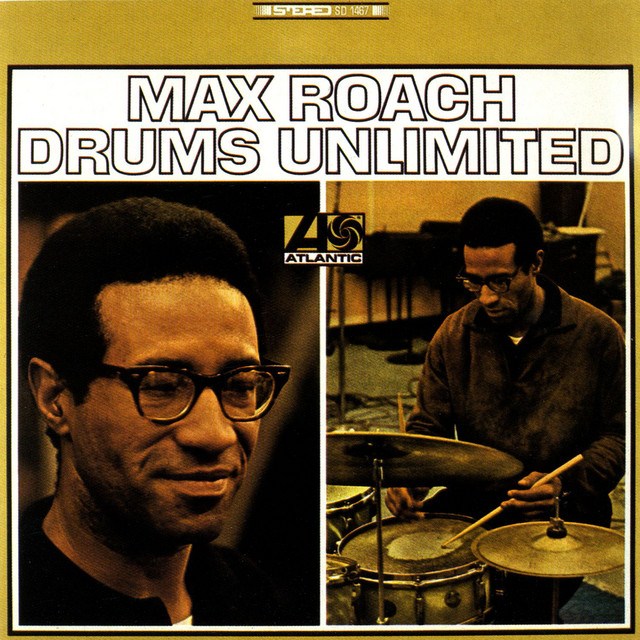
Drums Unlimited
Drums Unlimited
Max Roach · 1966
Saxophone Colossus
Saxophone Colossus
Sonny Rollins · 1956

The assumption that drums exist only to keep time behind other instruments is upended on Max Roach's 1966 album Drums Unlimited, which pairs full quintet tracks with pieces built entirely from unaccompanied drum solos — an unusual move for a mainstream jazz label at the time.

Go to Study in Brown

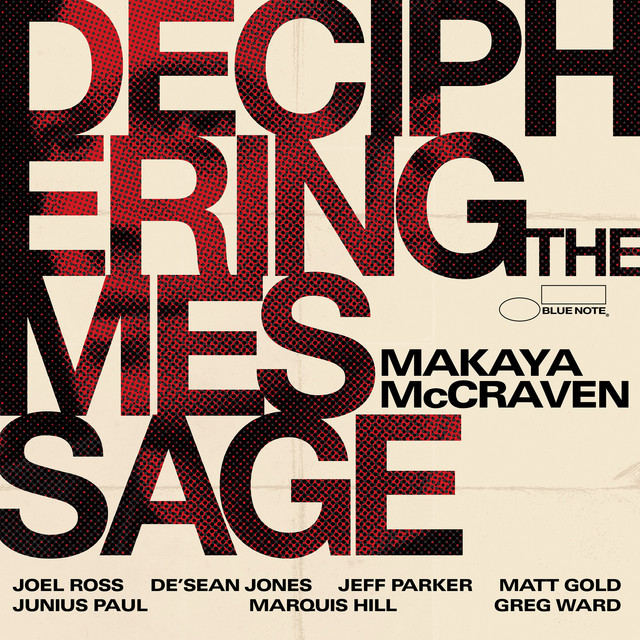
2021 · Deciphering the Message

Deciphering the Message
Makaya McCraven · 2021
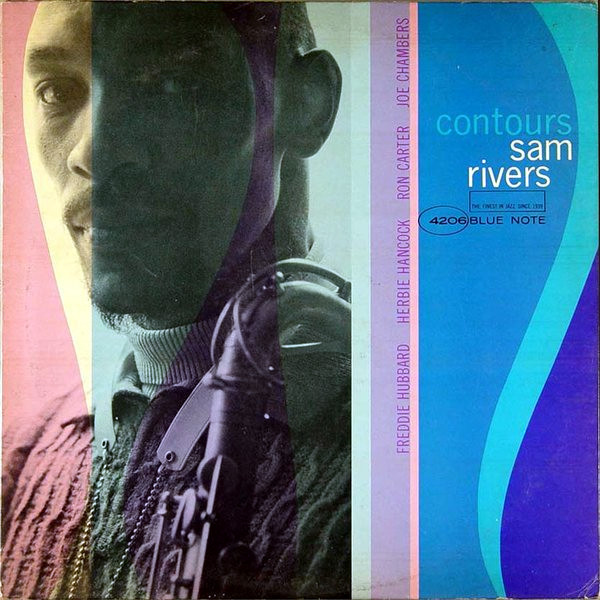
Contours
Contours
Sam Rivers · 1967
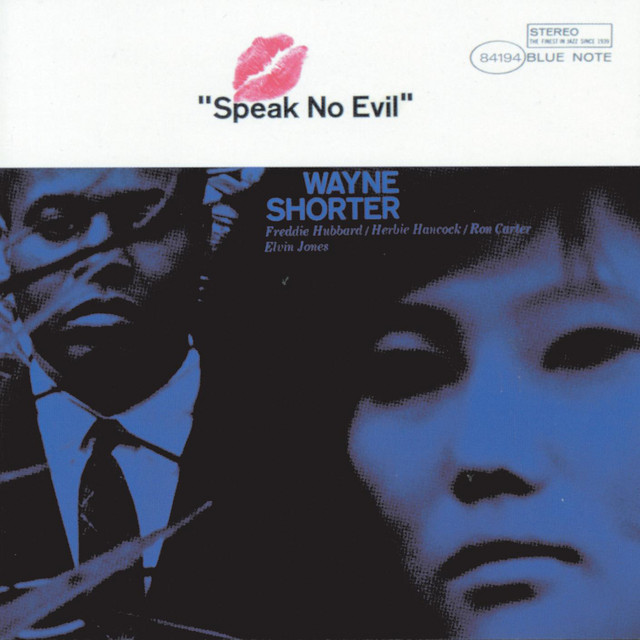
Speak No Evil
Speak No Evil
Wayne Shorter · 1966
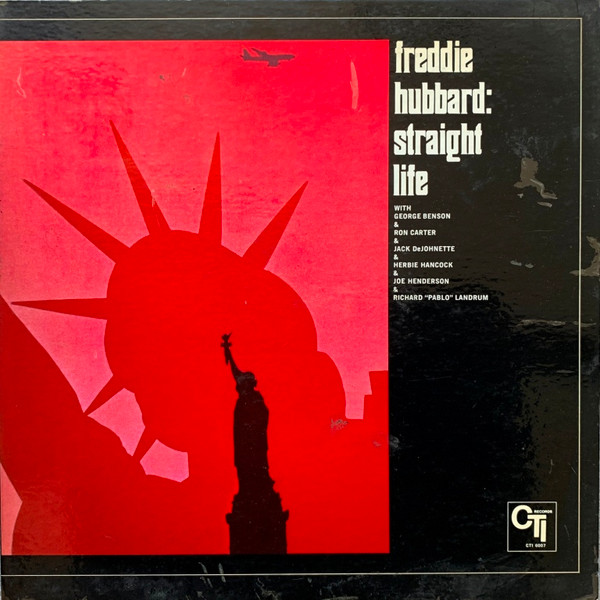
Straight Life
Straight Life
Freddie Hubbard · 1970

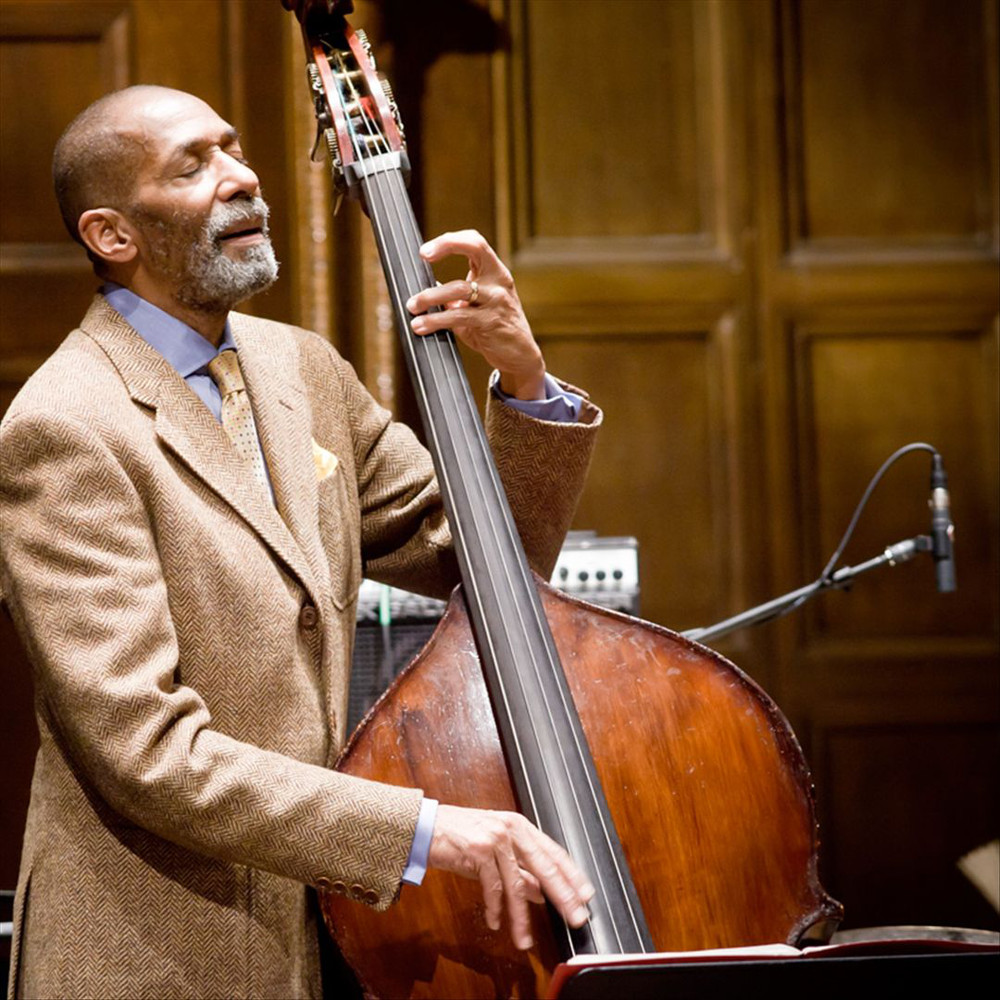
The bass intro that defines Freddie Hubbard's Red Clay (1970) wasn't Hubbard's — bassist Ron Carter invented it on the spot because Freddie never brought the part. "Luckily, the right note hit at the right time," Carter said. The hook that became the song's signature was an improvisation forced by a missing chart.

— Statement stmt-ron-carter-on-freddie-hubbard
Go to Deciphering the Message
← Back to Clifford Brown