




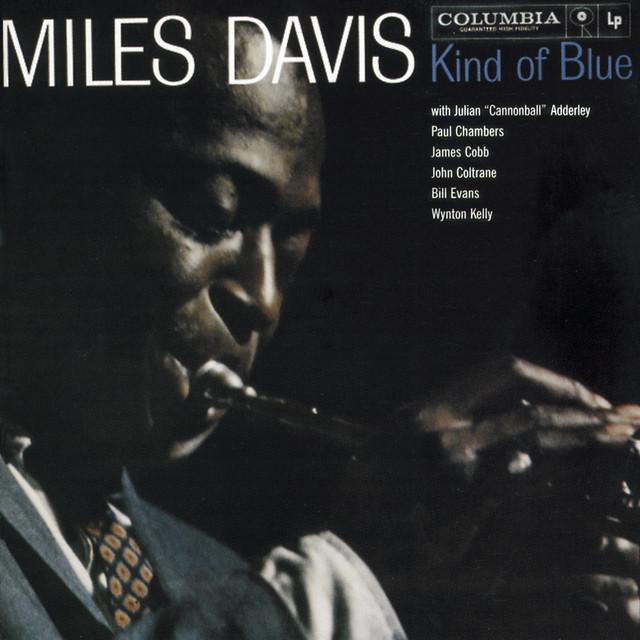
1959 · Kind of Blue
Wynton Kelly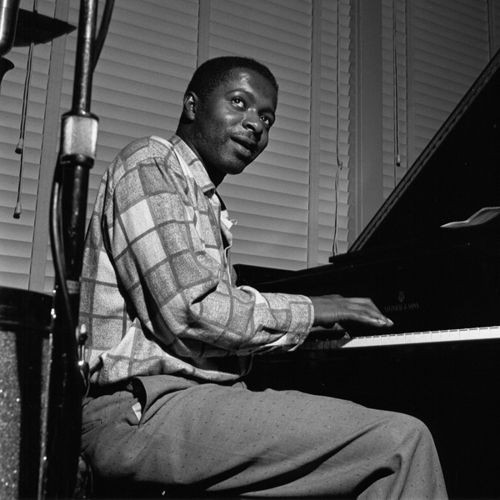
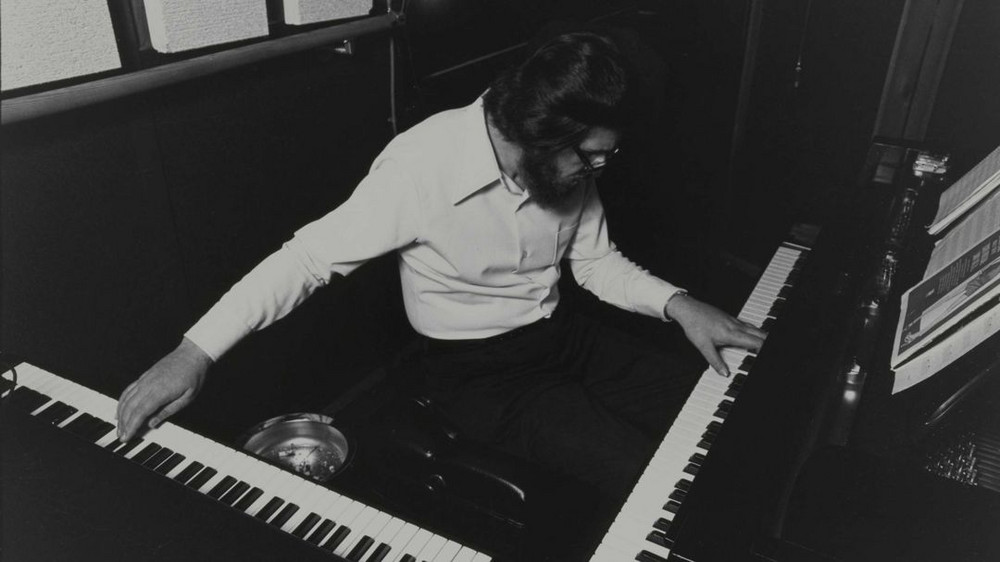
 — Kind of Blue: The Making of the Miles Davis Masterpiece, Ashley Kahn, 2000
3 albums as leader and 21 as sideman (1954–1995), each listed chronologically.
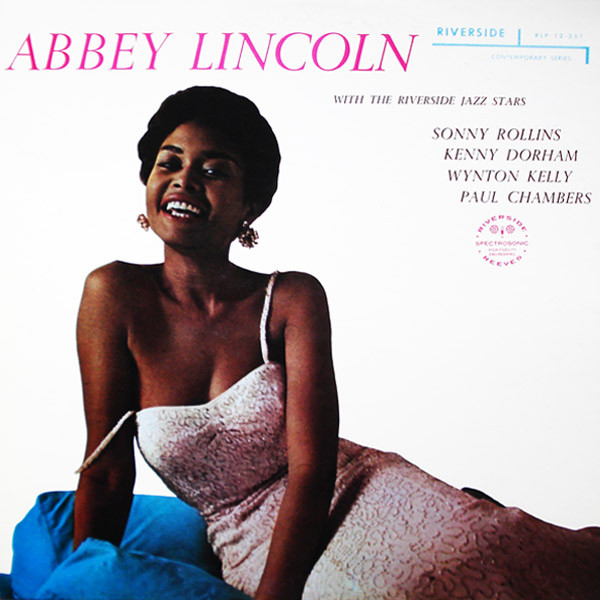
Abbey Lincoln With Riverside Jazz Stars, The
1957 · Riverside Records
Stan Getz, Dizzy Gillespie, Coleman Hawkins, Paul Gonsalves, Wynton Kelly, J.C. Heard, Wendell Marshall
1958 · Verve Records
1959 · Kind of Blue
Wynton Kelly
— Kind of Blue: The Making of the Miles Davis Masterpiece, Ashley Kahn, 2000
1959 · Kelly Blue
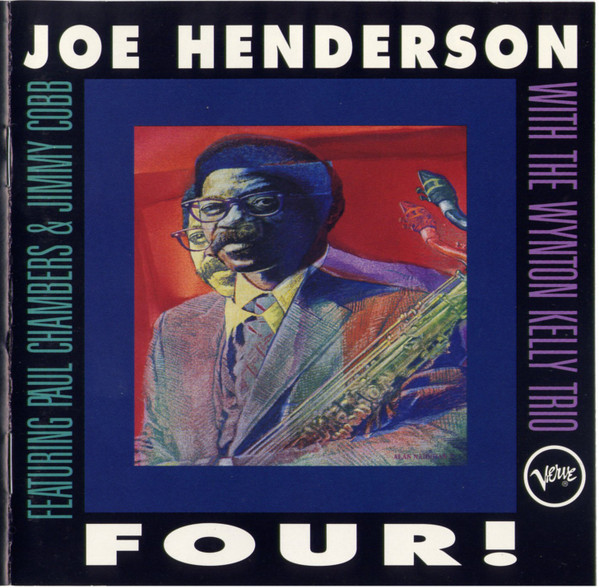
Wynton Kelly, Paul Chambers and Jimmy Cobb played as one of the great piano trios. But the bond ran deeper than the bandstand: when Chambers died in 1969, Cobb recalled, Kelly sank into heavy drinking — he had loved Paul — and Kelly himself was gone by 1971.
— Statement stmt-jimmy-cobb-on-paul-chambers-2
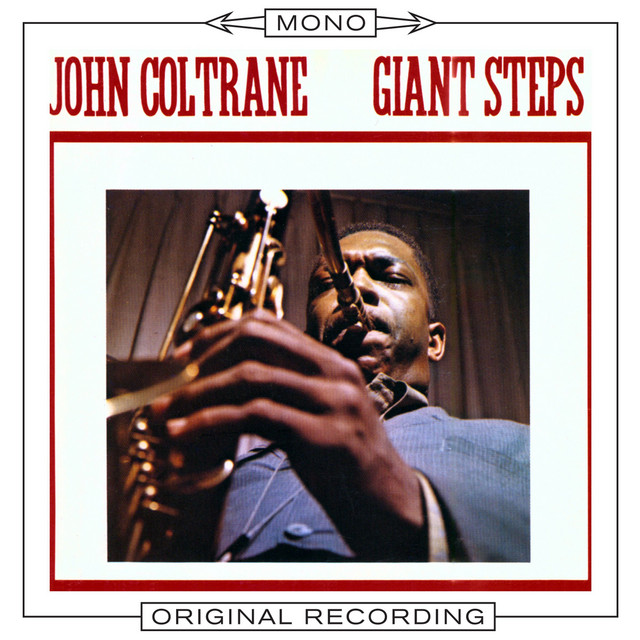
1960 · Giant Steps and 1 more
Kind of Blue is remembered for its pianist's modal chords, but the one blues track was actually played by someone else, Wynton Kelly. That same year, Kelly also turns up on Coltrane's harmonically brutal Giant Steps — not on the punishing title track, but on the album's one quiet ballad, 'Naima.'
1954 · Roses Of Picardy
Percy Heath is remembered as the bassist anchoring the Modern Jazz Quartet, but before he ever picked up an instrument he trained as a pilot with the Tuskegee Airmen during World War II. The war ended before he saw combat; back home, urged by his brothers, he picked up the bass instead — the same hands heard here on the 1954 session for Roses Of Picardy.
1957 · Dizzy In Greece
The titles of World Statesman (1956) and Dizzy In Greece (1957) are not travel whimsy. Gillespie's big band was the first jazz orchestra the US State Department sent abroad as cultural diplomacy, in 1956, and both records are by-products of that assignment — the place names are an itinerary, not a mood.
1958 · Sittin' In
In 1958, the same year Coleman Hawkins cut his own showcase album The Genius of Coleman Hawkins, he also backed a blues record titled after the hit Broadway character from South Pacific — a founding father of jazz tenor sax turning up on session work far outside his usual world.
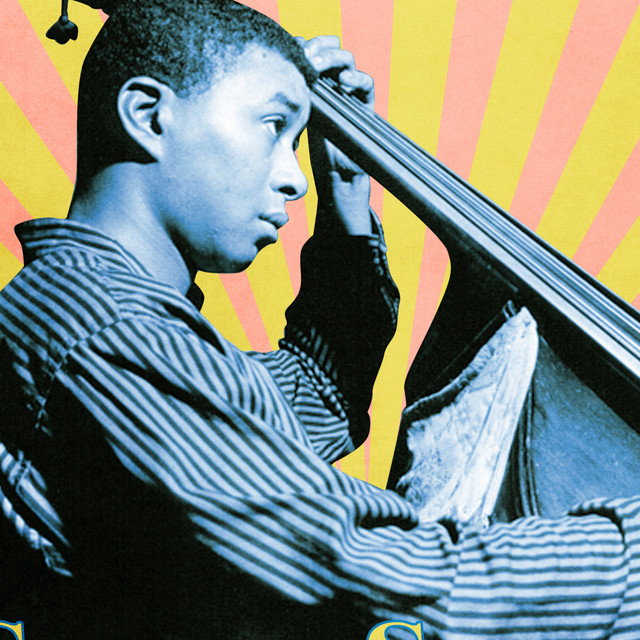 Paul Chambers
 Jimmy Cobb