Library —

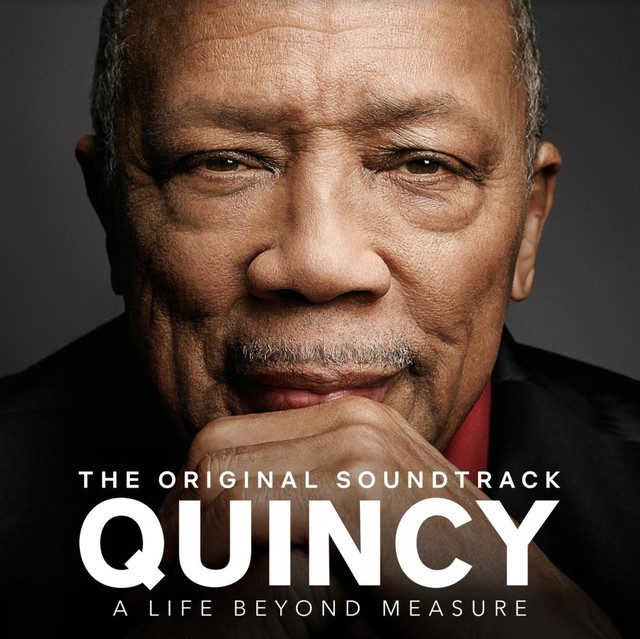
Quincy Jones

1 album as leader and 5 as sideman (1955–1987), each listed chronologically.

As Leader · 1

As Sideman · 5

Notes on these albums · 5

1981 · The Dude

The Dude
Quincy Jones · 1981
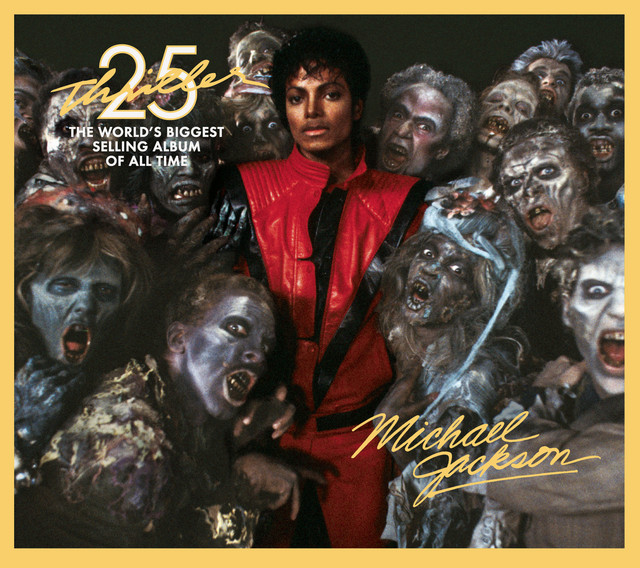
Thriller
Thriller
Michael Jackson · 1982

Quincy JonesQuincy JonesQuincy Jonesクインシー・ジョーンズ's jazz album The Dude (1981) and Michael JacksonMichael JacksonMichael Jacksonマイケル・ジャクソン's Thriller (1982) were recorded just a year apart with nearly the same rhythm section — Greg PhillinganesGreg PhillinganesGreg Phillinganesグレッグ・フィリンゲインズ (keys), JR Robinson (drums), Louis JohnsonLouis Johnsonルイス・ジョンソン (bass), Paulinho Da CostaPaulinho Da CostaPaulinho Da Costaパウリーニョ・ダ・コスタ (percussion), Steve LukatherSteve LukatherSteve Lukatherスティーヴ・ルカサー (guitar), Rod TempertonRod Tempertonロッド・テンパートン (songwriter). The Dude was essentially the jazz-side rehearsal for Thriller.

— The Dude — Sessiondays.com

sourced
Go to The Dude

1979 · Off the Wall

Off the Wall
Off the Wall
Michael Jackson · 1979
Thriller
Thriller
Michael Jackson · 1982
Bad
Bad
Michael Jackson · 1987

The brass sound threading through Michael JacksonMichael JacksonMichael Jacksonマイケル・ジャクソン's three albums was created by members of Seawind, a jazz-fusion band from Hawaii. Trumpeter Jerry HeyJerry Heyジェリー・ヘイ was discovered by Quincy JonesQuincy JonesQuincy Jonesクインシー・ジョーンズ at The Baked Potato, an LA jazz club, and became Jones's 'first call' horn arranger. Hey, Larry Williams (sax), Kim Hutchcroft (sax), Bill Reichenbach (trombone), and Gary Grant (trumpet) played the horn section on Off the Wall, Thriller, and Bad — defining MJ's sonic signature.

— Jerry Hey — Hip-Bone Music

sourced
Go to Off the Wall

1982 · Thriller

Thriller
Thriller
Michael Jackson · 1982
Baby Be Mine
Baby Be Mine
Michael Jackson · 1982

When Quincy JonesQuincy JonesQuincy Jonesクインシー・ジョーンズ offered to produce Michael JacksonMichael JacksonMichael Jacksonマイケル・ジャクソン, Epic Records rejected him — 'Quincy's too jazzy.' That was exactly Jones's intent. In a 2018 interview he said: ''Baby Be Mine' is pure Coltrane — it's got pop lyrics and a beat, but the essence is Coltrane. Getting the young kids to hear bebop is what I'm talking about.' A man who studied under Nadia Boulanger in Paris, played trumpet in Dizzy Gillespie's big band, and arranged for Sinatra-Basie smuggled bebop into the best-selling album of all time.

— Quincy Jones talks Coltrane and Kendrick — Vulture / WhoSampled

sourced
Go to Thriller

1987 · Bad

Bad
Bad
Michael Jackson · 1987
Bad
Bad
Michael Jackson · 1987

Jazz organ titan Jimmy Smith was invited by Quincy JonesQuincy JonesQuincy Jonesクインシー・ジョーンズ to play Hammond B3 on Michael JacksonMichael JacksonMichael Jacksonマイケル・ジャクソン's 'Bad.' Smith recorded a 20-minute organ solo in the studio, which was then edited down to just over one minute and 'electronically altered through 10 other keyboards and synthesizers.' The greatest jazz organist in history, distilled into a pop-funk track.

— Jimmy Smith organ solo on Bad — AllSolos

sourced
Go to Bad

1955 · Julian "Cannonball" Adderley

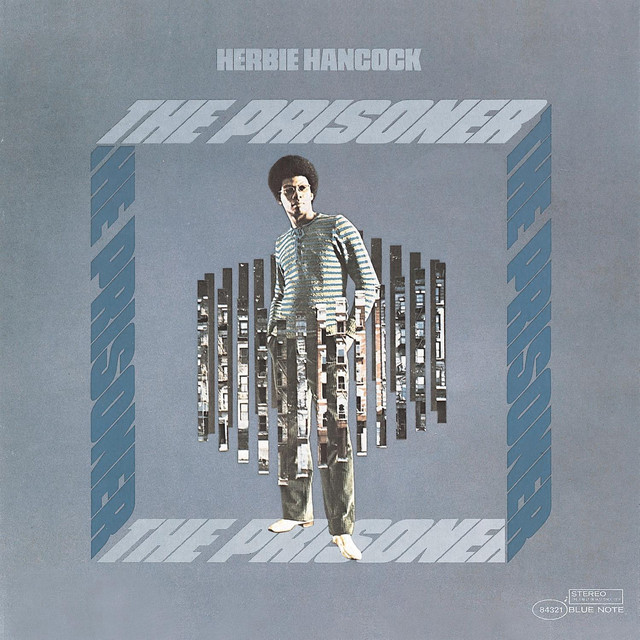
The Prisoner
The Prisoner
Herbie Hancock · 1969
Michel Legrand Dirige Les Géants Du Jazz Américain Avec Miles Davis
Michel Legrand - Miles Davis · 1959
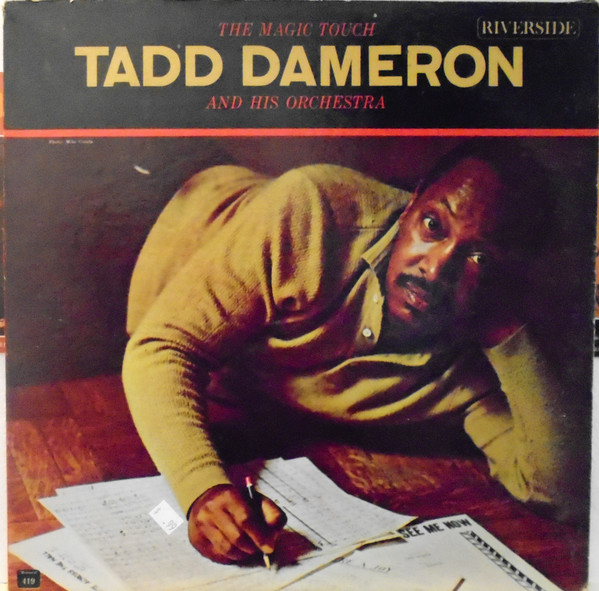
The Magic Touch
The Magic Touch
Tadd Dameron And His Orchestra · 1962
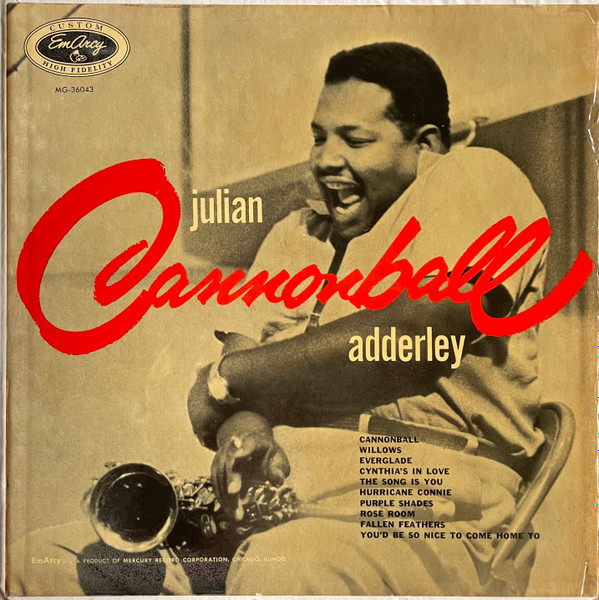
Julian "Cannonball" Adderley
Cannonball Adderley · 1955

Jerome Richardson worked reed sections across the bebop era — but in 1959 he found himself in a horn section assembled under an arranger's baton, with Miles Davis, already a star bandleader in his own right, sitting in as a sideman.
Go to Julian "Cannonball" Adderley
← Back to Quincy Jones