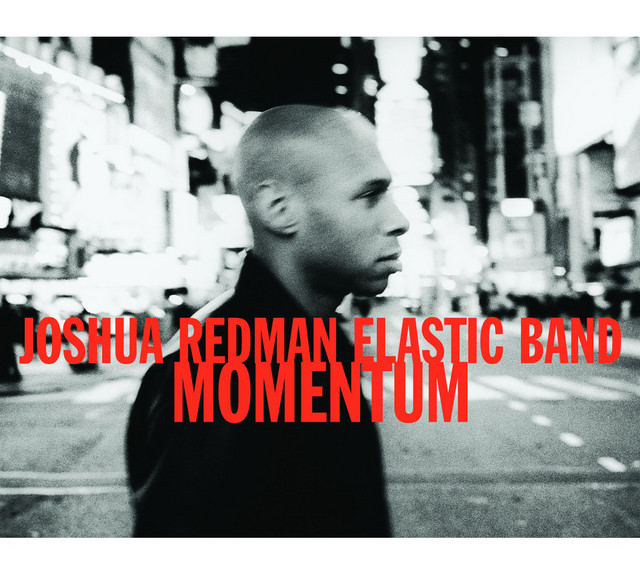
Joshua Redman's leader album
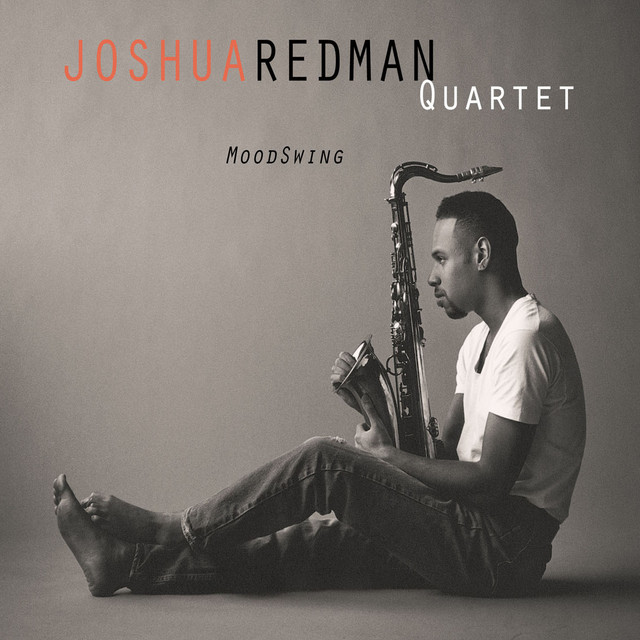
MoodSwing (1994) captured these four in the middle of their separate ascents. Mehldau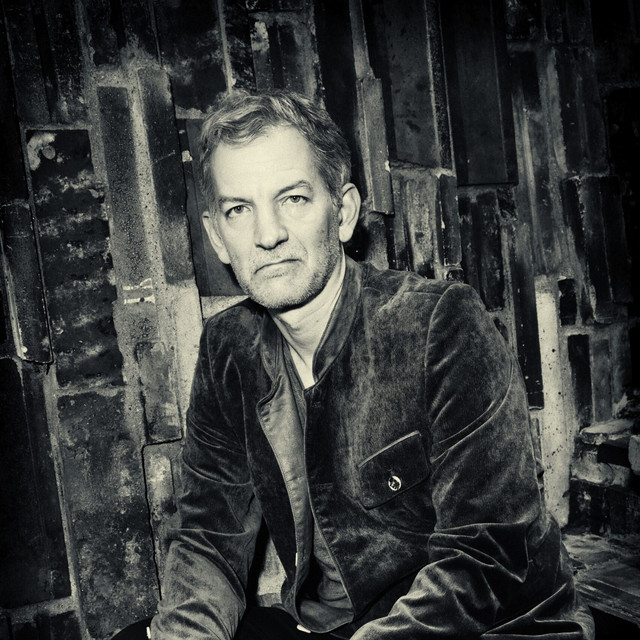
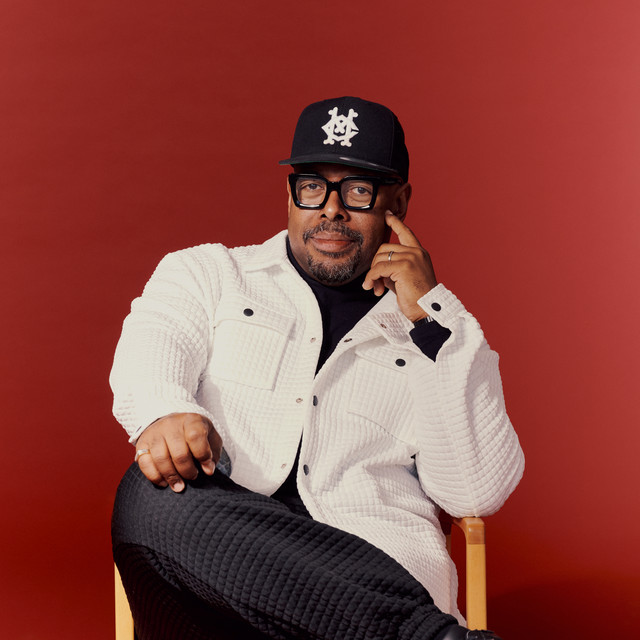
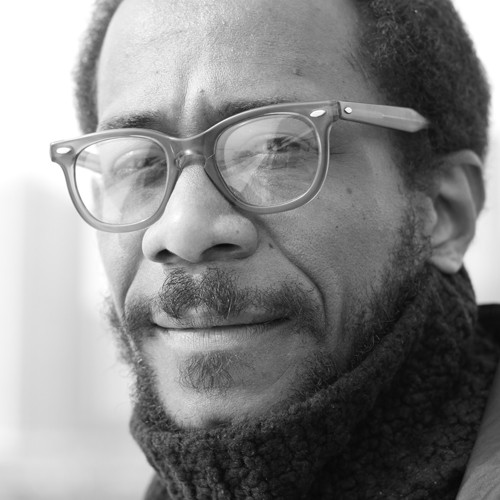
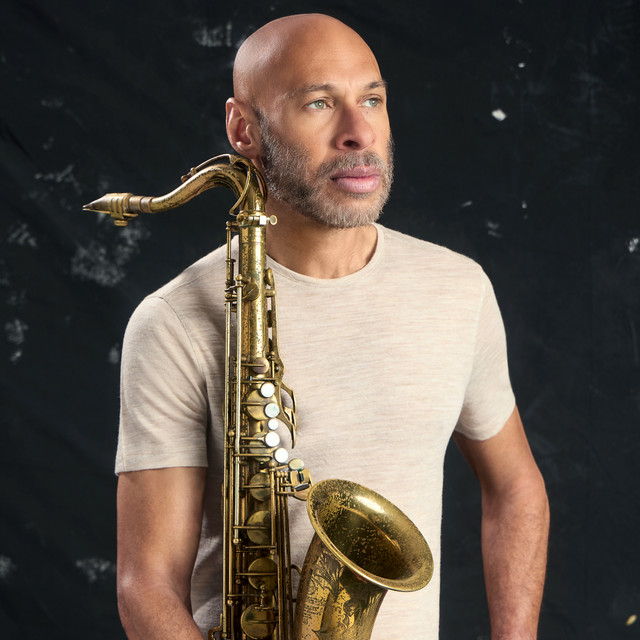
(1969–)
Berkeley, CA, United States
Joshua Redman (b. 1969) — Tenor Saxophone, Saxophone. Led Wish, MoodSwing, Momentum. Worked with Christian McBride, Brian Blade, Reuben Rogers.
Redman arrived at the center of the jazz world in the 1990s. His tone is big and muscular, combining intellectual construction with deep blues feeling. The quartet with Brad Mehldau, Christian McBride, and Brian Blade is one of the great groups in modern jazz.
Joshua Redman's leader album
MoodSwing (1994) captured these four in the middle of their separate ascents. Mehldau
Joshua Redman's leader album
Spirit Fiction
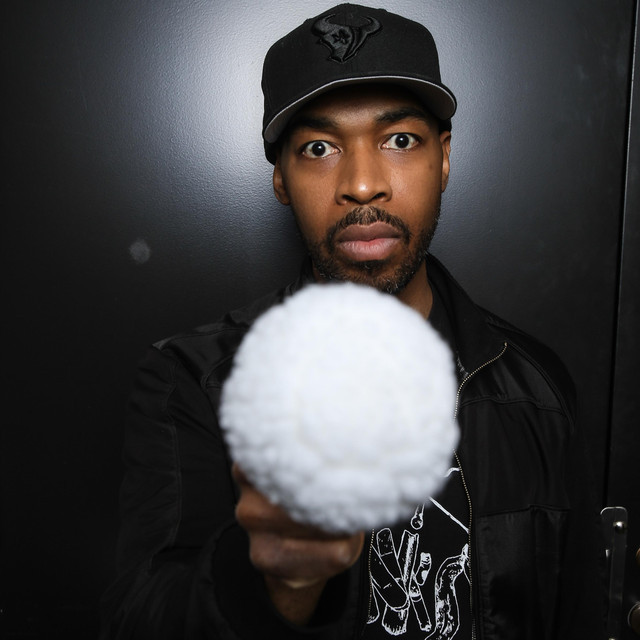

Joshua Redman's videos
2024 — Joshua Redman
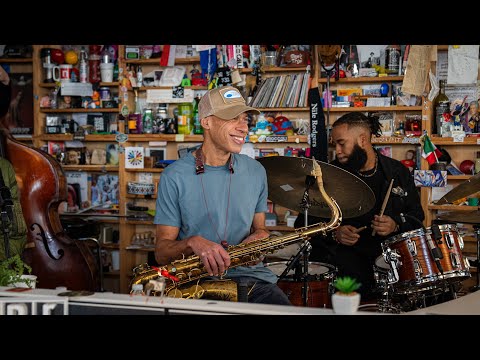 — NPR Music Tiny Desk Concert, 2024
Joshua Redman's videos
Joshua Redman
 — Joshua Redman & The Bad Plus - Live au Festival Jazz a la Villette, Qwest TV, 2014
Joshua Redman's videos
The Yussef Dayes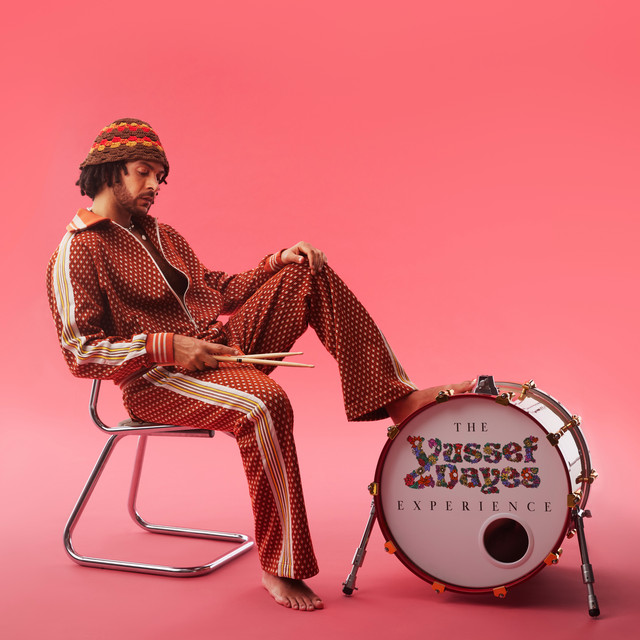
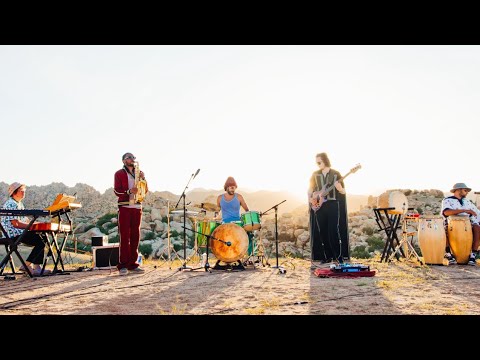 — The Yussef Dayes Experience - Live at Joshua Tree, 2022
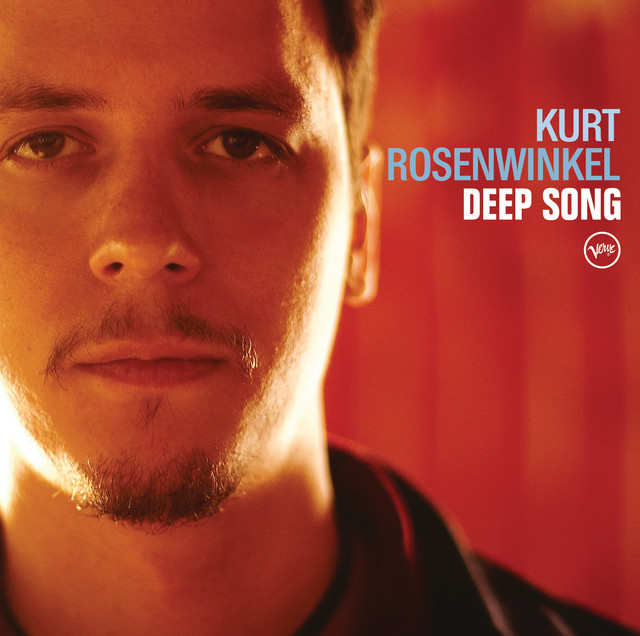
On 2005's Deep Song, Kurt Rosenwinkel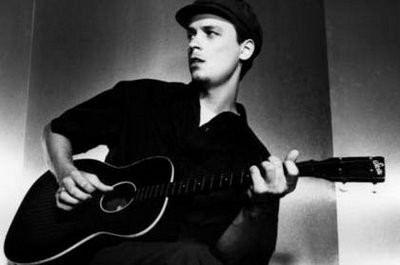
In 1989, the 17-year-old Christian McBride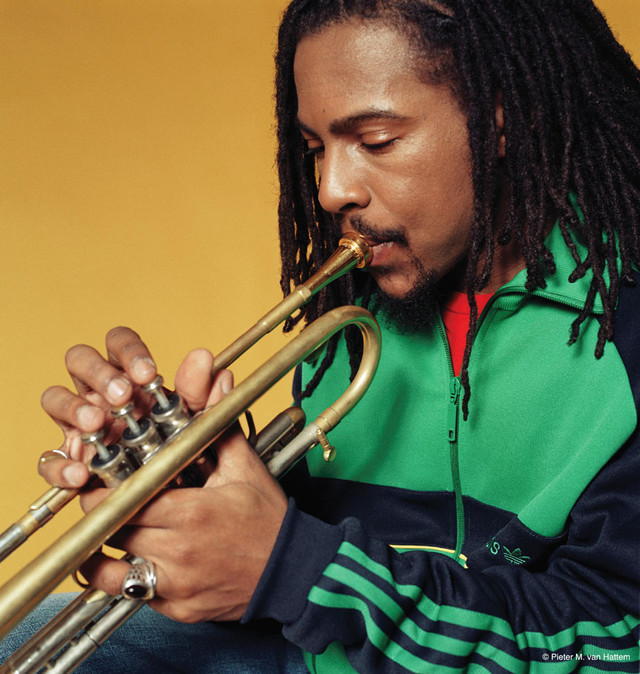
StandArt's guest list included Mark Turner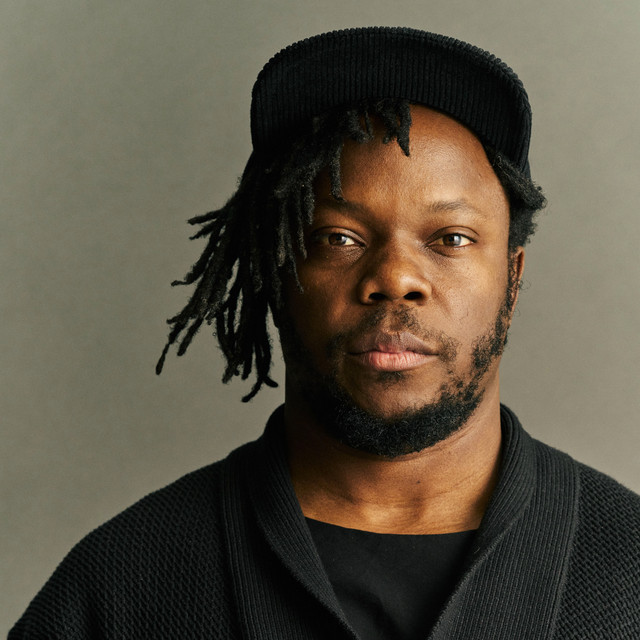
Joshua Redman's albums
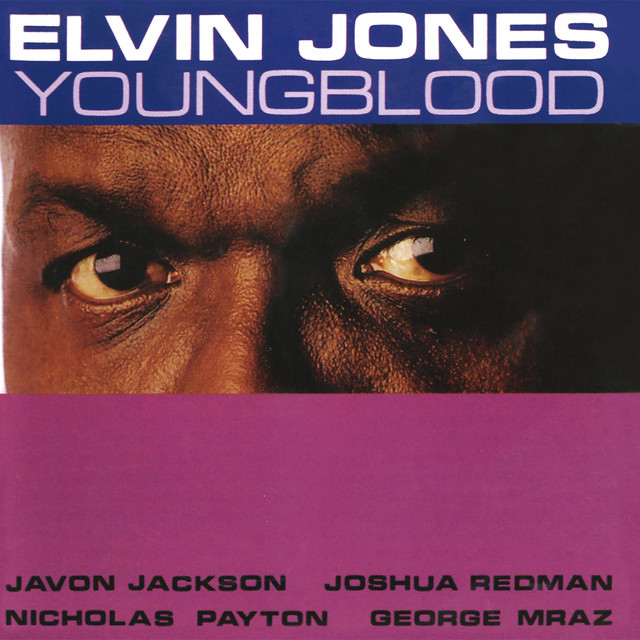
Joshua Redman was set to enter Yale Law School in 1991 when he won the Thelonious Monk International Saxophone Competition instead and abandoned law. The following year, before releasing anything under his own name, he turned up as an unknown sideman on Elvin Jones's Youngblood (1992).
Joshua Redman's albums
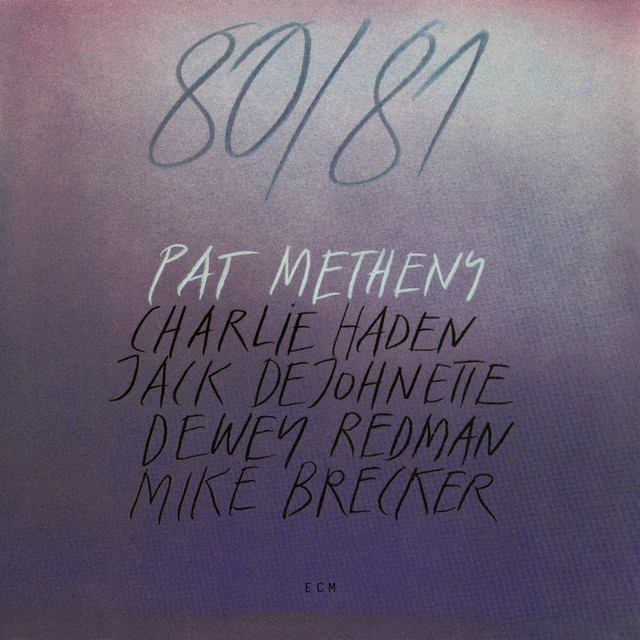
Dewey Redman's only credit in this database is Pat Metheny's 80/81 (1980). His son Joshua Redman, who would become one of the most celebrated tenor players of his generation, later said that whenever his father took a solo, his own playing sounded like video game music by comparison.
— Statement stmt-joshua-redman-on-dewey-redman-2
Joshua Redman said
Charlie brought out the love in my father's playing: a warmth, tenderness and honesty that few others brought out to the same degree.
Spoken at bassist Charlie Haden's memorial, on what Haden drew out of his father Dewey Redman's playing.
Joshua Redman said
He had such a deep, warm, tenor-saxophone sound-it was really a voice for him. He'd start playing a solo, and it made what I was playing sound like video-game music.
On playing alongside his father Dewey Redman and realizing his own technique meant nothing next to Dewey's sound.
Joshua Redman said
It was one of the most inspiring and intimidating things, to play with my dad.
Recalling what it felt like to share the bandstand with his father, Dewey Redman.
Joshua Redman said
I realized almost immediately that this band wouldn't stay together for very long. They were without a doubt, for our generation, among the most accomplished and innovative on their respective instruments.
On the 2020 reunion of his 1994 quartet, describing why the original band with Mehldau, McBride and Blade could not last.
Joshua Redman said
And my father is one of the most soulful musicians ever. I mean, he taught me about soul, and I hope, you know, someday to have 100th of the soul and wisdom in my sound that he has in his.
Talking about "GJ," the solo piece his father recorded for his grandson during the Back East sessions.
At the bar. Mina showed up after a night shift. On the walk from work to here being the best part of the day.
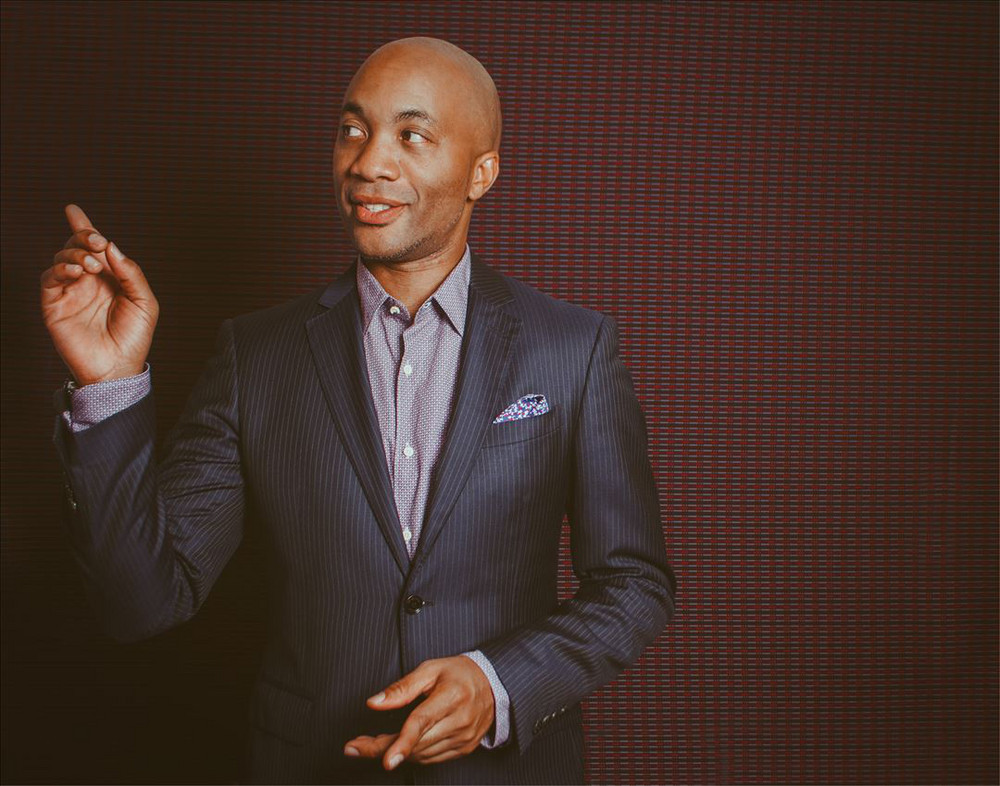 Reuben Rogers